
Signs You Need Crawl Space Encapsulation for Repairs
If your Dallas home feels damp, smells musty, or shows early signs of moisture-related damage, crawl space encapsulation may be a key part of a long-term repair plan. This guide walks you through the warning signs, what to inspect first, and how encapsulation supports better moisture control alongside foundation repair.
After a heavy rain, you might notice the house “feels” different. Maybe the air inside seems heavier, you catch a musty odor near closets, or you see condensation where you never used to. Then, when you finally check the crawl space, you find standing water spots, damp insulation, or a floor that never fully dries.
In many Dallas homes, the crawl space is acting like a moisture source that keeps coming back. This guide helps you understand the practical signs that crawl space encapsulation services may be needed, what to check before scheduling repairs, and how moisture control encapsulation systems fit into a bigger crawl space repair and foundation repair services plan.
- Quick answer
- What to check first
- Main things customers should understand
- Why this matters in Dallas, TX
- Common mistakes to avoid
- Customer checklist
- Frequently asked questions

Quick Answer
If you’re seeing persistent moisture in the crawl space, encapsulation is often the next logical repair step. Look for signs like a musty odor, visible dampness on the crawl space floor or walls, condensation on pipes or ductwork, or insulation that stays wet. Encapsulation uses a properly installed vapor barrier and sealed details to reduce moisture intrusion and help protect the crawl space environment. For the best outcome, pair encapsulation with correct site drainage and any needed crawl space repair services so you’re not sealing in an active water problem.
What to Check First
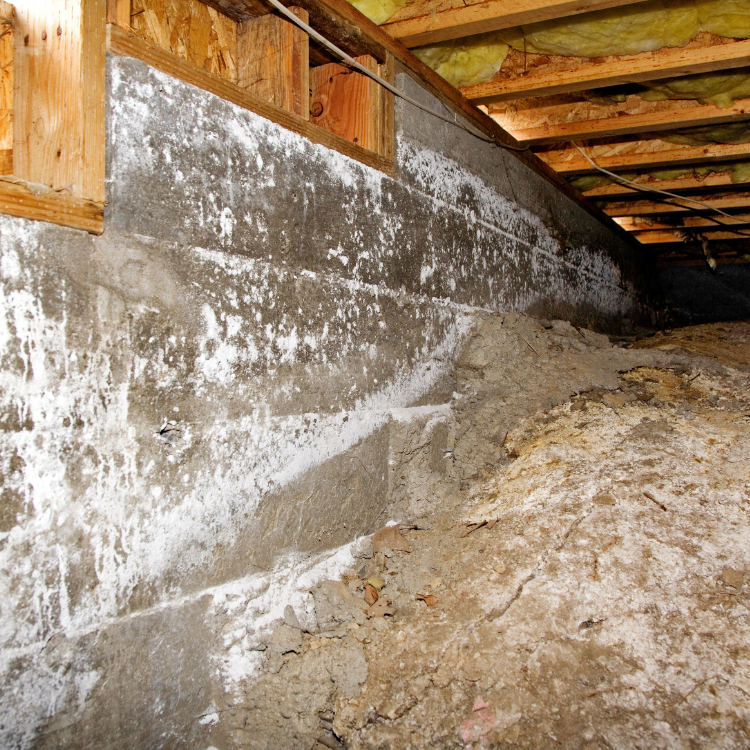
Start with simple observations that help you tell the difference between “occasional dampness” and a crawl space that’s consistently feeding moisture into the home. If you can safely access the area, inspect the crawl space floor, rim area, and any areas where plumbing runs through. Focus on what is happening repeatedly after rain or during periods of higher humidity.

Moisture and odor patterns
Notice whether damp spots and musty smells show up after wet weather and linger. Persistent moisture that doesn’t dry on its own is a strong indicator that moisture control crawl space repair may be needed.
Vapor barrier condition
If there’s already a barrier, check for tears, gaps, or areas where it doesn’t fully cover the ground. Small openings can undo the effectiveness of vapor barrier crawl space encapsulation.
Condensation on surfaces
Look for water droplets on ductwork, pipes, or structural members. Condensation often signals humidity levels are elevated and may require full crawl space sealing and insulation as part of the repair plan.
Professional observation: When moisture is persistent, the crawl space is usually not just “a little damp.” It’s often a continuing moisture pathway that encapsulation helps address, especially when combined with drainage correction and proper sealing details.
As you assess, also keep an eye on how moisture may be affecting the structure. If you’re already dealing with foundation crack repair services, a structural foundation repair specialists approach can help coordinate repairs so you’re not treating symptoms in isolation.
Main Things Customers Should Understand
Encapsulation is not only about laying down a sheet. It’s a system that aims to reduce vapor transfer and limit moisture movement through the crawl space. In Dallas area homes, where humidity can swing and rain events can be intense, the crawl space environment can become a long-term problem if it’s not addressed comprehensively.
Here are the most common reasons homeowners end up needing encapsulation as part of repairs, especially when moisture is showing up repeatedly.
| What you notice | What it often points to | How encapsulation can help |
|---|---|---|
| Musty odor and dampness that returns after rain | Moisture is entering the crawl space and not drying out | Reduces vapor movement and supports moisture control encapsulation systems |
| Visible condensation on pipes or ductwork | High humidity environment around mechanical lines | Helps limit humidity conditions when sealed correctly |
| Exposed crawl space ground or gaps in existing coverage | Vapor barrier continuity issues | Targets full coverage and sealed details for full crawl space sealing and insulation |
| Damp or compromised materials at the perimeter | Moisture contact with structural components | Supports an environment that is less conducive to ongoing moisture damage |
Customer-focused takeaway: Encapsulation is most effective when it’s coordinated with the rest of the crawl space repair plan. If drainage is allowing water to reach the foundation area, sealing alone may not solve the root cause.
If you’re also seeing signs of structural movement or concrete-related issues, it can help to align encapsulation work with other foundation repair needs. Elite Foundation Repairs offers foundation repair services that can be paired with drainage correction and related systems to support a complete repair approach.
Why this matters in Dallas, TX
In Dallas, TX, homeowners often notice crawl space problems after weather swings and wet stretches. Humidity can make it feel like the crawl space never fully “catches up” to drying, which is why moisture control becomes a priority. When the crawl space stays damp, it can contribute to ongoing moisture exposure around the foundation perimeter and connected building systems.
A common local pattern we see is homeowners focusing on surface fixes while the crawl space remains a consistent moisture source. That’s where vapor barrier crawl space encapsulation becomes especially practical: it’s designed to reduce moisture movement where it originates, helping protect the crawl space environment that supports the rest of the home.
Get a crawl space repair plan that fits your conditions
If you’re dealing with recurring dampness, odor, or condensation, a professional inspection can help confirm whether crawl space encapsulation services are part of your best next step in Dallas.
Contact Elite Foundation RepairsCall: (214) 856-9634
Common Mistakes to Avoid
Homeowners often try to reduce crawl space moisture without addressing how moisture actually behaves in the space. The result can be repeated dampness, materials that continue to degrade, and repairs that don’t last as long as expected.
Assuming one-time cleanup is enough
Drying a crawl space after a rain event is not the same as solving ongoing moisture movement. Encapsulation is typically most effective when it’s part of a plan that also considers drainage and sealing details.
Ignoring floor coverage gaps
Even small openings can undermine vapor barrier crawl space encapsulation. If the barrier is incomplete or not sealed at key junctions, moisture can still reach materials.
Focusing only on symptoms
If you’re also dealing with foundation crack repair services, basement and foundation crack sealing, or structural crack repair contractor needs, moisture control should be coordinated with structural foundation repair specialists work rather than handled separately.
If you’re currently exploring other repair categories, it can be helpful to understand how related systems connect. For example, moisture often ties into foundation drainage and airflow considerations, which can be part of a broader repair plan.
You can also review how encapsulation can complement other work like foundation ventilation and how moisture-driven issues may relate to drainage correction.
Customer Checklist
Use this checklist to prepare for a crawl space repair conversation. Bringing clear observations helps ensure you discuss the right crawl space structural repair company options and avoid guessing about what’s actually causing the moisture.
- Record when dampness, odor, or condensation appears (for example, right after rain or during humid weeks).
- Note whether there is existing vapor barrier coverage and whether it has tears, gaps, or uncovered sections.
- Check for visible moisture on crawl space floor surfaces, perimeter areas, and areas around plumbing lines.
- Inspect for condensation on ductwork or pipes, especially after HVAC runs.
- Look for signs that moisture is reaching the foundation area, not just the crawl space interior.
- List any related concerns you have, such as foundation crack repair services or concrete foundation crack repair issues you’ve noticed.
Once you have these notes, ask what repair sequence makes sense. A practical plan usually balances crawl space encapsulation with the right moisture control encapsulation systems, plus any foundation repair and drainage steps that stop water from arriving in the first place.
Representative scenario
A Dallas homeowner noticed a musty smell that seemed to return after wet weather. When they checked the crawl space, they found dampness along the perimeter and condensation near plumbing lines. The homeowner also realized that any “drying” efforts were temporary because the crawl space never fully returned to a consistently dry condition. In situations like this, encapsulation can be considered alongside moisture control steps that address where the moisture is coming from, helping the repair plan focus on long-term crawl space sealing and insulation rather than repeated cleanup.
Frequently Asked Questions
How do I know if my crawl space needs full encapsulation or a smaller repair?
In most cases, the decision comes down to whether moisture is persistent and where it’s showing up. If you see repeated dampness, musty odor, or condensation on pipes and ductwork, that often indicates an ongoing moisture environment. If there’s already a vapor barrier, gaps or tears can also justify a more complete approach to vapor barrier crawl space encapsulation. A professional inspection can confirm the moisture pattern and recommend the right scope for crawl space repair services.
Will encapsulation help if water is getting into the crawl space from drainage issues?
Encapsulation can reduce vapor movement, but it cannot replace proper water management if water is actively reaching the foundation area. That’s why moisture control often needs coordination with drainage correction. If the crawl space stays damp after rain because water is traveling toward the foundation perimeter, addressing the drainage pathway is typically part of the best repair sequence. When encapsulation and drainage work are aligned, homeowners usually get a more stable crawl space environment.
Can encapsulation be part of a foundation repair plan?
Yes. Moisture and structural issues can overlap, especially when you’re seeing foundation crack repair services, basement and foundation crack sealing needs, or signs of structural foundation repair specialists work. Encapsulation focuses on the crawl space moisture environment, while foundation repairs address concrete and structural concerns. Coordinating both helps ensure you’re not treating moisture as a separate problem from the foundation repair plan.
What should I expect during a crawl space encapsulation evaluation?
A clear evaluation usually includes reviewing crawl space conditions you’ve observed, inspecting visible moisture indicators, and checking whether existing vapor barrier coverage is continuous. The goal is to understand how moisture behaves in your specific Dallas, TX home, including where it appears after weather changes. From there, the repair plan can outline how crawl space sealing and insulation supports moisture control, and what other steps may be needed for a complete solution.
Are crawl space encapsulation systems only for older homes?
No. While crawl space issues are common in many older properties, newer homes can still experience moisture problems if the crawl space environment does not stay dry and sealed. The real deciding factor is the moisture pattern and how effectively the crawl space manages vapor and humidity. If you’re seeing condensation, dampness, or odor that returns, encapsulation can be considered regardless of the home’s age.
Ready to address moisture at the source?
Elite Foundation Repairs can help you evaluate crawl space encapsulation services and connect them with the right foundation repair services for your Dallas, TX property.
Explore foundation repair optionsCall: (214) 856-9634

Elite Foundation Repairs
Elite Foundation Repairs provides foundation repair services for homeowners and property owners across Dallas, TX and surrounding areas. If you’re dealing with crawl space moisture concerns, foundation crack repair services, or related structural issues, our team focuses on practical, coordinated repair solutions designed for real-world property conditions in Texas.
You can browse additional services like foundation repair and sloping floor foundation repair to understand how repairs may connect to moisture control and crawl space restoration.