
Crawl Space Encapsulation: Clean Air, Stable Foundations
A lot of Dallas homeowners only notice their crawl space when something gets “bad enough”—a musty smell in the hallway, a spike in humidity, or wood framing that feels damp during a humid week. One homeowner we talked with recently described it this way: “The house feels fine upstairs, but the air down there is always wet. We keep wiping moisture off the vents and it never really improves.”
That pattern matters. In North Texas, crawl spaces don’t just create unpleasant air—they can drive moisture into the structure, encourage mold growth, and worsen the conditions that lead to foundation movement. When moisture control is incomplete, even a well-installed foundation repair can struggle to perform long term because the underlying problem keeps feeding the soil and the perimeter.
Quick Answer
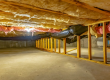
Crawl space encapsulation is a moisture-control system that seals the crawl space and manages humidity using a vapor barrier and controlled ventilation (or conditioned air, depending on your home). The goal is to reduce water vapor intrusion, protect wood and insulation, and stabilize the soil environment around the foundation.
If your crawl space has standing water, persistent dampness, dirt floor moisture, or recurring musty odors, encapsulation is often a strong part of a long-term foundation repair plan—especially when paired with drainage correction and proper foundation ventilation strategy.
What Crawl Space Encapsulation Actually Does (and why it matters)
Encapsulation isn’t just “covering the dirt.” A professional crawl space encapsulation system typically includes:
- Vapor barrier crawl space encapsulation: A durable liner installed over the dirt floor and up the walls to limit moisture vapor entry.
- Full crawl space sealing and insulation: Sealing penetrations (pipes, ducts, vents) and insulating where needed to control air leakage and temperature swings.
- Moisture control encapsulation systems: Managing humidity inside the crawl space with the right approach for your conditions—often involving dehumidification rather than just adding vents.
- Clean-air strategy: Reducing the pathway for musty air and moisture-laden air to reach the living space.
From a structural standpoint, the crawl space is a “bridge” between the soil and your foundation system. When moisture is consistently high under the home, it can:
- deteriorate wood components,
- increase indoor humidity,
- and affect surrounding soils by maintaining a wetter profile (which can impact how expansive clay moves through wet/dry cycles).
A Common Scenario We See in Dallas-Area Homes
Here’s an anonymized example based on a typical job we encounter:
- Home built on a crawl space with an exposed dirt floor.
- Homeowner reports persistent dampness and a “wet carpet” smell in one room during summer humidity.
- A previous handyman added insulation near the rim joist but left the crawl space floor exposed.
- During a rain event, the crawl space humidity spikes, and wood near the foundation feels cool and damp.
When we inspect, we often find:
- the dirt floor is constantly releasing vapor,
- penetrations and gaps around plumbing/ducts allow humid air to move,
- and foundation ventilation may be operating in a way that brings in moisture during humid stretches.
In this case, encapsulation plus a controlled approach to ventilation and sealing reduced crawl space humidity noticeably, and it helped stabilize the moisture conditions around the foundation—supporting the longer-term goals of any structural stabilization work.
What Homeowners Often Ignore (until it costs more)
Most people focus on visible cracks or sagging floors. But crawl space moisture problems tend to be “quiet” for months or years. Here are the overlooked drivers we commonly see:
- Visible dampness is only the tip: You can have no puddles yet still have high vapor levels under the home.
- Insulation without sealing can backfire: Insulating areas while leaving air leaks open can trap moisture in the wrong places.
- Foundation ventilation isn’t one-size-fits-all: In humid climates, poorly planned vents can introduce moisture instead of preventing it.
- Landscaping can keep the problem alive: Downspouts, grading, and mulch beds can direct water toward the perimeter—keeping soils wet and increasing humidity under the house.
If you’re evaluating foundation repair services, it’s worth considering how moisture control crawl space repair fits into the full picture. You can have structural work done, but if water management is incomplete, movement can return.
Common Mistakes That Make Foundation Problems Worse
A few patterns show up repeatedly. They’re not “bad intentions”—they’re usually shortcuts that miss how moisture and soil interact in North Texas.
1) Sealing the crawl space without addressing water pathways
If water is entering from outside (poor grading, downspouts, or surface runoff), encapsulation alone can’t fully solve the issue. That moisture still affects soil conditions around the foundation.
2) Treating symptoms instead of the source
Dehumidifiers help, but if the dirt floor vapor barrier is missing, torn, or poorly installed, the system fights an ongoing vapor load.
3) Choosing the wrong barrier coverage
A barrier that covers only the floor (without properly sealing wall interfaces and penetrations) can leave major vapor pathways open.
4) “Fixing” ventilation without inspecting conditions
Some homes need careful ventilation planning; others do better with moisture-controlled approaches that don’t rely on open venting during humid periods.
If you’re also noticing cracks or periodic movement, pairing encapsulation with drainage correction is often the difference between “we fixed it for a while” and a longer-lasting result. You can review our approach here: drainage improvement services.
Crawl Space Encapsulation Inspection & Prevention Checklist
Before any encapsulation system is designed, we look for the actual moisture pathways and structural risk points. Use this homeowner-friendly checklist to understand what should be evaluated during an inspection:
Crawl Space Moisture Checklist
- Dirt floor condition: Is the surface dry sometimes, or consistently damp?
- Odor and humidity: Musty smell, condensation on surfaces, or visible dampness?
- Vapor barrier status (if any): Is it intact, lapped correctly, and properly sealed at seams and edges?
- Wall penetrations: Around plumbing lines, ductwork, electrical entries, and crawl vents.
- Standing water indicators: Mineral staining, repeated puddling, or damp insulation.
- Insulation condition: Is it dry and properly installed—or does it show signs of recurring moisture?
- Drainage around the perimeter: Downspouts discharging where they shouldn’t, pooling, or poorly graded soil.
- Foundation ventilation strategy: Are vents helping, or feeding humidity?
Prevention mindset
Encapsulation should be designed as part of a system that includes foundation ventilation strategy and exterior water control. If you want to compare approaches, you may find this helpful: foundation ventilation.
Why Dallas Soil and Weather Cycles Make Crawl Space Moisture a Structural Issue
North Texas is known for expansive clay soils that change volume with moisture. During wet periods, soils can swell; during dry periods, they shrink. That movement can influence how the foundation settles over time—especially near perimeter areas where water and vapor conditions are most variable.
In the crawl space, high humidity and vapor transfer can:
- keep the perimeter soil environment wetter than it should be,
- increase freeze-thaw-like stress patterns indirectly via temperature swings (even without true freeze-thaw),
- and contribute to conditions that worsen wood decay and structural wear.
We also see seasonal rhythm: humid summers can create a crawl space that “never fully dries,” while drought periods can dry things out unevenly. A well-designed encapsulation system helps reduce that cycle by controlling vapor entry and stabilizing the microclimate under the home.
How We Decide Between Encapsulation-Only vs Full Stabilization
Encapsulation can be a major improvement, but we don’t assume it’s the only step. The decision depends on what the crawl space and foundation are doing together.
Structural stability recommendation (practical rule of thumb)
If there are signs of foundation crack repair concerns—like cracks that grow seasonally, doors that don’t close normally, or floors that tilt—encapsulation should be paired with the right structural stabilization approach.
For example:
- If you’re dealing with settlement-related issues, you may need foundation repair services in addition to moisture control.
- If cracks have formed in concrete or masonry, sealing and crack repair can be part of a broader plan. (More on that below.)
- If the perimeter has retaining wall pressure or drainage failures, addressing those systems can prevent water from undermining stability.
For homeowners dealing with perimeter retaining structures, you can explore options here: retaining wall repair support.
A Contractor Observation: “The barrier is only as good as the details”
One firsthand observation we’ve made on crawl space work is that failures usually aren’t dramatic. The barrier might look fine at first glance, but problems show up at the edges and penetrations—where vapor can sneak in.
In multiple homes, the crawl space “problem area” wasn’t the center of the dirt floor. It was:
- a gap around a pipe sleeve,
- a poorly sealed seam where barrier sections met,
- or an area where the liner didn’t rise up the wall correctly.
Those small openings can create a constant vapor pathway. That’s why a professional crawl space repair contractor focuses on sealing, lapping, and integration—not just rolling out plastic.
Dallas-Ready Repair Strategy: Moisture Control + Water Management
If you’re considering crawl space encapsulation services, a strong strategy in North Texas usually includes:
1. Stop vapor entry with a properly installed vapor barrier (vapor barrier crawl space encapsulation).
2. Seal air leaks at penetrations so humid air can’t circulate into the living space.
3. Choose the right humidity control approach based on what the crawl space is doing (not a generic one).
4. Correct exterior water issues so the soil and perimeter environment aren’t being continually re-wetted.
5. Address foundation symptoms if structural movement is already present.
This is also where moisture control crawl space repair and foundation crack repair services can overlap. If concrete foundation crack repair is needed, it’s best treated as part of the overall moisture and movement plan—not as a standalone fix. Some homeowners ask about epoxy foundation crack repair specialists approaches; in practice, we evaluate whether sealing is appropriate based on crack type, movement history, and moisture sources.
Foundation Repair vs Monitoring (When encapsulation is not enough)
Many homeowners want a simple answer: “Can encapsulation solve foundation issues?” Sometimes it helps a lot. Other times, it’s only one part.
Here’s a practical comparison:
| Situation | Encapsulation Often Helps | Foundation Repair Likely Needed |
|---|---|---|
| Musty odor, damp crawl space, high humidity | ✅ Yes (moisture source reduction) | Usually only if cracks/movement are present |
| Seasonal humidity spikes but no active structural movement | ✅ Yes | Usually no |
| Cracks that widen over time, doors misalign, noticeable floor slope | Partial ✅ (supports long-term stability) | ✅ Often yes |
| Standing water, recurring perimeter wetness | ✅ if paired with sealing | ✅ if soil movement or drainage failures exist |
If you’re seeing signs of foundation crack sealing or structural crack repair contractor needs, it’s worth aligning moisture control with structural stabilization. You can read more about crack repair planning here: drainage correction (because water management is frequently tied to cracking behavior).
Signs Your Foundation May Be Moving (Look for these patterns)
Encapsulation helps moisture—movement requires structural attention. Watch for:
- Cracks that appear or widen around windows/doors or along mortar lines
- Stair-step cracking in masonry or recurring concrete foundation crack repair needs
- Sticky or misaligned doors and windows
- Floors that slope or feel uneven in the same areas repeatedly
- Evidence of damp crawl space near the same perimeter sections over time
If you have sloping floor concerns, the root cause can range from structural settlement to moisture-related soil behavior. This page covers related scenarios: sloping floor foundation repair.
Quick “AI Overview” Summary
Crawl space encapsulation is a controlled moisture-management system that uses a vapor barrier, sealing, and the right humidity approach to reduce dampness and musty air. In North Texas, controlling crawl space moisture helps stabilize the crawl space microclimate and supports long-term foundation stability—especially when paired with exterior drainage correction. Encapsulation alone may not solve foundation movement if cracks or settlement are already active, but it often plays a critical role in preventing recurrence.
FAQ
How do I know if encapsulation is the right crawl space repair for my home?
Start with the basics: persistent musty odors, visible dampness, condensation, or a consistently damp dirt floor are strong indicators. If you also see moisture-related deterioration (soft wood, failing insulation) or humidity that spikes after rain, encapsulation is usually a good fit. The final decision depends on what the inspection finds—especially exterior water pathways and whether there are signs of active foundation movement. A professional inspection will connect crawl space conditions to perimeter soil behavior.
Will crawl space encapsulation stop foundation cracks from getting worse?
Encapsulation can reduce the moisture conditions that contribute to soil movement, so it may slow or prevent further worsening in some cases. However, foundation cracks can also relate to structural settlement that needs stabilization. If cracks are changing over time or floors are tilting, encapsulation should typically be paired with an appropriate foundation repair plan and drainage correction.
Do I need foundation ventilation if I encapsulate?
Not always. Some systems rely on ventilation; others focus on sealed crawl space humidity control. The right approach depends on your crawl space conditions—humidity levels, vapor pathways, and exterior moisture exposure. This is why we evaluate your home rather than applying a standard template. You can review our guidance on foundation ventilation for more detail.
How long does crawl space encapsulation take?
For many homes, installation can typically be completed over a short scheduled window once the site is prepared and materials are ready. The timeline varies based on crawl space access, the condition of existing insulation, the number of penetrations to seal, and whether we’re correcting drainage issues first. During inspection, we map out the sequence so encapsulation and moisture control systems work together.
Ready to Protect Your Foundation or Crawl Space?
If your crawl space feels damp, smells musty, or seems to stay humid through Texas summers, encapsulation may be the missing piece in your long-term structural protection plan. The best results come from treating moisture and water management as a system—not a one-time fix.
About Elite Foundation Repairs
Elite Foundation Repairs provides foundation repair, crawl space repair and encapsulation, retaining wall construction, drainage correction, and structural stabilization services throughout Dallas, TX and surrounding North Texas communities. The company focuses on long-term structural solutions, moisture management, accurate inspections, and practical homeowner education—helping protect properties from foundation movement tied to regional soil behavior and water exposure.