If you are seeing new cracks in a retaining wall around your property in Dallas, TX, you are right to pay attention. This guide explains the most common causes, what symptoms matter most, and when wall cracking can point to deeper foundation and drainage issues.
After a heavy rain, you notice the landscaping along your backyard slope looks different. A retaining wall that used to sit straight now shows fresh cracks, and a few stones or blocks look slightly misaligned. You might be tempted to patch the surface and move on, but retaining walls do not crack for no reason.
In Dallas, TX, retaining walls often work hard to manage soil pressure and water flow. When drainage slips or the supporting structure shifts, cracks can be an early warning sign. This guide helps you understand what the cracks can mean, which signs to treat as safety concerns, and what to ask a professional foundation and wall repair contractor before repairs begin.
- Quick answer
- What to check first
- Main things customers should understand
- Why this matters in Dallas, TX
- Common mistakes to avoid
- Customer checklist
- Frequently asked questions
Quick Answer
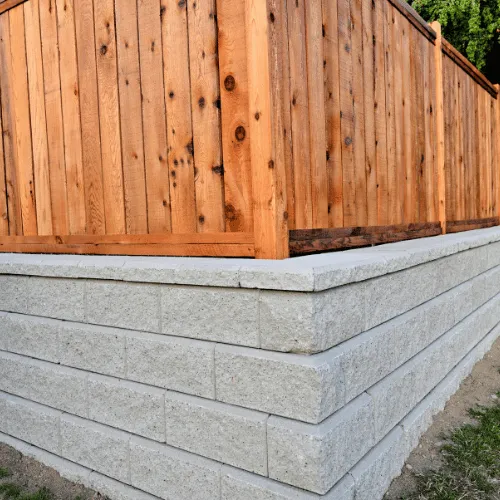
Cracked retaining walls are commonly caused by soil pressure, water buildup behind the wall, or movement that can be related to foundation conditions. Start by checking for active widening cracks, offsets, and signs of water pooling or seepage near the wall. If you see rapid change, bulging, or any separation between wall sections, treat it as a repair priority. A professional can assess the wall and surrounding conditions so repairs address the cause, not just the appearance. If you want a practical next step, contact a local pro like Elite Foundation Repairs to evaluate your wall and drainage setup.
What to Check First
Before you spend time patching, take a few careful observations. The goal is to separate “cosmetic” cracking from movement that may indicate ongoing stress. Walk the length of the wall and look for changes over time, not just existing cracks.
Track the crack behavior
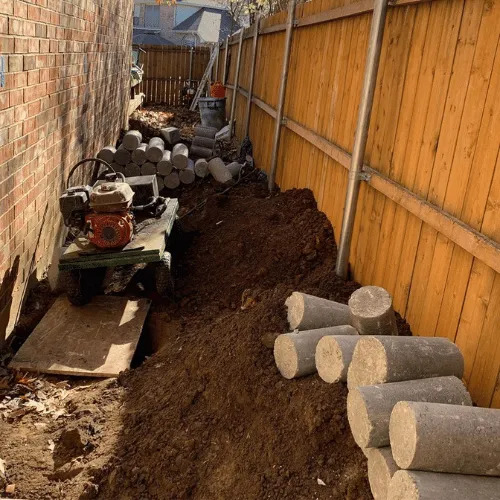
Note whether cracks are widening, new cracks are appearing, or the line is changing shape after rainfall.
Look for wall alignment shifts
Check for bowing, bulging, leaning, or gaps between blocks or segments that indicate movement.
Inspect drainage and water paths
Look for water pooling upslope, damp soil behind the wall, or seepage at joints and base areas.
Professional observation: Cracks that appear alongside bulging or visible separation usually mean the wall is experiencing ongoing pressure. Even if the surface looks “patchable,” the underlying forces can keep pushing, and repairs that do not address drainage and structural support often fail to hold.
Main Things Customers Should Understand
Retaining walls are designed to resist lateral soil pressure while managing water. Cracks can be a symptom of several issues working together, especially where drainage is poor or where soil conditions cause repeated movement. Here are the most common causes you can expect a professional to evaluate.
Common causes behind cracked retaining walls
- Water buildup behind the wall: When water cannot drain properly, hydrostatic pressure increases and stresses the wall.
- Soil pressure and lateral movement: Expansive or shifting soil can push unevenly, especially near corners or changes in grade.
- Settlement at the base: If the ground under the wall settles, the wall may crack, separate, or tilt.
- Construction and material limitations: Some wall types and mortar or block conditions can be more sensitive to freeze-thaw cycles or repeated wetting, depending on region and exposure.
- Connected foundation movement: In some properties, retaining wall distress can correlate with foundation conditions, sloping, or moisture problems that affect the overall structure.
| What you notice | Why it can happen | What to do next |
|---|---|---|
| Hairline cracks that do not change | Normal shrinkage or minor stress relief depending on wall age and materials | Monitor after heavy rain and document changes with dates |
| Cracks that widen or new cracks appear after storms | Water pressure and ongoing movement behind the wall | Prioritize drainage and structural assessment before patching |
| Bulging, bowing, or leaning sections | Soil pressure and loss of restraint or support at the base | Schedule an evaluation, especially if movement is recent |
| Gaps between blocks or segments | Settlement, misalignment, or repeated lateral loading | Ask whether the repair plan includes structural stabilization and wall repair and replacement |
| Damp soil or seepage near joints | Drainage failure or water channeling through the wall system | Discuss moisture control and drainage correction as part of the repair |
Why this matters in Dallas, TX
In Dallas, TX, retaining walls are exposed to cycles of heavy rainfall, dry periods, and changes in soil moisture. That pattern can increase the chance that water pressure builds behind a wall, especially if the drainage path is clogged by sediment or landscaping changes. When the wall’s water management fails, the soil can behave differently from season to season, and cracking can return even after surface patchwork.
From what we see during on-site evaluations, wall issues often connect to broader property conditions. For example, homeowners may also notice damp areas near the base, recurring wet spots, or signs that the ground around the structure is not draining the way it should. That is why a coordinated approach matters, including drainage correction and related foundation repair where appropriate.
Drainage correction
Addressing water pathways can reduce pressure behind the wall and support longer-lasting results. Explore drainage correction.
Retaining wall repair and replacement
If the wall has shifted, the repair may require more than patching. Review retaining wall repair and replacement.
Foundation and slope concerns
Some wall problems align with foundation movement. If your property has grade changes or interior signs, consider sloping floor foundation repair.
Get a wall and drainage-focused inspection
If your retaining wall cracks after rain or shows signs of movement, the safest next step is a professional assessment that looks beyond the surface.
Contact Elite Foundation RepairsCommon Mistakes to Avoid
Homeowners often try to “solve” retaining wall cracking with quick fixes. Those actions can delay the real repair and sometimes make the problem worse by trapping water or covering up movement. Here are common mistakes to avoid when you see cracks.
- Patching cracks without addressing drainage or water pressure behind the wall.
- Assuming a crack is harmless because it looks small at first.
- Waiting too long if the crack pattern changes after storms or heavy rainfall.
- Replacing landscape materials or adding soil near the wall without checking how it affects lateral pressure.
- Ignoring wall misalignment such as bulging, leaning, or gaps between blocks.
- Focusing only on the visible surface instead of the wall system performance at the base.
Customer Checklist
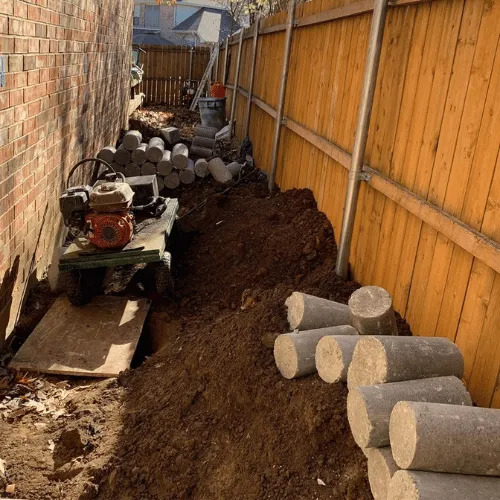
Use this checklist during your evaluation so you can communicate clearly and make sure the repair plan targets the real cause. Bring it to your conversation with a professional foundation repair company like Elite Foundation Repairs.
Practical recommendation: If you can, take photos of the crack from the same angles and distances every few weeks, and add notes about rainfall dates. That simple documentation helps determine whether the issue is actively progressing.
- Record when you first noticed the crack and whether it changed after storms.
- Walk the wall perimeter and note the location of cracks (near corners, mid-span, or around joints).
- Check for bulging or leaning, and measure whether the wall looks farther out than before.
- Inspect for damp soil, seepage, or pooling near the base and along the upslope side.
- Confirm whether downspouts, irrigation, or grading changes route more water toward the wall.
- Ask whether the repair plan includes drainage correction and structural stabilization, not just cosmetic crack repair.
Representative scenario
A Dallas homeowner noticed a concrete retaining wall began showing diagonal cracking after a season of heavy rain. At first, the homeowner filled the surface to improve appearance, but within the next wet cycle the crack lines returned and one section looked slightly more bowed. During a wall evaluation, the team focused on how water was moving behind the wall and whether the base support had shifted. The final repair approach addressed the drainage correction and structural needs so the wall could handle soil pressure with less water buildup.
Frequently Asked Questions
Are cracked retaining walls always a structural emergency?
Not every crack means immediate failure, but wall cracks should not be ignored. The most concerning patterns are those that change over time, such as widening cracks, increasing bulges, or gaps between wall sections. If you notice active movement after rainfall, or the wall looks noticeably out of plumb compared to earlier, treat it as a priority for professional evaluation. A contractor can assess the wall’s condition and surrounding drainage to determine whether the issue is progressing.
What causes retaining walls to crack in Dallas, TX?
In Dallas, cracked retaining walls are often linked to water management and soil pressure. After heavy rainfall, water can build up behind the wall if drainage pathways are limited, increasing pressure and stressing the wall system. Over repeated wet and dry cycles, soil can also shift, affecting base support. Changes in landscaping, grading, or irrigation can route more water toward the wall, which raises the risk of cracking and movement.
Can I just seal or patch the cracks myself?
Surface patching can make cracks look better, but it does not typically address the forces that caused the cracking. If water pressure behind the wall is the driver, sealing the visible crack may not stop the underlying movement and can leave the wall vulnerable. The safer approach is to evaluate drainage correction and structural conditions first. Then repairs can be planned so the wall is stabilized and water is managed, not just covered.
How do I know if the problem is related to foundation conditions?
Retaining wall cracking can sometimes correlate with broader property movement, especially if you also notice sloping floors, foundation crack repair needs, or signs of structural shifting. If wall distress occurs alongside other structural symptoms, it is worth asking about structural foundation repair specialists and whether the repair plan should include related foundation work. A professional inspection can help connect the dots between wall performance and the supporting structure.
What should I ask during a retaining wall repair consultation?
Ask what the contractor believes is driving the cracking, and whether the plan includes drainage correction and retaining wall repair and replacement as needed. It helps to ask how they will address water behind the wall, since moisture and pressure are common root causes. If the property shows signs of foundation movement, ask whether the evaluation should include foundation repair services. A clear, cause-focused plan is usually the best sign you are getting a durable solution.
Protect your property with a cause-first repair plan
If you are seeing cracked retaining walls in Dallas, TX, the safest path is an inspection that addresses drainage and structural conditions, not just the crack line.
(214) 856-9634
Elite Foundation Repairs
Elite Foundation Repairs provides professional foundation repair services for homeowners and property owners in Dallas, TX and surrounding areas. Our focus is on practical, structural solutions that address the cause of movement, including retaining wall repair and replacement and drainage correction when water-related stress contributes to cracking.
Explore related services like foundation repair services and foundation ventilation to understand how moisture and structural conditions can work together.