
Crawl Space Encapsulation Signs Your Moisture Problem Worsens
If you have a crawl space in Dallas, TX, you may be noticing damp floors, musty odors, or visible condensation. This guide explains the most common crawl space encapsulation warning signs that your moisture issue is getting worse, what to check first, and how to decide on next steps with a professional foundation repair and crawl space restoration plan from Elite Foundation Repairs.
A few months ago, you started noticing a smell in the home that never quite goes away. Then you see more condensation on vents, damp insulation edges, or small dark patches on the crawl space walls after storms. In Dallas, TX, humidity and rain swings can make a “minor” moisture problem feel like it’s escalating quickly.
You might wonder whether crawl space encapsulation is the right direction or if something else needs attention first. This guide helps you recognize worsening moisture patterns, understand what typically goes wrong, and ask better questions so you can protect your home’s crawl space and foundation system.
- Quick answer
- What to check first
- Main things customers should understand
- Why this matters in Dallas, TX
- Common mistakes to avoid
- Customer checklist
- Frequently asked questions

Quick Answer
If your crawl space is already showing dampness, and you notice condensation, recurring musty odors, wet insulation, or visible water staining after rain, your moisture problem may be worsening. For Dallas-area homes, the practical next step is to confirm the source: where moisture enters, how air moves, and whether the crawl space needs moisture control encapsulation systems. A professional crawl space repair contractor can inspect for vapor barrier condition, ventilation and airflow behavior, drainage correction needs, and any structural issues that affect moisture control.
What to Check First
Start with observations that help you separate “temporary humidity” from an active moisture source. After a rain event, look for new damp spots, increased condensation on surfaces, and any standing water patterns. Even small changes can indicate the crawl space is not keeping up with moisture load.

Professional observation: When moisture “bounces back” after rain, it often means the crawl space is still receiving water vapor or liquid moisture through specific pathways. Encapsulation helps most when those pathways are addressed and the system is sealed correctly at the right details.
Main Things Customers Should Understand
Crawl space encapsulation is designed to manage moisture and protect materials. But signs that the problem is getting worse usually point to one of a few root causes: the moisture source is ongoing, the encapsulation details are incomplete, or the crawl space environment is being influenced by other foundation or drainage issues.
| Worsening sign you may notice | What it can indicate | What to verify next |
|---|---|---|
| Condensation returns soon after it seems to dry | Humidity levels remain elevated due to airflow and vapor movement | Whether moisture control encapsulation services include a properly sealed vapor barrier and correct airflow strategy |
| Musty odor becomes stronger over time | Moisture is lingering long enough to support growth on surfaces or materials | Whether full crawl space sealing and insulation details are addressed at seams, penetrations, and edges |
| Visible water staining on crawl space walls | Liquid moisture intrusion or persistent dampness from nearby surfaces | Whether drainage correction and exterior water management are part of the plan |
| Insulation feels wet or sagging | Moisture contact is occurring, not just ambient humidity | Whether the restoration approach includes moisture control crawl space repair and proper sealing before insulating |
| Puddling or damp spots that follow heavy rain | Water is getting in faster than the current system can handle | Whether crawl space encapsulation systems are paired with addressing the water entry pathway |
In many Dallas, TX inspections, we see moisture issues worsen when homeowners focus only on the visible dampness and do not confirm what is driving it. For example, a vapor barrier may be present but not fully sealed at edges or around penetrations, allowing moisture vapor to migrate and condense on cooler surfaces.
Why this matters in Dallas, TX
Dallas homes often face a mix of warm temperatures and humid conditions, with rain events that can quickly change crawl space moisture levels. When the crawl space environment swings like that, even a small gap or a barrier detail that is not sealed can become a recurring source of moisture. If you are noticing that the crawl space “never stays dry,” it is a signal to evaluate the entire moisture control approach, not just one component.
Customer-focused tip: If you only treat the smell or surface dampness, the moisture source may still be active. A professional crawl space structural repair company approach typically checks for moisture pathways, barrier integrity, and how the crawl space is responding after storms.
Need help figuring out what’s driving the crawl space moisture?
Elite Foundation Repairs can inspect your crawl space and help you understand whether crawl space encapsulation services, moisture control crawl space repair, or drainage correction should be addressed first.
Contact Elite Foundation RepairsCommon Mistakes to Avoid
Homeowners typically do not cause crawl space moisture problems, but a few common decisions can make them worse or delay the right fix. The goal is to avoid “chasing symptoms” while missing the pathway that keeps bringing moisture into the crawl space.
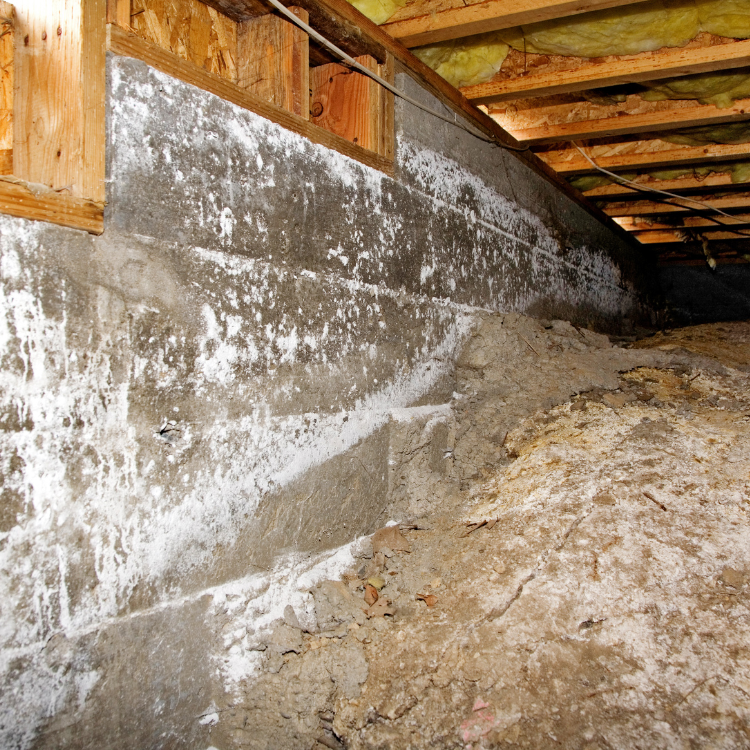
- Assuming the barrier is enough: A vapor barrier can fail if seams, edges, and penetrations are not sealed properly.
- Ignoring drainage correction needs: If water is coming from outside, moisture control inside the crawl space may not hold.
- Overlooking foundation movement effects: Structural foundation repair specialists often look for conditions that can influence moisture patterns.
- Replacing materials without addressing moisture: Wet insulation or damp surfaces can return if the underlying moisture driver is unchanged.
- Using a one-size-fits-all approach: Moisture control encapsulation systems should match your crawl space conditions and airflow behavior.
Customer Checklist
Use this quick checklist before you call for crawl space repair services. It helps you describe what you are seeing and gives your contractor clear details to evaluate.
- After the last rain, did you notice new condensation on vents, walls, or cooler surfaces?
- Are there any visible tears, gaps, or loose edges in a vapor barrier or crawl space cover?
- Has musty odor increased over time, especially after storms?
- Do you see dark staining or damp patches along crawl space walls?
- Is insulation wet, sagging, or pulling away from surfaces?
- Do damp areas appear in the same zones, suggesting a specific moisture pathway?
- Have you had any drainage issues near the foundation that could contribute to moisture intrusion?
Representative scenario: Dallas homeowner with recurring dampness
A Dallas, TX homeowner noticed a musty smell that became stronger during and after rain. They had some crawl space repairs done previously, but the vapor barrier was visibly wrinkled and there were small openings near edges. After another storm, condensation appeared again, and insulation on one side felt damp. In the inspection, the team confirmed that moisture control encapsulation systems were not fully sealed at the details and that exterior water management needed attention to reduce the moisture load. The homeowner’s next steps focused on sealing and restoring the crawl space in a way that matched how moisture was entering, not just what was easiest to see.
Practical recommendation: If your moisture problem is recurring, ask your contractor how they plan to address the moisture pathway first, then confirm how the full crawl space sealing and insulation details will be handled. This sequence is often what determines whether encapsulation holds or moisture returns.
Frequently Asked Questions
How can I tell if my crawl space moisture problem is worsening?
Worsening typically shows up as recurring condensation after rain, increasing musty odor, dark staining on crawl space walls, and insulation that stays damp or returns to dampness quickly. If the crawl space seems “mostly dry” for a short time but resets after storms, that usually indicates an ongoing moisture pathway rather than normal humidity. Take notes on when you see changes and where they appear in the crawl space so your contractor can target the source.
What should a professional crawl space encapsulation contractor check?
A professional crawl space encapsulation contractor should inspect the vapor barrier condition, including seams, edges, and penetrations, and confirm whether the crawl space environment supports moisture control. They should also look for signs of liquid moisture and evaluate drainage correction needs if water appears to track from exterior areas. If there are foundation-related issues that affect crawl space conditions, structural foundation repair specialists may recommend addressing those impacts as part of a complete moisture control plan.
Can drainage correction affect crawl space encapsulation results?
Yes. If water is entering from outside due to poor drainage around the foundation, encapsulation alone may not keep moisture levels down. A moisture control plan often works best when exterior water management reduces the moisture load, then interior moisture control measures like full crawl space sealing and insulation help keep the crawl space stable. If you see damp spots that appear after storms, it is a good idea to ask whether drainage correction should be reviewed alongside crawl space encapsulation services.
Should I wait to fix moisture until it gets worse?
Waiting can allow moisture to keep cycling through the crawl space, which can increase the chance of persistent dampness on surfaces and materials. Even if you do not see major damage yet, recurring condensation and odors are a sign that conditions are not stable. A practical approach is to evaluate the source early, especially if you notice changes after rain events. That way, you can choose moisture control encapsulation systems that are matched to your crawl space conditions instead of reacting later.
What’s the difference between crawl space repair and encapsulation?
Crawl space repair focuses on fixing the problems that are causing moisture and damage, such as restoring affected materials, addressing moisture pathways, and correcting conditions that keep returning. Crawl space encapsulation is a moisture control step that typically includes vapor barrier installation and sealing details to reduce vapor movement. In many cases, the best results come from combining both, so moisture control crawl space repair addresses what is driving the moisture while encapsulation helps keep it from reappearing.
Ready to protect your crawl space and foundation system?
If you are seeing signs that moisture is worsening in Dallas, TX, Elite Foundation Repairs can help identify what is driving the issue and recommend the right next steps for crawl space encapsulation services and related foundation repair needs.
(214) 856-9634
Elite Foundation Repairs provides foundation repair services and crawl space repair services for homeowners, property managers, and businesses across Dallas, TX & surrounding areas. Their focus is on practical moisture control and structural foundation repair specialists work that supports long-term crawl space restoration, including crawl space encapsulation services and related system evaluations.
Helpful resources you may want to review: foundation repair services, foundation ventilation, drainage correction, and crawl space encapsulation.