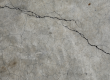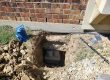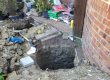
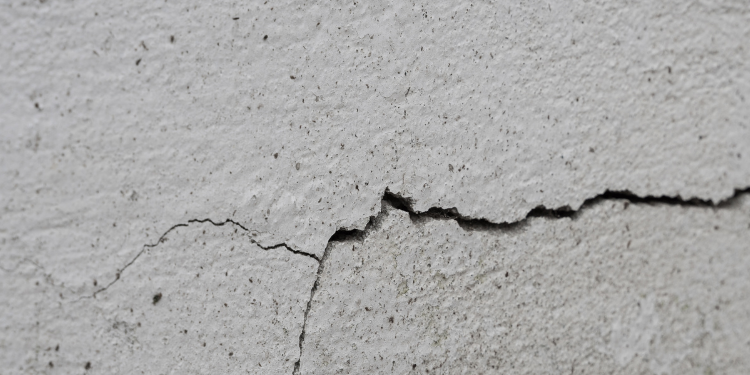
If you are seeing water seep through a crack or noticing new drywall issues after seasons of shifting, the “patch it and move on” approach usually backfires. This guide walks you through what foundation crack repair should address, what to inspect first, and how to choose a professional foundation repair company in Dallas, TX that focuses on moisture control and long-term stability.
A few months after heavy rain, you notice a damp spot on the basement wall. The next week, you feel a musty odor, and a hairline crack looks wider than it did before. Even if the leak is small, it is still a sign that water can travel through openings in your foundation.
Homeowners in Dallas, TX often face this exact decision: should you seal the crack yourself, or should you treat the underlying movement and drainage that allowed water to find a path in the first place? This guide helps you understand what foundation crack repair services should look for, what information to gather before you call, and which warning signs mean you need structural foundation repair specialists, not just a surface patch.
- Quick answer
- What to check first
- Main things customers should understand
- Why this matters in Dallas, TX
- Common mistakes to avoid
- Customer checklist
- Frequently asked questions
Quick Answer
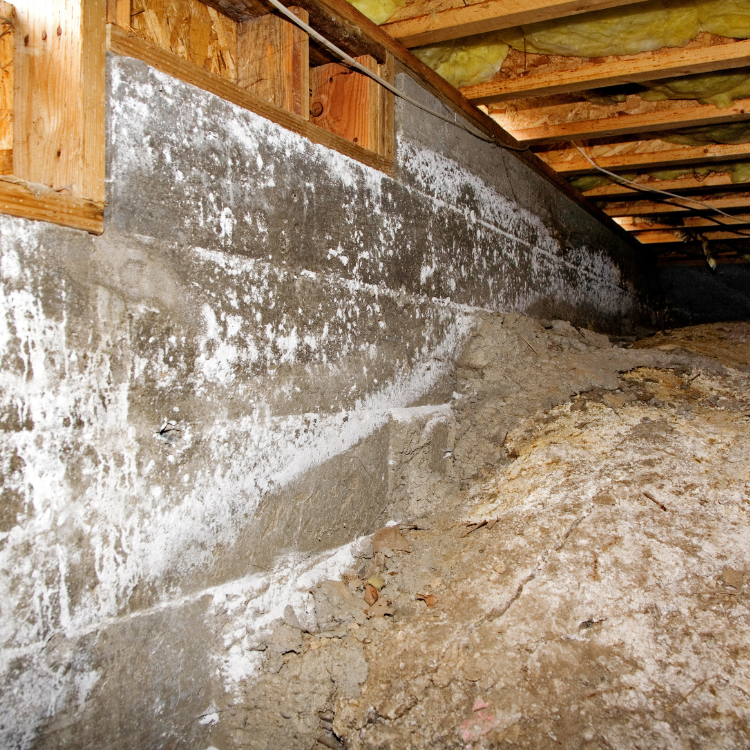
If a foundation crack is letting water in, the repair plan should address both the crack and the conditions that push moisture toward your foundation. Start by documenting where the leak appears, whether it changes after rain, and if you also see signs of settling like sticking doors or uneven floors. Then schedule an inspection with a professional foundation repair company in Dallas, TX. A residential foundation repair contractor can identify whether you need concrete foundation crack repair, structural crack repair, or drainage correction before sealing to prevent repeat leaks.
What to Check First
Before you call, take a careful walk-through. You are not diagnosing the structural issue yourself, but you are gathering the details that help a contractor choose the right approach for foundation crack repair services.
1) Track the leak pattern
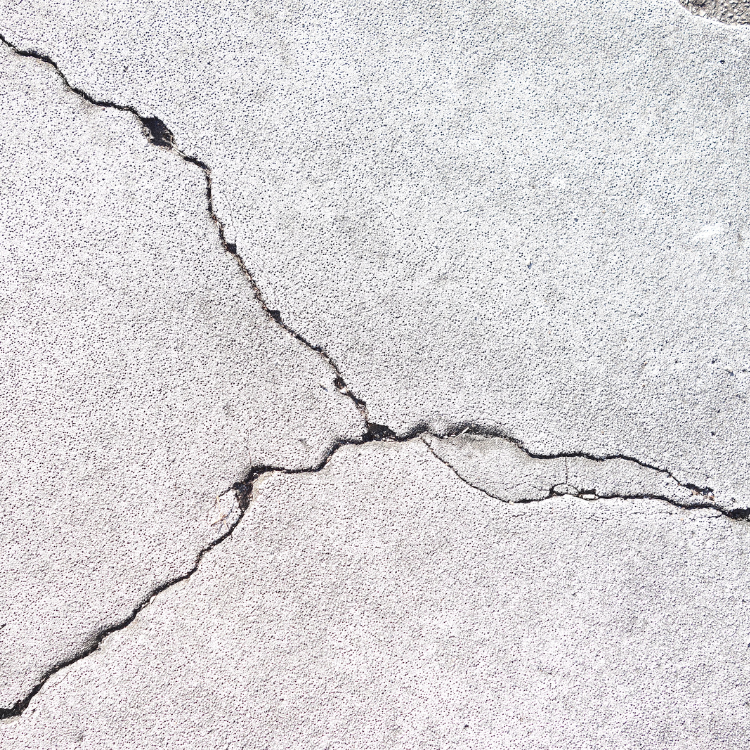
Note whether water shows up after rainfall, during cooler months, or only when the ground is saturated. Cracks that “open up” and “close up” seasonally often involve more than surface sealing.
2) Identify the crack location
Cracks near corners, along joints, around penetrations, or at transitions (like where walls meet) can indicate water pathways and movement concentrated in specific areas.
3) Check for moisture sources
Look for gutters that overflow, poor grading, or downspouts that discharge too close to the foundation. Even the best basement and foundation crack sealing can fail if water is still being directed at the wall.
Main Things Customers Should Understand
When you are dealing with structural foundation repair specialists, the goal is not only to stop the leak today. The goal is to restore a stable, dry foundation environment so the repair does not become a temporary patch. In many homes, water enters through a crack because of pressure and movement, not because the crack is “just cosmetic.”
Professional observation: A crack can be the symptom. A thorough inspection connects the dots between movement, moisture control, and how water flows around your home in Dallas, TX.
| What you notice | What it can indicate | What a proper plan may include |
|---|---|---|
| Water seepage that increases after rain | Moisture pathway through the crack plus surrounding water pressure | Concrete foundation crack repair combined with drainage correction |
| Cracks that appear to widen seasonally | Ongoing movement, not a one-time defect | Structural crack repair contractor assessment before sealing |
| Cracks plus interior settling signs (sticking doors, uneven floors) | Settlement or structural foundation movement contributing to the crack | Structural foundation repair evaluation and targeted crack sealing |
| Moisture in crawl space areas | Higher humidity and vapor pressure can worsen crack-related dampness | Crawl space structural repair company services and moisture control crawl space repair |
It is also common for homeowners to overlook the connected systems. For example, foundation ventilation and crawl space conditions can affect humidity levels, which changes how quickly materials degrade. If you are also dealing with crawl space issues, you may want to review crawl space solutions alongside your foundation crack work, such as foundation ventilation.
Why This Matters in Dallas, TX
Dallas, TX homes experience significant seasonal shifts, and that matters for crack repair. Even when the crack looks “small,” repeated wetting and drying can widen the pathway water uses to travel. In the Dallas area, heavy rain events can also raise hydrostatic pressure against basement walls and intensify seepage along joints and penetrations.
Another local factor is that many properties in the Dallas metro have older drainage layouts or landscaping changes over time. If downspouts, grading, or runoff patterns send water toward the foundation, you are essentially reintroducing the same pressure after each rainfall. That is why moisture control should be part of the plan, not an afterthought. If you suspect water is pooling near the foundation, consider reviewing drainage correction as part of your overall crack repair strategy.
Need clarity on your crack and leak cause?
If you want to stop the leak and reduce the chance of repeat sealing failures, start with an inspection that looks at movement and moisture pathways. Elite Foundation Repairs serves Dallas, TX and surrounding areas.
Contact Elite Foundation RepairsCommon Mistakes to Avoid
Homeowners often handle foundation cracks the same way they would a minor cosmetic repair. With leaks, that approach can make the problem worse by leaving the underlying pathway active.
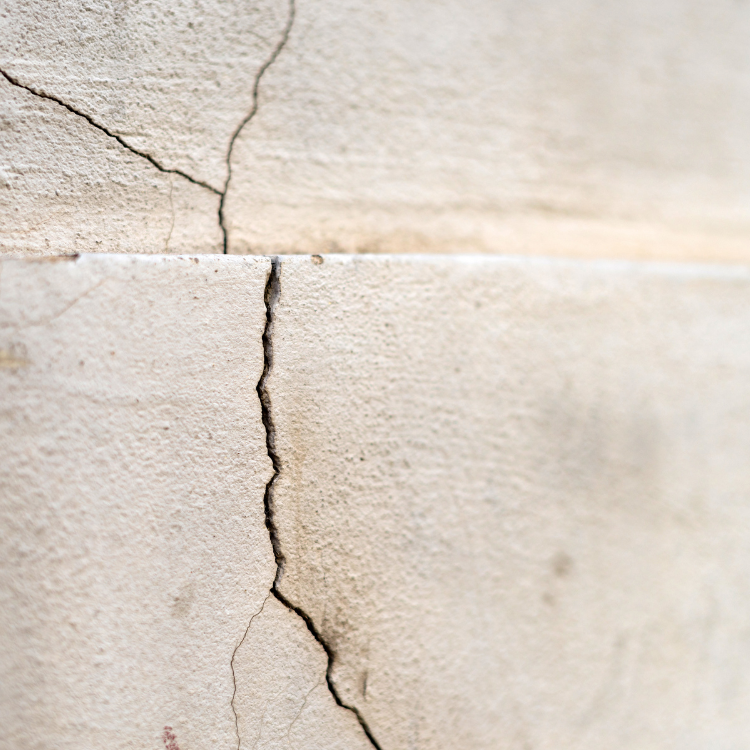
- Only sealing the surface without addressing moisture flow: If water still reaches the crack, sealed areas can fail or the leak can migrate.
- Waiting until the crack gets larger: Early intervention can help prevent additional deterioration of surrounding materials.
- Using a one-size-fits-all patch: Different crack conditions can require different methods, including epoxy foundation crack repair specialists approaches when appropriate.
- Ignoring the rest of the structure: If there is also floor sloping or wall displacement, you likely need comprehensive residential foundation repair contractor work, not just crack sealing.
- Overlooking retaining wall and site drainage connections: Water management around your property can affect foundation loading. If your yard includes retaining walls, review retaining walls when site conditions suggest it.
Customer Checklist
Use this checklist to prepare for a professional inspection. The more you document, the easier it is for a local foundation repair expert to recommend the right foundation crack repair services.
- Location notes: Mark the exact crack position on a sketch or photos (wall, corner, near plumbing lines).
- Timing records: Write down when you first noticed the crack and when leaks appear after rain.
- Interior signs: Note any musty odors, damp drywall, peeling paint, or recurring water on floors.
- Movement clues: Mention sticking doors, gaps in trim, or sloping-floor foundation repair concerns.
- Exterior observations: Note gutter/downspout discharge and whether water pools near the foundation.
- Crawl space (if applicable): If moisture is also present below the home, ask about crawl space encapsulation services and moisture control encapsulation systems.
Representative Scenario
A homeowner in Dallas, TX noticed a basement wall crack that looked hairline at first. After a week of heavy rain, a wet trail appeared and the drywall started to discolor. They tried a basic seal and expected it to hold, but the dampness returned with the next storm. After an inspection, the repair plan focused on stopping the active moisture pathway and addressing the foundation crack condition rather than treating it as purely cosmetic. Once moisture control measures were coordinated with the crack repair approach, the leak behavior improved and the homeowner felt confident about maintaining a drier basement environment through future wet seasons.
Frequently Asked Questions
Will sealing a foundation crack stop a leak permanently?
Sealing can help, but whether it stays fixed depends on why the leak started. If water pressure continues to push through the crack during Dallas, TX rain events, a surface-only seal may fail or the moisture can find a nearby path. A proper plan typically evaluates movement and moisture flow around the foundation before sealing. That is why many residential foundation repair contractor recommendations include moisture control steps such as drainage correction and targeted crack repair, not just a quick patch.
How can I tell if my crack is structural or just cosmetic?
Hairline cracks can be harmless, but leaks and signs of movement are stronger indicators. Look for water seepage, damp drywall, recurring staining, or cracks that change with weather. Also pay attention to sticking doors, uneven floors, or gaps that seem to widen over time. Those patterns can point to structural foundation repair needs rather than cosmetic fixes. A professional inspection helps connect crack behavior to structural foundation repair services so the repair matches the real cause.
Do I need concrete foundation crack repair or epoxy foundation crack repair specialists?
It depends on the crack condition and the repair goal, such as sealing against moisture or stabilizing a crack that is actively changing. Concrete foundation crack repair may be appropriate when the crack and surrounding concrete need restoring. Epoxy foundation crack repair specialists methods can be used when a more targeted injection or sealing approach fits the crack’s characteristics. The best next step is an inspection so a structural crack repair contractor can recommend the method that matches the leak pathway and movement.
Can crawl space moisture contribute to basement and foundation crack issues?
Yes. Even if the crack is in the basement wall, high humidity or moisture in the crawl space can affect overall moisture levels in the home. That can make it easier for dampness to return or for materials to degrade faster. If you are also dealing with crawl space dampness, moisture control crawl space repair and crawl space encapsulation services can help. Ask about full crawl space sealing and insulation and vapor barrier crawl space encapsulation so your foundation moisture plan covers the connected areas.
What information should I bring to a foundation repair inspection?
Bring simple documentation: where the crack is located, when you first noticed it, and when leaks appear (especially after rain). Include interior observations like musty odor, damp drywall, or recurring staining. If you have movement clues such as sticking doors or sloping-floor foundation repair concerns, mention them. For exterior context, note gutter downspouts and whether water pools near the foundation. This helps a professional foundation repair company in Dallas, TX select the right foundation crack repair services and moisture control steps.
Get a repair plan built for your leak, not just your crack
Elite Foundation Repairs works with homeowners across Dallas, TX and surrounding areas to stop foundation leaks and address the conditions that allow them to return. If you are ready to move from uncertainty to a clear next step, contact us today.
(214) 856-9634
Elite Foundation Repairs
Elite Foundation Repairs provides local foundation repair services focused on foundation crack repair services, moisture control, and structural foundation repair specialists support for Dallas, TX homeowners. If you are dealing with basement and foundation crack sealing, crawl space repair, or related site drainage concerns, our team helps you evaluate the cause and choose the right approach for residential foundation repair contractor needs.
Learn more about foundation repair services or explore sloping floor foundation repair if your floors and doorways are also changing.