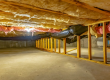

If you have a crawl space that feels damp, smells musty, or seems to collect moisture after heavy rains, you are not alone. This guide explains what crawl space encapsulation is, what it should accomplish, and how to plan a moisture-control approach for homes in Dallas, TX.
After a hard rain in Dallas, TX, you might notice the crawl space seems to stay wet. Maybe the air upstairs feels off, you see condensation on surfaces, or you find that the wood and insulation look darker than they should.
Homeowners often wonder if a simple cleanup is enough, or if they should spend money on crawl space repair services and encapsulation. This guide will help you understand what to look for, what “encapsulation” should include, and how moisture control ties into a healthier home environment.
- Quick answer
- What to check first
- Main things customers should understand
- Why this matters in Dallas, TX
- Common mistakes to avoid
- Customer checklist
- Frequently asked questions

Quick Answer
Crawl space encapsulation is a moisture-control system that seals the crawl space to reduce how much water vapor and humidity move through the area. In most Dallas, TX homes, the best results come when encapsulation is planned after addressing key issues first, like damaged foundation openings, uncontrolled drainage, and any needed structural foundation repair. The practical next step is to have your crawl space inspected so the team can identify the moisture source and recommend a full crawl space sealing and insulation approach that fits your layout.
What to Check First
Before you decide on encapsulation, start by confirming what is driving the dampness. In Dallas, TX, moisture problems usually show up after rain, seasonal humidity changes, or when the crawl space has openings that allow humid air to circulate. A good inspection should include the crawl space floor condition, wall condition, and how air and water can enter.

If you can access the crawl space safely, look for these practical indicators:
- Standing water or recurring wet spots after storms, which often points to drainage correction needs.
- Visible condensation on concrete, crawl space walls, or ductwork, which suggests moisture vapor is present.
- Openings and gaps around vents, pipes, and penetrations that can let humid air in.
- Damaged or missing vapor barrier material (or barrier seams that have separated).
- Signs of failing insulation or insulation that is not protected from moisture.
Professional observation: Encapsulation performs best when the crawl space is “set up” to stay dry. If water is getting in from drainage issues or if openings are letting humid air move freely, a vapor barrier alone rarely fixes the root problem.
Main Things Customers Should Understand
Encapsulation is not just laying down plastic. A well-designed moisture control encapsulation system typically combines sealing, vapor barrier installation, and attention to airflow and humidity management. The goal is to reduce water vapor movement and keep the crawl space environment more stable.
Here are the main elements homeowners should expect to be addressed during planning:
1) Vapor barrier coverage and seam quality
A crawl space structural repair company should treat seams and edges as the “weak points.” The barrier should extend and seal correctly at the perimeter, around penetrations, and where the crawl space meets foundation walls.
2) Moisture entry points (air and water)
Even a strong barrier cannot stop moisture if drainage is pushing water toward the foundation. That is why drainage correction is often part of the conversation when the crawl space stays damp after rain.
3) Venting approach and moisture balance
Some crawl spaces have venting that can increase humidity inside. A professional crawl space encapsulation contractor will evaluate how air moves through the crawl space and recommend the encapsulation approach that aligns with moisture control goals.
4) Insulation and sealing coordination
Full crawl space sealing and insulation planning should account for where insulation is installed and how it is protected from moisture. If insulation sits in a humid environment, it can lose performance over time.
| Decision point | What “good” looks like | What to be cautious about |
|---|---|---|
| Vapor barrier | Sealed edges and seams with a plan for penetrations | Barrier laid down without addressing gaps around pipes or wall transitions |
| Moisture source | Inspection considers drainage and crawl space entry points | Encapsulation recommended before drainage correction is evaluated |
| Foundation openings | Approach is coordinated with how air and humidity move through the crawl space | Assuming vent changes are unnecessary even when humidity is persistent |
| Long-term environment | Moisture control encapsulation systems designed to keep the crawl space conditions more stable | Focusing only on the floor layer with no coordination for sealing and insulation |
Why This Matters in Dallas, TX
In Dallas, TX, crawl spaces often experience cycles of wet conditions after rain and higher humidity periods. When a crawl space has pathways for humid air to enter or if water is directed toward the foundation, moisture can linger even if the weather improves. Over time, that moisture affects how comfortable the home feels and how well materials perform in the crawl space.
From a local perspective, the most effective crawl space repair services approach typically starts with understanding how your property handles water. That can include the way the lot slopes, how runoff is managed near the foundation, and whether foundation-related issues are contributing to moisture movement. If your home also shows signs of structural movement, it may be worth reviewing residential foundation repair contractor options alongside crawl space repair services.
Depending on what the inspection finds, homeowners may also benefit from reviewing related foundation and drainage topics, such as drainage correction and foundation ventilation. These areas often connect directly to how moisture behaves in the crawl space.
Get clarity on your crawl space moisture control plan
If you are searching for crawl space encapsulation services near Dallas, TX, the right first step is an inspection that identifies your moisture entry points and the sequence of repairs. Elite Foundation Repairs can help you understand what to address first so encapsulation supports a healthier home environment.
Contact Elite Foundation RepairsCommon Mistakes to Avoid
Homeowners sometimes pursue encapsulation without confirming what is causing the dampness. That can lead to frustration when the crawl space still feels humid or when moisture continues to show up at the edges of the barrier. These are the mistakes we most often see during crawl space structural repair company evaluations.
Common mistakes:
- Installing a vapor barrier over an unresolved moisture source (for example, ignoring drainage correction when water is reaching the crawl space).
- Skipping sealing around penetrations like pipes, wiring, and other openings, which can let humid air bypass the barrier.
- Relying on partial coverage instead of planning full crawl space sealing and insulation coordination.
- Assuming crawl space ventilation is the only variable when foundation condition and moisture pathways are also in play.
- Not addressing structural foundation repair needs if cracks, movement, or uneven floor conditions suggest the crawl space environment is tied to foundation performance.
Practical recommendation: If you are deciding between foundation crack repair services and crawl space encapsulation services, ask how moisture control and structural foundation repair specialists will coordinate the sequence. Addressing the right issue first can prevent rework and helps the encapsulation system perform as intended.
Customer Checklist
Use this checklist to prepare for a crawl space encapsulation conversation. It helps you communicate what you are seeing and ensures the inspection covers the details that affect moisture control results in Dallas, TX.

- Document when dampness shows up (after rain, during humid weeks, or year-round).
- Note any musty odors, condensation, or visible staining in the crawl space.
- Check for openings around pipes, ducts, and vents where humid air could enter.
- Confirm whether the crawl space floor and perimeter are dry enough for barrier installation.
- Ask whether drainage correction is part of the plan for moisture entry control.
- Request an encapsulation approach that includes full crawl space sealing and insulation coordination.
- Discuss how foundation ventilation is handled to support moisture control goals.
A Representative Dallas, TX Scenario
A homeowner in Dallas, TX noticed a persistent damp smell and condensation along crawl space walls after rainfall. The initial barrier material was incomplete, and there were visible gaps around several pipe penetrations. During inspection, the team also evaluated water management near the foundation and reviewed crawl space ventilation details. The final plan focused on moisture entry point control first, then sealing and vapor barrier installation to support residential crawl space restoration and longer-lasting moisture control.
If your situation includes foundation cracks, it may also be helpful to review foundation repair services so crawl space work is coordinated with any needed structural foundation repair specialists.
Frequently Asked Questions
What does crawl space encapsulation actually do?
Crawl space encapsulation is designed to reduce how much moisture and water vapor affect the crawl space environment. Typically, it involves installing a vapor barrier, sealing edges and penetrations, and coordinating insulation and ventilation decisions so humidity is controlled rather than just “covered up.” For Dallas, TX homeowners, encapsulation often focuses on preventing humid air movement and limiting moisture entry so the crawl space stays more stable after rain and during humid periods.
Do I need foundation repair before encapsulation?
Sometimes, yes. If inspection suggests structural movement or related moisture pathways tied to foundation condition, it is usually best to address those issues first. A professional foundation repair company can help evaluate whether you need residential foundation repair contractor work such as foundation crack repair services, structural crack repair contractor solutions, or drainage correction. Coordinating the sequence helps ensure the encapsulation system supports long-term moisture control rather than being installed over an unresolved problem.
How do I know if the issue is moisture vapor or standing water?
Standing water is usually obvious during or shortly after storms and may remain in low areas. Moisture vapor issues often show up as condensation on cooler surfaces or persistent dampness even when there is no visible water puddling. In practice, inspections in Dallas, TX often check both, because the cause can be a combination of water management, crawl space openings, and vapor movement. That is why a crawl space structural repair company should evaluate drainage and sealing details together.
What should I expect from a professional crawl space encapsulation contractor?
A professional crawl space encapsulation contractor should inspect the crawl space, identify moisture entry points, and explain the sequence of work. That includes discussing vapor barrier coverage and seams, how penetrations will be sealed, and how ventilation decisions support moisture control encapsulation systems. The plan should also consider whether moisture is linked to foundation performance or drainage correction needs, especially when the crawl space stays damp after rain.
Can encapsulation help with odors and comfort inside the home?
Yes, it can. When crawl spaces trap excess humidity and moisture, that environment can contribute to musty odors and uncomfortable indoor conditions. By reducing water vapor movement and sealing the crawl space, many homeowners see a noticeable improvement in crawl space-related comfort. Exact results depend on the cause of moisture, which is why the inspection should evaluate drainage, openings, and crawl space sealing and insulation coordination rather than treating encapsulation as a one-size approach.
Ready to explore crawl space encapsulation in Dallas, TX?
Elite Foundation Repairs can help you plan a moisture control approach that fits your home. If you are looking for professional crawl space repair contractor support, call and we will guide you through next steps based on what your crawl space inspection reveals.
Call (214) 856-9634
Elite Foundation Repairs
Elite Foundation Repairs provides foundation repair services for homeowners and property owners in Dallas, TX and surrounding areas. Our focus is on practical, well-coordinated solutions that address how moisture and foundation performance can affect the home, including crawl space repair services and related foundation and drainage work. If you want crawl space encapsulation services planned alongside your foundation needs, we will help you understand the right sequence for your property.