Sagging Retaining Walls: Causes, Safety Risks, Fix Options
If a retaining wall in your Dallas, TX yard is tilting or sinking, it is usually telling you something about soil pressure and water flow. This guide helps you understand what is likely happening, what to check first, and which repair paths (from drainage correction to structural retaining wall repair) make sense for common residential situations.
After heavy rain, you may notice a retaining wall that looks “different” than it did last month. In some Dallas, TX neighborhoods, homeowners also see the wall slowly bowing, the top edging shifting, or a noticeable gap forming near the soil line.
Because retaining walls hold back soil, sagging is not just a cosmetic issue. The movement can change how water drains and can increase the load on nearby concrete and foundation elements. Below, you will learn what typically causes sagging retaining walls, what safety risks to watch for, and how professional foundation repair services can coordinate the right repair approach.
- Quick answer
- What to check first
- Main things customers should understand
- Why this matters in Dallas, TX
- Common mistakes to avoid
- Customer checklist
- Frequently asked questions
Quick Answer
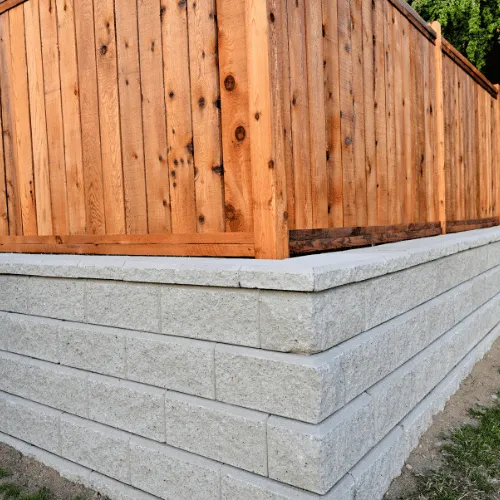
If your retaining wall is sagging, the most common drivers are soil pressure and water issues behind the wall. Start by checking for new movement, cracks, drainage problems, and signs of trapped moisture near the base. For a lasting fix, repairs usually focus on stabilizing the wall and correcting the drainage path, not just patching the visible surface. In Dallas, TX, scheduling an inspection helps you avoid compounding damage to adjacent concrete and potential foundation-related symptoms. A professional crawl space repair contractor or concrete retaining wall contractor can also coordinate moisture control when needed.
What to Check First
Before you plan repairs, gather a few observations so the cause does not get guessed. Retaining wall movement tends to follow patterns, and those patterns help a structural foundation repair specialist narrow down whether the issue is primarily drainage, backfill, or reinforcement.
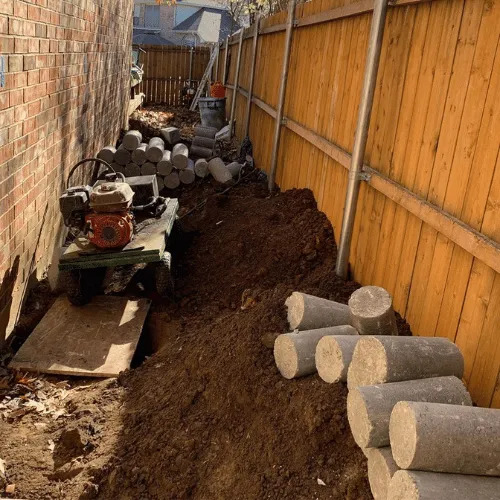
Look for movement patterns
Mark the wall top edge and check for bowing, leaning, or sinking over a short period. Note whether one section is worse than the rest.
Check the base and gaps
Watch for soil washout at the base, voids, or an expanding gap between wall and ground. These often point to water flow.
Inspect drainage pathways
Confirm whether downspouts, yard grading, or swales are directing water toward the wall. After rainfall, observe whether water pools behind or beside it.
Professional observation: Sagging often accelerates when water builds up behind the wall. If you only address the wall face without fixing moisture movement, the pressure can keep working against the structure.
Where homeowners usually get stuck: It can be tempting to re-level blocks or patch a crack. But if the underlying backfill and drainage corrections are not addressed, the wall may shift again.
Main Things Customers Should Understand
Retaining walls can fail gradually. In many Dallas, TX properties, the wall is part of a larger grading system that also affects driveways, patios, and sometimes crawl spaces. Understanding the common causes helps you choose the right fix options instead of repeating the same problem.
Representative scenario: a backyard wall that started “small”
A homeowner in Dallas, TX noticed hairline separation between the wall and the landscaping edging. After a few heavy rain events, the top row of blocks looked slightly out of line, and soil began to wash out near one corner. The yard grading directed runoff toward that section, and water stayed near the base long after the rain stopped.
In cases like this, a professional concrete retaining wall contractor typically evaluates how water is reaching the backfill. The repair plan often combines retaining wall repair and replacement of the affected section with drainage correction behind and at the base, so the wall stops fighting ongoing moisture pressure.
| What you notice | Common underlying cause | Repair direction to ask about |
|---|---|---|
| Wall bows outward; top edge tilts | Soil pressure building over time, often worsened by poor drainage | Retaining wall repair and replacement plan plus stabilization approach |
| Soil washout at the base after rain | Water moving through or around the wall without a clear exit path | Drainage correction focused on behind-the-wall and base drainage |
| Visible cracking near the wall face | Movement transferring stress to the wall surface | Structural evaluation before patching; address root movement drivers |
| Moisture issues in nearby concrete areas | Ongoing moisture that can affect adjacent foundation-related components | Coordinated moisture control, including crawl space repair services if relevant |
Coordination with foundation-related moisture control
Retaining walls are frequently tied into the same drainage and moisture story as foundations and crawl spaces. If you also see dampness, musty odors, or water intrusion patterns in adjacent areas, it can change the priority of repairs. Elite Foundation Repairs can help you connect the dots between wall performance and foundation crack repair services, concrete foundation crack repair, and crawl space restoration when moisture is involved.
For example, if water is bypassing surface grading and entering lower areas, you may need a coordinated plan that includes crawl space encapsulation services and moisture control encapsulation systems. You can also explore drainage correction to see how drainage changes affect long-term stability.
Why This Matters in Dallas, TX
In Dallas, TX, yards often experience cycles of heavy rainfall and fast drying, and that pattern can stress retaining walls that rely on stable, well-draining backfill. When water repeatedly collects behind a wall, it can increase lateral pressure and contribute to gradual sagging. Over time, that movement can transfer stress to nearby hardscape and any structural foundation repair needs.
If your property has a crawl space, the moisture story can be connected. When water management is inconsistent, you may see dampness patterns that align with wall movement events. That is one reason homeowners pair retaining wall installation services with crawl space repair and moisture control planning. For more background on how moisture and airflow tie together, read foundation ventilation.
Get a practical retaining wall stability inspection
Elite Foundation Repairs can help you identify likely causes behind sagging retaining walls and outline a repair path that addresses the root issue, not just the visible surface.
Contact Elite Foundation RepairsCommon Mistakes to Avoid
Sagging retaining walls can worsen quickly when repairs are chosen based on appearance instead of cause. Here are several common mistakes we see homeowners make, along with what they can lead to.
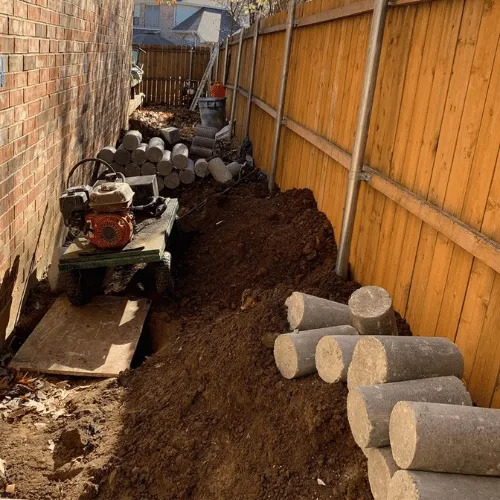
- Only patching cracks or re-setting blocks without addressing drainage and backfill conditions.
- Assuming the wall is “just settling” when the movement is actually responding to water pressure.
- Ignoring soil washout near the base, which often indicates water is finding a path through or around the wall.
- Changing landscaping without drainage planning, such as redirecting downspouts toward the wall.
- Waiting until the wall fails completely, which can raise the amount of structural work needed for retaining wall repair and replacement.
Where to start your research
If you are comparing options, it helps to understand how Elite Foundation Repairs approaches structural concerns tied to movement. You can review retaining walls for a service overview, then pair it with a look at how uneven floors can relate to movement patterns by visiting sloping floor foundation repair.
Customer Checklist
Use this checklist before you contact a contractor. It helps you describe the problem accurately and supports a more efficient inspection in Dallas, TX.
- Which sections of the wall are moving (top row, corners, center sections)?
- When did you first notice sagging or bowing, and has it changed after rain?
- Any new cracks, gaps, or shifted block lines?
- Any soil washout at the base or erosion around the wall?
- Where do downspouts and yard runoff drain relative to the wall?
- Do you see moisture or dampness in nearby areas, such as crawl space entry points?
Practical recommendation for homeowners
If the wall is actively sagging, avoid landscaping changes that could redirect runoff toward the wall while you are waiting for an inspection. Focus on documenting what you observe after rainfall and keep pathways clear so the base area is accessible. A professional can then connect the wall’s movement to drainage conditions and decide whether retaining wall installation services, retaining wall repair and replacement, or related structural foundation repair specialists’ work is the right path.
Frequently Asked Questions
What causes a retaining wall to sag in Dallas, TX?
Most sagging retaining walls are responding to soil pressure that increases when water does not drain properly. If water collects behind the wall or escapes at the base in the wrong way, the lateral load can build over time. In Dallas, TX, repeated rain and drying cycles can intensify this pattern, especially when yard grading, downspouts, or swales direct water toward the wall. The repair approach usually needs to address both stabilization and drainage, not only the wall surface.
Is it safe to wait and see if the wall gets worse?
It depends on what you are seeing, but active sagging is a reason to schedule an inspection sooner rather than later. If the wall is bowing outward, creating expanding gaps, or showing soil washout after rainfall, movement is ongoing. Delaying can allow additional stress to transfer to nearby hardscape and may complicate retaining wall repair and replacement. When in doubt, document the changes you see after rain and have a contractor evaluate stability before the problem escalates.
Can drainage correction fix a sagging retaining wall?
Drainage correction is often a critical part of the solution because it reduces the water pressure that contributes to wall movement. However, drainage work alone may not fully correct structural displacement if the wall has already shifted. A practical repair plan typically combines drainage correction with an appropriate stabilization or wall repair approach based on the severity and location of the movement. For a coordinated approach, ask about drainage correction and retaining wall repair options together so the root cause is addressed.
What’s the difference between retaining wall repair and retaining wall replacement?
Retaining wall repair generally focuses on fixing specific areas that are failing or shifting while preserving as much of the existing wall system as practical. Retaining wall replacement is considered when the wall’s movement is more widespread, when the structure has shifted beyond a repairable range, or when the wall components need a more complete reset for stability. A professional evaluation helps determine which direction fits your wall’s condition and the drainage conditions behind it.
Could a sagging retaining wall be related to foundation problems?
Yes, it can be related, mainly through shared drainage and moisture conditions. If the retaining wall and nearby soils are experiencing the same water management issues, movement can affect adjacent concrete and potentially contribute to foundation-related symptoms. In some situations, homeowners also need crawl space restoration or moisture control planning as part of the overall correction strategy. If you are noticing foundation crack repair services needs at the same time, it is worth discussing a coordinated plan so wall and foundation concerns do not get treated as separate problems.
Ready to stop the sagging?
Contact Elite Foundation Repairs to review your retaining wall concerns and plan next steps for structural stability and drainage-focused correction.
(214) 856-9634
About Elite Foundation Repairs
Elite Foundation Repairs provides foundation repair services for homeowners and property managers in Dallas, TX and surrounding areas. Our focus is on practical, cause-based solutions that connect structural stability with moisture control. Whether you are dealing with retaining wall installation services, retaining wall repair and replacement, foundation crack repair services, or crawl space restoration, we help you choose a repair path that addresses the underlying issue.