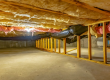

If you have damp crawl space conditions in Dallas, TX, you may be dealing with musty odors, visible growth, or recurring moisture on floors and walls. Crawl space encapsulation creates a controlled barrier that helps reduce moisture intrusion, supports healthier indoor air, and protects your investment in residential foundation repair.
Your crawl space can look “fine” from the hallway, but the moment Dallas humidity ramps up, you notice the difference: a persistent musty smell, condensation on ductwork, or dark spots that keep coming back. Sometimes the issue shows up as comfort problems upstairs, even when the foundation itself seems stable.
Before you commit to repairs, it helps to understand what crawl space encapsulation actually does, what it cannot fix by itself, and how moisture control connects to foundation protection. This guide walks you through what to check first, the key components of moisture control encapsulation systems, and the common mistakes homeowners make when sealing a crawl space.
Quick Answer
Crawl space encapsulation is a moisture control approach that seals the crawl space to reduce humidity and vapor intrusion from the ground and outdoor air. It typically includes sealing exposed surfaces, installing a crawl space vapor barrier, and addressing airflow and drainage considerations so moisture does not keep building up. If you’re dealing with musty odors or recurring dampness, start by checking for active moisture sources and signs of mold or damaged materials. For best results, pair encapsulation with any needed moisture control crawl space repair steps, rather than relying on a barrier alone.
What to Check First
Before any crawl space repair or encapsulation work begins, take a practical look at what is driving the damp conditions. In many Dallas-area homes, the “humidity problem” is actually a combination of vapor coming up from the soil, air movement through gaps, and occasional water intrusion after heavy rain.
1) Signs of active moisture
Look for visible condensation, standing water, damp insulation, and areas where the floor feels consistently clammy.
2) Odors and growth
Musty smells and dark growth often indicate moisture is staying in the crawl space long enough to support mold.
3) Entry points
Check for gaps around penetrations, tears in existing barriers, and places where vents or openings can pull in humid air.
If you also see foundation crack-related concerns, consider how moisture affects structural stability. You can review foundation repair services to understand how structural foundation repair specialists approach crawl space conditions alongside foundation crack repair services.
Professional observation: Encapsulation helps most when the moisture source is addressed first. If water is entering or vapor is bypassing the barrier through gaps, the crawl space can stay humid even after the barrier is installed.
Main Things Customers Should Understand
Crawl space encapsulation is not just “covering the ground.” A well-planned system is designed to reduce moisture movement, limit odor-causing conditions, and support residential crawl space restoration in a way that fits your property.
What encapsulation typically includes
- Vapor barrier crawl space encapsulation: A crawl space vapor barrier helps reduce moisture coming from the soil.
- Full crawl space sealing and insulation support: Sealing exposed surfaces and improving insulation where appropriate can reduce humid air contact.
- Moisture control encapsulation systems: Details like sealing seams and addressing penetrations help prevent bypass.
- Moisture control crawl space repair steps: If materials are already damaged or contaminated, the system has to start with proper remediation steps.
How odors and mold connect to moisture
Odors usually signal that humidity is staying in the crawl space long enough for organic material to degrade. Mold growth is often a symptom, not the root cause. The encapsulation approach focuses on keeping conditions less favorable by reducing vapor intrusion and limiting humid air entry.
Airflow and crawl space ventilation considerations
Many homeowners assume “more air” always helps. In practice, airflow strategy matters because outdoor air can bring humidity into the crawl space. If you are exploring crawl space encapsulation services, it’s also worth reviewing foundation ventilation to understand how airflow decisions tie into moisture control.
When drainage correction matters
If the crawl space is experiencing intermittent dampness after rain, the barrier alone may not be enough. Moisture can enter through grading issues, poor slope, or nearby water pathways. For properties where water control is a key factor, see drainage correction to address the conditions that allow moisture to reach the crawl space.
Practical takeaway: Encapsulation and drainage correction often work best together, especially when dampness is tied to storms or seasonal changes in Dallas, TX.
| What you notice | Most likely encapsulation focus | What to ask about during your crawl space consultation |
|---|---|---|
| Musty odor that returns after weekends or rainy weeks | Vapor barrier integrity and sealing penetrations | How will the system reduce vapor intrusion and prevent bypass? |
| Condensation on surfaces in the crawl space | Moisture control encapsulation systems and humidity reduction | Which areas will be sealed, and how is airflow handled to avoid humid air buildup? |
| Dampness after heavy rain or visible water pathways | Encapsulation plus drainage correction planning | What grading or drainage changes should be addressed before sealing? |
| Musty smell plus visible deterioration of existing materials | Moisture control crawl space repair before barrier installation | What remediation steps are needed so the barrier is installed over stable conditions? |
Why This Matters in Dallas, TX
In Dallas, TX, many homes experience seasonal swings that can amplify crawl space moisture issues. Humidity can be higher during warm months, and storm events can increase the chance of damp conditions creeping into the crawl space environment. That means a barrier that is installed without addressing sealing quality, airflow strategy, and drainage considerations may not hold up to real-world conditions.
We also commonly see crawl spaces in residential neighborhoods with older construction details where penetrations, gaps, and inconsistent grading can become pathways for moisture. That is why a professional crawl space encapsulation contractor approach matters: the goal is to build a moisture-controlled crawl space environment, then protect the foundation system that depends on stable conditions.
Foundation crack repair services
If you’re seeing cracks alongside moisture concerns, review sloping floor foundation repair to understand how structural issues can overlap with moisture.
Moisture and site conditions
For properties where yard water behavior affects crawl space dampness, pairing encapsulation with drainage correction can be the difference between “better for a while” and long-term improvement.
When retaining walls affect water
If your property has slopes or wall systems that influence runoff patterns, exploring retaining wall installation services may be relevant when moisture pathways are site-driven.
Common Mistakes to Avoid
Homeowners often make the same few mistakes when planning crawl space encapsulation. These missteps can lead to ongoing humidity, lingering odors, or repeated moisture issues after the initial work.
- Installing a barrier without sealing gaps and penetrations: Even small openings can allow humid air and vapor to bypass the crawl space vapor barrier.
- Ignoring existing moisture control crawl space repair needs: If materials are already compromised, encapsulation may not succeed without addressing the underlying condition first.
- Assuming “encapsulation alone” fixes drainage: If dampness is tied to rain-driven water pathways, sealing without addressing drainage correction can leave moisture sources active.
- Overlooking airflow decisions: Ventilation strategy affects how humidity behaves inside the crawl space. A plan that does not match your home’s conditions can worsen comfort problems.
- Waiting too long to address odor signals: Musty odors often mean moisture has been present long enough for ongoing issues to develop. Addressing the problem sooner typically leads to cleaner outcomes.
Ready to reduce crawl space humidity in Dallas?
If you’re seeing musty odors, condensation, or recurring dampness, Elite Foundation Repairs can help you evaluate crawl space encapsulation needs and moisture control options that fit your property.
Contact Elite Foundation RepairsCall: (214) 856-9634
Customer Checklist
- Confirm what is causing the moisture: soil vapor, air leaks, or rain-driven dampness.
- Check for damaged materials, signs of mold, or deterioration that may need moisture control crawl space repair before encapsulation.
- Ask how the crawl space vapor barrier crawl space encapsulation system will be sealed at seams and around penetrations.
- Discuss ventilation and airflow strategy so the system reduces humidity instead of trapping it.
- Review whether drainage correction should be addressed to prevent recurring dampness after storms.
- Make sure the plan supports residential crawl space restoration goals, including odor reduction and long-term moisture control.
Representative scenario: What a Dallas homeowner typically experiences
A homeowner in Dallas, TX noticed a musty odor near the air returns and occasional dampness in the crawl space. They had a partial barrier already, but it was torn in a few areas and there were visible gaps around penetrations. After heavy rain, the odor returned quickly.
The solution was not just “adding plastic.” The crawl space was evaluated for moisture sources, the barrier plan focused on vapor barrier integrity and sealing quality, and the overall moisture control strategy included reviewing drainage-driven moisture pathways. The result was a crawl space environment that stayed drier and helped reduce the odor issue over time.
Frequently Asked Questions
Will crawl space encapsulation stop all moisture problems?
Encapsulation is designed to reduce moisture and humidity by limiting vapor intrusion and sealing the crawl space environment. However, it works best when the main moisture source is addressed. If dampness is tied to drainage correction issues or water pathways, sealing alone may not be enough. A professional assessment helps determine whether you need moisture control crawl space repair steps, sealing improvements, or drainage-focused changes alongside crawl space encapsulation services.
How do I know if my crawl space needs moisture control encapsulation systems?
Common signs include musty odors, condensation on surfaces, visible growth, damp insulation, or recurring dampness that returns after rain or seasonal humidity changes. If you are also seeing comfort issues inside the home, the crawl space may be contributing. The right next step is to evaluate the crawl space conditions and identify whether the problem is primarily vapor intrusion, airflow-related humidity, or rain-driven moisture. That assessment guides the scope of professional crawl space repair and encapsulation.
Does encapsulation affect crawl space ventilation?
It can. Ventilation strategy influences how humidity behaves inside the crawl space. For some properties, airflow decisions help prevent humid air from being pulled into the crawl space environment. For others, the focus is on sealing and moisture reduction while still maintaining an appropriate approach for the home. If you are planning professional crawl space encapsulation contractor work, ask how ventilation and airflow will be handled as part of the moisture control encapsulation systems plan.
Can encapsulation help with odors coming into the living space?
Often, yes. Odors usually signal that moisture and humidity are creating conditions that lead to persistent smells. By reducing humidity and sealing the crawl space environment, encapsulation can help make the crawl space less favorable for odor-causing conditions. Keep in mind that odors may also be influenced by how air moves through the home, so the overall evaluation should consider the crawl space environment and related pathways. A moisture-focused plan is typically the most practical way to address odor issues.
Should I address foundation crack repair services along with crawl space issues?
Sometimes the concerns overlap, but the correct approach depends on what you are observing. Crawl space moisture can contribute to conditions that affect the overall foundation environment, while structural foundation repair may be needed if cracks or other movement are present. If you notice foundation crack repair services concerns along with crawl space dampness, it is smart to have the property evaluated holistically. You can also review foundation repair services to understand how Elite Foundation Repairs approaches residential foundation repair alongside moisture control.
Get a moisture-focused plan for your Dallas crawl space
Elite Foundation Repairs helps homeowners plan crawl space encapsulation services with practical moisture control goals. If you want a professional crawl space encapsulation contractor approach for your home in Dallas, TX, contact us today.
Contact Elite Foundation RepairsPhone: (214) 856-9634