Crawl Space Signs: How Foundation Crack Repair Fixes Damage
If you are seeing cracks, damp spots, or musty odors in your crawl space, the problem is often bigger than surface-level water. This guide explains how foundation crack repair supports long-term structural stability and moisture control for homes in Dallas, TX.
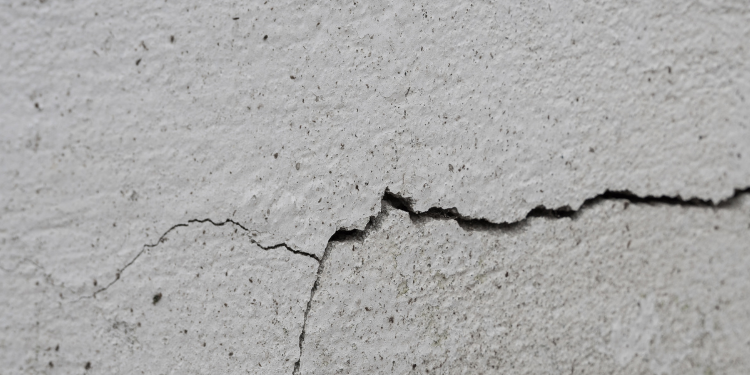
Last summer in Dallas, a homeowner noticed small cracks along the concrete foundation wall inside the crawl space. At first, it was easy to ignore, but the cracks seemed to widen after heavy rain. Soon, the crawl space felt consistently damp, and the air carried a musty smell when the entry hatch was opened.
Cracks can be a symptom of movement, but they can also become a pathway for moisture. When water gets into the crawl space, it can accelerate deterioration and worsen the conditions that allow cracks to keep developing. This guide helps you understand what those crawl space signs may mean, what to check first, and how professional foundation crack repair can help protect the structure.
- Quick answer
- What to check first
- Main things customers should understand
- Why this matters in Dallas, TX
- Common mistakes to avoid
- Customer checklist
- Frequently asked questions
Quick Answer
If crawl space signs include foundation cracks plus dampness, the best next step is to have a professional assess the cause, not just patch the visible crack. Foundation crack repair can stabilize the affected concrete surface and help reduce water intrusion, but it only works long-term when the underlying issue is addressed. For Dallas homeowners, moisture control matters just as much as structural crack sealing. After an inspection, choose a repair approach that matches the crack type and supports a dry, stable crawl space environment.
What to Check First
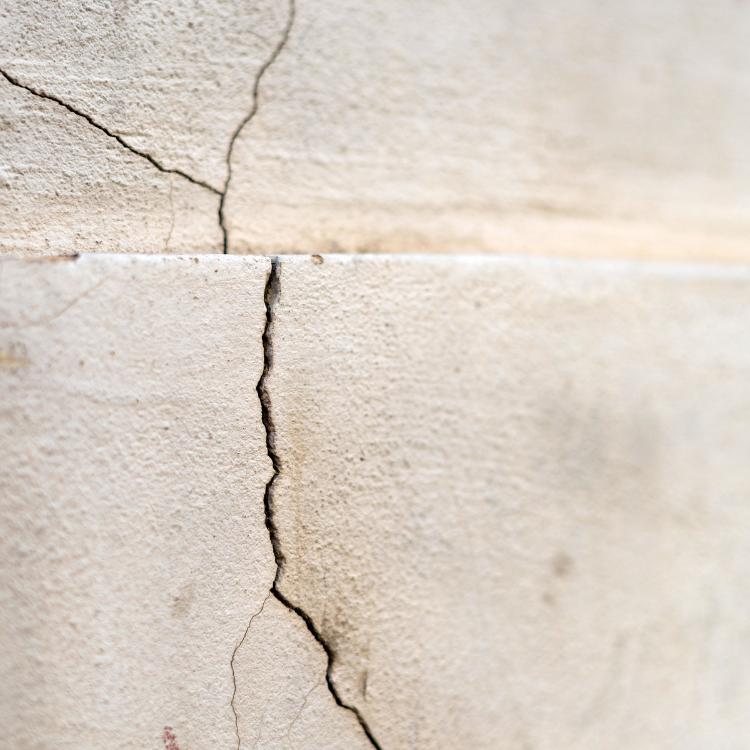
Before you schedule any work, do a careful, low-risk inspection from inside the crawl space. You are looking for patterns that point to moisture intrusion, active movement, or both. Start with the foundation wall cracks themselves, then check the surrounding conditions that could be feeding water.
1) Crack behavior
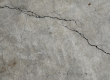
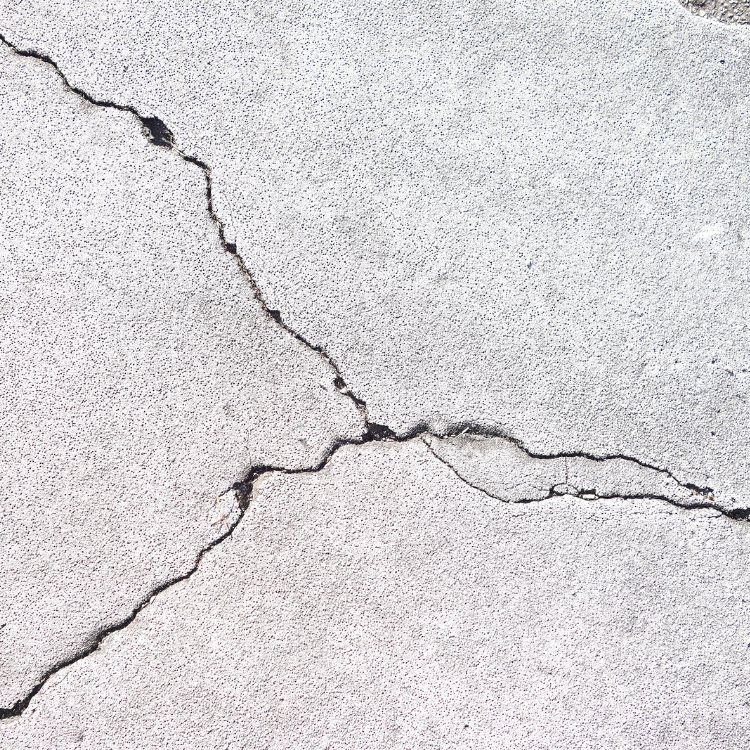
Note whether cracks appear stair-stepped, vertical, or horizontal. Look for changes after rain, and compare crack widths along the same line.
2) Evidence of moisture
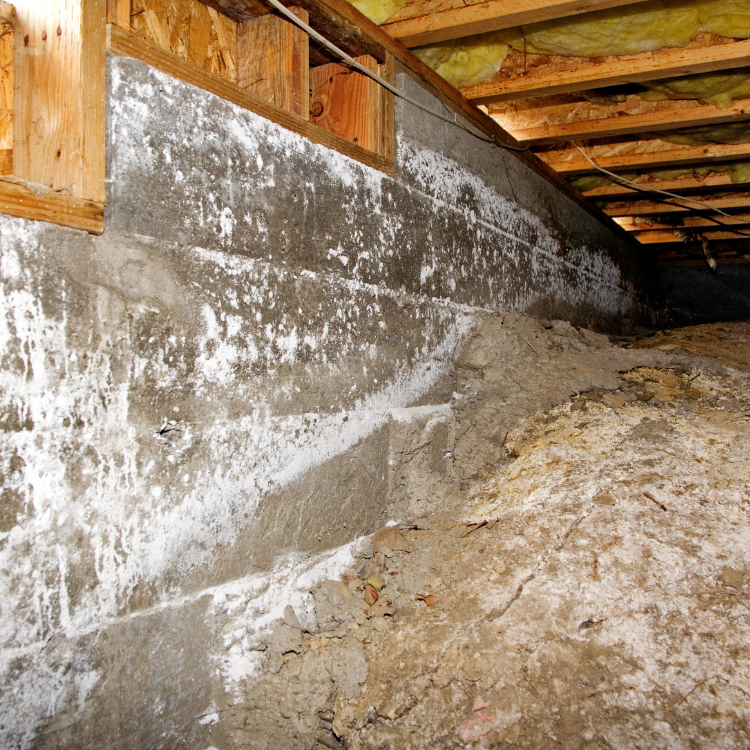
Check for damp concrete, dark staining, and standing water. Even small seepage can increase the pace of deterioration.
3) Crawl space airflow and vents
If your crawl space has vents that allow humid air in, that can raise moisture levels. Consider whether ventilation strategy matches local conditions.
If you are specifically dealing with crawl space moisture, you may also want to review foundation ventilation as part of the same overall plan. Foundation crack repair and crawl space conditions often need to be addressed together for consistent results in Dallas.
Main Things Customers Should Understand
Foundation crack repair is not a one-size-fits-all job. The goal is to restore the concrete surface where it has cracked and to reduce the pathways that allow water to enter. In many crawl space situations, the repair plan also supports moisture control so the crack does not return under ongoing damp conditions.
Professional observation: When cracks show up along with dampness in a crawl space, homeowners typically have two issues happening at once: concrete movement or stress, plus water finding an opening. A repair that only covers the visible crack without addressing moisture control often underperforms over time.
How crack repair connects to crawl space damage
Cracks can compromise the foundation wall’s ability to resist water pressure and seepage. Once moisture penetrates, it can contribute to repeated wetting and drying cycles. Over time, that can worsen surface spalling, increase staining, and make it harder to keep the crawl space dry.
Sealing vs. structural repair
There is a difference between sealing a crack and performing structural foundation repair. Sealing helps manage water intrusion and can improve the concrete barrier at the crack location. Structural repair is considered when the crack is tied to movement that needs stabilization. A professional inspection helps determine which approach is appropriate for your foundation crack repair needs.
| What you notice in the crawl space | What it can indicate | Common repair focus |
|---|---|---|
| Hairline cracks with no damp staining | Minor surface stress or aging | Targeted crack sealing and monitoring |
| Cracks with dark staining or dampness | Moisture intrusion along the crack path | Foundation crack repair services that prioritize moisture control |
| Cracks that widen after rain or show uneven change | Ongoing stress or movement | Structural foundation repair specialists to address the underlying cause |
| Multiple crack lines or shifting patterns | Wider structural stress distribution | Structural crack repair contractor evaluation and coordinated repair plan |
If your crack repair plan includes keeping water away from the foundation, you may want to explore drainage correction as well. Even well-executed concrete foundation crack repair can struggle if surface water keeps directing toward the crawl space.
Why This Matters in Dallas, TX
Dallas properties often face cycles of heavy rain followed by warmer, drying periods. That pattern can intensify the impact of crawl space moisture, because damp concrete and humid air can work together to keep conditions ideal for continued deterioration. In many Dallas crawl spaces, the foundation crack repair conversation naturally connects to moisture control crawl space repair strategies and a dry crawl space environment.
Local tip for Dallas homeowners: After storms, re-check crawl space access areas for damp odors and new staining. If the change is noticeable after rain, it is a strong sign that moisture pathways and crack sealing need to be evaluated together.
Common Mistakes to Avoid
Homeowners sometimes choose quick fixes that do not address the underlying cause. That can lead to repeat cracking, persistent dampness, and extra cleanup later. Here are a few common mistakes we see when crawl space signs are ignored or treated incorrectly.
- Only patching the surface without identifying the cause. If water intrusion or movement continues, the same crack can reappear.
- Assuming “dry to the touch” means “dry inside.” Crawl spaces can hold moisture even when visible wetness is minimal.
- Using mismatched materials for the crack type. Concrete foundation crack repair needs an approach that fits the crack behavior and environment.
- Skipping crawl space encapsulation services when humidity is high. Moisture control encapsulation systems can be part of a complete plan.
- Waiting until cracks become larger and more widespread. Early attention helps keep repairs focused and reduces the chance of additional damage.
Customer Checklist
Use this checklist before and after you schedule professional work. It helps you communicate clearly with your contractor and confirms you are getting a plan that addresses both the crack and the crawl space conditions behind it.
Checklist goal: Match the repair method to the crack behavior and the moisture conditions in your Dallas crawl space.
- Record when you first noticed the crack and whether it changed after rain.
- Note any damp staining, standing water, or recurring musty odor.
- Take a simple written inventory of crack locations (crawl space wall sections, corners, and lengths).
- Ask whether the plan is primarily crack sealing, structural foundation repair, or both.
- Discuss moisture control options such as crawl space encapsulation services or full crawl space sealing and insulation (as recommended after inspection).
- Confirm how drainage correction will be handled if water is suspected near the foundation perimeter.
A representative Dallas crawl space scenario
Consider a typical Dallas home where the crawl space access is limited and the foundation wall cracks are visible mostly along the lower portion of the concrete. The homeowner notices dampness after storms and sees staining that grows darker over a few weeks. After inspection, the repair focus includes foundation crack repair that addresses water intrusion pathways. The plan also considers moisture control steps so the area stays drier between rain events.
In cases like this, the most practical outcome comes from pairing concrete foundation crack repair with a crawl space strategy. That is where professional structural foundation repair specialists help homeowners avoid repeating the same cycle of dampness and cracking.
Need help identifying whether your crawl space cracks are structural, moisture-related, or both?
Elite Foundation Repairs serves Dallas, TX and nearby areas. If you are seeing crawl space signs like cracking plus dampness, reach out so the right repair plan can be matched to your home.
Contact Elite Foundation RepairsFrequently Asked Questions
Can foundation crack repair stop crawl space dampness?
Foundation crack repair can help reduce moisture intrusion if the crack is acting as a pathway for water. However, dampness in a crawl space can also come from other sources such as crawl space airflow, humidity, and nearby water directing toward the foundation. A professional inspection helps determine whether crack sealing alone is sufficient or whether moisture control steps should be included alongside the repair plan in Dallas.
What is the difference between concrete foundation crack repair and structural foundation repair?
Concrete foundation crack repair focuses on treating the cracked concrete surface and limiting water entry at the crack location. Structural foundation repair addresses movement or stress that is causing or worsening the crack pattern. If cracks widen after rain or multiple crack lines show changing behavior, structural repair may be necessary. Your repair plan should match what the inspection confirms about crack behavior and crawl space conditions.
Should I seal cracks myself before calling a professional?
DIY crack sealing can delay the issue if the underlying cause is moisture intrusion or ongoing structural stress. In crawl spaces, dampness can reintroduce water into the same opening. Instead of patching first, it is usually better to document what you see, note whether it changes after rain, and have a professional assess the crack type and conditions. That helps ensure the repair method fits the problem.
How do crawl space encapsulation systems relate to foundation crack sealing?
Crawl space encapsulation services and moisture control encapsulation systems focus on creating a drier crawl space environment by managing humidity and limiting moisture transfer. Foundation crack repair targets specific openings in the concrete barrier. When both are needed, the combination can support long-term crawl space dryness and reduce the chance of recurring dampness. Your contractor can recommend full crawl space sealing and insulation steps based on what the inspection shows.
What crawl space signs should make me schedule an inspection in Dallas?
Schedule an inspection if you notice foundation crack repair signs like cracks with damp staining, musty odors, or changes after heavy rain. Also pay attention to recurring moisture on concrete surfaces and any shift in crack width over time. In Dallas, the wet-to-dry cycles can make moisture pathways more noticeable. Early evaluation helps keep repairs targeted to the actual cause.
Schedule an evaluation with a local foundation repair contractor
If your crawl space shows cracks plus moisture, Elite Foundation Repairs can help identify the right next steps for foundation crack repair and moisture control. Serving Dallas, TX and surrounding areas.
(214) 856-9634
Elite Foundation Repairs provides professional foundation repair company services focused on residential foundation repair contractor solutions for crawl space issues, including foundation crack repair services and related moisture control approaches. Based in the Dallas area, the team supports homeowners and property owners with structural foundation repair specialists and local foundation repair experts who evaluate crawl space conditions and connect the right repair methods to the observed damage.
You can learn more about how different components work together by exploring foundation repair services, reviewing sloping floor foundation repair if floors have shifted, and considering retaining wall installation services when site grading and retaining needs are involved.