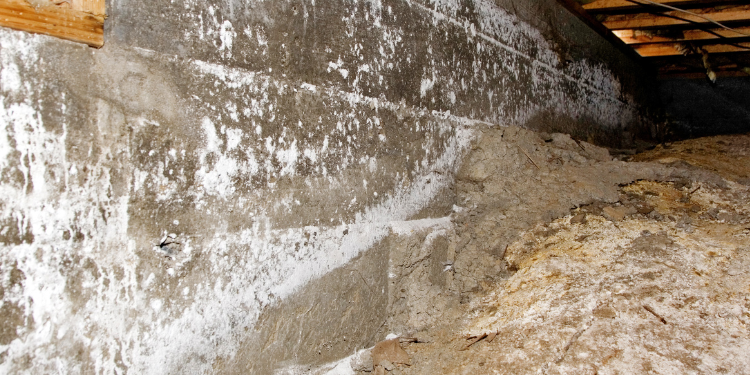
Signs Your Crawl Space Needs Urgent Repair Fast
If your Dallas home’s crawl space is letting in moisture, losing support, or trapping humidity, the problems can spread into floors, walls, and even your foundation. This guide helps you recognize the warning signs early, understand what to check, and choose next steps that protect your property.
Your floors feel a little uneven, doors stick in their frames, and you are noticing musty air when you go into the crawl space. Then you see damp spots on the ground and maybe a lingering odor that does not go away after a few dry days. In a Dallas, TX home, that combination is often more than a nuisance. It can be a sign your crawl space is actively undermining structural stability and accelerating foundation issues.
This guide walks you through the most urgent crawl space warning signs homeowners overlook, what they typically lead to, and how to prioritize repairs. You will also find a practical checklist you can use before you schedule a site visit with a professional foundation repair company in the Dallas area.
- Quick answer
- What to check first
- Main things customers should understand
- Why this matters in Dallas, TX
- Common mistakes to avoid
- Customer checklist
- Frequently asked questions
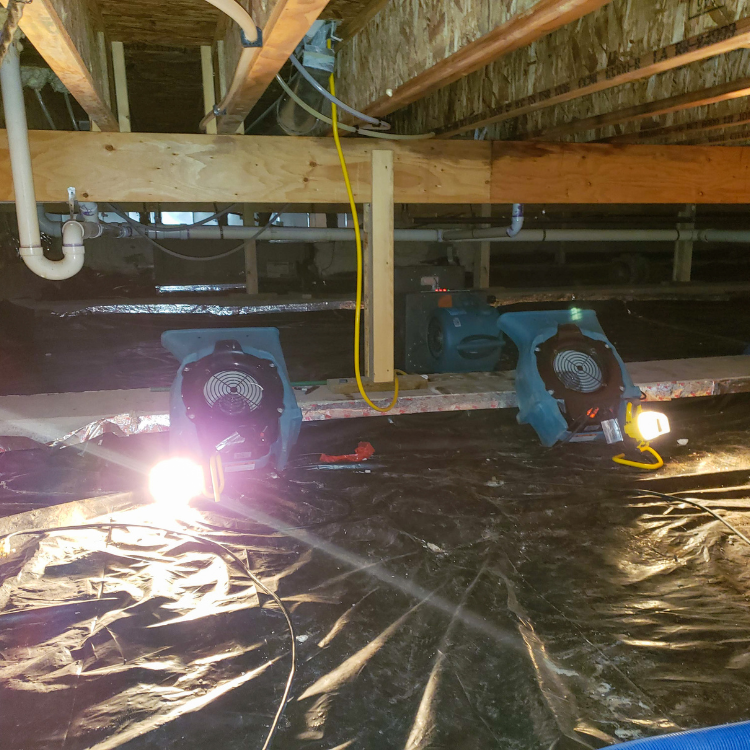
Quick Answer
If you see standing water or recurring dampness, sagging supports, visible moldy growth, or worsening floor and door alignment, treat it as urgent and get a crawl space repair inspection. Start by checking for moisture sources, drainage issues, and signs of structural movement. In Dallas, TX, where humidity and rainfall patterns can intensify crawl space problems, delaying repairs often lets moisture control fail and structural cracks expand. Your best next step is to contact a professional crawl space structural repair company to assess both moisture control and foundation repair needs, then prioritize the fixes that address the root cause.
What to Check First
Before you assume it is “just moisture,” focus on observations that connect crawl space conditions to structural foundation repair. Crawl spaces can hide problems under insulation, behind vents, or beneath debris, so you want a short, methodical check that helps you decide what needs immediate attention.
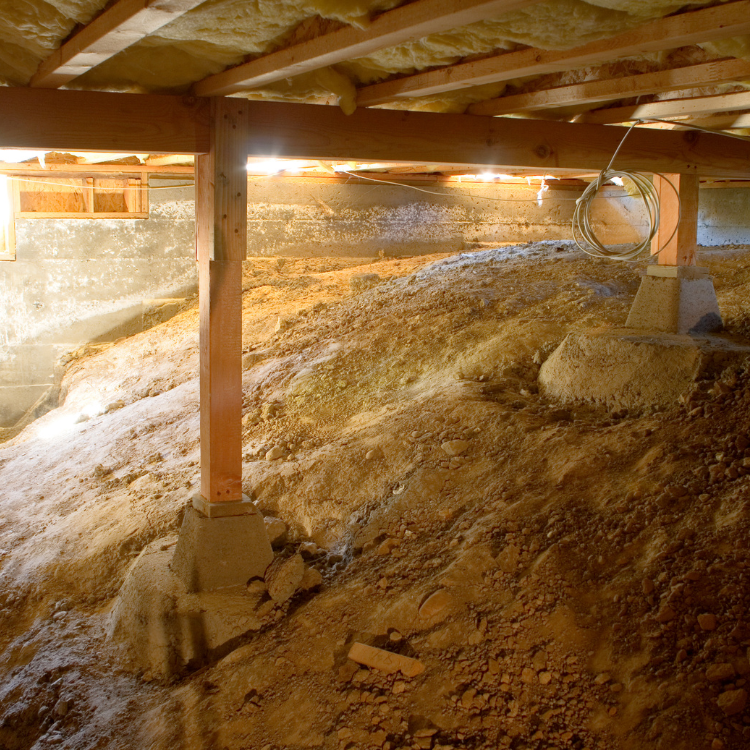
Moisture and standing water
Look for damp soil, puddling, condensation on surfaces, and any recurring wet spots after rain. If moisture returns quickly, you likely need drainage correction and crawl space moisture control.
Sagging or compromised supports
Check for bowing, unusual movement, rot, or shifted piers and beams. Structural foundation repair specialists typically address support stability alongside moisture control crawl space repair.
Air quality and vapor conditions
Notice musty odors, visible growth, and excessive humidity. Crawl space encapsulation services and vapor barrier crawl space encapsulation can reduce moisture and help protect the structure.
Main Things Customers Should Understand
Crawl space problems usually show up in layers. Moisture creates conditions for rot and mold, and that can weaken wood elements and worsen how the foundation performs over time. Foundation crack repair services can become necessary when structural foundation repair and moisture control do not happen together.
Professional observation: When crawl space moisture is persistent, the repair plan should address both water management and structural stability. Fixing only one side often leaves the other problem to keep triggering new damage.
Here are the major factors to consider when you suspect your crawl space needs urgent repair:
1) Moisture is not going away on its own
If the ground remains damp, you see condensation, or the crawl space feels humid long after rain passes, the issue is often drainage correction, airflow control, or a need for full crawl space sealing and insulation. Moisture control encapsulation systems can help keep crawl spaces drier and more stable.
2) Humidity can connect to foundation symptoms
In many homes, crawl space moisture contributes to conditions that affect floors and walls. That can show up as sticking doors, uneven tile, or small changes in how rooms “feel.” While foundation crack repair services target cracks, a structural crack repair contractor approach considers the crawl space conditions that influence movement and stress.
3) Vents and airflow are not always the solution
Some homeowners increase ventilation thinking it will dry the area. But if water is entering or the crawl space is not sealed properly, airflow alone can spread humidity and make the environment harder to control. This is why professional foundation ventilation planning matters. For details, you can review foundation ventilation solutions.
4) Structural movement can be visible before it becomes obvious upstairs
People often notice floors first, but in many cases, supports are failing or shifting in the crawl space. A crawl space structural repair company will look for changes in support alignment and evaluate how those conditions connect to the foundation itself.
Decision-focused tip: If you are seeing both moisture and structural warning signs, prioritize repairs that stop water entry and stabilize supports. That sequencing helps prevent repeated damage and reduces the chance of “patch and repeat” fixes.
5) Related issues can point to foundation repair scope
Some crawl space conditions overlap with other foundation problems. If your property also has signs of sloping floors, you may need sloping floor foundation repair in addition to crawl space remediation. If the perimeter has retaining wall concerns, review retaining walls because wall performance and drainage can influence crawl space moisture and site stability.
| Urgent sign you might notice | What it often points to | Common repair direction to discuss |
|---|---|---|
| Standing water or repeating dampness | Water intrusion, drainage breakdown, or ineffective moisture control | Drainage correction and moisture control crawl space repair |
| Musty odor or visible growth | High humidity and poor vapor control conditions | Crawl space encapsulation services and vapor barrier crawl space encapsulation |
| Sagging beams or compromised supports | Structural instability that can stress the foundation | Crawl space structural repair company evaluation and structural foundation repair specialists |
| New or worsening crack patterns | Movement stress continuing in the foundation system | Structural crack repair contractor approach such as concrete foundation crack repair or basement and foundation crack sealing |
Why this matters in Dallas, TX
Dallas, TX homes often face seasonal swings that can make crawl spaces feel unpredictable. After rain events, moisture can collect around the perimeter, and in humid stretches it can linger under the home. That is why local foundation repair services should treat crawl space moisture control as part of the overall structural foundation repair plan, not as a separate “comfort” project. When crawl spaces stay damp, homeowners may see recurring symptoms like odor, humidity, and floor changes that come back even after surface-level cleaning.
If your crawl space is in Dallas and you are noticing moisture plus any sign of settlement or misalignment, it is a strong reason to request an inspection sooner rather than later. A professional residential foundation repair contractor will typically evaluate how drainage, crawl space conditions, and foundation performance connect, then recommend a repair path that fits your property.
Get clarity on crawl space repairs for your Dallas home
If you are seeing dampness, musty odors, or signs of structural stress, contact Elite Foundation Repairs to discuss what your crawl space needs most.
Contact Elite Foundation RepairsCommon Mistakes to Avoid
Homeowners usually try to solve crawl space issues with quick fixes. Those solutions can help temporarily, but they can also delay the root repair and allow structural problems to progress. Here are common mistakes to avoid when your crawl space shows warning signs.
1) Treating moisture as a one-time cleanup
Cleaning alone does not stop water entry or humidity conditions. Without drainage correction and moisture control, dampness returns.
2) Only focusing on foundation cracks
Foundation crack repair services can address visible cracks, but if crawl space vapor conditions keep fueling movement stress, the problem can continue.
3) Adding ventilation without sealing
More airflow can spread humidity through the crawl space. A full crawl space sealing approach often works with encapsulation systems to keep conditions stable.
Practical reminder: When you schedule a professional crawl space repair evaluation, ask how the plan addresses both moisture control and structural stability. If the approach only covers one, you might be paying for repeated repairs.
Customer Checklist
Use this checklist before and during your crawl space inspection. It helps you communicate what you are seeing and helps a residential crawl space restoration professional prioritize the most urgent items.
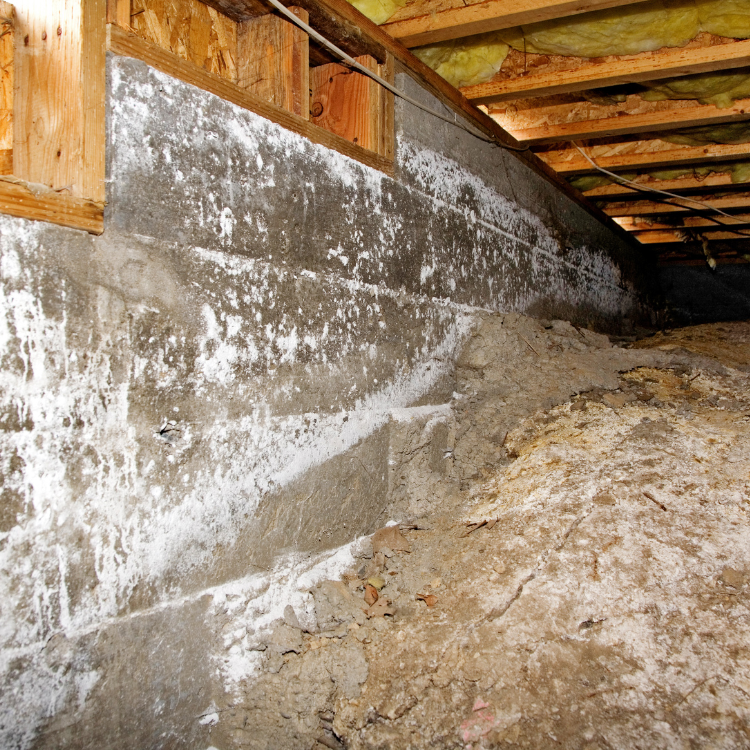
- Note when dampness, odor, or condensation is worst (after rain, during humid stretches, or year-round).
- Watch for standing water, wet soil, and water staining on crawl space walls or supports.
- Check for sagging beams, shifted supports, or wood that looks soft or decayed.
- Look for signs of moldy growth or persistent musty smell in the crawl space.
- Record any floor changes: uneven surfaces, new squeaks, or doors that stick more than before.
- Identify any visible crack areas in the foundation and note whether they are expanding over time.
- Ask whether moisture control encapsulation systems and crawl space sealing are part of the plan.
- Discuss whether drainage correction is needed around the home’s perimeter.
Representative scenario: a “small” moisture issue that turned structural
A Dallas homeowner noticed a musty smell near the crawl space access after rainy weeks. At first, they cleaned the visible surface area and opened vents, assuming the issue would pass. Over the next months, they observed damp soil returning quickly and slight floor unevenness in one room. When a professional inspection reviewed the crawl space, the team focused on moisture control first and evaluated structural stability. The final repair direction treated crawl space sealing and moisture control as part of the overall foundation repair strategy, helping stop recurring conditions instead of chasing symptoms room by room.
Frequently Asked Questions
What are the most urgent signs my crawl space needs repair right now?
The most urgent signs are recurring dampness or standing water, visible moldy growth or persistent musty odor, and structural concerns like sagging supports or noticeable movement. If you also see worsening floor unevenness or new foundation crack activity, treat it as more than a cosmetic problem. In Dallas, where humidity and rainfall can make crawl spaces unpredictable, addressing moisture control and structural stability sooner helps reduce the chance of continued damage.
Will crawl space encapsulation help even if I do not see standing water?
Encapsulation can still be helpful when humidity is elevated, even without puddles. Many crawl spaces have vapor and moisture conditions that persist under the home, especially after rain. A professional evaluation can confirm whether you need moisture control encapsulation systems, a vapor barrier crawl space encapsulation approach, or full crawl space sealing and insulation. The goal is to create a more stable environment so structural elements and the foundation system are less exposed to moisture-related stress.
Should I focus on foundation crack repair services or crawl space repair first?
In many cases, crawl space repair should be prioritized when moisture conditions are driving ongoing stress. Foundation crack repair services can address visible cracks, but if water intrusion or high humidity continues, cracks may keep changing. A professional plan typically connects moisture control crawl space repair with structural foundation repair so both the symptoms and the cause are addressed. If you want the most practical sequence for your home, ask how the plan ties crawl space conditions to your foundation performance.
Can drainage correction around the home reduce crawl space problems?
Yes. If moisture is entering the crawl space from the perimeter, drainage correction is often part of the repair direction. Proper water management helps reduce damp soil and recurring wet spots after rain. When drainage correction is paired with moisture control strategies like sealing and encapsulation, homeowners often see more consistent crawl space conditions over time. During your inspection, discuss what water sources are present and whether the perimeter needs adjustments as part of the overall foundation repair services plan.
What should I ask a residential crawl space restoration contractor during an inspection?
Ask what they believe is the root cause of the moisture and structural concerns, how they plan to stop water intrusion, and whether crawl space encapsulation services or full crawl space sealing and insulation are recommended. Also ask how they evaluate structural stability so the repair addresses both crawl space conditions and foundation performance. If your home has signs like sloping floors or perimeter wall concerns, ask whether related services like sloping floor foundation repair or retaining walls are part of the overall scope.
Ready to protect your crawl space and foundation?
If you are seeing moisture, odor, or structural warning signs in your Dallas, TX crawl space, Elite Foundation Repairs can help you understand what is happening and what should be addressed first.
(214) 856-9634About Elite Foundation Repairs
Elite Foundation Repairs is a local foundation repair company serving Dallas, TX & surrounding areas. Our focus is on practical crawl space repair services and structural foundation repair solutions that address moisture control and foundation stability together. If your home shows crawl space warning signs like dampness, musty odors, or movement-related symptoms, we help you connect what you are seeing to the right repair direction.

Contact: (214) 856-9634
Website: https://elitefoundationrepairs.com/
Helpful resources: Explore foundation repair services, drainage correction, and foundation ventilation to understand how crawl space conditions connect to long-term stability.