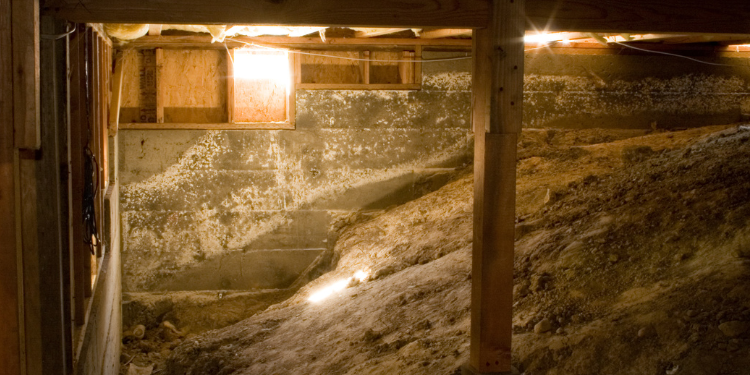
Crawl Space Repair Near Me for Moisture Problems
If your crawl space smells musty, feels damp, or shows signs of condensation and standing moisture, the fix is rarely “just a dehumidifier.” This guide helps Dallas homeowners understand what to check, which moisture-control steps usually come first, and how to choose a professional crawl space repair approach that protects your home’s structure.
A few weeks after heavy rain, you notice it: the crawl space access hatch is harder to open, the area underneath the house feels clammy, and the smell seems to “find its way” into the lower level. You might also see dark spots on the foundation wall or damp insulation near vents.
In Dallas, moisture issues in a crawl space can show up as a mix of condensation, vapor migration from the ground, and water management problems outside the home. This article will help you understand what those signs can mean, what to check first before spending money, and when crawl space encapsulation and related moisture control work makes the most sense.
- Quick answer
- What to check first
- Main things customers should understand
- Why this matters in Dallas, TX
- Common mistakes to avoid
- Customer checklist
- Frequently asked questions
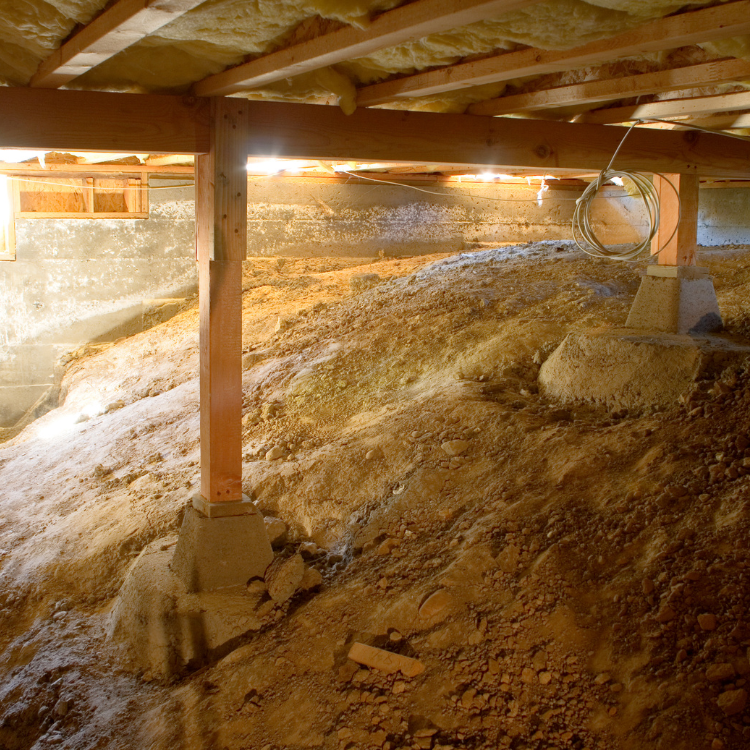
Quick Answer
If you are dealing with dampness, musty odors, or visible moisture in your crawl space, start by identifying where the moisture is coming from: ground vapor, condensation, or water intrusion. Then focus on a system-level response, not a single product. In many homes, moisture control crawl space repair involves sealing vulnerable openings, improving crawl space encapsulation, and addressing drainage correction or foundation-related moisture pathways as needed. The safest next step is to have a professional assess conditions under the home and recommend the right sequence of repairs for your specific situation in Dallas, TX.
What to Check First
Before you call anyone, you can do a quick homeowner check that helps you describe the problem clearly. Look for signs of moisture, growth, and airflow patterns, then note when the issue appears (for example, after rain or during humid summer weeks). This is not a substitute for structural foundation repair or professional crawl space restoration, but it can prevent you from chasing the wrong cause.
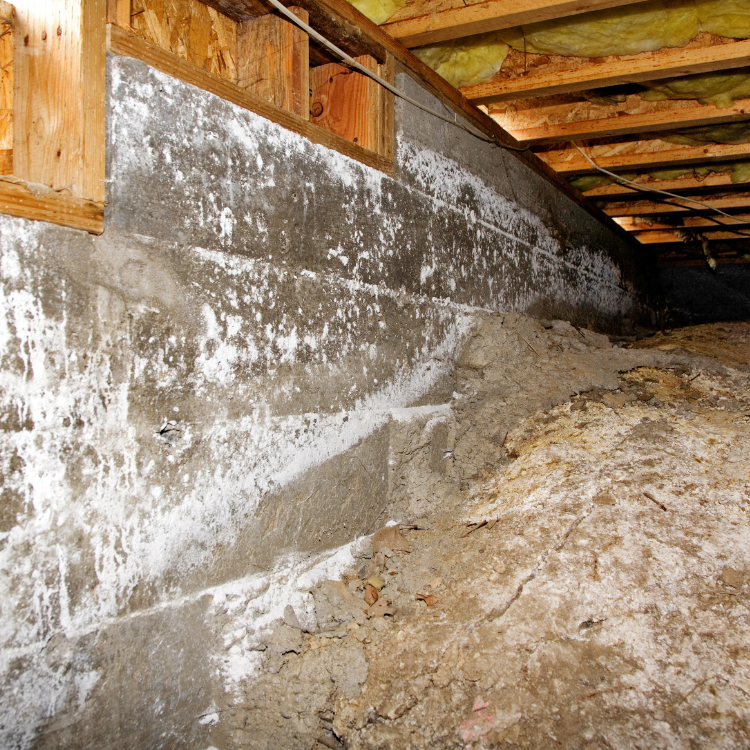
Moisture evidence
Check for damp soil, wet insulation, dark foundation wall staining, or areas that feel cooler and clammy.
Vapor and airflow clues
Observe whether moisture seems worst near vents, openings, or where the crawl space meets the exterior perimeter.
Water management outside
Think about grading, downspout flow, and whether water pools near the foundation after storms.
Professional observation: When moisture shows up repeatedly, the cause is usually a combination of vapor transfer from the ground and water management around the foundation. A good plan addresses both, instead of treating only the symptoms you can see.
Main Things Customers Should Understand
Moisture control crawl space repair is most effective when the work is planned as a system. That means the contractor should consider how water and vapor move through the crawl space, how air circulates, and whether foundation-related issues could be contributing to damp conditions. In practice, crawl space encapsulation services often play a central role, but they are usually paired with other steps depending on what the inspection finds.
| What you may notice | Likely moisture driver | Common repair direction |
|---|---|---|
| Musty odor, dampness across the crawl space floor | Ground vapor migration | Crawl space encapsulation services and vapor barrier crawl space encapsulation to reduce moisture coming up from below |
| Condensation on surfaces, damp insulation near vents | Airflow and humidity imbalance | Full crawl space sealing and insulation plus crawl space ventilation review to manage moisture levels more consistently |
| Water stains on foundation walls after storms | Water management or intrusion pathway | Drainage correction and sealing approaches coordinated with structural foundation repair needs if applicable |
| Recurring damp spots near specific perimeter areas | Localized intrusion or gaps | Targeted sealing, moisture control encapsulation systems adjustments, and addressing any foundation crack repair services that are involved |
If you are also seeing foundation crack repair services like concrete foundation crack repair or structural crack repair contractor work needed, it changes the sequence. Moisture control and structural foundation repair can be connected, because cracks and movement can create pathways for water or humidity. If you are unsure whether your issue is primarily moisture or also structural, ask the contractor to explain what they see and why the chosen plan fits your specific crawl space condition.
Why This Matters in Dallas, TX
In Dallas, TX, crawl space moisture problems tend to become more noticeable during humid stretches and after heavy rainfall. Homes with crawl spaces can trap humidity below the floor, and even when you do not see standing water, vapor can still build up. That is why a residential crawl space restoration plan often focuses on reducing moisture at the source, sealing openings that allow unwanted moisture migration, and supporting consistent humidity control across seasons.
Another local reality is that crawl spaces are commonly connected to the home’s ventilation approach and to the exterior grading around the foundation. If water pools near the perimeter or downspouts discharge too close to the foundation, moisture can keep returning. When moisture keeps coming back, it is usually not because you “did not clean enough.” It is because the underlying moisture pathway remains active.
Need crawl space repair services in Dallas?
Elite Foundation Repairs can help evaluate crawl space moisture problems and recommend the right moisture control crawl space repair approach for your home.
(214) 856-9634Common Mistakes to Avoid
Homeowners often try a quick fix first, but moisture behaves like a system. If you only address one symptom, the problem may return. Below are common missteps that can make crawl space structural repair company work more complicated later.
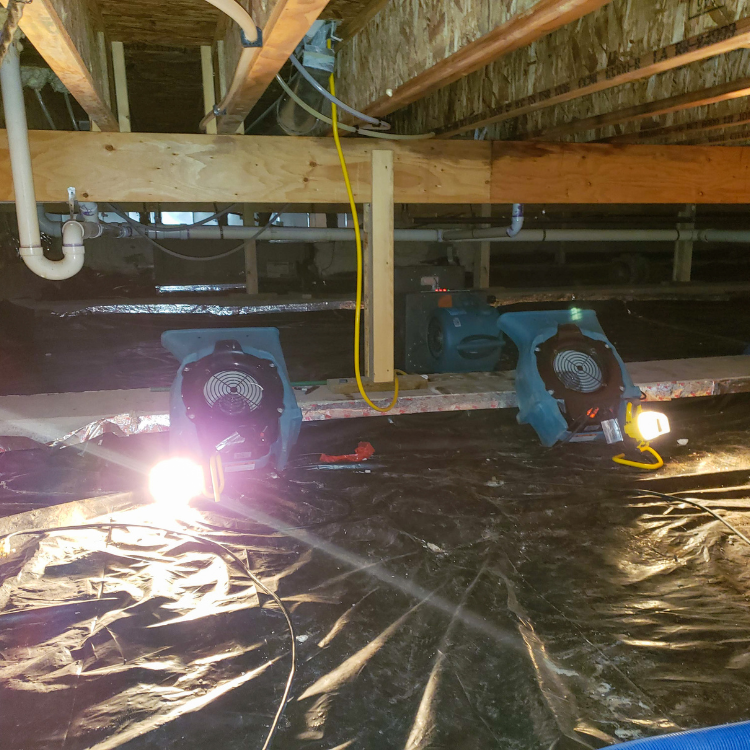
- Using a dehumidifier without addressing the source. If ground vapor or water management issues continue, humidity can rebound.
- Encapsulating without checking for leaks and pathways. Sealing materials help, but they need a proper plan for how moisture is entering or moving.
- Ignoring foundation crack repair services when cracks are active. Concrete foundation crack repair and structural crack repair contractor work may be necessary to reduce moisture pathways.
- Focusing only on the crawl space floor. Crawl space sealing and insulation often needs to include walls, openings, and the areas where air and vapor can travel.
- Assuming ventilation fixes everything. Ventilation strategies can help in certain designs, but moisture control usually requires coordinated sealing and humidity management.
Customer Checklist
Use this checklist before and during your conversations with a professional crawl space repair contractor. It helps you confirm the scope, understand the sequence, and avoid mismatched solutions.
Action checklist: Take these questions with you to your inspection.
- What moisture sources are most likely in my crawl space (vapor from the ground, condensation, or water intrusion)?
- Do you recommend vapor barrier crawl space encapsulation, full crawl space sealing and insulation, or a combined moisture control encapsulation system?
- Are there crawl space openings or ventilation details that need adjustment as part of the plan?
- Do you see any signs that require foundation crack repair services, basement and foundation crack sealing, or related structural repair coordination?
- Would drainage correction around the home be part of the solution for my situation?
- What sequence will you follow so the moisture control steps support each other instead of working against each other?
Frequently Asked Questions
How do I know if my crawl space moisture problem is condensation or ground vapor?
Homeowners usually notice condensation as dampness on surfaces and a cooler, clammy feel, while ground vapor tends to show up as widespread dampness that correlates with the crawl space floor and perimeter. However, the most reliable way to distinguish the source is through an inspection that looks for where moisture is appearing, how it is distributed, and whether openings or exterior water management are contributing. A professional moisture control crawl space repair plan should explain what they observed and why their recommended approach fits those findings.
Is crawl space encapsulation the right first step for moisture problems?
Crawl space encapsulation services are often a key part of moisture control, especially when vapor migration is contributing. That said, encapsulation works best when the contractor confirms the moisture pathways and coordinates the plan with sealing, insulation, and any related drainage correction or foundation crack repair services that may be involved. If water intrusion is occurring during storms, encapsulation alone may not stop the problem. A professional crawl space restoration plan should address both vapor and water management so the system can perform consistently.
What signs suggest I may need more than moisture control?
If you see active-looking foundation cracking, shifting patterns, or dampness that repeatedly tracks along specific foundation areas, moisture control may need to be paired with structural foundation repair. Concrete foundation crack repair and basement and foundation crack sealing can be part of a broader approach when cracks create pathways for humidity or water. In some cases, sloping floor foundation repair or other structural foundation repair specialists may be involved depending on what the inspection shows. The goal is to treat the root cause, not only the symptoms.
Can drainage correction outside the home affect crawl space moisture?
Yes. If water pools near the foundation after rain or downspouts discharge too close to exterior walls, moisture can find pathways into the crawl space area. That is why drainage correction is commonly part of a complete moisture control plan. Even with encapsulation, consistent exterior water management helps reduce the amount of moisture that reaches the foundation perimeter. If you are seeing foundation wall staining or recurring damp spots after storms, ask your contractor how exterior drainage will be addressed in the sequence of crawl space repair services.
What should I ask a professional crawl space repair contractor before work begins?
Ask what moisture sources are most likely and what observations lead them to that conclusion. Then ask whether the plan includes crawl space encapsulation services (like vapor barrier crawl space encapsulation), full crawl space sealing and insulation, and any ventilation-related adjustments. If there are visible cracks or dampness tied to foundation areas, ask whether basement and foundation crack sealing or other foundation crack repair services should be included. Finally, ask for the sequence so moisture control steps support each other, especially in Dallas, TX where humidity and rainfall patterns can change season to season.
Get a practical crawl space repair plan in Dallas, TX
When moisture keeps returning, you need a plan that targets the cause. Elite Foundation Repairs helps homeowners with crawl space encapsulation services and coordinated moisture control repair for homes across Dallas and surrounding areas.
Visit Elite Foundation Repairs
About Elite Foundation Repairs
Elite Foundation Repairs is a local foundation repair company serving Dallas, TX and nearby areas. Their team focuses on crawl space repair services and moisture control crawl space repair, with solutions that can also connect to foundation crack repair services and structural foundation repair specialists when needed.
If your crawl space moisture problem is affecting comfort, odors, or the condition of your home’s lower areas, contact Elite Foundation Repairs to discuss residential crawl space restoration options.
Crawl space ventilation support | Drainage correction | Foundation repair services
A representative scenario (Dallas homeowner)
Imagine a Dallas, TX homeowner who notices damp insulation and a persistent musty odor that gets worse after storms. The crawl space does not show major standing water every day, but the perimeter walls look darker during humid weeks, and the floor feels colder and clammy. After an inspection, the plan is built around moisture control: sealing openings, improving full crawl space sealing and insulation, and using moisture control encapsulation systems to reduce vapor intrusion. Because the dampness correlates with rainy periods, drainage correction around the exterior perimeter is also addressed so moisture is less likely to reach the foundation area.
In situations like this, a coordinated approach helps keep the home drier, rather than repeatedly treating the same symptom. If you suspect your crawl space moisture problem is similar, a professional assessment can clarify which steps are most appropriate for your property.