
Crawl Space Encapsulation Near Me for Moisture Control
If your crawl space smells musty, feels damp, or shows signs of condensation, crawl space encapsulation can help you manage moisture where it starts. This guide explains what to check, what “good” looks like, and how to decide on a moisture-control approach for homes in Dallas, TX.
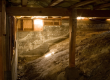
After a heavy rain, you notice it again. The floors feel colder than usual, and there’s that damp, musty odor that seems to drift out from under the house. You might also see small wet spots on posts, staining on the crawl space walls, or rust along metal components.
Many homeowners try to fix the symptoms by running fans or dehumidifiers. But crawl spaces can keep collecting moisture through the dirt floor, humid air, and condensation on cooler surfaces. This guide helps you understand how crawl space encapsulation services work, what to inspect before work begins, and what to ask a local, professional foundation repair company in Dallas, TX.
- Quick answer
- What to check first
- Main things customers should understand
- Why this matters in Dallas, TX
- Common mistakes to avoid
- Customer checklist
- Frequently asked questions

Quick Answer
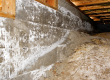
Crawl space encapsulation is a moisture-control approach that seals the crawl space and reduces how water vapor enters from the ground and humid air. In most Dallas homes, the most practical first step is to address the crawl space’s moisture pathways, not just surface dampness. Look for signs of ongoing condensation, standing moisture, or a dirt floor that is letting vapor rise. A professional crawl space repair contractor can assess conditions and help you choose the right full crawl space sealing and insulation approach for your structure and airflow needs.
What to Check First
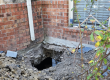
Before anyone talks about sealing, start by confirming what type of moisture problem you have. Crawl spaces can collect moisture from the soil, from humid outdoor air, or from water intrusion caused by drainage issues nearby. Walk the perimeter and note whether downspouts discharge too close to the foundation or if grading slopes toward the house.

Ground moisture clues
Check for a dirt floor, dark patches on the crawl space walls, or dampness that returns after rains.
Condensation clues
Look for water on cooler surfaces, musty odors, or repeated dampness even without obvious leaks.
Airflow and access clues
Observe vents, blocked vents, and whether the crawl space is staying humid between seasons.
Also pay attention to the foundation area itself. Sometimes moisture problems and foundation repair needs show up together, especially when water management is inconsistent around the home. If you suspect foundation movement or cracking, review foundation repair services so you can separate structural issues from moisture-only concerns.
Main Things Customers Should Understand
Encapsulation is not just “putting plastic down.” A quality crawl space encapsulation services approach usually includes correcting conditions first, then sealing the crawl space effectively and consistently. The goal is to reduce moisture intrusion and create a more stable environment under the home.
Professional observation: Crawl spaces often look “mostly dry” until you notice the smell, the recurring humidity, or the way dampness returns. That pattern usually means moisture is moving through the crawl space envelope, not just a one-time splash or leak.
Scope of sealing and moisture control
When you’re comparing professional crawl space repair contractor options, ask what’s included in the full crawl space sealing and insulation approach. A thorough plan typically addresses the dirt-to-air pathway, wall and perimeter sealing points, and how the system manages vapor over time. If you have existing moisture control measures, the plan should still account for how vapor barrier crawl space encapsulation ties into your crawl space layout.
Air management and ventilation decisions
Moisture control depends on how the crawl space is allowed to exchange air. Some homes may need a different strategy than others, depending on existing vents, humidity patterns, and how the crawl space is configured. A residential crawl space restoration plan should explain how it will manage humidity without creating new problems.
Foundation-related moisture pathways
Water can enter near the foundation when drainage is off. That’s why moisture control and drainage correction often overlap. If you’re noticing dampness that follows storms, consider reviewing drainage correction as part of a complete plan, especially when surface grading or water discharge routes appear questionable.
| Approach | What it addresses | What to watch for | Best fit when… |
|---|---|---|---|
| Full crawl space sealing and insulation | Vapor movement and moisture pathways from below and around the crawl space | Sealing details at edges and penetrations, plus how humidity is managed | You have recurring dampness, musty odors, or condensation patterns |
| Dehumidifiers/fans only | Humidity inside the crawl space, without stopping entry | Moisture may keep returning, increasing ongoing maintenance needs | You need short-term symptom relief while addressing entry points |
| Drainage-focused improvements | Surface water behavior around the home | Water may still enter through vapor pathways if sealing is incomplete | Moisture spikes after storms and perimeter water routes appear off |
Why This Matters in Dallas, TX
Dallas homes often experience humid stretches that can drive condensation under the house, especially when crawl space surfaces stay cooler than the air. When that happens, moisture can collect even if you do not see a dramatic leak. That’s one reason moisture control encapsulation systems are commonly discussed alongside crawl space repair services.
In the Dallas area, crawl spaces are also frequently affected by how the property drains after rainfall. If downspouts or grading bring water toward the foundation, the crawl space can stay damp for longer than you’d expect. If you’re noticing moisture after rain events, pairing encapsulation with a plan for drainage correction can make the overall solution more consistent.
Local homeowner tip: If the damp smell and humidity return soon after you run a dehumidifier or fan, that’s a signal the moisture source may still be entering the crawl space. Encapsulation is meant to reduce that ongoing entry.
Need crawl space encapsulation guidance in Dallas, TX?
Elite Foundation Repairs can help you evaluate moisture control options for your crawl space and connect the right solution to your foundation and drainage needs.
Contact Elite Foundation RepairsCommon Mistakes to Avoid
Homeowners commonly focus on the most visible symptom and miss the entry pathway. That’s where moisture-control plans often succeed or fail.
Treating symptoms without sealing
Running equipment without addressing vapor barriers and perimeter sealing can lead to recurring dampness.
Ignoring drainage around the foundation
If water routes are pushing moisture toward the foundation, encapsulation alone may not feel “complete.”
Skipping a crawl space ventilation review
Some homes need an informed approach to vents and humidity control so you do not create a new condensation pattern.
Another mistake is overlooking foundation ventilation. If your crawl space design includes vents or airflow components, it helps to understand how your setup affects moisture. If you are also seeing signs that air is not behaving as expected, you may find it useful to review foundation ventilation as part of your planning.
Customer Checklist
Use this checklist to keep your conversations organized and to help you compare options among local foundation repair professionals.

- Document when moisture is worst (after rain, seasonally, or year-round) and where it shows up first.
- Check whether the crawl space has a dirt floor, visible dampness, or persistent musty odor.
- Look at the crawl space perimeter for signs of water management issues near downspouts and grading.
- Confirm what “full crawl space sealing and insulation” includes in the proposed scope.
- Ask how the plan handles vapor barrier crawl space encapsulation details at edges and penetrations.
- Discuss how humidity and airflow decisions will be made for your specific crawl space layout.
- If you suspect structural movement, review whether your plan connects to residential foundation repair needs.
Representative Dallas Scenario
A Dallas homeowner noticed dampness under the house and a musty smell that returned after storms. The crawl space had a dirt floor and visible moisture on nearby surfaces. Instead of relying only on a dehumidifier, the owner asked for a moisture-control plan that addressed the crawl space envelope and how water behavior around the foundation could be contributing. The solution focused on crawl space encapsulation services with attention to sealing details and moisture pathways, helping reduce recurring humidity issues.
Frequently Asked Questions
How do I know if I need crawl space encapsulation or just a dehumidifier?
If humidity and odor keep coming back, it usually means moisture is entering the crawl space rather than only accumulating inside it. Encapsulation services are designed to reduce vapor intrusion and help stabilize conditions under the home. A professional assessment can help confirm whether your issue is primarily condensation, ground vapor, or related to drainage and perimeter water behavior. In Dallas, recurring dampness after humid periods is a common reason homeowners explore moisture control encapsulation systems.
Will encapsulation stop all moisture problems forever?
Crawl space encapsulation is built to reduce moisture entry, but it is most effective when it matches the underlying cause. If water is being directed toward the foundation due to grading or downspout discharge, drainage correction may still be needed for consistent results. Also, ventilation and humidity management decisions matter. A good plan explains the moisture pathways it targets and how it coordinates with other foundation repair considerations, so the system performs as intended over time.
What should I ask a professional crawl space repair contractor before work begins?
Ask what the scope includes for full crawl space sealing and insulation, including vapor barrier crawl space encapsulation details and how sealing is handled at the crawl space perimeter and penetrations. It also helps to ask how the approach affects airflow and humidity, since crawl space structural repair company solutions are not one-size-fits-all. If you suspect other issues, ask whether the plan connects to related foundation crack repair services or foundation ventilation decisions so you are not treating symptoms in isolation.
Does moisture control relate to foundation cracks and structural foundation repair specialists?
Moisture and foundation movement can overlap, but they are different problems. Moisture control focuses on managing water vapor and condensation in the crawl space. Structural foundation repair specialists address movement and structural concerns. If you are seeing cracks along with dampness, it makes sense to evaluate both. Elite Foundation Repairs can help connect the right next steps so you can avoid focusing only on moisture when structural foundation repair is also needed.
Can encapsulation be part of a larger foundation repair plan?
Yes. Many homes need a coordinated approach because moisture behavior can be influenced by drainage, foundation ventilation, and even other structural concerns. For example, if your crawl space issues are tied to water around the foundation, drainage correction can complement encapsulation. If foundation ventilation needs attention, reviewing foundation ventilation options can help. When the plan is coordinated, moisture control encapsulation systems are more likely to perform consistently with less recurring dampness.
Ready to address crawl space moisture in Dallas, TX?
If your crawl space smells musty, stays humid, or shows recurring dampness, Elite Foundation Repairs can help you evaluate crawl space encapsulation services and the moisture pathways behind the problem.
(214) 856-9634
Elite Foundation Repairs
Elite Foundation Repairs is a local foundation repair company serving Dallas, TX & surrounding areas. For homeowners dealing with crawl space repair services and moisture control concerns, the team focuses on practical, property-specific next steps, helping connect crawl space encapsulation services to the broader foundation and drainage factors that influence long-term performance.
If you’re also comparing related options, you may want to explore retaining wall installation services when water management near the property perimeter is a concern, or review sloping floor foundation repair if your moisture concerns coincide with uneven floors.