Crawl Space Repair Checklist to Stop Moisture Intrusions
If you notice musty odors, damp insulation, or standing water after storms around Dallas, TX, the crawl space often becomes the hidden source. This checklist helps you spot the most common moisture entry points and decide what to prioritize before minor issues turn into structural foundation repair needs.
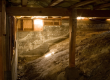
After a heavy rain, you walk the hallway and the air smells “off.” Maybe you spot damp spots near vents, see condensation on ductwork, or find insulation that looks darkened and uneven. In Dallas, TX, those crawl space symptoms can show up quickly when moisture has a path into the soil area below the home.
The tricky part is that moisture problems rarely have just one cause. They can involve crawl space ventilation, vapor barriers, drainage, and even foundation crack repair services. This guide gives you a practical crawl space repair checklist, plus a homeowner-friendly way to separate what you can observe from what needs a professional structural foundation repair specialist.
Quick Answer
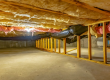
Start by checking for active moisture signs: wet soil, damp insulation, pooled water, and obvious vapor barrier gaps. Then inspect crawl space vents, plumbing penetrations, and any openings around the foundation where water vapor can enter. If moisture is recurring after storms, prioritize a complete moisture control plan, not patchwork fixes. The most practical next step is to schedule an inspection with a professional crawl space repair contractor who can connect moisture sources to the right corrective work, including crawl space encapsulation services when appropriate.
What to Check First
Before you buy materials or start tearing things apart, focus on observations that help identify the source of moisture intrusion. You do not need special tools for the first pass, and you should always follow basic safety practices when entering a crawl space.
1) Look for “where it’s wet”
Check whether dampness is limited to one corner, near vents, around plumbing lines, or spread across the crawl space floor. Concentrated wet areas often point to drainage or a specific intrusion path.
2) Check the vapor barrier
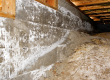
If you have a liner already, look for tears, uncovered sections, loose seams, and areas where it pulls away from walls or columns.
3) Inspect openings and penetrations
Moisture can enter through gaps around pipes, ducts, and access points. If you see daylight or debris pathways, that is a clue.
If you suspect the moisture is tied to foundation movement or cracks, review foundation repair services to understand how repairs often connect to moisture control. For homes where the crawl space is part of a wider settlement issue, the crawl space symptoms may be a downstream effect.
Main Things Customers Should Understand
Moisture intrusions typically involve multiple layers: water management outside the home, vapor control below, and airflow balance. In many Dallas-area homes, the crawl space sits where humidity can stay trapped, especially during humid stretches and after heavy rainfall.
Professional observation: Crawl spaces often fail because the “system” is incomplete. A liner without addressing drainage, or repairs without correcting airflow and sealing penetrations, can leave moisture with an easy route to return.
Moisture control is more than a liner
“Encapsulation” is usually the right direction when the goal is consistent moisture control crawl space repair, but the details matter. A durable approach accounts for seams, edge sealing, and how air and vapor move through the crawl space envelope.
For homes where dampness persists, it helps to understand the role of crawl space ventilation. You can cross-check your situation with foundation ventilation to see how ventilation decisions connect to moisture conditions.
Foundation crack repair can be part of the moisture path
When cracks, gaps, or settlement-related openings exist, moisture can migrate and create a cycle of recurring dampness. If you have visible cracks or suspect structural movement, it may relate to sloping floor foundation repair. Fixing only the surface symptom often does not address the underlying entrance point.
Outside water management influences inside conditions
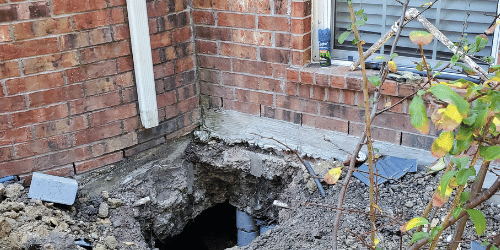
Even with a good vapor barrier, ongoing water accumulation near the foundation can raise humidity and vapor pressure. If you notice downspouts discharging toward the foundation, grading that directs water to the home, or signs of surface runoff, you may need drainage correction.
To connect crawl space moisture to the outside water path, reference drainage correction. This is often where the biggest long-term improvements come from, especially after storms.
Why This Matters in Dallas, TX
In Dallas, TX, crawl space problems tend to show up when the weather turns wet. After storms, you may notice damp insulation, condensation, or musty odors that did not exist the week before. The crawl space can trap humidity, and that moisture can settle around vents, penetrations, and any uncovered soil areas.
A local approach also means paying attention to the property type and common layout features. Many homes have vented crawl spaces, older foundation details, and plumbing penetrations that create predictable weak spots. Addressing those weak spots with a moisture control encapsulation system or targeted sealing helps reduce the chance of repeat intrusions.
Local homeowner tip: If the crawl space stays damp even when the weather clears, the issue is usually not just “a wet week.” It is more often a pathway that keeps feeding moisture into the crawl space envelope.
Get a Crawl Space Moisture Plan for Your Dallas Home
If you are seeing repeated dampness, odors, or wet insulation after rain, a professional inspection can help you connect the visible symptoms to the right repair sequence.
Contact Elite Foundation RepairsPrefer to call? (214) 856-9634
Common Mistakes to Avoid
Homeowners often try to solve crawl space moisture with a single fix. The problem is that moisture can enter through multiple routes at once. Here are common mistakes to watch for.
| Common mistake | Why it fails | What to do instead |
|---|---|---|
| Only replacing damaged insulation | Insulation can dry out temporarily, but the moisture source remains. The next rainy period can repeat the problem. | Start with moisture entry points, then pair insulation decisions with vapor control and sealing. |
| Installing a vapor barrier without checking seams and edges | Gaps and poor edge sealing allow vapor to move in and re-wet nearby materials. | Use a system approach that includes proper sealing at the foundation interface. |
| Ignoring drainage and grading concerns | If water runs toward the foundation, crawl space humidity often stays high even after interior changes. | Review drainage correction needs so outside water management supports the crawl space repair. |
| Assuming vents alone will fix humidity | Ventilation choices can work against you when moisture loads are high or when airflow patterns are inconsistent. | Confirm ventilation strategy with a professional foundation ventilation review. |
| Waiting until cracks are obvious before addressing moisture pathways | Moisture can contribute to ongoing deterioration and may coincide with structural foundation repair needs. | Document symptoms early and connect them to foundation crack repair services when appropriate. |
Customer Checklist
Use this checklist during your next crawl space inspection. It is designed to help you organize what you see so your contractor can diagnose faster and recommend the right crawl space repair services for your situation.
- Confirm whether dampness increases after storms or heavy rain.
- Check for wet soil areas, pooled water, or damp spots on the crawl space floor.
- Inspect insulation for darkening, sagging, or uneven wetness.
- Look for tears, holes, loose seams, or exposed soil under any existing vapor barrier.
- Check edges where the barrier meets walls, piers, or foundation surfaces.
- Inspect around plumbing penetrations for gaps, moisture tracks, or loose sealing.
- Check crawl space access points for openings that allow humid air to enter.
- Observe vents and airflow paths for signs of poor balance or easy moisture entry.
- Look for visible foundation crack repair needs such as gaps or separation near the crawl space level.
- Note any outside drainage signs, including water that seems to collect near the foundation.
Representative Scenario (What This Can Look Like)
A Dallas, TX homeowner noticed a recurring musty odor after rain. They initially focused on replacing insulation, but the smell returned within weeks. During a crawl space review, they found multiple vapor barrier gaps and damp soil concentrated near a plumbing run. The outside area also showed runoff that consistently moved toward the foundation. The final repair plan needed moisture control crawl space repair: sealing and encapsulation work paired with drainage correction so the crawl space stopped reloading with moisture every storm cycle.
Frequently Asked Questions
How do I tell if moisture is coming from the soil or from leaks?
Start with timing and location. If dampness increases after rain and you see wet soil areas or condensation-like effects across the crawl space floor, the soil and vapor pathway are often involved. If you notice moisture aligned with a specific plumbing line, penetration, or a concentrated line of dampness, it may indicate a leak or a sealing failure at that point. A professional crawl space repair contractor can help confirm the moisture route by matching the pattern you see with the most likely intrusion areas.
Is crawl space encapsulation the same as putting down a plastic sheet?
Not usually. A basic sheet can reduce direct contact with soil, but encapsulation is typically a system approach that focuses on coverage, seam integrity, and sealing at the foundation interface. The goal is consistent moisture control encapsulation systems, not just a temporary barrier. If you already have a liner, inspect for tears, loose seams, and edge gaps because those details can determine whether humidity keeps re-entering the crawl space.
Can foundation crack repair services help with crawl space moisture?
Yes, sometimes. If cracks, gaps, or settlement-related openings exist near the crawl space level, they can provide an entry path for moisture vapor and humidity. That is why moisture symptoms and foundation issues can overlap. If you see cracking alongside recurring dampness, it may be worth discussing how structural foundation repair specialists approach structural crack repair contractor work in addition to moisture control.
What should I do first if I see wet insulation?
First, do not assume the insulation is the cause. Wet insulation is usually a symptom of ongoing moisture. Next, document where the wettest areas are and whether it lines up with vents, plumbing penetrations, or barrier edges. Then prioritize diagnosing the moisture pathway so the repair addresses the source. A targeted plan can include crawl space encapsulation services and moisture control encapsulation systems, but the right sequence depends on what you find.
Do I need to address drainage correction before crawl space repairs?
Often, yes. If water is consistently collecting near the foundation or running toward it after storms, crawl space humidity can stay elevated even after interior changes. Drainage correction can reduce the outside water load, which supports long-term moisture control. The most practical approach is to evaluate both the crawl space condition and the outside water path so your repairs are aligned, instead of fighting the problem from only one side.
Ready to Stop Moisture Intrusions in Your Dallas Crawl Space?
Elite Foundation Repairs can help you connect what you see in the crawl space to the repairs that actually address the moisture route, including moisture control crawl space repair and related foundation work when needed.
Contact Elite Foundation RepairsCall (214) 856-9634