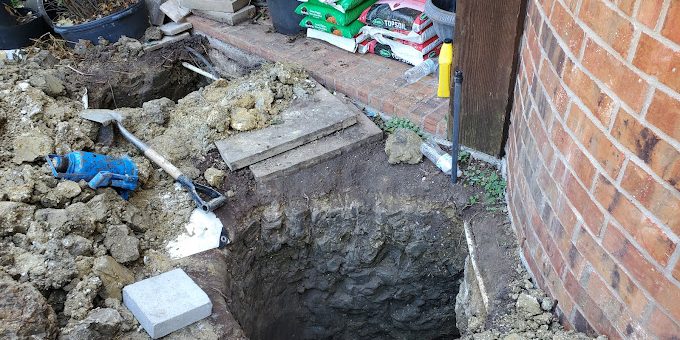
If your home in Dallas, TX is showing odd cracks, doors that stick, or uneven floors, you are not overreacting. This guide helps you identify common foundation repair signs, understand what they can mean, and decide what to check first before the problem grows.
Around the same time the weather shifts, you notice it. A baseboard that used to sit tight now has a thin gap, a hallway feels slightly sloped, or a door starts rubbing when you close it. In Dallas, TX, those changes can be easy to blame on settling or humidity, but they can also point to a foundation issue that needs attention.
You may also see small signs that come and go, like hairline cracks after heavy rain, or moisture smells near the crawl space. The tricky part is that some symptoms are cosmetic, while others suggest movement under the structure. This guide will help you sort what you are seeing, what to inspect safely, and when to bring in a professional foundation repair company.
- Quick answer
- What to check first
- Main things customers should understand
- Why this matters in Dallas, TX
- Common mistakes to avoid
- Customer checklist
- Frequently asked questions
Quick Answer
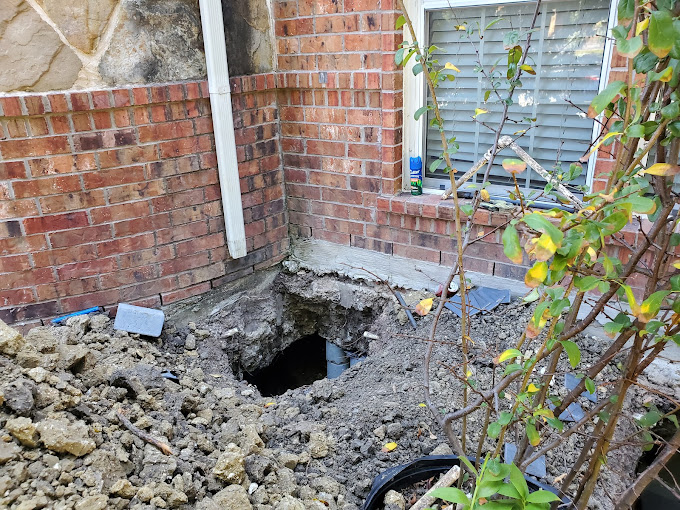
If you notice new or widening foundation cracks, doors or windows that suddenly don’t align, or floors that feel uneven, treat it as a “check now” situation, not a “wait and see” one. Start by documenting when symptoms appear and where they show up, then inspect for patterns like stair-step cracking or separation at corners. Because moisture and drainage issues often play a role, also check grading, downspouts, and crawl space conditions. For peace of mind, contact a professional foundation repair company in Dallas, TX to evaluate the cause before you choose repairs.
What to Check First
Before you call anyone, do a quick, homeowner-friendly assessment that focuses on patterns. Foundation movement usually shows up consistently in specific locations, while shrinkage or minor surface issues tend to be more random and stable over time. Start indoors and move to the exterior.
Interior signs
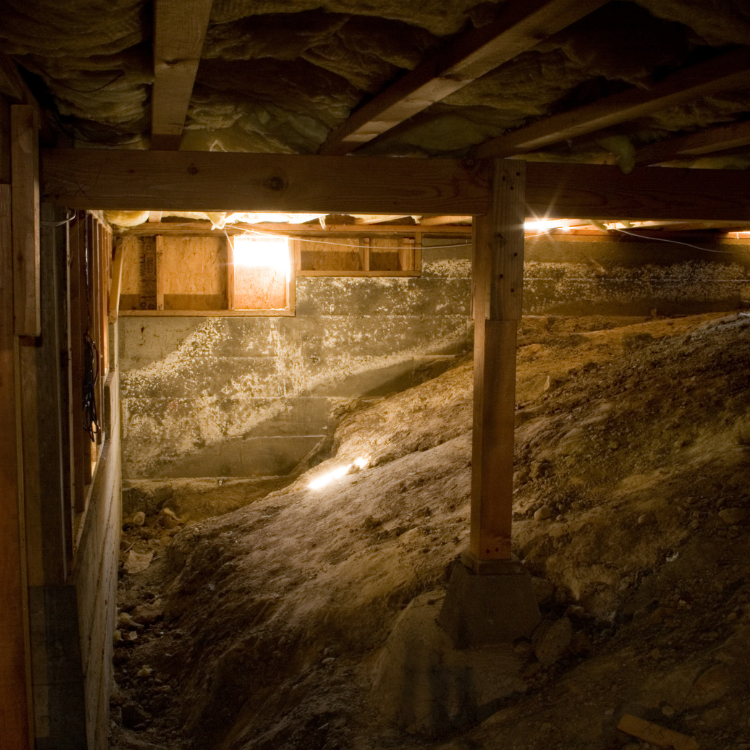
Look for widening gaps along baseboards, cracking near door frames, and drywall cracks that form a line rather than a small single spot.
Floor and door alignment
Check whether floors feel tilted in one area and whether doors stick at the same height or corner each time you close them.
Exterior clues
Scan for stair-step cracks, separation where the slab meets other structures, and any signs that water pools near the foundation.
Next, pay attention to the type of crack and where it is. For example, diagonal cracks at walls or corner areas can be more concerning than a small surface crack that stays the same size. If you also see moisture in the crawl space, you are dealing with two problems at once: structural movement risk and moisture control issues.
If you are trying to narrow down the likely source, use service pages as a roadmap for what you may need to investigate. For instance, crawl space structural repair and crawl space encapsulation are often part of a complete moisture-control plan. You can review foundation ventilation to understand one common factor that affects crawl space conditions in homes around Dallas, TX.
Main Things Customers Should Understand
Foundation repair is not a one-size-fits-all task. The same visible symptom can come from different causes, and the right approach depends on how the structure is moving and what is driving that movement. Here are the most common categories homeowners run into, explained in plain terms.
Professional observation: Many foundation crack repair services start with cause identification. If moisture and drainage are pushing water toward the foundation, structural crack repair alone may not hold up over time.
1) Cracks that change or “walk”
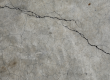
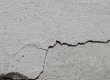
Hairline cracks can be harmless in some situations, but cracks that widen, shift, or keep extending are different. Pay attention to whether the crack pattern grows after rain or after dry periods. Concrete foundation crack repair may be necessary when cracking is tied to movement rather than just surface shrinkage.
2) Uneven floors and sticking doors
When floors slope or doors rub at the same point, it often indicates movement affecting the building envelope. This can appear in homes with crawl spaces, slabs, or basements. If you suspect one side is settling more than the other, it is worth exploring sloping floor foundation repair as a starting point for understanding what gets evaluated.
3) Moisture and crawl space conditions
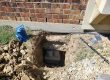
Dallas, TX weather swings can make crawl spaces feel damp. If you have musty odors, visible standing water, or persistent condensation, moisture control becomes part of the foundation repair strategy. That is why residential crawl space restoration often includes measures like encapsulation and improved drainage and ventilation.
For homes where water management is a key driver, reviewing drainage correction can help you understand why redirecting water matters alongside structural work.
4) Retaining walls and adjacent structure movement
Sometimes the “foundation problem” starts near a retaining wall, driveway edge, or slope area. If you see bulging, cracking, or leaning near these features, the fix may include retaining wall installation services, retaining wall repair and replacement, or block retaining wall installation, depending on the structure.
If your property has a slope or a wall holding back soil, you may want to explore retaining walls so you can recognize how these components relate to structural stability.
| Symptom you notice | What it may indicate | What to do next |
|---|---|---|
| Cracks near corners or along wall lines | Possible structural movement that may require foundation crack repair services | Document the crack size over time and schedule a professional evaluation |
| Doors or windows not closing smoothly | Potential misalignment from foundation or structural shifts | Check whether sticking happens in the same spot and have the cause assessed |
| Uneven floors or noticeable sloping | Possible settlement patterns affecting the structure | Request an assessment focused on the movement pattern |
| Moisture in crawl space | Moisture control crawl space repair needs plus structural considerations | Inspect drainage, ventilation, and whether crawl space encapsulation is warranted |
| Bulging or cracking near retaining walls | Adjacent structural movement that can impact the foundation area | Evaluate retaining wall condition and related drainage |
Why This Matters in Dallas, TX
In Dallas, TX, homeowners often notice foundation-related symptoms after big swings in moisture conditions. Heavy rain can bring water toward the home, while longer dry stretches can change how soils behave under slabs and crawl space areas. That is why moisture control is not a side concern. It can influence how cracks behave and whether structural foundation repair holds up.
Local insight: If you are seeing symptoms after storms or during humid stretches, ask your contractor to include drainage and crawl space conditions in the inspection, not just the visible crack.
Another Dallas-area reality is property layout. Many homes include crawl spaces, exterior patios, and retaining walls that manage grade changes. If water is not draining away from these areas, it can contribute to moisture, pressure on walls, and ongoing stress on the structure. That is where a professional crawl space repair contractor can help you connect the dots between moisture control encapsulation systems and structural foundation repair specialists.
Get clarity on what your home is telling you
If you are noticing foundation crack repair services might be needed, the fastest way to reduce guesswork is a focused inspection that looks at both structural signs and moisture drivers.
Contact Elite Foundation RepairsCommon Mistakes to Avoid
Homeowners usually do not ignore foundation symptoms on purpose. The issue is that some “common fixes” treat the symptom but not the cause. Here are mistakes that can make foundation problems more expensive later.
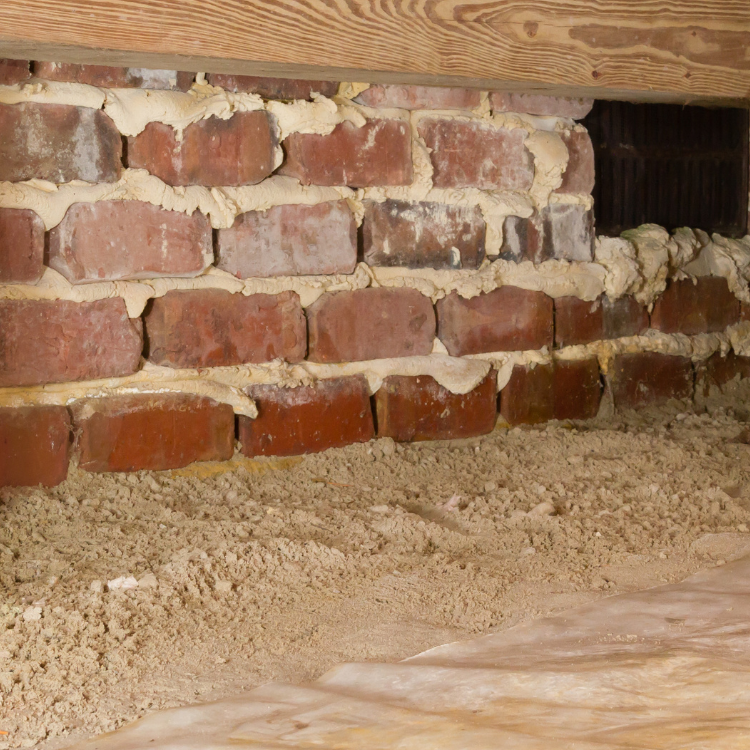
- Waiting too long when cracks keep widening or doors keep sticking in the same spot
- Only patching visible cracks without checking whether movement is ongoing
- Assuming moisture is harmless when crawl space conditions suggest persistent dampness
- Overlooking grading and downspouts so water keeps flowing toward the foundation
- Ignoring nearby retaining wall issues that can shift soil pressure and affect foundation-adjacent areas
A practical rule of thumb: if the symptom is changing, the underlying cause is likely still active. Even the best concrete foundation crack repair or epoxy foundation crack repair specialists approach often depends on getting the drivers under control first.
Customer Checklist
Use this checklist to prepare for your evaluation. It helps you communicate clearly and gives the contractor a better starting point for diagnosing the issue.
- Write down when you first noticed symptoms (doors, floors, cracks, moisture smells)
- Take simple notes on where cracks appear (near corners, along wall lines, around openings)
- Track whether cracks change after rain or after long dry periods
- Check for gaps at baseboards and around window or door frames
- Inspect crawl space moisture signs if you have access
- Confirm whether water pools near downspouts or along exterior walls
- Note any nearby retaining wall cracks, bulging, or separation
- Bring any prior repair records or drawings if you have them
Representative Scenario
Consider a Dallas, TX homeowner who notices a hairline crack that gradually becomes wider along a hallway wall. At the same time, a bedroom door begins rubbing near the latch side, and the floor feels slightly uneven when you walk across it. They also see dampness in the crawl space during humid weeks.
Instead of just sealing the crack, they focus on cause identification: they document crack growth, check whether moisture is being directed toward the foundation, and evaluate crawl space conditions. The resulting plan addresses both structural foundation crack repair needs and moisture control crawl space repair factors, so the home is stabilized and the environment supporting the structure is improved.
Frequently Asked Questions
Are foundation crack repair services only about sealing cracks?
Sealing cracks can be part of the solution, but many homeowners need more than surface repair. If a crack is tied to ongoing movement, the underlying cause must be addressed so the crack does not simply return or continue to widen. A professional evaluation looks at where the crack is located, whether it changes over time, and whether moisture or drainage issues may be contributing to movement. That is why many plans include both structural foundation repair and moisture control steps.
What signs suggest residential foundation repair is more than normal settling?
Residential foundation repair is worth investigating when symptoms appear to be changing. Common examples include cracks that widen or extend, doors or windows that do not align consistently, and floors that feel tilted in the same area. If you notice these issues after storms or during seasonal moisture swings, it strengthens the case for a cause-based inspection. Documenting the timeline and locations helps clarify whether the pattern points to structural foundation movement.
When should I consider crawl space encapsulation services?
Crawl space encapsulation services are typically considered when moisture control is a concern. If you notice dampness, musty odors, or condensation in the crawl space, encapsulation can help support a drier environment as part of a broader plan. In Dallas, TX, moisture conditions can vary through the year, so an inspection helps confirm whether encapsulation, ventilation improvements, and related moisture control measures are appropriate for your specific crawl space.
Can drainage correction prevent foundation problems from getting worse?
Drainage correction can help reduce the amount of water working against the foundation area. If water pools near exterior walls or downspouts, it may contribute to moisture-related stress and ongoing crack activity. A professional evaluation considers how water moves around your home and whether the current grading and downspout discharge is sending water toward the foundation. Addressing drainage is often a practical step alongside structural foundation repair.
Do retaining walls affect foundation stability?
Yes, retaining walls can affect nearby structural conditions, especially if soil pressure is shifting or water is not draining properly. Cracks, bulging, or separation in a retaining wall can indicate movement that may influence foundation-adjacent areas. If your symptoms appear near a wall holding back soil, it is reasonable to include retaining wall repair and replacement considerations in the inspection so the overall plan addresses the full site condition.
Talk with a local foundation repair team
When you are weighing structural crack repair, moisture control, or crawl space restoration, it helps to get a clear, cause-focused plan. Elite Foundation Repairs serves Dallas, TX and surrounding areas.
(214) 856-9634
About Elite Foundation Repairs
Elite Foundation Repairs provides foundation repair solutions for Dallas, TX homeowners and property managers, with an emphasis on understanding the cause of movement and addressing related moisture factors. Their service areas include Dallas, TX & surrounding areas, supporting residential foundation repair and crawl space restoration needs through professional inspections and targeted repair approaches.
If you are noticing foundation crack repair signs you cannot ignore, contact Elite Foundation Repairs at (214) 856-9634 or visit elitefoundationrepairs.com.