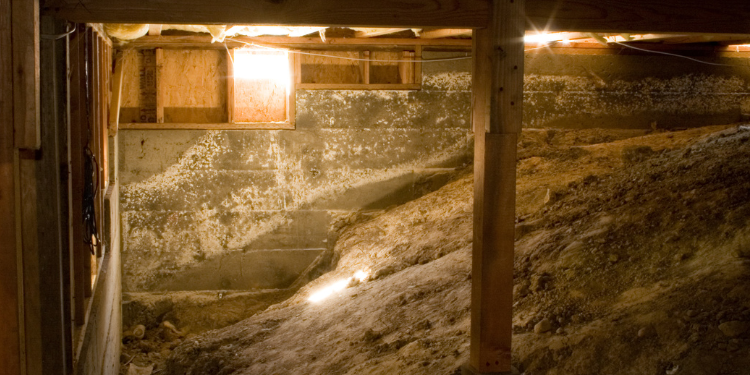
If your crawl space smells musty, feels clammy after rain, or you notice moisture showing up in the lower levels of your home, the root cause is often more than “just humidity.” This guide explains how moisture gets trapped under houses in Dallas, TX, what to check first, and how professional crawl space repair services can address the source, not just the symptom.
After a heavy storm in Dallas, TX, you open the entryway and the air feels different near the floors. A musty, damp odor lingers, and you start noticing the same smell every time the weather turns humid. You might even see condensation on cooler surfaces or feel a persistent “wet basement” vibe, even though you do not have a full basement.
Most homeowners first try DIY fixes like fans, spot-cleaning, or storing things differently. Those can help temporarily, but if moisture is coming from below or cycling through the crawl space, the odor usually returns. This guide helps you understand the typical causes of crawl space damp odors, the checks you can do right away, and the repair approach that targets moisture control for long-term improvement.
- Quick answer
- What to check first
- Main things customers should understand
- Why this matters in Dallas, TX
- Common mistakes to avoid
- Customer checklist
- Frequently asked questions
Quick Answer
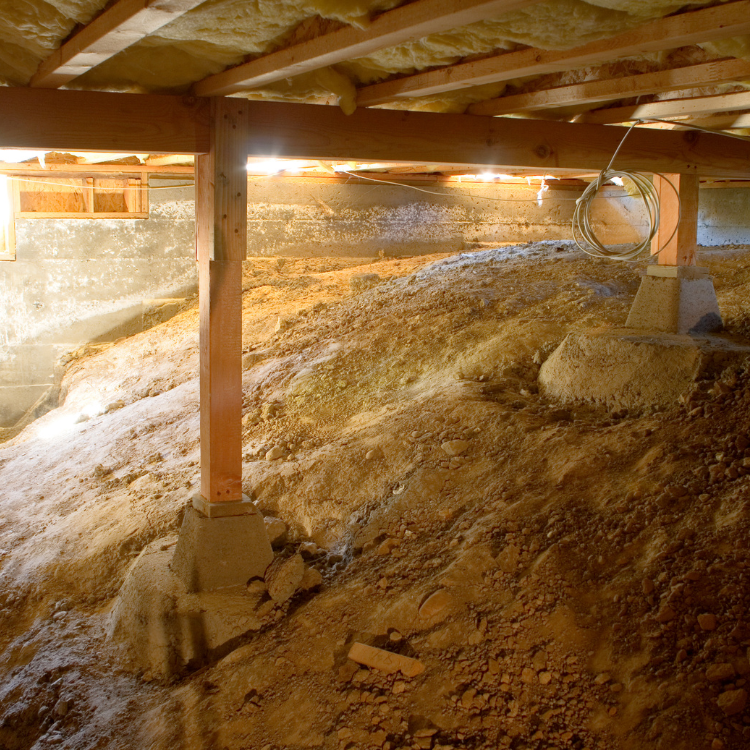
If you have damp odors in your home, start by treating the crawl space like a moisture source, not a smell problem. Check for standing water, high humidity signs, visible mold or damp insulation, and whether the crawl space is sealed and controlled. In many Dallas, TX homes, crawl space encapsulation and moisture control systems are the practical starting point because they reduce vapor and contact with moisture. If odors persist after basic ventilation changes, the next step is a targeted inspection to identify where moisture is entering and whether repairs like drainage correction, foundation ventilation adjustments, or encapsulation are needed.
What to Check First
Before you schedule crawl space repair services, you can narrow down what is happening. The goal is to identify whether the odor is tied to active moisture intrusion, trapped vapor, or poor drainage pathways. If you can do safe, limited checks, look for clear evidence of moisture and note when it shows up, especially after rain in Dallas, TX.
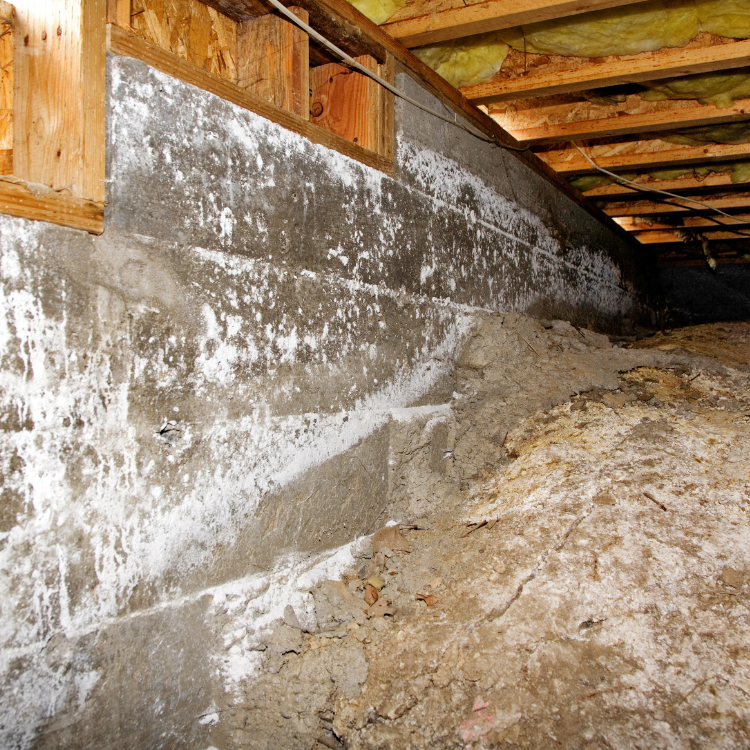
Professional observation: Musty odors often correlate with moisture cycling under the house. Even if you do not see water, vapor can still build up and create the conditions that produce damp smells.
1) Look for active moisture
Check for standing water, damp soil, pooled condensation, or wet materials along the perimeter. If you see moisture after storms, intrusion or drainage is likely involved.
2) Inspect for damp materials
Pay attention to insulation, wood framing, and any organic materials that can hold moisture. Odors commonly intensify when materials stay damp for long periods.
3) Check for crawl space airflow issues
If the crawl space is not properly ventilated or is pulling in humid air, moisture can accumulate. The right fix depends on how your crawl space is set up.
Main Things Customers Should Understand
When homeowners ask about crawl space repair near me, they usually want one clear outcome: fewer odors and less moisture. The best results typically come from understanding the moisture path. In crawl spaces, that path can include vapor coming from the ground, humid air entering through openings, and water traveling toward the foundation when drainage is off. Fixing only one part often leaves the odor to return.
Here are the main factors that drive damp odor problems and how professional solutions usually connect to them:
- Vapor control from the soil: Even without visible water, moisture vapor can rise into the crawl space air and settle into surfaces.
- Air movement and humidity: In some homes, airflow patterns can bring in humid air and increase condensation risk.
- Perimeter wetting and drainage correction: If water manages to reach the crawl space area during storms, it can keep the environment damp.
- Foundation-related conditions: Certain foundation repair needs, including structural foundation repair specialists’ evaluations, may be relevant if the crawl space is affected by broader foundation movement.
| What you observe | Most common underlying cause | Common repair direction |
|---|---|---|
| Musty smell increases after rain | Moisture intrusion and humidity cycling in the crawl space | Moisture control crawl space repair, including sealing and encapsulation-focused approaches |
| Damp soil or condensation on surfaces | Vapor rise from the ground and insufficient barrier protection | Vapor barrier crawl space encapsulation and crawl space sealing and insulation |
| Odor persists even when the weather is dry | Trapped moisture or ongoing vapor entry | Professional crawl space encapsulation contractor assessment and full crawl space sealing and insulation |
| Water stains or wet perimeter areas | Drainage pathway problems near the foundation | Drainage correction and moisture control coordination with crawl space repair services |
Customer-focused note: A strong plan usually connects crawl space encapsulation services with the moisture entry point. That is how you reduce damp odors at the source instead of only masking them.
Why This Matters in Dallas, TX
Dallas, TX homes often deal with humidity swings, and that can make crawl space moisture problems more noticeable. After rain and during humid stretches, vapor levels rise and condensation risk increases on cooler crawl space surfaces. If the crawl space is not set up for proper moisture control, the environment can stay damp long enough for odors to develop and linger.
In the Dallas area, we also see many homes with varied crawl space configurations, including older construction and different ventilation approaches. That is why local foundation repair experts typically look at how your crawl space is built, how air moves under the house, and whether moisture control encapsulation systems are appropriate for your specific situation.
Need crawl space repair help for damp odors?
Elite Foundation Repairs can help you identify moisture sources and choose the right crawl space structural repair company approach for your home in Dallas, TX.
Contact Elite Foundation RepairsCommon Mistakes to Avoid
Homeowners often try well-meaning fixes that do not address the moisture source. Those steps can delay the real solution and sometimes make the odor issue harder to resolve later. If you want damp odors to improve, avoid these common missteps.
- Masking the smell without fixing moisture: Air fresheners and deodorizing sprays do not stop vapor entry or damp conditions.
- Changing ventilation without a plan: Fans and vent adjustments can shift humidity, but they may not control vapor or water intrusion where it matters.
- Ignoring signs of wet materials: If insulation or wood stays damp, odors can persist even after surface cleaning.
- Assuming the problem is only inside the house: Many odor complaints start at living areas, but the source is often under the home.
If you are also seeing signs of foundation-related moisture or movement, it helps to consider how crawl space issues can connect with other foundation repair services. For example, you may want to review foundation repair services and structural foundation repair specialists’ approaches when foundation conditions appear to be part of the story.
| Start here if… | Because… | Next step |
|---|---|---|
| You have damp odors and visible moisture in the crawl space | Active moisture is likely entering or staying trapped | Plan for moisture control crawl space repair and moisture entry evaluation |
| You have odor but no standing water | Vapor can still accumulate even without puddles | Ask about professional crawl space encapsulation contractor options, including vapor barrier crawl space encapsulation |
| Odors worsen after storms | Drainage correction may reduce how water reaches foundation areas | Consider drainage correction alongside crawl space encapsulation services |
| You suspect broader foundation effects | Some homes need structural foundation repair specialists’ input to fully stabilize conditions | Coordinate crawl space repair with the right foundation repair services |
Customer Checklist
Use this checklist to organize what you see and what you ask when you contact a professional crawl space structural repair company. Bringing clear observations can help your inspection move faster and keep the discussion focused on moisture control.
- Record when odors are strongest: note days after rain and during humid periods in Dallas, TX.
- Check for standing water or damp spots: along the perimeter, near corners, or where materials feel cold.
- Inspect materials for dampness: look for wet insulation, darkened wood, or signs of repeated condensation.
- Note any visible soil contact: if the crawl space floor is exposed or appears to be letting vapor through.
- Look for openings and gaps: where air may be entering the crawl space from outside.
- Confirm whether sealing and encapsulation have been done: ask what moisture control encapsulation systems are currently in place.
- Ask whether drainage correction is relevant: if odors correlate with storms, discuss how water is managing around the foundation.
Representative Scenario: What a Dallas Homeowner Usually Encounters
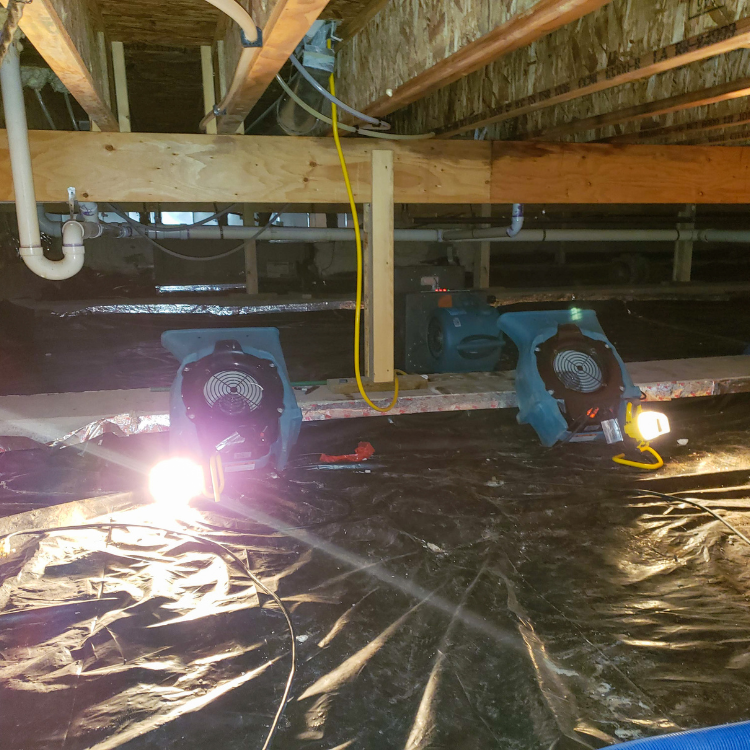
A homeowner in Dallas, TX reported a musty odor that became noticeable in the mornings. They did not find puddles, but they found dampness along the crawl space edges and cooler surfaces that held condensation. Over the next few weeks, the smell returned each time humidity rose. After a closer look, the moisture path appeared to be a combination of vapor coming from below and persistent damp conditions along the perimeter. The most effective repair plan centered on moisture control with crawl space encapsulation and sealing, paired with the right moisture management approach to reduce how damp conditions were maintained.
Foundation repair services
For broader foundation concerns that can affect the crawl space environment, explore foundation repair services.
Crawl space ventilation
If airflow patterns seem to be contributing to humidity, review foundation ventilation.
Drainage correction
When odor issues show a storm connection, it can help to discuss drainage correction.
Frequently Asked Questions
Can damp odors in my home come from the crawl space?
Yes. Damp odors often originate in the crawl space when moisture vapor builds up or when materials in that area stay damp. Even if you do not see standing water, vapor can settle on surfaces and produce a musty smell that travels into the lower parts of the home. That is why crawl space repair services usually focus on moisture control first, not just odor removal. If the smell gets worse after rain in Dallas, TX, it is a strong sign that moisture is cycling under the house.
What is crawl space encapsulation, and is it always needed?
Crawl space encapsulation is a moisture control approach designed to reduce vapor transfer and limit how damp air affects the crawl space environment. It can involve sealing measures and a vapor barrier system, along with related moisture control steps. Whether encapsulation is the right choice depends on what your inspection finds, including whether the crawl space has ongoing vapor entry, damp materials, or signs that drainage correction is also needed. A professional inspection helps determine the most appropriate crawl space encapsulation services for your home.
Should I rely on fans or dehumidifiers to fix the odor?
Fans and dehumidifiers can sometimes reduce humidity levels temporarily, but they do not always stop the source of moisture. If vapor is coming up from the crawl space floor or moisture is entering through openings or perimeter areas, the odor can return as humidity rises again. In Dallas, TX, humidity swings can make this especially noticeable. A practical recommendation is to use dehumidifying as a short-term aid while you address moisture control with the right repair plan, such as vapor barrier crawl space encapsulation and full crawl space sealing and insulation when appropriate.
How do I know if drainage correction is part of the problem?
If your damp odor gets worse after storms, or if you notice wet perimeter areas around the foundation, drainage correction may be relevant. Water management problems can keep the crawl space environment damp by directing moisture toward foundation areas. During an inspection, professionals look for signs of where moisture is traveling and how it is affecting the crawl space. When drainage correction is coordinated with moisture control, homeowners often get more durable results than relying on odor control alone.
Is crawl space repair connected to foundation repair?
Sometimes, yes. Crawl space conditions can be influenced by how the foundation and surrounding surfaces perform. If you are seeing additional signs, such as foundation crack repair services concerns or sloping floor foundation repair symptoms, it may indicate that a broader foundation repair plan is needed alongside crawl space moisture control. If your inspection suggests structural foundation repair specialists’ input, coordinating the crawl space repair with the right foundation repair services can improve overall stability and moisture management.
Ready to get rid of the damp odor for good?
Elite Foundation Repairs helps homeowners in Dallas, TX and surrounding areas identify moisture sources and choose the right crawl space repair path, including moisture control encapsulation systems and crawl space sealing and insulation when appropriate.
(214) 856-9634
About Elite Foundation Repairs
Elite Foundation Repairs is a local foundation repair company focused on helping Dallas, TX homeowners protect their properties from moisture-related crawl space problems. Our team emphasizes practical inspection and targeted repairs that address why damp odors happen, including crawl space encapsulation services and moisture control approaches that are designed for long-term improvement. If you are searching for a professional crawl space repair contractor, we can help you understand your options and choose a plan aligned with what your home needs.