Foundation Crack Repair Near Me: Signs, Safety, Solutions
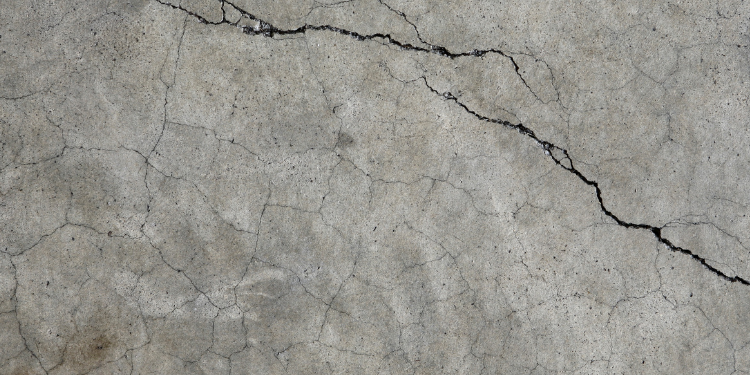
If you are seeing new cracks in your foundation, you are probably wondering whether it is cosmetic or something structural. This guide helps homeowners in Dallas, TX understand what to check, what can be dangerous, and how crack repair solutions are typically approached by structural foundation repair specialists.
You notice a thin crack in the drywall near a doorway, then you look at the exterior and see a crack that looks “a little wider” than it did last year. The house still feels solid, but the worry starts to build every time it rains or the seasons swing in Texas.
Foundation crack repair can range from a targeted sealing approach to a more comprehensive structural foundation repair plan, depending on what is happening under the surface. This guide will help you spot the most important warning signs, understand safety priorities, and decide what to ask a professional foundation repair services company in Dallas before any repairs begin.
- Quick answer
- What to check first
- Main things customers should understand
- Why this matters in Dallas, TX
- Common mistakes to avoid
- Customer checklist
- Frequently asked questions
Quick Answer
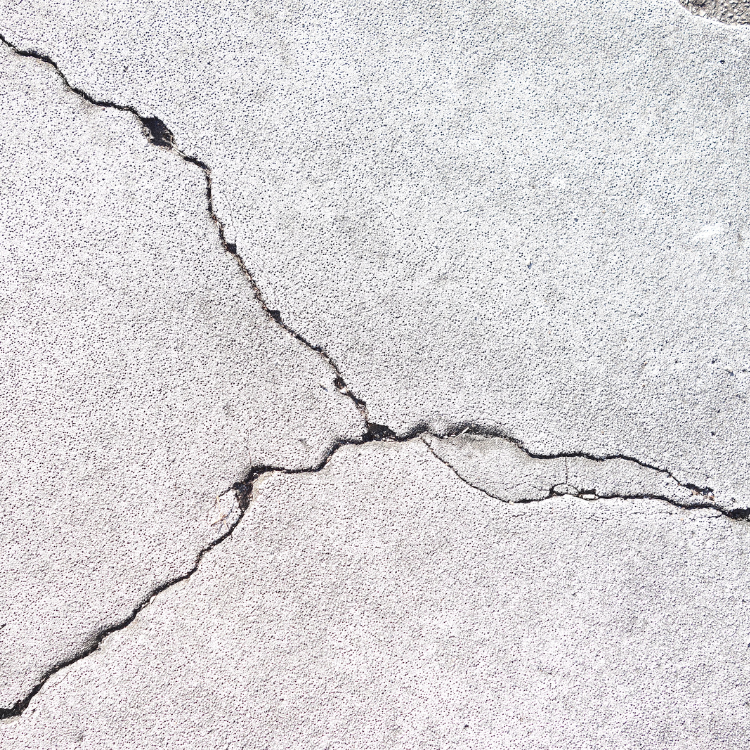
Not every foundation crack needs the same response. If the crack is actively changing, shows signs of movement, or appears alongside other issues like sticking doors, uneven floors, or water intrusion, you should get a professional assessment before patching. For many residential foundation repair contractor situations, the most practical next step is to document the crack location and behavior over time, then address moisture and drainage along with the crack repair services plan. Elite Foundation Repairs can help you identify whether you are looking at concrete foundation crack repair, structural crack repair contractor needs, or crawl space repair concerns.
What to Check First
Start with the basics that help separate “monitor and manage” from “schedule an inspection.” Focus on what the crack is doing and what is happening around it, because sealing alone without addressing moisture control crawl space repair or water pathways often leaves the root cause in place.
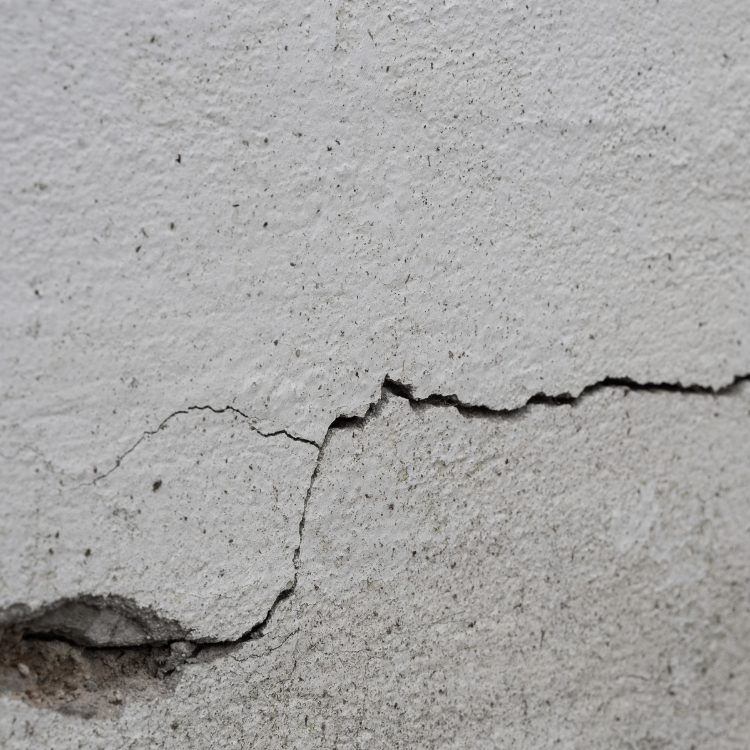
1) Track whether it is changing
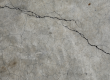
Measure the crack width with a simple ruler and note dates. If it grows after rain or temperature swings, that is a strong clue that movement and moisture are involved.
2) Look for water and staining
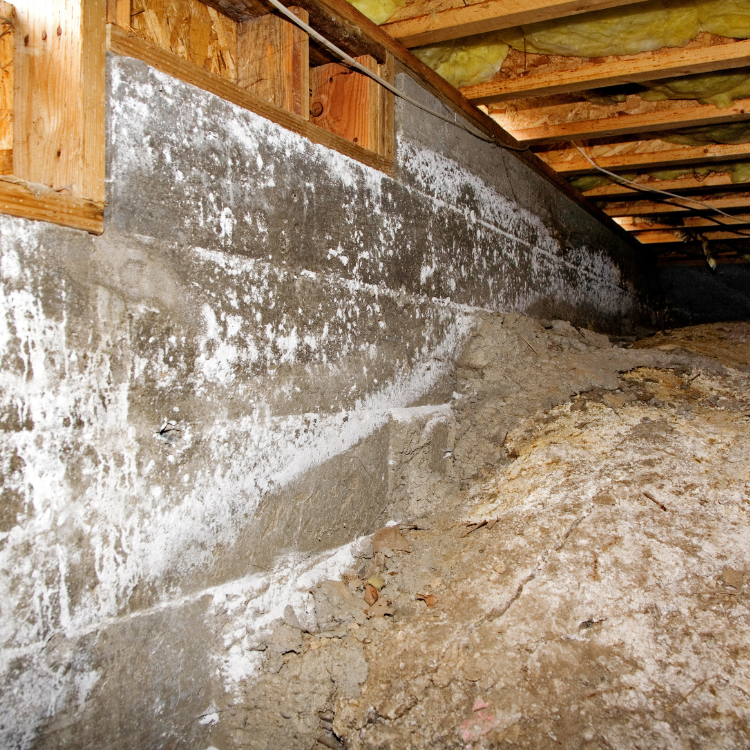
Check for dampness, efflorescence (white powder), or dark streaks on the foundation wall. Water intrusion can worsen cracks and create ongoing pressure.
3) Check interior symptoms
Notice doors that do not latch, new drywall gaps, or floor slopes. These are common indicators that structural foundation repair specialists should evaluate.
If you suspect ongoing moisture, you can also review how water management affects foundation performance. For example, drainage correction is often part of a stable foundation crack repair services approach when exterior water pathways contribute to movement.
Professional observation: A crack’s location matters as much as its size. Corner cracks, stair-step patterns, and cracks near openings often deserve closer inspection because they can align with stress points where walls and slabs respond differently.
Main Things Customers Should Understand
Once you have identified the crack and any related symptoms, the next step is understanding why repair methods differ. Many “concrete foundation crack repair” jobs focus on concrete foundation crack repair and sealing, while other cases require “structural crack repair contractor” solutions when movement is ongoing or the structure has shifted.
| What you may notice | What it can indicate | Common direction of repair |
|---|---|---|
| Hairline cracks that appear stable over time | Possible non-structural settling or surface separation | Basement and foundation crack sealing and monitoring |
| Cracks that widen or reappear after rain | Ongoing movement influenced by moisture or drainage | Concrete foundation crack repair paired with drainage correction |
| Cracks with signs of water intrusion (staining, dampness) | Moisture pathways contributing to pressure and deterioration | Basement and foundation crack sealing plus moisture control |
| Cracks plus sticking doors, uneven floors, or visible shifts | Structural foundation repair needs | Structural crack repair contractor evaluation and targeted structural repair |
| Cracks connected to crawl space conditions | Subfloor moisture affecting the support environment | Crawl space encapsulation services and crawl space structural repair company assessment |
Practical takeaway: If you are only patching the visible crack but water is still reaching the area, the crack can return. That is why many local foundation repair experts evaluate both the crack and the surrounding drainage and moisture control system.
It is also worth considering whether your foundation symptoms tie into crawl space issues. If the crawl space is damp or poorly ventilated, it can influence how materials behave. You may find it helpful to compare crawl space ventilation approaches by reviewing foundation ventilation.
Why This Matters in Dallas, TX
Dallas homes often face seasonal swings and frequent rain events, which can change how moisture moves through soil and building surfaces. When water pathways are not controlled, foundation crack repair services may need to include moisture control crawl space repair and drainage correction, not just patching the crack line.
As a local example, many homeowners start by focusing on interior drywall cracks, then notice exterior cracks that align with the same stress line. In those situations, a residential crawl space restoration and moisture control encapsulation systems approach can be relevant if the crawl space environment is contributing to dampness and material expansion. Elite Foundation Repairs can help you connect the dots between what you see above ground and what is happening below.
Common Mistakes to Avoid
Most foundation repair issues do not come from “bad luck.” They come from skipping the right diagnostic steps, choosing a repair that does not match the problem, or delaying action until secondary damage spreads.
- Ignoring active change: If the crack grows after storms, patching it once can hide the symptom while the cause continues.
- Only treating the surface: Epoxy foundation crack repair specialists and sealing methods work best when the underlying movement and moisture pathways are addressed.
- Assuming the crack is “just cosmetic” because it is small: A small crack can still align with structural stress or water intrusion.
- Not documenting the pattern: Without measurements over time, it is harder to determine whether you are dealing with stable separation or ongoing movement.
- Skipping crawl space review when signs point that way: Moisture control crawl space repair and crawl space encapsulation services often matter when dampness is present.
Customer Checklist
Use this checklist to prepare for your inspection or to organize what you already know. The clearer your notes, the easier it is for structural foundation repair specialists to narrow down the correct foundation crack repair services plan.
- Write down when you first noticed each crack and whether it changed after rain or seasonal temperature shifts.
- Measure crack width in multiple spots and take note of the highest and lowest points.
- Record interior symptoms like sticking doors, widening drywall gaps, or floor slope you can feel when walking.
- Check the exterior for water staining, damp spots, or drainage issues near the foundation.
- Look for crawl space indicators such as standing moisture, musty odors, or visible vapor concerns.
- Confirm whether the issue is isolated to one area or spreads across multiple walls or corners.
- List any recent landscaping or grading changes near the foundation.
Representative scenario (anonymized): A Dallas homeowner noticed a stair-step crack near a doorway and a growing drywall gap inside. After heavy rains, the crack appeared slightly wider and the corner area showed dark staining. Instead of patching immediately, the homeowner documented crack width over two wet periods and had Elite Foundation Repairs evaluate the foundation and moisture pathways. The repair direction focused on addressing the conditions that were influencing movement and pairing basement and foundation crack sealing with drainage-focused corrections.
Get clarity on whether your crack is stable or actively moving
If you are searching for foundation crack repair near me in Dallas, TX, start with an inspection that matches the crack’s behavior and the surrounding moisture conditions. Elite Foundation Repairs helps homeowners understand what needs repair and what can be monitored.
Contact Elite Foundation RepairsFrequently Asked Questions
Homeowners in Dallas, TX often have the same questions when they first notice a crack. Below are practical answers to help you ask better questions and avoid unnecessary work.
How can I tell if a foundation crack is serious?
Cracks are more concerning when they change over time, appear after storms, or come with other symptoms like sticking doors, new drywall gaps, or floor slope. Water staining and dampness around the crack also suggest ongoing moisture influence. A stable hairline crack with no related symptoms may be less urgent, but you still want an inspection if it is spreading or tied to movement indicators.
Is epoxy foundation crack repair always the right option?
Epoxy foundation crack repair can be part of a solution, but it depends on why the crack exists. If the crack is associated with ongoing movement or water intrusion, sealing alone may not stop the underlying cause. Structural foundation repair specialists typically evaluate crack behavior, moisture pathways, and building response before recommending epoxy-based approaches or structural solutions.
Should I repair the crack before fixing drainage?
In many cases, drainage and moisture control come first or are addressed at the same time. If water keeps reaching the area, repairs may fail prematurely or the crack can reappear. A practical approach is to ensure water management is part of the plan, especially if you see staining, dampness, or crack changes after rain. Elite Foundation Repairs can help connect drainage correction with foundation crack repair services.
What role does crawl space encapsulation play in foundation cracks?
When crawl spaces are damp, they can contribute to moisture conditions that affect nearby materials and building performance. Crawl space encapsulation services and moisture control encapsulation systems can reduce vapor exposure and help create a more stable environment. If your crack is near areas influenced by crawl space conditions, a professional crawl space structural repair company may recommend crawl space sealing and insulation as part of the overall plan.
Do retaining walls affect foundation issues?
They can. If a retaining wall is not performing as intended, water can redirect and increase pressure near foundation areas. Retaining wall repair and replacement may be relevant when wall performance is contributing to drainage problems. If your property has a wall affecting the area where you see cracks, you can review retaining walls to understand how wall condition and water management can connect.
Talk to a local professional before you patch and hope
For foundation crack repair services in Dallas, TX, the safest path is an assessment that considers both crack behavior and moisture control. Elite Foundation Repairs is ready to help you choose the right structural foundation repair specialists approach for your home.
(214) 856-9634
About Elite Foundation Repairs
Elite Foundation Repairs provides foundation repair services for homeowners and property owners in Dallas, TX and surrounding areas. From foundation crack repair services and basement and foundation crack sealing to crawl space repair services and moisture control solutions, our focus is helping you understand what is happening and selecting an approach that addresses the conditions behind the cracks.
If you also have settling concerns, you may want to review sloping floor foundation repair to see how floor slope can relate to foundation movement.