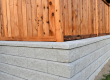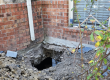
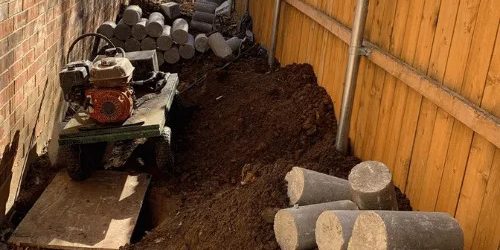
If your retaining wall is cracking, leaning, or letting water pool behind it, you are not alone. This guide helps homeowners and property managers in Dallas, TX understand the most common warning signs, what to check first, and when to call for structural retaining wall repair.
You notice a hairline crack in the face of your retaining wall, then a few weeks later you see a gap opening near the top. After heavy rain in Dallas, the soil behind the wall looks darker and stays damp longer than usual. Now you are wondering whether this is cosmetic or if the wall is failing to hold back the ground as intended.
Retaining wall issues often connect to drainage, moisture, and the way the wall interacts with the soil. In this post, you will learn how to spot the right “repair signs” early, what questions to ask during an inspection, and how to avoid common DIY mistakes that can make the problem worse.
- Quick answer
- What to check first
- Main things customers should understand
- Why this matters in Dallas, TX
- Common mistakes to avoid
- Customer checklist
- Frequently asked questions
Quick Answer
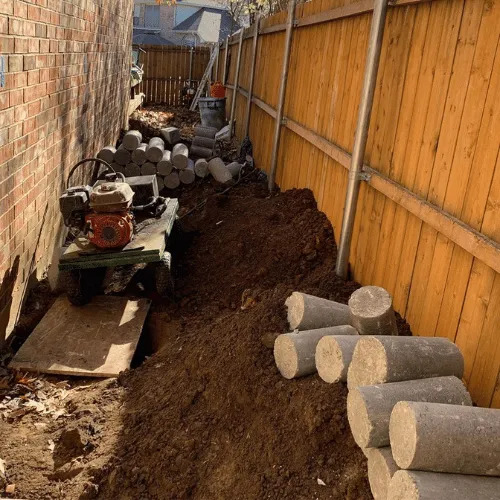
If a retaining wall is leaning, cracking, bulging, or showing signs of water buildup behind it, treat it as a structural concern, not just a surface problem. Start by checking for active movement (fresh cracks widening, stones shifting, or soil sloughing) and for drainage issues (standing water, damp patches, or clogged weep paths). In Dallas, TX, moisture can accelerate deterioration, so schedule an inspection when you first notice these symptoms. A professional retaining wall repair approach should address both the wall and the water management behind it.
What to Check First
Before you call, do a quick visual survey so you can describe what you are seeing clearly. If you can safely observe from a walkway or yard area, look for changes that happened after rain, and note where the problem starts and whether it is spreading.
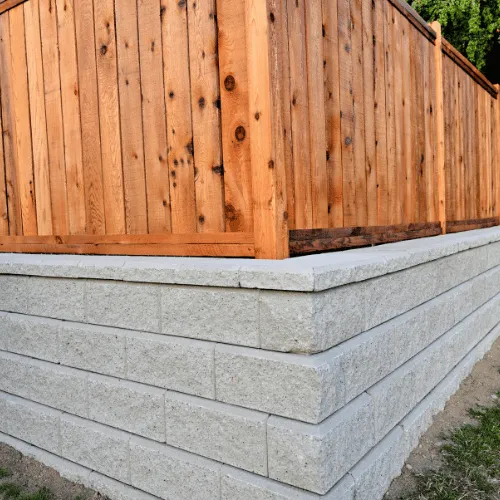
Look for movement, not just cracks
Cracks that get wider, stones that shift, or a wall top that appears to “creep” are stronger indicators of structural stress than a stable, old hairline crack.
Check drainage and moisture
Notice damp soil, muddy water, or areas where water seems to stay behind the wall after storms. Water pressure is often the driver behind failing retaining wall systems.
Inspect the soil face and edges
Look for soil sloughing at the base, voids near the footer area, or gaps around block joints. These can point to backfill problems and loss of compaction.
Professional observation: Many retaining wall failures begin behind the wall. When water cannot drain properly, it increases lateral pressure and pushes on the structure, which can show up as bulging, cracking, or leaning on the face.
Main Things Customers Should Understand
Retaining walls are engineered systems. Repair usually involves more than patching visible damage. The right approach depends on the wall type, how the soil is behaving, and whether drainage and moisture control are functioning.
| What you see | What it can indicate | What a good inspection checks |
|---|---|---|
| Wall face cracks that widen over time | Ongoing movement or loss of stability behind the wall | Whether the base and backfill are shifting, and whether drainage is allowing pressure to build |
| Bulging or leaning near the top | Excess lateral pressure from saturated soil | Backfill condition, drainage pathways, and signs of water migration |
| Soil washout at the base or gaps at block joints | Backfill displacement and possible voids | Whether materials behind the wall are eroding and how the wall is anchored or reinforced |
| Water pooling after rain or damp patches behind the wall | Moisture and drainage failure | Moisture control pathways and whether corrections are needed beyond surface fixes |
If your wall is part of a larger site issue, the “symptom” may be connected to foundation movement, sloping grades, or drainage patterns around the home. For example, residents who see settling in one area sometimes later discover the slope and runoff pattern are contributing to wall stress and moisture buildup.
For related structures, you may also want to review your site’s overall water management and how it interacts with foundation performance. If you are seeing foundation cracking patterns too, consider reading about foundation repair services to understand how structural issues and moisture often overlap.
Why This Matters in Dallas, TX
In Dallas, TX, retaining walls commonly face repeated cycles of heavy rainfall, quick drying, and seasonal soil expansion and contraction. That environment can magnify small problems into visible wall movement, especially when drainage behind the wall is limited or when runoff concentrates during storms.
Local insight: If your wall sits near a downspout discharge, a low spot in the yard, or a driveway slope, water may be redirecting toward the wall during storms. Addressing drainage correction can reduce pressure and help slow further movement.
Because retaining walls and crawl space areas can both be affected by moisture, homeowners sometimes see dampness symptoms elsewhere on the property. If your issue includes moisture control concerns beyond the wall itself, you may find it helpful to explore drainage correction and how proper runoff management supports long-term stability.
Common Mistakes to Avoid
It is tempting to treat retaining wall problems like cosmetic repairs. Unfortunately, patching the surface without addressing water and soil pressure can leave the root cause in place, leading to repeated cracks or faster deterioration.
Only sealing cracks
Surface crack repairs do not stop lateral pressure. If the wall is actively moving, sealing alone can delay observation and allow the condition to worsen.
Ignoring drainage
If water is staying behind the wall, the wall will continue to experience pressure. Any repair plan should consider moisture control and drainage pathways.
Replacing a section without checking the system
A short “spot fix” can shift stress elsewhere. Structural retaining wall repair should consider the whole alignment and how the soil is performing across the length.
Customer Checklist
Use this checklist before you schedule an inspection. It helps you communicate your observations and helps the contractor focus on the most likely causes.
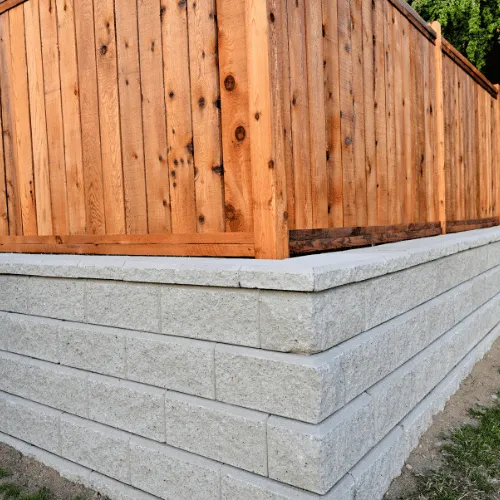
- Identify when you first noticed the issue (and whether it followed heavy rain).
- Mark where cracks, bulges, or leaning begin and whether they are spreading.
- Check for damp soil or standing water behind or at the base of the wall.
- Look for soil washout, loose block joints, or signs of material displacement.
- Note whether nearby grading, downspouts, or driveway slopes direct water toward the wall.
- Take a few dates of notes (even simple written dates) so changes over time are clear.
Representative Scenario
A homeowner in Dallas, TX noticed a decorative block retaining wall starting to separate near the top after a week of wet weather. The face showed new cracks, and the yard behind the wall stayed damp longer than it used to. Instead of patching the face, they documented when the symptoms appeared and asked for an inspection that included drainage and moisture control behind the wall.
During the review, the team focused on the relationship between water buildup and wall movement, because the wall was reacting to pressure from saturated backfill. After the drainage correction components were addressed, the wall stabilized and the homeowner had a clearer plan for long-term retaining wall repair and replacement decisions where needed.
Need a retaining wall repair plan you can understand?
If you are seeing cracking, bulging, or drainage-related symptoms, Elite Foundation Repairs can help you assess what is causing the movement and what structural retaining wall repair steps make sense for your property.
Contact Elite Foundation RepairsFrequently Asked Questions
Are hairline cracks in a retaining wall always a sign of failure?
Not necessarily. An old hairline crack that does not widen and does not coincide with movement or dampness may be less urgent. However, cracks that appear or grow after rain, especially alongside leaning, bulging, or gaps at block joints, suggest ongoing stress. The key is to watch for change over time and pair the visual check with moisture observations. If you see damp soil, water pooling, or signs of soil displacement, it is worth scheduling an inspection rather than waiting for the problem to get worse.
What role does drainage play in retaining wall problems?
Drainage is often the deciding factor. When water builds up behind a retaining wall, it increases lateral pressure on the structure. That pressure can push on the wall face and contribute to bulging, cracking, and leaning. A repair approach that only addresses the surface may not prevent recurring symptoms. During an inspection, contractors typically look for signs of moisture migration, damp backfill, and whether runoff patterns are directing water toward the wall.
Can retaining wall repair include full replacement?
Yes, depending on what is causing the movement and how far the damage has progressed. Some situations may respond to targeted structural retaining wall repair, while others require retaining wall repair and replacement to restore stability. The decision usually depends on the extent of shifting, the condition of the backfill, and whether drainage corrections can realistically stabilize the system. A good inspection explains the options clearly so you can choose a path that matches your property and the observed symptoms.
How is a retaining wall related to foundation issues?
They can be related through site grading and water movement. If water runoff patterns or soil conditions affect multiple areas of the property, you may see wall symptoms and foundation symptoms around the same time. That is why it helps to consider the whole property drainage plan, not only the retaining wall face. If you are also seeing foundation crack repair services concerns, reviewing sloping floor foundation repair can help you understand how ground movement and moisture can show up in different ways.
What should I document before scheduling help?
Document timing and location. Note when you first saw the issue, whether it followed rain, and which sections of the wall look most affected. If possible, record whether the wall appears to be moving (fresh gaps, shifting blocks, or widening cracks). Also observe moisture signs at the base. Even simple written notes dated by week can help a contractor interpret whether the condition is active and what to inspect first.
Get help for retaining walls near Dallas, TX
When you spot repair signs early, you can often make better decisions about drainage correction, moisture control, and whether retaining wall installation services or retaining wall repair and replacement is the best path.
Call Elite Foundation Repairs: (214) 856-9634
About Elite Foundation Repairs
Elite Foundation Repairs provides foundation repair and crawl space repair services for property owners across Dallas, TX and surrounding areas. If your retaining wall is showing cracking, bulging, or drainage-related symptoms, the team focuses on practical structural assessment and moisture-aware solutions so you can address the problem at its source. To learn more about retaining walls, visit Elite Foundation Repairs retaining walls.
Related resources: If your property has crawl space moisture concerns, explore foundation ventilation for background on moisture management. For crawl space structural repair and restoration questions, you can also review foundation repair services to connect common symptom patterns to the right inspection.