
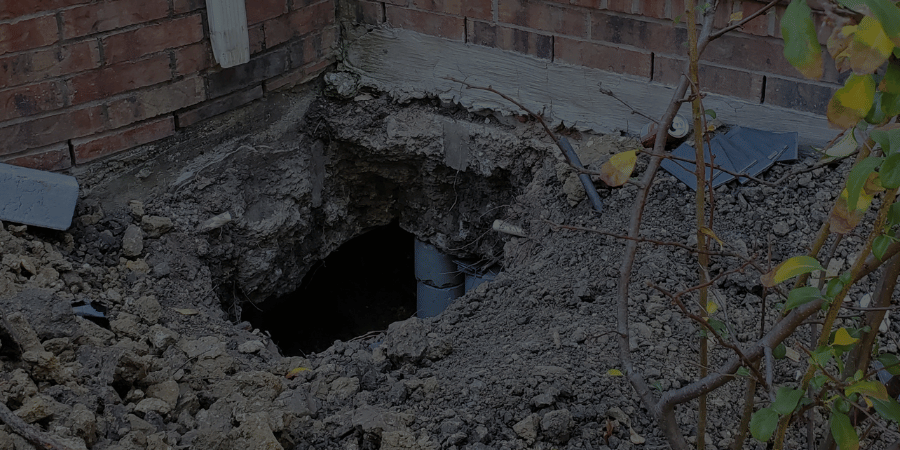
Retaining Walls That Protect Foundations: Smart Repair Choices
If your retaining wall is cracking, bowing, or pulling away, it can quietly shift soil and water pressure toward your home’s foundation. This guide explains how to make smarter repair choices so you protect your slab, crawl space, or basement from ongoing movement.
If you are noticing a retaining wall near your driveway or backyard that looks “out of line,” you might be wondering whether it is just an appearance issue or a foundation risk. In Dallas, TX, properties often face seasonal swings in soil moisture, and a wall that is not performing as intended can change how water reaches the ground around your home.
Homeowners also run into a frustrating decision point: do you repair the wall, repair the foundation, or address both at the same time? This article helps you understand what retaining wall problems typically signal, what to check first, and how foundation repair services should coordinate with drainage and moisture control.
Quick Answer
Retaining wall issues are often more than cosmetic. When a wall starts to bow, crack, or separate, it may be losing control of soil and water pressure that can affect your foundation. Start by identifying whether the problem is tied to drainage and moisture control, not just the wall surface. A professional foundation repair company will evaluate the wall, slope, and nearby foundation condition together, then recommend a coordinated plan. If you see active movement, prioritize inspection before you patch or replace only the visible concrete.
What to Check First
Before you commit to any retaining wall installation services or foundation crack repair services, do a basic, homeowner-friendly assessment. The goal is to spot patterns that suggest pressure, drainage failure, or ongoing soil movement.
Look for movement signals
Check for bowing, leaning, widening joints, fresh cracks, or pieces that look shifted. If the wall is still changing, repairs should be planned around the cause.
Check water paths
Notice where runoff goes during storms or after irrigation. If water collects at the base or flows toward the foundation, moisture control may be part of the solution.
Scan foundation indicators
Watch for new foundation cracks, doors that do not close normally, or uneven floors near the affected area. These can be tied to soil movement and hydrostatic pressure.
If you want a focused starting point for foundation-related symptoms, review foundation repair services and match what you see in your home to the type of foundation problem you are experiencing.
Main Things Customers Should Understand
Retaining walls work as part of a system. Even when the concrete or block looks intact, the wall can fail if the backfill, drainage, or reinforcement strategy is not keeping up with soil and water pressure. Here are the key factors that should guide smart repair choices.
1) Drainage and moisture control are usually the real drivers
Water is the biggest “multiplier” for pressure behind a retaining wall. If drainage is blocked or missing, the soil can become heavier and push harder against the wall. That same moisture can also affect the foundation footprint nearby.
Ask your contractor how they will address water movement, not just the wall’s appearance. If your situation includes crawl space structural repair needs, it may also connect to drainage correction.
2) Foundation repair should be coordinated, not isolated
When a wall contributes to soil pressure, foundation crack repair services alone may not solve the underlying condition. A coordinated approach can include both retaining wall repair and foundation stabilization strategies based on what is happening around the perimeter.
3) Crawl space and basement conditions matter
If your property has a crawl space, a retaining wall problem near exterior grading can influence how moisture reaches the crawl space area. That can lead to structural changes over time if vapor is not managed. For crawl space-related planning, explore foundation ventilation.
Professional observation: In Dallas, TX properties, retaining wall movement often shows up after periods of heavy rain or prolonged wet soil. When the wall shifts, the ground can change how it presses against the foundation, even if the foundation itself does not “look” severely damaged at first.
Why This Matters in Dallas, TX
Dallas, TX homes commonly include older slabs, raised foundations, and yards with engineered slopes that rely on retaining walls to manage grade. Over time, repeated wetting and drying can affect soil behavior. If a retaining wall is not draining correctly or has lost structural support, it can increase lateral pressure during wet periods and contribute to movement near the foundation.
That is why smart repair choices in Dallas tend to focus on system-level fixes: correcting how water travels, stabilizing the wall, and addressing any foundation crack repair needs that are tied to the same perimeter area.
Common Mistakes to Avoid
Homeowners typically want the simplest fix. Unfortunately, the wrong repair sequence can leave the root cause untouched.
- Only patching surface cracks without addressing drainage or backfill conditions behind the wall.
- Repairing the foundation first when the retaining wall is still actively moving and pushing soil toward the foundation.
- Ignoring grading and water flow at the wall base, downspouts, or nearby irrigation.
- Choosing replacement without a drainage plan, which can lead to the new wall repeating the same failure pattern.
If your home is showing signs of broader grade movement, you may also want to review sloping floor foundation repair to understand how perimeter movement can connect to interior floor changes.
Repair vs replacement: a decision table
Use the table below as a practical decision aid while you plan an inspection. Your contractor’s assessment should determine the final path, but these cues can help you ask the right questions.
| What you notice | What it may indicate | Repair approach to discuss |
|---|---|---|
| Hairline cracks with no visible shift | Possible minor stress or aging | Targeted retaining wall repair and evaluation of drainage paths |
| Bow in the wall face or widening joints | Soil pressure increasing behind the wall | System-level plan that addresses moisture control and soil pressure, not just surface patching |
| Wall separation from supporting areas | Loss of support or movement at the base | Retaining wall repair and replacement options depending on stability and drainage |
| Active cracking after storms | Water-related pressure changes | Drainage correction plus wall stabilization strategy |
| Multiple segments failing over time | Wider grading or perimeter pressure problem | Coordinated perimeter plan that can include foundation crack repair services where needed |
Get a coordinated plan for your wall and foundation
Protect the perimeter before the problem spreads
Elite Foundation Repairs can help you evaluate retaining wall repair and foundation repair services together, with an emphasis on moisture control and drainage correction where it matters most.
Contact Elite Foundation RepairsCustomer Checklist
Bring this checklist to your inspection so you can compare repair options clearly. It also helps you avoid vague scope work that targets only the visible wall.
- Record when the wall started shifting (after storms, irrigation changes, or seasonal wet periods).
- Note wall symptoms: bowing, leaning, joint widening, spalling, or fresh cracking.
- Confirm where water goes during runoff and whether it collects at the wall base.
- Walk the foundation line and document crack locations, door alignment, or floor unevenness.
- Ask whether the plan includes drainage correction and moisture control, not just wall surface repairs.
- Request a scope that explains how the retaining wall work will coordinate with any structural foundation repair specialists’ recommendations.
- If you have a crawl space, ask how crawl space structural repair company work (like encapsulation services) may relate to the perimeter moisture problem.
Representative scenario (what this often looks like)
A Dallas, TX homeowner notices a block retaining wall near the back of the property developing a noticeable bow. After heavy rainfall, water collects at the base and runs toward the foundation corner. Over the next few weeks, a nearby foundation crack becomes more visible, and a door starts sticking slightly.
Instead of patching the wall face, a coordinated approach focuses on the connection between water movement, soil pressure behind the wall, and the foundation crack repair services needed near the perimeter. This is the kind of situation where smart repair choices help prevent the same stress pattern from repeating.
Frequently Asked Questions
Can a retaining wall cause foundation cracks?
Yes. A retaining wall can contribute to foundation cracks when it fails to manage soil and water pressure behind it. If the wall bows, separates, or loses support, the ground may shift and apply additional stress near the foundation. In many cases, the best first step is to have the wall, drainage paths, and the foundation perimeter evaluated together so the repair plan addresses the underlying cause, not just the visible crack.
Should I repair the wall or the foundation first?
In most situations, you should avoid treating the wall and foundation as separate problems. If the retaining wall is actively moving or drainage is failing, the foundation may continue to experience pressure even after foundation crack repair services. A coordinated inspection helps determine whether wall stabilization and drainage correction should come before or alongside foundation repairs, based on what is driving the movement around the perimeter.
What signs suggest the retaining wall needs professional attention?
Pay attention to bowing, leaning, widening joints, fresh cracking, spalling, or sections that appear shifted. Also watch for changes after storms or irrigation adjustments, since that can point to water-related pressure behind the wall. If you also see foundation indicators like new cracks or doors that no longer align, it is a strong reason to request an inspection for both the retaining wall and the foundation area.
How does drainage correction fit into retaining wall repair?
Drainage correction helps control how water moves through the soil and away from the wall base. When drainage is blocked or missing, water can increase pressure against the wall and contribute to ongoing movement. A smart repair plan typically addresses the water pathway, supports the wall structure, and coordinates with any foundation crack repair needs nearby so the perimeter conditions do not keep re-triggering the problem.
Do crawl space repairs ever relate to retaining wall problems?
They can. If moisture from yard runoff or a failing retaining wall influences the crawl space perimeter, it may increase dampness and stress conditions over time. That does not mean every retaining wall issue requires crawl space encapsulation services, but it is worth asking how moisture control and crawl space repair strategies connect to the same perimeter area. A professional assessment can clarify whether crawl space structural repair company work is part of a coordinated plan.
When is retaining wall repair different from retaining wall replacement?
Repair is usually considered when the wall shows localized distress and can be stabilized with targeted work and proper drainage correction. Replacement may be recommended when the wall has significant movement, widespread failure, or stability limitations that targeted repairs cannot address. The right choice depends on the wall’s current performance, the cause of movement, and how it affects the foundation perimeter.
Ready for a perimeter-focused inspection?
Talk with a local foundation repair team in Dallas, TX
If your retaining wall and foundation concerns overlap, Elite Foundation Repairs can help you evaluate the situation and plan next steps around moisture control and drainage correction.
(214) 856-9634Or visit retaining walls repair and replacement for more guidance.
