Foundation Repair for Bowed Walls: Crack Repair Strategies
If you’re seeing widening cracks, sticking doors, or a wall that looks like it’s moving inward, you’re probably wondering whether crack repair alone will fix the problem. This guide breaks down what bowed walls usually mean, what crack repair can and cannot do, and how homeowners in Dallas can choose the right next steps for foundation repair services.
One weekend in Dallas, a homeowner notices a hairline crack near the corner of a cinder block wall. A few weeks later, the crack looks wider, and a nearby interior door starts dragging at the bottom. The wall also seems slightly out of plumb compared to old photos.
You can patch cracks, but bowed walls usually signal a deeper structural problem. The real question is whether the cracking is caused by movement that needs structural foundation repair, or by moisture that needs moisture control and sealing.
This guide helps you understand the difference between surface patching and structural crack repair, what to check first, and what a coordinated plan often includes, from crack sealing to moisture control crawl space repair and drainage correction.
Quick Answer
Cracks on a bowed foundation wall often keep changing because the wall is still moving. Crack repair strategies work best when they address the cause of the bowing, not just the visible crack. Start by documenting crack width and locations, then look for movement signs like doors that stick or floors that slope. For most residential foundation repair cases, a professional evaluation should guide whether you need structural foundation repair specialists, crack sealing like epoxy foundation crack repair, and moisture control such as drainage correction and crawl space encapsulation. If the wall is actively moving, crack repair alone usually will not hold.
What to Check First
Before you buy materials or schedule patching, do a quick homeowner “triage” so you can describe the issue clearly. This is also the information a professional foundation repair company will use to plan structural repairs.
- Track the crack: Measure the widest opening with a ruler or gauge and note whether it changes over days or weeks.
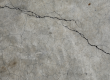
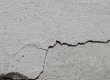
- Map the crack pattern: Take photos straight-on from the same angle and distance. Note if cracks are vertical, diagonal, or stepped.
- Check for movement: Look for sticking doors and misaligned window frames. Check whether baseboards crack or separate.
- Inspect nearby moisture sources: Stains, damp drywall, musty odors, or water near the wall can point to moisture control needs.
- Look for related structural signs: Floors that feel uneven, gaps at tile edges, or visible bowing in basements or crawl space support areas.
Professional observation: Bowed walls and cracking are often linked to pressure behind the wall, soil movement, or water management problems. Crack sealing is a useful tool, but it is not a substitute for correcting the underlying cause of movement.
Crack sealing (when the structure is stabilized)
After movement is addressed, sealing helps reduce water intrusion and improves durability of the repair area.
Structural crack repair options
Some cases call for epoxy foundation crack repair specialists techniques, especially when cracks are part of a larger structural system.
Moisture and water control
Drainage correction and crawl space solutions can reduce the recurring conditions that contribute to cracking and wall stress.
Main Things Customers Should Understand
Bowed wall repairs are rarely one-size-fits-all. The best plan usually combines structural stabilization with crack repair and moisture control, because water and ongoing movement can work together.
1) Crack width is a clue, not the whole story
A crack that is widening typically means the wall is still undergoing movement. In that situation, a cosmetic patch can fail or re-crack. Concrete foundation crack repair and structural crack repair contractor approaches focus on restoring performance, not only appearance.
2) Epoxy and sealing are often part of a bigger system
Epoxy foundation crack repair specialists strategies can help when cracks need to be bridged and sealed. However, the sealing step tends to work best after the wall’s behavior is stabilized. That is why many homeowners benefit from a full foundation repair services plan rather than a single crack product.
3) Moisture control can be as important as the crack
When water is present near the bowed wall, it can increase pressure and contribute to repeated cracking. If your home has a crawl space, moisture control crawl space repair and crawl space encapsulation services may be part of the recommended path, especially if humidity is causing ongoing stress.
You can learn more about related services here:
| Situation you notice | What it often suggests | Common repair strategy | Why it matters for bowed walls |
|---|---|---|---|
| Crack width increases over weeks | Ongoing wall movement | Structural foundation repair specialists plus sealing after stabilization | Sealers alone may re-crack if movement continues |
| Visible bowing plus damp areas | Moisture pressure contributing to stress | Drainage correction and moisture control crawl space repair | Water management helps reduce recurring pressure |
| Sticking doors, uneven floors, cracked drywall | More than a surface issue | Structural crack repair contractor assessment and coordinated repairs | Fixing only the crack may not restore alignment |
| Cracks remain stable but leak or show staining | Water intrusion through existing crack paths | Basement and foundation crack sealing and sealing-focused repairs | Sealing can reduce water entry when movement is addressed |
4) Retaining walls and slope-related movement can play a role
In some Dallas properties, soil conditions and grade changes can increase lateral pressure. If the bowed wall is near a slope or supported by a retaining system, you may need retaining wall installation services, retaining wall repair and replacement, or block retaining wall installation to reduce forces acting on the foundation.
If this sounds familiar, review related work such as retaining walls and sloping floor foundation repair.
Professional observation: A crack can look “clean” and still be part of an active system. The most reliable approach is to treat bowed walls as a structural behavior problem, then use crack repair and sealing to finish the job.
Why This Matters in Dallas, TX
Dallas homes can face repeating moisture and soil stress cycles through seasonal storms and changing humidity levels. When water management is inconsistent, it can affect the soil around the foundation and increase the likelihood of cracking along bowed wall areas.
For many homeowners, this is also the practical part: you want repairs that hold up through normal weather swings. That usually means addressing drainage correction, ensuring crawl space structural repair company needs are covered when applicable, and using foundation crack repair services that fit the actual cause of the bowing.
Need a clear repair plan for a bowed wall and cracks?
Elite Foundation Repairs can help you understand what to prioritize for structural stabilization, foundation crack repair, and moisture control options in Dallas, TX.
Contact Elite Foundation RepairsCommon Mistakes to Avoid
Homeowners often try to solve bowed wall cracks with quick fixes. Those solutions can look better at first, but they can also hide ongoing movement.
- Only patching the crack: If the wall is still bowing, the crack can re-open and the patch becomes a recurring maintenance issue.
- Ignoring moisture sources: If water is getting near the foundation wall, sealing without moisture control may not last.
- Using a product without addressing movement: Concrete foundation crack repair products are most effective when the structural behavior is stabilized first.
- Not documenting changes: Without photos and measurements, it’s harder to determine whether the problem is active or stable.
- Overlooking crawl space conditions: For homes with a crawl space, moisture control encapsulation systems and full crawl space sealing and insulation may be critical to reduce humidity and water exposure.
Customer Checklist
Use this checklist before you schedule professional evaluation for bowed walls. It helps you ask better questions and ensures your contractor can plan structural foundation repair and foundation crack repair services efficiently.
- Record crack measurements (widest opening) and take clear photos from the same angle.
- Note whether cracks are changing, and when you first noticed bowing or water-related signs.
- Check doors and windows for sticking, gaps, or misalignment.
- Inspect for moisture indicators near the wall, including damp areas, staining, or musty odors.
- Confirm whether your home has a crawl space and whether you see signs of high humidity or standing moisture.
- Ask whether drainage correction and moisture control should be included in the repair scope.
- Request a plan that explains how crack sealing or epoxy foundation crack repair specialists methods fit after stabilization.
Representative scenario (anonymized)
A Dallas homeowner noticed diagonal cracking near a bowed basement wall and reported that a nearby exterior door started sticking during heavy rain. A professional evaluation focused on two linked issues: active wall movement and water-related conditions around the foundation.
The repair plan included structural stabilization first, then basement and foundation crack sealing to reduce water intrusion through the crack path. The homeowner also worked through drainage correction steps so that the soil and surrounding conditions were less likely to keep stressing the wall.
Frequently Asked Questions
Can I repair a bowed wall crack myself?
You can sometimes patch a crack cosmetically, but bowed wall cracks often indicate ongoing movement. If the crack is widening or the wall is visibly out of plumb, DIY patching may not hold because structural forces can reopen the crack. A practical approach is to document the crack and look for movement signs like sticking doors or uneven floors, then schedule a professional assessment. That helps determine whether foundation crack repair services should focus on sealing after stabilization, or whether structural foundation repair is needed first.
What is epoxy foundation crack repair, and when is it used?
Epoxy foundation crack repair is a sealing and bridging approach used to address cracks in concrete foundation systems. It is most effective when the underlying movement is addressed, because a crack that keeps shifting can cause sealed areas to fail or re-open. If your bowed wall has active indicators like changing crack widths or ongoing misalignment, the right sequence usually starts with structural stabilization and then moves to sealing. Ask your contractor how epoxy fits into the overall structural foundation repair plan.
Does drainage correction help with foundation cracks?
Yes, drainage correction can be important because water near the foundation can increase soil pressure and contribute to recurring cracking. Even when a crack repair is done, returning moisture conditions can lead to new cracking or renewed stress. In Dallas, where storms and seasonal conditions can affect how water behaves around the home, addressing drainage correction is often part of a complete strategy. If your bowed wall area shows dampness, staining, or musty odors, combining structural repairs with moisture control tends to be the most practical path.
Should I worry about crawl space encapsulation for bowed walls?
If your home has a crawl space, moisture control can play a direct role in protecting the foundation system. Crawl space encapsulation services, including vapor barrier crawl space encapsulation and full crawl space sealing and insulation, help reduce humidity and moisture exposure. When moisture control is missing, conditions can contribute to ongoing problems near foundation elements. A professional crawl space structural repair company can evaluate whether moisture control encapsulation systems are appropriate as part of your residential crawl space restoration plan, especially when bowed wall issues are linked to dampness.
How do I tell if the crack is active or stable?
A practical way to judge activity is to measure and photograph the crack over time. If crack width increases, or if you see new separation along drywall, baseboards, tile, doors, or window frames, it often suggests movement. Stable cracks usually do not change noticeably, and the surrounding finishes remain consistent. Even with stable-looking cracks, bowed walls can still indicate underlying behavior. That is why it’s smart to combine visual checks with a professional evaluation focused on structural foundation repair specialists and moisture conditions.
Get help choosing the right bowed wall crack repair strategy
If you’re dealing with foundation crack repair services for bowed walls in Dallas, TX, Elite Foundation Repairs can help you sort out what needs structural attention versus what can be sealed once movement is stabilized.
Talk to Elite Foundation Repairs