Foundation Repair After Settling: Restoring Stability Confidently
If you see new cracks, doors that do not close right, or floors that feel uneven after a settlement event, you are not imagining it. This guide explains what “settling” usually means, what to check in a Dallas, TX home, and how to choose foundation repair services that address the cause, not just the symptoms.
After heavy rain or a long dry stretch, you may notice the house “feels different.” In Dallas, TX, that often shows up as a basement wall that looks a bit more out of plumb, drywall cracks that seem to widen, or a front door that suddenly drags when you open it.
If you already patched a crack once, it can be frustrating to see it return. The bigger question is whether the structure has truly stabilized or if the movement is still ongoing under the concrete.
This guide helps you understand what to check first, which signs matter most after settling, and how structural foundation repair specialists typically approach stabilization, moisture control, and long-term crawl space or basement protection.
Quick Answer
After a foundation settles, the safest next step is to confirm whether the movement has stabilized and identify the likely cause before choosing repairs. Start by checking crack patterns, doors and windows for misalignment, and signs of moisture around the foundation. If the structure is still moving, surface-level crack repair usually will not hold. A professional foundation repair company should evaluate structural foundation repair needs, then pair the fix with drainage or moisture control strategies to help prevent repeat issues. For homes with crawl spaces, crawl space repair services and vapor barrier crawl space encapsulation can be part of a complete plan.
What to Check First
Before you call anyone, you can gather useful clues. These checks do not replace a site evaluation, but they help you ask better questions and avoid guessing.
Professional observation: Movement that continues after “settling” is often visible in how cracks change over time and how doors behave, not just in how a crack looks on one day.
1) Track cracks like a homeowner, not like a guesser
- Location: Are cracks mainly along exterior walls, interior corners, or around openings?
- Pattern: Do they stay mostly straight, or do they step and widen unevenly?
- Change: Photograph the same cracks every few weeks to see whether width and length are progressing.
2) Test doors, windows, and floors
- Doors: Note dragging, sticking, or gaps that appear at the top or bottom.
- Windows: Watch for binding during opening and closing.
- Floors: If you feel noticeable slope or unevenness, document where it is most obvious.
3) Look for moisture and drainage clues
Settlement issues can be worsened by water management problems. Check for evidence of excess dampness near the foundation, musty odors, or standing water patterns after rain. If moisture is present, repairs often need to include drainage correction and crawl space or basement crack sealing approaches.
Foundation crack repair services
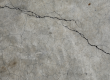
Cracks can be a visible symptom of underlying movement. Proper assessment helps determine whether you need structural foundation repair specialists or targeted crack sealing.
Crawl space repair services
If your home has a crawl space, moisture and ventilation issues can contribute to deterioration and affect stability over time.
Drainage correction
Managing water around the foundation is often part of a complete stabilization plan, especially when the settling seems tied to wet or dry cycles.
Main Things Customers Should Understand
When foundation repair is needed after settling, homeowners usually want two answers: what caused the movement and what will stop it from continuing. The best plans connect structural repair to the conditions around the foundation.
Stabilization first, cosmetic patching second
Concrete foundation crack repair can make a home look better, but it is not always the end of the story. If the foundation is still shifting, repairs that only cover cracks may fail again. Structural crack repair contractor work typically starts with evaluating whether the slab, piers, walls, or supporting elements need correction.
Crack sealing may be part of a larger system
Many homeowners ask about basement and foundation crack sealing. In practice, sealing is often used when you want to address water intrusion and air movement, but it works best when the structure is already stabilized. In some cases, epoxy foundation crack repair specialists may be part of the plan for concrete cracks, depending on what the evaluation finds.
Crawl space moisture control is not optional for many homes
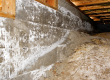
For residential crawl space restoration, moisture control matters because damp air can contribute to deterioration of materials and create conditions that make other repairs more complicated. That is why professional crawl space repair contractor work sometimes includes moisture control encapsulation systems and full crawl space sealing and insulation strategies.
Sloped or uneven sections may require specialized approaches
If your floors are notably sloped or if the foundation shows signs consistent with settlement beyond minor cracking, you may need more targeted options. For example, sloping-floor foundation repair can address issues where the structure has shifted enough to affect how the home sits.
Explore sloping floor foundation repair
Why This Matters in Dallas, TX
Dallas, TX homes can experience noticeable seasonal changes in moisture conditions. When the soil and surrounding environment go through wet and dry swings, it can influence how foundation components behave. That is why local foundation repair experts pay attention to more than just the crack.
In the field, we often see that homeowners focus on the most visible problem area, while water pathways and drainage correction issues are happening elsewhere around the property. When repairs in Dallas, TX include addressing moisture sources and water management, homeowners typically feel more confident that the foundation repair plan is addressing the conditions that contributed to settling in the first place.
Local focus: For many Dallas, TX properties, controlling water around the foundation and protecting crawl spaces from moisture can be just as important as the structural foundation repair itself.
| Situation after settling | What it often suggests | What a professional plan may include |
|---|---|---|
| Cracks appear and widen over time | Movement may still be occurring | Structural foundation repair evaluation before relying on crack repair alone |
| Doors drag or gaps change at the same areas as cracks | Settlement can be affecting alignment | Assessment of load-bearing elements and correction approach matched to the home’s condition |
| Musty smells or dampness in the crawl space | Moisture control may be a contributing factor | Crawl space encapsulation services, vapor barrier crawl space encapsulation, or moisture control encapsulation systems |
| Water collects near foundation edges after rain | Drainage correction may be needed | Drainage correction steps paired with structural repair planning |
| Visible slope or uneven floors | More than minor settling | Sloping-floor foundation repair approach to address the underlying shift |
Middle CTA
Need a clear plan for foundation repair after settling?
If you are dealing with cracks, misaligned doors, or crawl space moisture issues in Dallas, TX, Elite Foundation Repairs can help you understand what to prioritize first. Call and describe what you are seeing, including when it started and whether it has changed.
(214) 856-9634Common Mistakes to Avoid
Homeowners often make well-meaning choices that do not hold up after settling. These are a few patterns we see frequently.
- Only patching the visible crack: If the foundation is still moving, cosmetic work may fail and you may end up repeating repairs.
- Ignoring moisture clues: When water management problems are present, structural foundation repair may not perform as intended without drainage correction and moisture control.
- Assuming all crawl space problems are “just humidity”: Residential crawl space restoration often benefits from crawl space encapsulation services and crawl space structural repair company approaches when needed.
- Waiting too long to document changes: If you can photograph cracks over time, it becomes easier to understand whether the issue is stabilizing or progressing.
- Overlooking retaining wall influences: If your property includes retaining wall installation services, block retaining wall installation, or areas where retaining wall repair and replacement is needed, water and soil movement can affect nearby foundation conditions. If that is part of your situation, review Elite Foundation Repairs’ retaining walls services.
Representative (Anonymized) Scenario
A homeowner in Dallas, TX noticed widening interior drywall cracks near a corner and a front door that began sticking. They had attempted a quick patch earlier, but the crack returned after the next wet period. During the homeowner’s follow-up observations, they also found dampness around the crawl space area.
Rather than treating the crack cosmetically, the evaluation focused on whether the structure was still responding to conditions around the home. The final plan prioritized stabilization and paired it with moisture control steps appropriate for a crawl space environment. The goal was to restore stability confidently, not just improve appearance for a few months.
Customer Checklist
- Photo the cracks: Take clear pictures from the same angles every few weeks.
- Mark the locations: Note where cracks appear, including corners, window openings, and exterior wall segments.
- Test doors and windows: Check whether sticking happens at the top, bottom, or along the frame.
- Document floor changes: Note any unevenness in hallways, doorways, or high-traffic rooms.
- Inspect for moisture: Look for damp spots, odors, and signs of water near foundation edges.
- Check drainage patterns: After rain, note where water runs or pools.
- Consider crawl space conditions: If you have a crawl space, look for dampness and ventilation-related clues.
- Ask about the cause: Confirm how the repair plan addresses why settling happened, not only what you can see today.
Frequently Asked Questions
How can I tell if my foundation settling is still active?
Start with “change over time.” If you notice cracks widening, new cracks appearing, or doors and windows becoming harder to open and close, that often points to ongoing movement. Photographing the same crack locations on a schedule helps you see whether the problem is stabilizing or progressing. Moisture clues matter too, because water conditions can influence movement. A professional foundation repair company can confirm what is happening structurally and recommend the right next steps.
Is foundation crack repair enough after settling?
Crack repair can be part of the solution, but it depends on whether the structure has stabilized. If the foundation is still shifting, purely cosmetic or surface-level work may not last. Many plans include structural foundation repair specialists’ evaluation first, then crack sealing or concrete foundation crack repair methods where appropriate. The best approach matches the repair to the root cause, including moisture control and drainage correction when those factors are present.
What role does moisture control play in crawl space repairs?
Moisture control can be critical in residential crawl space restoration because damp environments can affect materials and create conditions that complicate other repairs. Professional crawl space repair contractor approaches often evaluate ventilation, sealing, and encapsulation needs. Crawl space encapsulation services may include vapor barrier crawl space encapsulation and moisture control encapsulation systems. When full crawl space sealing and insulation are included, it helps create a more consistent environment that supports long-term stability.
Should I worry about sloped floors or unevenness?
Uneven floors can be more than a cosmetic issue. If you are seeing noticeable slope, that can indicate the structure has shifted enough to change how the home sits. In those cases, sloping-floor foundation repair may be the right direction because the plan needs to address the underlying settlement pattern. Documenting where the unevenness is most obvious and how it changed over time helps your contractor evaluate what corrective measures are appropriate.
When should I consider drainage correction?
If water pools near foundation edges or the problem seems tied to wet periods, drainage correction should be part of your repair discussion. Water management affects how soil and foundation elements respond. A professional plan can connect drainage correction steps with structural repair and moisture control, so you are not relying on crack repair alone. If your property has grading issues or runoff patterns, addressing them can reduce the chance of repeat problems.
Can retaining walls affect foundation performance?
Yes. Areas near retaining wall installation services, including block retaining wall installation, can influence how water and soil move across a property. If retaining wall repair and replacement is needed, the condition of those walls and the surrounding drainage can affect nearby foundation conditions. If you suspect a retaining wall is contributing, review retaining wall details with your contractor so the foundation repair plan accounts for the full site picture.
Final CTA
Talk to Elite Foundation Repairs in Dallas, TX
Whether you need foundation repair services, residential crawl space restoration, or a plan that includes drainage correction, the first step is getting your situation assessed. Call to discuss what you have noticed and what changed since the settling began.
(214) 856-9634Prefer to explore first? Visit elitefoundationrepairs.com.