
Retaining Walls and Foundation Repair: Preventing Costly Shifts
If you are seeing new cracks, doors that do not latch right, or a backyard retaining wall that looks “off,” the cause is often tied to how soil and water behave around your home. This guide explains how retaining wall performance and foundation movement connect, what to check first, and how to choose the right repair approach for Dallas homes.
Your retaining wall started as a clean border for the yard. Now you notice a slight bow, a few loose blocks, and damp spots after rain. A week later, you see a new hairline crack near a window or a door that drags when the weather changes.
When the wall and the foundation share the same soil and drainage conditions, small shifts can become bigger problems. This post will help you understand what signs to look for, why moisture control matters, and how professional foundation repair services can address the movement instead of just “patching” the visible damage.
Quick Answer
If a retaining wall is shifting or water is pooling near your home, it can contribute to foundation movement, including crack growth and uneven settling. Start by checking for drainage problems, wall displacement, and changes around doorways, windows, and crawl space areas. Then prioritize repairs that address the source, not only the symptoms. In Dallas, moisture control and proper drainage correction are often key partners to structural foundation crack repair services. Contact a local foundation repair company like Elite Foundation Repairs to inspect the wall and foundation together so the plan matches the real cause.
What to Check First
Before you start moving soil, removing blocks, or sealing cracks, take a careful look. The goal is to identify whether the issue is primarily water, soil movement, or structural displacement.
1) Watch the wall
Look for bowing, bulging, leaning, or gaps between blocks. If the wall looks worse after heavy rain, water pressure is likely a factor.
2) Check foundation lines
Track cracks near corners and openings, and note whether they widen over time. Also watch for sticking doors or uneven floors.
3) Follow the water
Notice runoff paths, wet soil, and any downspouts that discharge toward the foundation or the base of the retaining wall.
Professional observation: Retaining walls and foundations can “react” to the same moisture and soil conditions. If you only repair one side, the other can continue to move.
Main Things Customers Should Understand
Retaining wall installation services and foundation repair services often overlap because both depend on stable soil and controlled water flow. Here are the practical concepts homeowners in Dallas usually need to make good repair decisions.
How wall movement can affect the foundation
When a retaining wall loses alignment or drainage performance, the soil behind it can exert additional lateral pressure. Over time, that pressure may influence how the ground settles around the home’s perimeter. The result can show up as foundation crack repair services, shifting near doorways, or unevenness that becomes more noticeable seasonally.
Why drainage correction is not optional
Most “retaining wall problems” are actually water problems. If water cannot move away from the wall and foundation, it can saturate soil and increase pressure. That is why drainage correction is commonly paired with structural foundation repair work.
Crawl space and moisture control connections
If your home has a crawl space, moisture can worsen soil conditions and contribute to ongoing movement risks. Elite Foundation Repairs provides foundation ventilation and crawl space-focused solutions designed to improve moisture control. If you are also dealing with encapsulation needs, their crawl space repair services-oriented approach helps homeowners focus on the environment under the home.
Cracks: what “repair” can mean
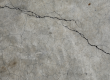
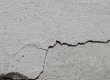
Not all cracks are the same. Some are surface-level, while others reflect structural crack movement. A professional inspection helps determine whether you need concrete foundation crack repair, structural crack repair contractor methods, or basement and foundation crack sealing strategies. In some situations, epoxy foundation crack repair specialists methods may be used as part of a broader plan that addresses movement and moisture.
| What you notice | Likely driver | Typical next step |
|---|---|---|
| Retaining wall bowing or block separation | Unmanaged soil pressure and/or drainage issues | Retaining wall repair and replacement assessment, plus drainage correction |
| Cracks growing near corners or window/door openings | Structural foundation movement | Structural foundation repair specialists inspection and structural crack repair contractor approach |
| Wet soil, muddy base, or damp crawl space smells | Moisture control failure | Moisture control crawl space repair steps and foundation moisture control plan |
| Sloping floors or unevenness over time | Settlement patterns linked to soil stability | sloping floor foundation repair evaluation |
Why this matters in Dallas, TX
In Dallas, homeowners often notice that yard and foundation issues show up or intensify after major rain events and seasonal shifts. Even if the wall looks “mostly fine,” small changes in water flow can saturate the soil behind a retaining wall and around a foundation perimeter. That is why local foundation repair experts focus on the system, not just the appearance.
Local insight: Many Dallas properties sit with grade changes, mature landscaping, or older drainage layouts. When runoff patterns shift, the base of a retaining wall can become a consistent source of moisture that impacts foundation stability.
A representative scenario (what this often looks like)
A homeowner in Dallas, TX notices a backyard retaining wall that gradually leans outward. A few months later, a crack appears near a window on the lower level, and a bedroom door starts sticking during humid weather. The homeowner tries patching the crack and tightening a few loose stones, but the changes keep returning after rainfall.
In cases like this, the most effective plan typically starts with identifying how water moves around the wall and into the soil. From there, the repair approach can combine retaining wall installation services or retaining wall repair and replacement with foundation repair, focusing on structural foundation crack repair services and moisture control. Elite Foundation Repairs can also review whether crawl space conditions are contributing by addressing crawl space structural repair company needs and crawl space encapsulation services when appropriate.
Get an inspection plan for your wall and foundation
If you want a straightforward path forward, the next step is a combined assessment so the retaining wall and foundation repairs match the real cause. Elite Foundation Repairs serves Dallas, TX and surrounding areas.
Call or contact Elite Foundation RepairsCommon Mistakes to Avoid
Homeowners typically do not set out to make things worse. Still, a few missteps can turn a manageable issue into a recurring problem.
- Sealing cracks without addressing the movement: If the underlying soil or moisture driver continues, cracks often return.
- Repairing the wall while ignoring drainage: A wall can be rebuilt or realigned, but water pressure may keep building behind it.
- Waiting until problems spread: Early signs like wall bowing, door sticking, or crack growth give valuable clues about what to fix first.
- Using one “surface fix” everywhere: Concrete foundation crack repair and structural crack repair contractor methods are not interchangeable for every crack pattern.
Customer Checklist
Use this checklist when you are preparing for a residential foundation repair contractor conversation with Elite Foundation Repairs. It helps you describe symptoms clearly and supports a more accurate inspection.
- Record when wall leaning, block movement, or gaps started (and whether it worsens after rain).
- List visible foundation crack locations, including near corners, window/door openings, and along exterior edges.
- Note any door or window sticking, especially when humidity changes.
- Track floor unevenness (areas that feel “sloped” or where furniture shifts).
- Identify water sources: downspouts, grading toward the foundation, pooled areas, or damp crawl space signs.
- Check whether the crawl space shows moisture, condensation, or musty odors (if applicable).
- Bring photos of the retaining wall, cracks, and any wet spots after heavy rainfall.
Frequently Asked Questions
Can a shifting retaining wall cause foundation cracks?
Yes, it can. A retaining wall that loses alignment, drainage performance, or support can contribute to soil pressure behind the wall. If that soil movement affects the area near your home’s perimeter, you may notice foundation crack repair needs over time. The key is to identify whether the driver is structural movement, moisture accumulation, or both. A professional inspection helps connect the wall behavior to the foundation signs you are seeing, so repairs address the cause instead of only the visible crack.
Should I repair the wall or fix the foundation first?
In many cases, the best sequence depends on what is driving the movement. If drainage and water pressure are the main cause, drainage correction and moisture control steps often come first, followed by structural work. If the foundation shows signs of structural foundation repair, it typically needs to be evaluated alongside the retaining wall. Elite Foundation Repairs focuses on the relationship between retaining walls and foundations so the plan is coordinated, which reduces the chance of repeated issues.
What does professional foundation crack repair usually involve?
Foundation crack repair can range from targeted structural crack repair methods to concrete foundation crack repair approaches and basement and foundation crack sealing strategies, depending on the crack behavior. Some cracks are surface-level and may respond differently than cracks that reflect ongoing movement. A structural foundation repair specialist typically evaluates crack width changes, location patterns, and surrounding conditions such as moisture. That helps determine whether epoxy foundation crack repair specialists methods are appropriate as part of a larger moisture control plan.
How can I tell if crawl space moisture is part of the problem?
If you have a crawl space, moisture signs like musty odors, visible dampness, condensation, or persistent wet soil can point to a moisture control issue. In Dallas homes, moisture can fluctuate with seasonal humidity and rainfall. Since crawl spaces can influence how soil behaves around the foundation, addressing crawl space repair services may be a practical part of a full plan. Elite Foundation Repairs can review crawl space conditions and discuss options such as crawl space encapsulation services and moisture control encapsulation systems when they fit the situation.
Do I need retaining wall repair and replacement or just minor adjustments?
Minor adjustments may be enough when the wall is still stable and drainage is functioning properly. If you see bowing, repeated block movement, or signs that the wall is losing support, retaining wall repair and replacement may be necessary to restore stability. The decision should consider how the wall behaves after rain, whether water is pooling near the base, and whether soil behind the wall is being managed. A professional assessment helps confirm what to rebuild and what to fix to prevent the issue from returning.
Protect your home’s stability with a coordinated repair plan
Retaining walls and foundation repair work best when they are planned together. If you are dealing with foundation crack repair services, a shifting wall, or moisture concerns in Dallas, TX, contact Elite Foundation Repairs today.
Explore foundation repair services