Crawl Space Repair That Protects Your Foundation Integrity
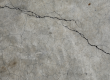
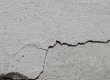
A homeowner in Dallas called us after noticing a musty odor that seemed to “live” under the house—especially after heavy rain. Over the next few weeks, she also saw new hairline cracks appear in a few interior corners near exterior walls. The cracks weren’t dramatic, but they kept showing up in the same areas where the crawl space vents sat. She’d already cleaned and painted once, but the smell returned quickly.
That combination—persistent moisture in the crawl space plus recurring cracking upstairs—is one of the most common patterns we investigate in North Texas. In many homes, the crawl space isn’t just uncomfortable or smelly. It can be a direct driver of foundation movement by adding moisture to soils, increasing hydrostatic pressure, and accelerating wood decay and masonry deterioration.
Quick Answer
Crawl space repair protects foundation integrity by controlling moisture, stabilizing soils around footings, and preventing vapor intrusion. The right approach usually includes fixing the water source (grading/drainage and downspout discharge), addressing damaged or failing drainage components, and installing proper moisture control—often with vapor barrier crawl space encapsulation, crawl space sealing, and insulation where appropriate. If movement is already occurring, structural stabilization may also be necessary.
What We Commonly See in North Texas Homes
In Dallas and surrounding areas, crawl spaces are often overlooked because they’re out of sight. But we frequently find the same “quiet” problems during inspection:
- Vapor intrusion and standing moisture on crawl space floors or on the underside of subflooring
- Wet rim joists and insulation (or insulation that’s been repeatedly soaked and dried)
- Deteriorated wood posts and beams caused by prolonged humidity
- Cracks that correlate with damp locations—especially near exterior walls and corners
- Gaps where air and water can travel, including around plumbing penetrations, vents, and entry points
One firsthand observation we make often: homeowners will show us visible cracks in the living areas, but the crawl space tells a different story. In several cases, the most severe moisture damage is concentrated near the same wall lines where the foundation shows early stress. That’s not coincidence—water pathways and soil moisture changes tend to follow the same routes.
Why Crawl Space Moisture Can Lead to Foundation Movement
Moisture doesn’t always “look” like a flood. It can be vapor, humidity, or intermittent water infiltration that keeps the soil around the foundation in a cycle.
Here’s the mechanics we use to explain it to homeowners:
1. Soil expands and contracts with moisture changes
North Texas soils—particularly expansive clay—can swell when they stay wet and shrink when they dry out. That movement can transfer stress to footings and slabs over time.
2. Hydrostatic pressure builds when drainage can’t keep up
Poor grading, downspout runoff, or undersized drainage can push water toward foundation edges. Even if the crawl space isn’t visibly flooded, damp soil and elevated moisture can persist.
3. Moisture accelerates deterioration around the foundation system
Wood decay and damaged sill plates can reduce how well the structure performs, while masonry/concrete elements may degrade faster when exposed to repeated wetting.
4. Airflow and ventilation can make it worse in certain situations
Crawl space ventilation that seemed like a good idea in theory can bring humid outside air into the crawl space. In humid cycles, that raises internal moisture levels and sustains the problem.
A Realistic Example: Moisture Fix That Reduced Ongoing Crack Activity
We can share an anonymized case pattern that matches what many Dallas homeowners experience. A family noticed small diagonal cracks in a corner of their living room and recurring damp spots along baseboards after rain. The crawl space had a bare soil floor, scattered debris, and a few vents that were clearly letting in humid air.
The repair plan wasn’t just “seal the cracks.” It included:
- correcting downspout discharge and improving site runoff patterns
- addressing moisture intrusion routes through crawl space openings
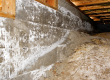
- installing crawl space encapsulation with a vapor barrier and a moisture-control system designed for the home’s drainage conditions
- sealing penetrations and improving air sealing so humidity couldn’t keep cycling into the crawl space
Within months, the musty odor decreased significantly, and the crack growth slowed. While no one can guarantee cracking “never happens” (foundations can respond to seasons and soil cycles), the key sign of success was the reduction in ongoing moisture-driven triggers that had been feeding movement.
Mistakes That Make Foundation Problems Worse
Homeowners often focus on what’s visible above ground. The issue is that foundation movement is frequently driven by what’s happening below.
Common mistake homeowners make
Treating crawl space symptoms without addressing the water source.
For example, replacing insulation or adding a dehumidifier without correcting grading/drainage can still leave the crawl space cycling between damp and dry. That cycle keeps expansive soils reacting—so cracks may continue to appear even after cosmetic fixes.
Other mistakes we see:
- Ignoring sump/pump failures or missing discharge lines (when applicable)
- Installing a vapor barrier incorrectly—gaps, poor overlaps, or inadequate sealing at seams/penetrations
- Relying on “more vents” when the crawl space is already moisture-prone
- Covering moisture problems with paint on the underside of framing instead of fixing the cause
- Extending landscaping too close to the foundation and blocking proper runoff patterns
Crawl Space Repair: What the Inspection Should Cover
A good crawl space inspection is more than a quick look at the vents and insulation. We evaluate the crawl space like a structural system connected to the foundation.
Here’s a practical checklist homeowners can expect (or use to prepare for an inspection):
Crawl Space Moisture Checklist
- Evidence of standing water, damp soil, or recurring puddling
- Condition of the soil floor (bare soil, cracks, areas staying wet)
- Signs of wood decay: soft spots, dark staining, or crumbly framing
- Moisture at rim joists and band boards
- Plumbing penetrations: leaks, condensation, or unsealed openings
- Vent locations and airflow patterns (and whether they’re increasing humidity)
- Drainage performance: downspouts, grading slope, and any existing drainage systems
- Odor and condensation indicators on ducts, pipes, or crawl space surfaces
- Any foundation crack locations that align with crawl space moisture zones
Structural stability recommendation
If we see differential movement indicators—such as cracks that correlate with moisture-damaged wall lines—we don’t stop at moisture control. We recommend a coordinated plan that may include structural stabilization solutions in addition to moisture control. Moisture management can reduce ongoing stress, but active structural movement sometimes needs targeted repair support.
Professional Foundation Repair Company vs. Crawl Space “Patching”
It’s easy to think crawl space repair is separate from foundation repair, but the two are connected. Here’s a simple way to think about it:
| Situation | What usually solves it | What doesn’t |
|---|---|---|
| Damp crawl space driving soil moisture changes | Moisture control + water source correction + crawl space sealing/encapsulation | Only sealing cracks or repainting |
| Condensation due to humid air infiltration | Encapsulation, proper vapor barrier placement, air sealing | Adding a vent or “hoping it dries” |
| Cracks actively responding to seasons and wet cycles | Full moisture/drainage correction + monitoring, possibly structural stabilization | One-time cosmetic crack repair |
| Structural crack concerns near moisture-prone areas | Coordinated approach: crack repair + moisture control | Crack repair without fixing the underlying moisture |
If you’re deciding where to start, we usually recommend beginning with the moisture and drainage assessment because it often explains why cracks keep returning.
You can explore related structural topics here: foundation repair services and drainage improvement services.
Dallas Soil and Weather Patterns That Matter
Dallas homeowners don’t deal with “one kind of weather.” You deal with cycles:
- Seasonal swings between dry periods and heavy rain
- Expansive clay behavior—soil can expand when it stays damp and shrink as it dries
- Rapid temperature changes that can contribute to condensation and moisture movement inside the crawl space
This is why we pay attention to grading and runoff patterns, not just the crawl space interior. Even a small downspout misdirection or a low spot near the foundation can keep the soil at a consistently higher moisture level—enough to influence movement over time.
If your home has sloping floors or movement symptoms, you may also want to review sloping floor foundation repair to understand how moisture and structural movement often overlap.
What Actually Causes Ongoing Movement
Moisture control helps reduce ongoing triggers, but it’s not magic. The real goal is interrupting the cycle that causes movement.
Ongoing movement typically happens when one or more of these persist:
- Water continues to reach foundation soils (even intermittently)
- Vapor intrusion keeps crawl space humidity high
- Soil moisture remains elevated near footings
- Structural elements are already stressed and need targeted stabilization
- Repairs are cosmetic without addressing drainage or moisture pathways
Foundation Crack Repair and Crawl Space Moisture: How They Connect
When homeowners notice cracks, they often ask about crack repair first. But in many crawl space moisture cases, crack repair alone won’t hold because the cause keeps returning.
Depending on the crack type and location, repairs may include:
- concrete foundation crack repair methods designed for movement control
- structural crack repair contractor approaches if the crack is linked to ongoing stress
- basement and foundation crack sealing where appropriate
- in some scenarios, epoxy foundation crack repair specialists techniques for specific crack conditions
We still recommend addressing crawl space moisture at the same time so the repair isn’t working against repeating moisture-driven stress.
Professional Crawl Space Encapsulation: What It Should Include
Crawl space encapsulation isn’t just a plastic sheet. A well-planned system accounts for the crawl space’s moisture behavior and the home’s water pathways.
A solid encapsulation plan often includes:
- vapor barrier installation with proper seams/overlaps
- sealing penetrations (plumbing, ductwork, access points)
- managing airflow and humidity pathways
- insulation decisions based on moisture and temperature performance
- moisture control strategy that fits the home—not a one-size-fits-all approach
If you’re exploring ventilation tradeoffs or system design, this goes hand-in-hand with foundation ventilation so the crawl space doesn’t just look improved—it performs better year-round.
Ready to Protect Your Foundation or Crawl Space?
If your crawl space smells damp, shows condensation, or has recurring moisture after rain, don’t wait for cracks to “prove” the problem. In North Texas, early moisture control is often the difference between a one-time repair and ongoing structural stress.
We’ll help you understand what’s happening in the crawl space, identify the water pathways involved, and recommend a repair plan designed for long-term structural protection—not temporary cosmetics.
About Elite Foundation Repairs
Elite Foundation Repairs provides foundation repair, crawl space repair services, retaining wall construction, drainage correction, and structural stabilization throughout Dallas, TX and surrounding North Texas communities. The company focuses on accurate inspections, moisture management, and long-term structural solutions that account for local soil behavior and drainage conditions.
Relevant next step: retaining wall repair and replacement and related installation support can be crucial when water management ties into structural stability.