Foundation Crack Repair: Signs, Causes, and Smart Fixes
You’re not imagining it—after last week’s rain, your living room window sits a little tighter than it did last month, and you notice a new hairline crack in the drywall that seems to “follow” the same spot on the foundation. In Dallas and across North Texas, that combination of cracking, seasonal movement, and moisture changes is exactly what we see when soil and water dynamics start stressing a concrete foundation.
Foundation cracks rarely happen in isolation. Most of the time, the crack is the symptom; the cause is usually one or more of these: poor drainage, moisture intrusion, soil expansion/contraction, or inadequate support beneath the slab or piers. If you only patch the visible concrete and ignore what’s driving the movement, the crack often returns—or worse, the structure continues to shift.
Quick Answer
Cracks can be minor, but you should treat foundation crack repair seriously when you notice crack growth, uneven floors, doors/windows that don’t close normally, water pooling near the foundation, or cracks that run diagonally and widen over time. In North Texas, expansive clay soil and wet/dry cycles frequently drive movement, so the “smart fix” usually includes both structural stabilization (like piers or slab support) and moisture/drainage correction. Epoxy or sealing alone can help with water intrusion, but it won’t stop active structural movement.
Signs Your Foundation May Be Moving
Here are the warning signs we look for during inspections—because the “type” of crack matters less than the behavior behind it.
Common crack patterns
- Stair-step cracks in brick or block (often indicate lateral movement and settlement)
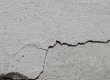
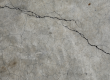
- Diagonal cracks on slabs or foundation walls (can suggest differential movement)
- Horizontal cracks (a bigger red flag for wall stress)
- Cracks that widen seasonally (consistent with soil moisture cycling)
Interior clues that often get overlooked
- Doors sticking or rubbing at the latch side
- Gaps around windows that weren’t there before
- Baseboards that pull away from the wall line
- New or worsening sloping in floors (especially toward corners)
Moisture clues that point to the real cause
- Musty odors from crawl space areas
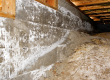
- Damp insulation or water staining in basements/crawl spaces
- Water marks on interior walls after heavy rain
- Soil that stays wet near the foundation instead of draining away
What We Commonly See in North Texas Homes
North Texas homes sit on soils that can react dramatically to moisture. Many areas rely on expansive clay, which expands when it’s wet and shrinks during drought periods. That expansion/contraction cycle can create repeated stress at the foundation, especially when drainage is inconsistent.
In the field, one of the most common patterns we see is:
- a foundation crack that looks “small,” but
- moisture is present around exterior grading, downspouts, or landscape irrigation,
- and the crawl space or sub-slab area is holding humidity.
A realistic homeowner scenario
A Dallas-area homeowner called after noticing a thin crack in the foundation wall near a front window. The crack seemed harmless—until the homeowner returned two months later and saw it had become more noticeable and the window wouldn’t latch smoothly. When we walked the exterior, we found water from a downspout dumping close to the foundation and a section of soil that stayed darker and wetter than the rest after rain. The crack wasn’t just “there”—it was responding to water.
Firsthand contractor observation
In many cases, I’ve seen epoxy repairs placed on a crack that later reopened because the underlying issue was water-driven movement. The epoxy sealed the surface, but it didn’t correct the pressure and moisture that were repeatedly pushing the foundation.
Why Some Structural Repairs Fail Early
Foundation crack repair fails early when the repair plan targets the symptom instead of the cause. A few common technical reasons we see:
- Active movement continues: Sealing a crack won’t stop soil from expanding and contracting.
- Inadequate assessment of drainage: If water still accumulates near the foundation, the underlying stress repeats.
- Wrong repair for the crack type: Some cracks need structural stabilization; others need moisture control. Doing only one side is where homeowners get stuck.
- Surface-only fixes: Cosmetic patching or thin coatings may hide the problem temporarily while the structure keeps shifting.
Common Mistakes Homeowners Make
1) Treating crack sealing as “the whole solution”
Concrete foundation crack sealing and epoxy-based repairs are useful for water intrusion and to restore a tighter surface. But if the foundation is still moving, sealing can become a short-term bandage.
2) Waiting until the crack is “bad enough”
Cracks that widen gradually are often the most expensive later, because the structure may have already started shifting in a way that requires more extensive stabilization.
3) DIY patching without fixing drainage
Patch products can be fine for minor surface defects, but when the underlying moisture problem remains, the patch usually fails—sometimes faster than homeowners expect.
4) Overlooking crawl space moisture
A damp crawl space can contribute to ongoing moisture cycling. If you want long-term stability, addressing crawl space structural repair and moisture control matters as much as exterior foundation work.
For more detailed moisture-focused options, you can explore foundation ventilation and drainage correction.
Inspection and Prevention Checklist (Before You Choose a Repair)
A smart repair plan starts with a real inspection. Here’s a practical checklist homeowners can use to prepare—and it helps us confirm what we’re seeing on-site.
Exterior checks (walk the perimeter)
- Are downspouts discharging within 5–10 feet of the foundation?
- Does water run toward the foundation during/after rain?
- Are there low spots in landscaping where soil stays wet?
- Is grading sloped away from the foundation, or does it flatten near the wall?
Crack documentation
- Photograph the crack from the same angle each time.
- Measure width at the widest point (even an approximate measurement helps).
- Note whether cracks are near corners, window openings, or utility penetrations.
Interior signs
- Check window gaps and door alignment.
- Look for drywall cracks that originate from the same line as exterior cracks.
- Watch for new sloping or “bounce” in floor sections.
Crawl space/basement moisture indicators
- Musty odor or visible condensation
- Standing water, damp insulation, or rusting fasteners
- Evidence of prior moisture control that appears incomplete
Foundation Repair vs Monitoring (A Homeowner-Friendly Decision)
Not every crack requires major structural repair immediately—but you should base the decision on behavior, not appearance.
| Situation | What it usually means | Typical next step |
|---|---|---|
| Hairline crack with no growth and no moisture issues | Often non-structural shrinkage or minor settlement | Monitor and control water; seal if needed |
| Crack that widens over time or corresponds with sticking doors/windows | Likely active movement | Structural assessment + stabilization plan |
| Horizontal or stair-step cracking in block/brick | Often indicates higher stress or lateral movement | In-depth inspection for support issues |
| Crack with water seepage or damp interior areas | Moisture intrusion likely | Crack sealing + drainage/moisture control |
| Cracks plus sloping floors or misaligned openings | Differential settlement | Stabilization (piers/support) and long-term moisture correction |
The “structural stability” recommendation we make most often is simple: stabilize the foundation first if movement is active, then address moisture and drainage so the repair doesn’t get re-stressed.
Concrete Foundation Crack Repair: Smart Fixes That Hold Up
The right repair method depends on whether the crack is primarily:
- a water intrusion pathway, or
- a structural movement result, or
- both.
When concrete crack sealing/epoxy is appropriate
Epoxy and sealants can be effective when:
- the crack is not actively widening,
- water is entering through the crack, or
- you’re completing a stabilization plan and want to restore a tight, durable surface.
Many homeowners ask about concrete foundation crack repair options like epoxy. The best approach is usually “structural first, then seal,” when movement is ongoing.
When structural crack repair requires stabilization
If the crack is tied to settlement or lateral movement, you generally need:
- foundation stabilization (often via piers or other support systems),
- correction of the moisture/drainage conditions driving movement,
- and then sealing as part of the finishing steps.
A realistic anonymized repair case (what “good” looks like)
A North Texas homeowner reported a diagonal crack near a corner and noticed interior drywall cracking after heavy storms. On inspection, we documented that the soil moisture around one side of the home stayed higher than the other. We also found downspout discharge and a grading issue that directed runoff toward the foundation. The repair plan included:
- correcting drainage routing around the exterior,
- stabilizing the affected foundation area to address settlement,
- and sealing the crack to reduce water intrusion after stabilization.
Within the following rainy season, there was no further noticeable widening of the crack, and interior alignment issues improved.
Crawl Space Moisture Control and Crack Prevention
Cracks don’t always start on the outside. In Dallas-area homes with crawl spaces, moisture can contribute to recurring foundation stress by keeping soil moisture elevated and creating conditions that worsen structural components.
If you suspect crawl space involvement, review options like:
- sloping floor foundation repair (when cracks are tied to uneven settling)
- foundation repair services (for a full stabilization and repair plan)
- retaining wall repair and replacement (when drainage and lateral pressure are part of the problem)
Moisture-control recommendation
For long-term results, we typically recommend a combination approach:
1. Control water first (gutters, downspouts, grading, and runoff direction)
2. Manage crawl space humidity (ventilation strategy and/or encapsulation depending on conditions)
3. Restore drainage pathways so water doesn’t remain under/near the home
Dallas, Texas Relevance: Why Expansive Clay Makes Crack Repair More Than a Patch
In Dallas and much of North Texas, the soil doesn’t just “stay put.” It cycles with weather—expanding during wetter periods and shrinking during drought. That’s why the best foundation repair plans include drainage and moisture management as part of the structural solution.
We also see seasonal changes affect how cracks behave:
- After heavy rain, crack width can increase due to added soil moisture.
- During hot, dry stretches, shrinkage can re-stress joints and seams.
- Rapid temperature changes can add minor movement, revealing stress already present.
That’s why a professional foundation inspection solutions approach matters: it helps determine whether you’re dealing with a one-time settling event or ongoing movement driven by water and soil behavior.
Industry Context (What the Data Says About Moisture and Foundations)
Research consistently links water management to foundation performance. The U.S. Environmental Protection Agency (EPA) emphasizes controlling excess water around buildings as a core moisture prevention strategy. In addition, the American Concrete Institute (ACI) discusses that moisture and water exposure can degrade concrete over time, making crack repair more durable when paired with proper drainage and crack sealing. Finally, the International Association of Certified Home Inspectors (InterNACHI) notes that foundation cracking and moisture intrusion are common inspection concerns that require evaluation beyond cosmetic patching.
(These resources align with what we see locally: cracks often correlate with water pathways and ongoing moisture conditions.)
Ready to Protect Your Foundation or Crawl Space?
If you’re seeing a crack that’s changing, accompanied by sticking doors/windows or signs of moisture, don’t treat it as “just cosmetic.” A reliable plan usually includes both structural stabilization and moisture/drainage correction—because that’s what prevents reoccurring movement.
About Elite Foundation Repairs
Elite Foundation Repairs provides foundation repair, crawl space repair, retaining wall construction, drainage correction, and structural stabilization services throughout Dallas, TX and surrounding North Texas communities. The company focuses on long-term structural solutions, moisture management, accurate inspections, and helping homeowners protect their properties from foundation movement caused by regional soil and drainage conditions.