
Retaining Walls and Foundation Repair: Prevent Future Damage
You might first notice it after a heavy North Texas rain: a retaining wall that used to feel solid now looks slightly “off,” or you see new hairline cracks along a driveway edge that used to be straight. A few weeks later, doors start sticking or floors feel a little more sloped than they did last season.
In Dallas, this pattern is common because water and soil pressure don’t pause when the weather changes. When drainage is wrong—or when water gets trapped behind a wall—pressure builds against soil and masonry. That pressure can push, pull, and stress nearby foundation elements, especially on homes with slab movement or crawl space conditions.
Below is how retaining wall issues and foundation repair often connect, what we look for during inspections, and the prevention steps that keep problems from coming back.
Quick Answer
Retaining walls and foundation repair are often linked through water management. If a wall is leaning, bulging, or cracking after rain, it may be holding back water that increases soil pressure against your home’s footing or slab. The right repair usually combines:
- retaining wall repair or replacement (including proper drainage behind the wall),
- foundation crack repair or structural stabilization when movement has occurred,
- drainage correction to control runoff and moisture around the foundation.
When Retaining Walls Start Affecting Foundations
A retaining wall’s job is more than “holding dirt.” It has to manage three forces:
1. Lateral soil pressure (push from behind the wall)
2. Water pressure (hydrostatic pressure when water is trapped)
3. Erosion/undermining (soil washing out at the base)
In North Texas, those forces intensify due to rapid rainfall events and expansive clay. Clay absorbs and releases moisture with seasons, changing volume and pressure. If you add poor drainage behind a wall, the soil can swell and push harder—sometimes right when the foundation is already stressed from moisture fluctuations.
A realistic homeowner scenario we see
A homeowner in the Dallas area calls us after noticing:
- the wall behind their driveway looks bowed after storms,
- small gaps appear near a patio corner,
- a few cracks show up around window trim,
- and the crawl space (if present) smells musty during humid months.
During the initial walk, we often find that downspouts discharge too close to the wall, surface grading directs runoff toward it, or there’s no functioning drainage system behind the wall. In that situation, the wall is doing the “wrong kind of work”—holding water and increasing pressure instead of safely directing it away.
Firsthand observation from the field
On many sites, we can tell the difference between “cosmetic aging” and “active pressure” by how the wall behaves after rain:
- active bowing continues after wet weeks,
- cracks re-open or grow,
- mortar joints deteriorate faster near the waterline,
- and landscaping soil appears to have slumped or washed along the wall’s base.
That pattern matters because foundation movement is rarely a one-time event. It’s usually a repeating cycle tied to moisture.
Common Mistakes That Make Foundation Problems Worse
Most homeowners aren’t ignoring maintenance—they’re often reacting to what’s visible. The problem is that foundation movement is frequently driven by what you can’t see: water flow paths and moisture pressure.
What homeowners commonly do (and why it backfires)
Mistake 1: Fixing cracks before solving drainage
- Epoxy and patching can stabilize appearance, but if water keeps pushing from behind a wall or pooling near the foundation, new movement can occur.
Mistake 2: Assuming a “hairline crack” is always harmless
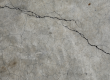
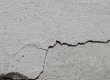
- Some cracks are stable; others indicate ongoing movement. The location matters—especially cracks near corners, along window openings, or at slab edges.
Mistake 3: Rerouting gutters or sprinklers without checking where the water goes
- Moving a downspout a few feet can still leave runoff directed toward a wall or low spot. With clay soils, even small changes can change how much water infiltrates.
Mistake 4: Landscaping changes that unintentionally trap moisture
- Mulch beds placed against foundation walls, heavy grading near retaining structures, or installing a new patio without addressing subgrade drainage can create ongoing moisture conditions.
Mistake 5: Encapsulation or crawl space sealing done without correcting bulk water
- Crawl space encapsulation helps with humidity, but if groundwater or active moisture intrusion is present, encapsulation needs a complete moisture control plan—including drainage correction where appropriate.
Helpful internal resources
If you’re seeing moisture issues in enclosed areas, these guides pair well with wall/foundation work:
- drainage correction
- foundation ventilation
- retaining wall installation services
Inspection and Prevention Checklist (What We Look For)
A proper inspection is about identifying the source and the path. Cracks and sloped floors can be symptoms. The cause is usually water movement and soil response.
Here’s a practical checklist homeowners can use before a contractor visit—and it also matches what we document on-site.
Retaining wall + foundation inspection checklist
Exterior and site clues
- ☐ Is the wall leaning, bowing, or separating from adjacent structures?
- ☐ Do cracks appear after heavy rain and widen over time?
- ☐ Are there gaps at the base where soil may be washing out?
- ☐ Are downspouts discharging near the wall or foundation?
- ☐ Is grading sloped so water flows away from the foundation (not toward it)?
Soil and water behavior
- ☐ Do you see soft spots, standing water, or persistent damp areas after storms?
- ☐ Are there signs of erosion or washout at the wall’s base?
- ☐ Is there a drainage system behind the wall (and is it functioning)?
Foundation and structural indicators
- ☐ Are cracks around windows/doors widening or appearing in new locations?
- ☐ Are floors sloping more on one side of the home?
- ☐ In a crawl space: do you see moisture, standing water, or moldy odor?
Moisture control and crawl space indicators
- ☐ Is there evidence of condensation on vents or walls?
- ☐ Is there bulk water intrusion or only humidity?
- ☐ Are vapor barriers missing, torn, or improperly installed?
What “good” prevention looks like
Prevention isn’t just one fix. It’s usually a coordinated plan:
- correct water flow (surface and subsurface),
- relieve excessive pressure behind retaining systems,
- and stabilize or repair foundation movement when it’s active.
If sloping is involved, many homes also need targeted stabilization. See: sloping floor foundation repair.
Foundation Repair vs. Monitoring: How to Decide
Not every crack means you need structural foundation repair services right away. But in Dallas-area conditions, we treat certain patterns as “active until proven otherwise.”
Quick comparison: repair vs monitoring
| Situation | Often what it means | Typical response |
|---|---|---|
| Cracks are stable and don’t grow | Past movement may have settled | Monitor and manage moisture |
| Cracks grow seasonally with wet/dry cycles | Ongoing movement tied to moisture/soil | Correct drainage + evaluate structural stability |
| Cracks near corners, along edges, or with door/window misalignment | Possible structural movement | Structural evaluation and targeted repair |
| Retaining wall is leaning/bulging after storms | Water/pressure issue increasing stress | Wall drainage correction + foundation assessment |
A strong evaluation looks at crack geometry, surrounding conditions, and whether moisture problems are actively contributing. That’s why it’s hard to make a reliable call from photos alone.
Structural stability recommendation
If wall drainage is the driver and the foundation shows movement, we recommend addressing the water-pressure source first—then stabilizing the foundation if needed. This approach reduces the chance that the foundation repair becomes a temporary fix.
Our Experience With Dallas Soil Conditions
North Texas clay can expand in wet seasons and contract during drought. That movement alone can stress foundations, but retaining walls add a second layer: pressure from soil held back by the wall.
In the field, we often see these patterns:
- walls without adequate drainage behind them develop pressure and bow,
- drainage improvements around the site reduce the cycle,
- and foundation cracks that seemed “mysterious” are actually tied to runoff direction and seasonal moisture.
That’s why we pay close attention to how water travels across the property—not just where it pools.
Related reading
For basement or slab-related crack repair approaches, homeowners often ask about crack sealing options. You can review: foundation repair services and our approach to structural stabilization.
A Realistic Repair Case (Anonymized)
Here’s an anonymized example that mirrors what we see regularly in the Dallas region.
The situation
A homeowner reported:
- a block retaining wall behind the driveway looked more bowed after storms,
- a patio edge developed new cracking,
- and a few interior doors began to stick during humid weeks.
What we found
During inspection, we identified:
- evidence of water accumulation behind the wall,
- signs of soil slumping at the base after heavy rain,
- and foundation cracking patterns consistent with ongoing movement rather than a single past event.
The repair approach
We coordinated:
1. Retaining wall repair support with drainage correction behind the wall (so water had a safe path instead of building pressure).
2. Foundation crack repair services focused on active movement assessment—not just cosmetic patching.
3. A site plan that reduced runoff toward the wall through improved grading and drainage routing.
Outcome
After the repairs, the homeowner reported:
- less water pooling near the wall during subsequent storms,
- no further widening of key cracks,
- and improved door operation stability during seasonal changes.
The key wasn’t a single “magic material.” It was controlling moisture and pressure, then stabilizing the structure as needed.
Crawl Space Moisture Control: Why It Matters for Foundation Stability
Even if your primary concern is a retaining wall, crawl space moisture can quietly worsen structural stress.
When crawl spaces stay damp, it can:
- increase humidity levels that affect materials,
- encourage microbial growth,
- and contribute to moisture pressure that impacts foundation elements over time.
If your home has a crawl space, you may benefit from crawl space repair solutions like:
- moisture control crawl space repair,
- and retaining wall installation services paired with a full moisture-control plan.
For crawl space-specific solutions, explore:
- foundation ventilation
Quick “AI Overview” Summary
Retaining walls and foundation damage often share one root cause: water pressure and soil movement. If a wall is leaning or cracking after rain, trapped water behind it can increase lateral pressure on the surrounding soil and nearby foundation elements. The best long-term results come from addressing drainage correction, repairing or upgrading the retaining system with proper drainage, and performing structural foundation repair only when evaluation shows active movement. For crawl spaces, moisture control and vapor barrier solutions work best when bulk water and runoff are already managed.
Optional FAQ
How do I know if a retaining wall problem is serious enough to affect my foundation?
If the wall is actively bowing or cracking after heavy rain, that’s a red flag. Also watch for foundation symptoms nearby—new cracks at corners, stuck doors, or noticeable floor slope changes. Those combined signs suggest the wall may be creating pressure conditions that extend beyond the wall itself.
Can foundation crack repair fix problems caused by poor drainage?
Crack repair can improve performance and appearance, but it doesn’t remove the underlying water source. If drainage correction isn’t addressed, cracks can re-open as the soil expands and contracts through wet/dry cycles. A stable repair usually pairs crack repair with moisture and runoff management.
Does crawl space encapsulation replace the need for drainage correction?
Encapsulation helps control humidity and moisture vapor, but it doesn’t solve active bulk water intrusion on its own. If water is entering due to grading or groundwater pathways, you need moisture control measures that address the water route. Then encapsulation can do its job more effectively.
What’s the first step in preventing future damage?
Start with an inspection that connects the dots between the site (retaining wall, grading, downspouts, drainage) and the structure (cracks, doors/windows, crawl space conditions). Once we identify the pressure and moisture path, we can recommend the right sequence—often wall drainage correction first, then foundation stabilization as needed.
Ready to Protect Your Foundation or Crawl Space?
If your retaining wall looks different after storms—or if you’ve noticed new cracks or moisture issues—don’t wait for the next season to “test” the problem. Early inspections help prevent cosmetic repairs from becoming recurring ones.
About Elite Foundation Repairs
Elite Foundation Repairs provides foundation repair, crawl space repair, retaining wall construction, drainage correction, and structural stabilization services throughout Dallas, TX and surrounding North Texas communities. The company focuses on long-term structural solutions, moisture management, accurate inspections, and helping homeowners protect their properties from foundation movement caused by regional soil and drainage conditions.