Foundation Crack Repair: Signs, Causes, and Safe Fixes
If you’ve noticed a new crack in a Dallas, TX home or you’re seeing cracks that seem to grow after storms, you’re not alone. This guide explains what cracks can mean, what typically causes them, and how homeowners can choose safe, practical repair steps instead of temporary patching.
A hairline crack might sound minor until you start seeing doors that don’t latch the way they used to, floors that feel “off,” or gaps that show up around baseboards after heavy rain. In Dallas, TX, those changes can feel especially unsettling because weather swings and moisture levels can affect how foundations behave.
You may be wondering whether the crack is just cosmetic or if it’s a structural foundation problem that needs professional attention. This guide will help you understand common crack patterns, the most likely causes behind them, and what “safe fixes” usually involve so you know what to ask a contractor.
Quick Answer
If you see foundation cracks, don’t assume they’re always cosmetic. Start by checking whether the crack is widening, if doors or windows are shifting, and whether moisture is present near the crack location. Small, stable cracks may be addressed with targeted crack repair, but changing cracks often point to movement and moisture-related issues that need professional assessment. A residential foundation repair contractor can evaluate the cause before choosing a repair method. If you’re unsure, take photos, note dates, and schedule an inspection with a local team serving Dallas, TX.
What to Check First
Before you call anyone, gather a few details. Not to “diagnose” the problem yourself, but to help your contractor understand what’s happening and when.
1) Track the crack
Take clear photos from the same angle and distance. Note the date you first noticed it and whether it looks wider than before.
2) Watch for movement signs
Check doors, window frames, and interior trim. If something is rubbing, sticking, or creating new gaps, that can indicate movement.
3) Look for moisture sources
After rain, inspect gutters, downspouts, and the soil around the foundation. Persistent dampness near cracks is a major clue.
If you also notice water pooling near the home, consider reading about drainage correction as part of a complete foundation repair plan. Moisture control is often connected to crack performance over time.
Main Things Customers Should Understand
Cracks form for different reasons. Some are tied to concrete shrinkage or normal settling, while others reflect ongoing movement or moisture-driven changes. Understanding the “why” helps you avoid repairs that only hide the symptom.
Professional observation: Cracks that change after heavy rain, along with musty smells or damp crawl space areas, often point to moisture control and structural crack repair working together, not just patching the surface.
Common causes of foundation cracks
- Moisture imbalance: Soil around the foundation can expand and contract when wetness levels change.
- Settlement and movement: Foundations can shift slightly over time, and cracks may widen if movement continues.
- Concrete stress: Hairline cracking can occur due to temperature changes, curing, or stress in specific areas.
- Water management issues: Poor drainage and downspout discharge can keep the foundation area wetter than intended.
What “safe fixes” usually mean
Safe repair is typically more than filling a crack. A reliable approach matches the method to the cause, and it considers how the area will behave in the future. Depending on the situation, a foundation repair plan may include:
- Concrete foundation crack repair techniques designed for the crack location and behavior.
- Structural crack repair contractor work that addresses movement rather than only cosmetic appearance.
- Basement and foundation crack sealing when moisture entry or dampness is part of the issue.
- Epoxy foundation crack repair specialists methods when the crack needs a strong, targeted fill and seal.
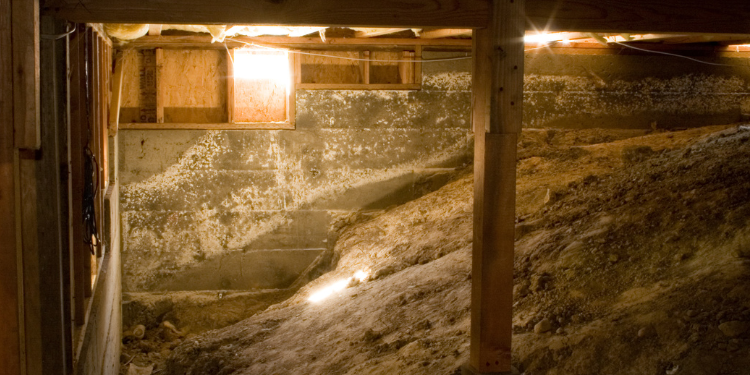
If your home has a crawl space, pay close attention to conditions below the living area. For crawl-space-specific restoration, see foundation ventilation and how airflow and moisture control can affect structural performance.
| Crack pattern you notice | What it may suggest | What to ask about | Why it matters |
|---|---|---|---|
| Hairline cracks that do not appear to change | Often related to stress or minor settling | Whether crack repair services are appropriate and what monitoring should look like | Helps confirm it’s stable and prevents unnecessary work |
| Cracks that widen over weeks or after rain | Potential ongoing movement and moisture influence | Structural foundation repair specialists approach and moisture control steps | Repairs should address cause, not only appearance |
| Cracks with dampness, odor, or recurring wet areas | Moisture entry or inconsistent site drainage | Basement and foundation crack sealing and drainage correction coordination | Moisture can keep cracks active |
| Cracks plus floor sloping or noticeable interior shifts | Potential structural impact beyond surface cracking | Structural assessment and options for sloping floor foundation repair | Ensures the plan matches the overall condition |
Why This Matters in Dallas, TX
In Dallas, TX, many homes are exposed to cycles of hot weather, heavy rain, and rapid changes in soil moisture. Even when the crack looks “small,” that shifting moisture environment can influence how concrete and supporting soil interact. That’s why local foundation repair experts often pay attention to drainage, grading, and crawl space conditions as part of foundation crack repair services.
We also see a pattern: when homeowners focus only on surface repair, the crack can return or new gaps appear elsewhere. That’s one reason it’s useful to look at the full property system, including how water moves around the structure and whether crawl space repair services are needed to improve moisture control.
Local tip for Dallas, TX homeowners: If the crack seems more noticeable after storms, document it right away. Moisture-related changes can be easier to evaluate when you have photos tied to specific weather events.
Firsthand-style industry observation
During crawl space and basement inspections, one detail that stands out is how often the “crack problem” is connected to what’s happening below the first floor. When moisture is present, it can affect materials and increase the likelihood that a crack will keep evolving. That’s why many professional crawl space repair company approaches pair structural crack repair with moisture control crawl space repair strategies.
Common Mistakes to Avoid
Homeowners often want the fastest, lowest-cost fix. The challenge is that foundation cracks can be an early warning sign. These are common mistakes that can make repairs less effective.
- Only patching the surface: Filling a crack without addressing movement or moisture can allow the crack to return.
- Ignoring door and window changes: If frames shift, the foundation may still be moving. Surface-only work may not address the cause.
- Skipping moisture control: If water management is off, structural crack repair contractors may need to include sealing and drainage correction to stabilize conditions.
- Waiting too long to document changes: Cracks that widen over time are easier to evaluate when you can show how they changed and when.
- Assuming all cracks are identical: Vertical, horizontal, and diagonal cracks can behave differently depending on where the stress is coming from.
Customer Checklist
- Take dated photos of the crack from the same angle and include nearby reference points (doors, trim, corners).
- Measure or estimate whether the crack is widening over time, not just whether it is visible.
- Check for sticking doors, rubbing windows, or new gaps around baseboards.
- Inspect gutters, downspouts, and soil moisture near the foundation after rain.
- Note whether the crack is in a basement, around a crawl space entry, or along an exterior wall.
- Ask about the right approach for foundation crack repair services, including whether sealing and moisture control are part of the plan.
Need a clear next step for your crack?
If you’re trying to decide whether you’re looking at cosmetic cracking or something that needs structural foundation repair, Elite Foundation Repairs can help you understand what to prioritize for your property in Dallas, TX.
Call Elite Foundation RepairsRepresentative scenario (Dallas, TX)
A homeowner in Dallas, TX noticed a vertical crack in an exterior wall after a period of heavy rainfall. The crack looked thin at first, but within a few weeks it seemed slightly wider. They also reported that a nearby interior door started to stick during humid days. After inspection, the repair approach focused on structural crack repair and moisture control coordination, so the crack could be stabilized rather than simply filled and forgotten.
Frequently Asked Questions
Are foundation crack repair services only for large cracks?
No. Many homeowners first notice a small crack, then realize it is changing or paired with other signs like sticking doors, gaps, or damp areas. The goal of professional evaluation is to determine whether the crack is stable or tied to movement and moisture. When the crack’s behavior matters, the repair plan may include structural crack repair contractor methods and, in some cases, crack sealing to reduce moisture exposure.
What causes concrete foundation crack repair problems to come back?
Cracks can reappear when the underlying cause is not addressed. For example, if drainage or moisture control is off, the soil near the foundation can remain inconsistently wet, which can keep stressing the area. Another factor is ongoing movement. That’s why “safe fixes” usually match the repair approach to the crack location, crack behavior over time, and whether moisture entry or structural issues are involved.
How do I know if I should consider crawl space encapsulation services?
Consider crawl space encapsulation services if you notice dampness, musty odors, or signs that moisture is present below the home. In many cases, moisture control encapsulation systems are part of stabilizing conditions that affect foundation performance. A professional approach can help determine whether vapor barrier crawl space encapsulation and full crawl space sealing and insulation are appropriate for your crawl space conditions.
Can epoxy foundation crack repair specialists fix structural movement?
Epoxy foundation crack repair specialists can be part of a targeted repair strategy for cracks that need sealing and reinforcement. However, whether epoxy alone is enough depends on what’s driving the crack. If the crack is widening due to movement, the repair plan typically needs to address the broader structural foundation repair context. A local inspection helps match the method to the problem rather than relying on a one-size-fits-all approach.
Should I also look at retaining wall installation services if I see cracks near landscaping?
Sometimes. If the cracks are near slopes, terraces, or retaining areas, the cause may involve soil pressure and wall performance rather than the main foundation alone. In those cases, homeowners may need retaining wall repair and replacement or retaining wall installation services, including block retaining wall installation. A professional assessment can help determine whether the issue is tied to the foundation, the retaining structure, or both.
Get help from local foundation repair experts
For foundation crack repair services in Dallas, TX, Elite Foundation Repairs focuses on practical, cause-aware repair planning. If you want a clear explanation of what’s happening and what to prioritize, contact the team.
(214) 856-9634Related reading: sloping floor foundation repair and retaining wall installation services.