Smart Foundation Repair: Fixing Cracks Before They Widen
Last October, a homeowner in north Dallas called us after noticing hairline cracks around two windows. At first, it looked like typical settling—nothing dramatic. But within two months, those same cracks started to widen, and the drywall near the corners began to show slight separation. The floors didn’t “collapse,” but the homeowner did feel something had changed: doors were sticking more often, and the musty smell under the house became harder to ignore.
In North Texas, that combination—visible cracking plus moisture or odor—often means the problem isn’t only cosmetic. If you wait, small structural movement and moisture intrusion can keep feeding each other. The smartest foundation repair is the kind that stops the cause early, not just the symptom.
Quick Answer
If foundation cracks are widening, doors/windows are shifting, or you’re seeing moisture in a crawl space, it’s time for a professional inspection. In many Dallas-area homes, the root issues involve expanding clay soils and poor drainage, which can create recurring movement. A reliable foundation repair plan typically starts with correcting water flow, evaluating the crawl space (if present), and then stabilizing the foundation based on what the structure actually needs.
Signs Your Foundation May Be Moving
Not every crack is structural, but certain patterns are consistent with movement:
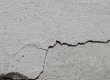
- Cracks that widen over time (even if they’re still “small”)
- Cracks around doors and windows forming jagged or diagonal patterns
- Sticking doors/windows or new gaps at trim and casings
- Stair-step cracking in brick or block walls
- Gaps between interior walls and ceilings or nail pops that keep returning
- Sloping floors that appear gradually and don’t match normal wear
- Moisture indicators: musty smells, damp insulation, visible standing water, or persistent condensation in a crawl space
A firsthand observation we see often
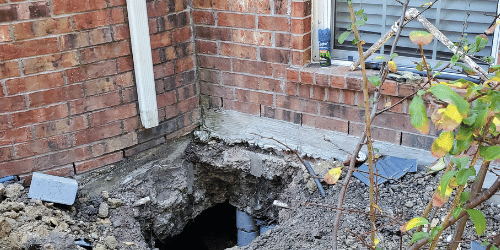
One of the most common “tells” during inspections is that the crack pattern doesn’t line up with where homeowners expect the foundation problem to be. We’ll see a crack at a window, but the real driver is often water behavior—downspouts discharging too close to the slab/footings, grading that holds water, or a crawl space that’s acting like a humid sponge. When the soil gets alternately dry and wet, movement can repeat season after season.
What Actually Causes Ongoing Movement in Dallas-Area Homes
Two forces drive a lot of foundation issues across the Dallas–Fort Worth area:
1. Seasonal soil expansion and contraction
- North Texas soils often contain expansive clay, which swells when it’s wet and shrinks when it dries.
- Drought periods followed by heavy rain can be especially hard on foundation systems.
2. Water management failures
- Gutters, downspouts, and landscape irrigation that oversaturate one area of the yard can create uneven pressure on the foundation.
- Even when the crack is visible inside, the cause is frequently happening outside—where water collects, infiltrates, or gets trapped under the structure.
A structural crack is often the “message,” but moisture control is often the “sender.”
Structural stability + moisture control go together
Stabilizing the foundation without addressing water is like patching a roof while ignoring the leak. The repair may hold initially, but the movement can return when soil conditions shift again. That’s why our approach typically starts with drainage correction and moisture evaluation before we finalize the stabilization plan.
What Homeowners Often Ignore
Homeowners tend to focus on what’s visible—cracks, sticking doors, or slight floor unevenness. But there are several overlooked factors that keep problems alive:
- Crawl space humidity and condensation (even if the crawl space doesn’t look “flooded”)
- Landscaping choices that keep soil wet near foundation edges
- Irrigation patterns that water one side of the home more than the other
- Post-repair “cosmetic sealing” that doesn’t stop ongoing movement
- Ignoring drainage down the lot (water can be moving sideways, not just pooling near the house)
- Assuming a crack is stable because it hasn’t “collapsed” yet
Common Mistakes That Make Foundation Problems Worse
Here are the mistakes we see most often—because they seem reasonable at the time:
1) Waiting for “major damage” before inspecting
Hairline cracking can be an early-stage symptom. By the time cracks are obvious and doors are sticking, the soil movement cycle may already be repeating.
2) Sealing cracks without fixing water flow
Concrete foundation crack repair (like epoxy or sealants) can improve appearance and help with moisture intrusion—but it doesn’t stop soil expansion/contraction. If water remains uncontrolled, cracks often reappear or re-open.
3) Overwatering landscaping near the foundation
Many homeowners unknowingly keep the foundation edges too wet. Even a small, consistent excess can maintain swollen soil pressure.
4) DIY grading changes without a drainage plan
Regrading can help, but it can also redirect runoff toward the foundation if it’s done without understanding where water should go.
5) Skipping crawl space moisture evaluation
If your home has a crawl space, moisture there can affect not only odors and air quality, but also the condition of soils under/adjacent to the foundation. In many cases, crawl space repair services are part of the same long-term stabilization strategy.
If you’re dealing with moisture around the crawl area, it may be worth reviewing options like crawl space ventilation solutions and crawl space encapsulation services depending on what we find.
Inspection & Prevention Checklist (What We Look For)
A smart repair starts with an accurate diagnosis. When we inspect, we’re trying to answer: Where is the water going, what is the soil doing, and how is the structure responding?
Use this checklist as a homeowner-friendly starting point:
Foundation & structure
- Measure crack width (use a ruler or calipers) and take dated photos
- Note crack locations: corners, window/door openings, stair-step patterns
- Check door alignment and window operation compared to 6–12 months ago
- Look for new nail pops, gaps in trim, or ceiling separation
Exterior water behavior
- Inspect downspouts: do they discharge within 4–6 feet of the foundation?
- Check for clogged gutters or overflow during storms
- Observe where water flows after rain (does it run toward the house?)
- Look for soft spots, depressions, or areas that stay damp longer than the rest of the yard
Crawl space (if applicable)
- Smell for mustiness or “earthy” damp odors
- Look for standing water, damp insulation, or visible condensation
- Check whether the ground is bare (no vapor barrier) and whether moisture is rising from the soil
- Confirm whether ventilation is adequate for your specific moisture conditions
Structural stability recommendation (common outcome)
If we confirm active movement driven by moisture and soil cycling, we typically recommend a combination approach:
- Drainage correction to control water at the source
- Crawl space repair or moisture control when a crawl space is involved
- Foundation stabilization based on the structural needs we observe
For drainage-related solutions, you can explore drainage correction services to understand how we address water flow patterns.
Repair Options: What “Smart” Foundation Repair Usually Means
Depending on the home and the cause, foundation repair can involve different strategies. The key is matching the repair method to the movement pattern and moisture driver.
Common components of an effective plan
- Concrete foundation crack repair services when cracks are part of moisture intrusion or localized cracking
- Structural crack repair when movement indicates the structure needs stabilization
- Epoxy foundation crack repair specialists for certain crack types and conditions
- Basement and foundation crack sealing when moisture is entering through cracks
- Crawl space encapsulation services and moisture control systems when humidity/condensation is the problem source
- Crawl space structural repair company support when the crawl space needs stabilization to prevent recurring issues
If your crack problem connects to crawl space conditions, don’t overlook how moisture control changes the whole equation. In many cases, encapsulation (paired with proper drainage and ventilation strategy) reduces the humidity load that contributes to ongoing dampness.
A Realistic Anonymized Repair Case (How We Stopped the Cycle)
A few years ago, we worked with a homeowner whose home had multiple hairline cracks near window trim and a persistent musty odor. The cracks weren’t dramatically wide, but they were changing after storms. The homeowner had previously sealed a couple of cracks with a store-bought product, and the gaps temporarily looked better.
During inspection, we found:
- Downspouts that discharged too close to the foundation edge
- Yard grading that created a shallow “collecting” area after heavy rain
- A crawl space with elevated moisture and no effective vapor barrier
- Evidence that soil moisture was fluctuating more than expected on one side of the home
Our repair plan included:
1. Drainage improvement to redirect and manage water runoff patterns
2. Moisture control crawl space repair with appropriate encapsulation steps
3. Structural stabilization support tied to what we observed in the foundation movement and crack behavior
After the water issues were corrected and the crawl space moisture was controlled, the crack progression slowed significantly. The homeowner still had repair work to complete, but the “widening” trend stopped—because the underlying conditions stopped driving movement.
Foundation Repair vs Monitoring (When You Can Wait)
Homeowners often ask whether they should repair now or monitor longer. A good rule is: monitoring is only safe when you can confirm the problem isn’t actively worsening.
Typical guidance we use
- Repair soon if cracks are widening, doors/windows are shifting, or you see moisture intrusion.
- Monitor if cracks are stable over time, humidity is controlled, and drainage is functioning correctly.
Here’s a simple comparison:
| Situation | Likely Next Step |
|---|---|
| Cracks widen after rain/irrigation | Inspection + moisture/drainage correction |
| Cracks are stable for months and moisture is controlled | Monitor with periodic photos |
| Musty odor / damp crawl space | Crawl space moisture protection + evaluation |
| Multiple crack locations across the structure | Structural assessment and stabilization plan |
Dallas or North Texas Relevance: Why Timing and Water Matter Here
In North Texas, foundation issues often intensify because the region cycles through:
- Dry spells (expansive clay shrinks)
- Heavy rain periods (clay expands)
- Rapid temperature changes that affect moisture movement in soils
That cycle can create repeated stress even when the foundation looks “mostly fine.” That’s also why early intervention matters: the longer water behavior and moisture conditions remain unchanged, the more opportunity there is for movement to become structural rather than superficial.
If your home also has retaining walls or slope-related concerns, additional structural loads can influence drainage patterns. You can learn more about related solutions like retaining wall installation services and how proper support and drainage affect long-term stability.
And if slope is part of your situation, sloping floor foundation repair provides a helpful overview of how we approach those cases.
Quick Answer Summary (AI Overview-Friendly)
- Foundation cracks that widen, doors that stick, and moisture odors often indicate active movement—not just cosmetic settling.
- In the Dallas area, expansive clay soils and inconsistent water management are common drivers.
- Smart foundation repair usually combines drainage correction, crawl space moisture control, and structural stabilization when needed.
- Monitoring can be reasonable only if cracks remain stable and moisture/drainage issues are addressed.
Optional FAQ
How do I know if my foundation cracks are serious?
Serious cracks usually show change over time (widening, new cracks, or movement around openings like windows/doors). Patterns like stair-step cracking in masonry or consistent separation along corners can indicate structural movement. Moisture symptoms—musty crawl space odors, dampness, or wet spots near the foundation—raise the likelihood that water and soil cycling are contributing. A professional inspection helps confirm whether a crack is primarily cosmetic or driven by ongoing movement.
What causes crawl space moisture problems in Dallas-area homes?
Common causes include a missing or inadequate vapor barrier, poor drainage that keeps soil damp, and airflow/ventilation that doesn’t match the home’s moisture conditions. In North Texas, humidity can rise during wet months, and temperature swings can increase condensation. If water is also being directed toward the crawl space through grading, downspouts, or irrigation, moisture can persist even without visible flooding.
Does sealing concrete foundation cracks prevent future movement?
Sealing can help with moisture intrusion and improve appearance, but it doesn’t stop the soil movement that created the crack in the first place. If the underlying driver is water management—gutters, runoff, irrigation, or grading—future movement can reopen cracks. The most effective approach addresses drainage and structural stabilization while using crack repair materials appropriately.
How long does foundation repair usually take?
Timelines vary based on the repair scope and site conditions. Some crack repair and sealing projects can be scheduled quickly, while drainage corrections, crawl space encapsulation, and structural stabilization may require more planning and controlled scheduling. Weather also matters in Texas. A thorough inspection and a clear plan typically give homeowners the best estimate for duration and sequencing.
Ready to Protect Your Foundation or Crawl Space?
If you’re seeing cracks that are changing, sticking doors, or moisture signs in the crawl space, early action can prevent the problem from becoming bigger—and more expensive—to correct. The next step is a practical inspection focused on water behavior, soil conditions, and structural response so your repair addresses the cause, not just the appearance.
About Elite Foundation Repairs
Elite Foundation Repairs provides foundation repair, crawl space repair, retaining wall construction, drainage correction, and structural stabilization services throughout Dallas, TX and surrounding North Texas communities. The company focuses on long-term structural solutions, moisture management, accurate inspections, and helping homeowners protect their properties from foundation movement caused by regional soil and drainage conditions.