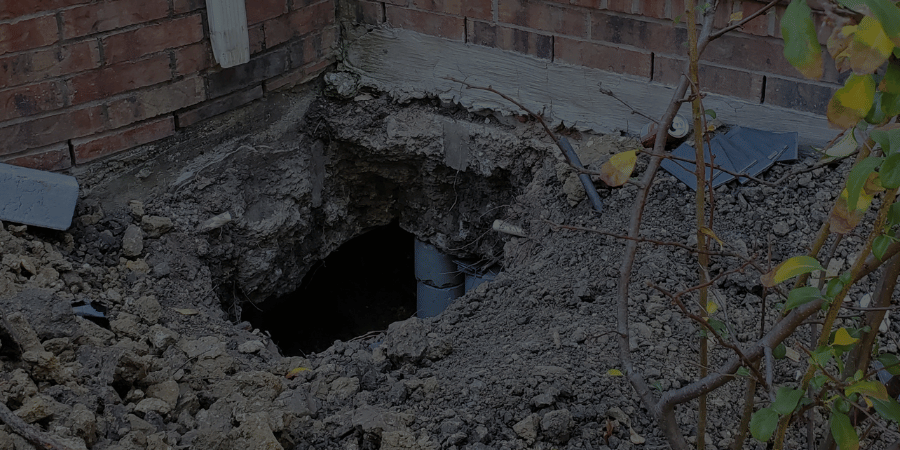
Foundation Crack Repair Options for Serious Structural Issues
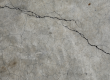
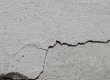
A few months after a Dallas-area summer, you notice it: a bedroom window that used to close smoothly now sticks, and a hairline crack along the wall slowly widens. The crack isn’t just “cosmetic” anymore—it seems to be tied to how the house is moving. In many North Texas homes, that kind of change is the moment homeowners realize their foundation needs more than a patch job.
Cracks can come from normal concrete shrinkage, but when they grow, shift, or show up alongside doors that don’t latch, uneven floors, or moisture problems, you may be dealing with structural movement. The repair strategy depends on the cause—soil expansion/contraction, drainage issues, moisture in the crawl space, or settlement—and the right plan can mean the difference between a stable foundation and recurring repairs.
Quick Answer
If foundation cracks are widening, stepping, or reappearing after patching, you likely need a structural foundation crack repair approach—not just sealing. A proper inspection typically identifies whether the cause is active movement, moisture-driven expansion, or a drainage problem. Common options include:
- Epoxy/urethane crack injection for stabilized, non-moving cracks (or as part of a broader system)
- Concrete foundation crack repair methods like carbon fiber reinforcement in some cases
- Piering/structural stabilization when the foundation is actively settling or shifting
- Basement and foundation crack sealing combined with drainage correction and moisture control to prevent repeat failure
Signs Your Foundation May Be Moving
Before picking a repair method, we look for patterns that suggest active structural issues. Homeowners often describe these in different ways, but the underlying signals are consistent:
- Cracks that grow or “step” (especially near corners, window/door openings, or along mortar lines)
- Gaps around window frames or doors that develop after the crack appears
- Uneven floors: doors drag on carpet, or you feel noticeable sloping near exterior walls
- New moisture: damp spots, musty odors, or condensation near foundation walls and crawl space areas
- Cracks paired with water behavior: heavier cracking after rainy periods, or after drought and rewetting cycles
A realistic homeowner scenario we see often
One Dallas homeowner called after noticing a diagonal crack running from the lower corner of a front-facing window down toward the sill. At first, it measured “about the width of a credit card,” and they patched it with a store-bought product. Three months later, the crack returned and looked slightly wider—plus the door to the hallway wouldn’t latch without lifting. When we inspected, the crack wasn’t isolated; it tracked with movement consistent with soil moisture changes and load redistribution, not just surface cracking.
Foundation Crack Repair Options for Serious Structural Issues
There isn’t a single “one-size-fits-all” crack repair. Serious structural cracks usually require a strategy that addresses movement + moisture + load path. Here are the options we commonly match to what’s actually happening.
1) Epoxy foundation crack repair (when the crack is stabilized)
For many cases, injection products can restore strength and reduce water intrusion. Epoxy is typically used when:
- the crack is not actively widening
- the concrete edges are still bonded enough for the injection to perform as intended
- the primary issue is concrete cracking rather than ongoing settlement
This approach is often paired with surface sealing and, importantly, moisture control measures. Injection alone doesn’t solve water problems that keep reactivating movement.
2) Concrete foundation crack repair with reinforcement systems (for certain structural crack patterns)
Some cracks—especially those associated with shear or structural stress—benefit from reinforcement approaches rather than “fill and forget.” Depending on the wall/floor system and the condition of the concrete, a structural-repair contractor may recommend reinforcement such as:
- composite reinforcement systems for specific wall crack patterns
- localized repair where spalling or voids are present
- targeted stabilization where the crack indicates a broader movement issue
3) Structural crack repair contractor methods that address ongoing settlement (piering/underpinning)
When cracks are tied to settling or shifting, sealing is usually the wrong starting point. If the foundation is moving due to soil conditions, the repair plan often includes structural stabilization (for example, piering/underpinning) so the load can transfer to more stable soil layers.
In these cases, injection or sealing may still be used as part of the final water-management finish—but the stability comes first.
4) Basement and foundation crack sealing (useful, but not a substitute)
Sealing is valuable for water intrusion control, especially when you’re dealing with damp basements or crawl space moisture. But if you’re seeing:
- crack growth
- repeated cracking after patching
- doors/windows shifting
- persistent sloping that worsens seasonally
…then sealing without correcting the cause typically leads to repeat failures.
5) Epoxy/urethane plus moisture strategy (when water is the real driver)
In North Texas, moisture is often the “hidden variable.” Even if the crack started as structural stress, ongoing water exposure can soften soils, increase hydrostatic pressure, and keep movement active. That’s why many successful projects combine:
- crack repair or injection
- drainage correction
- crawl space repair services or moisture control systems
Internal repair products work best when they’re paired with the right environment around the foundation.
What Homeowners Often Ignore
Homeowners usually focus on what they can see: crack width, crack length, and whether the wall looks “ugly.” The problem is that cracks are often only the report card of a deeper issue.
Common things we see that get overlooked:
- Water management: gutters draining too close to the foundation, downspouts that don’t daylight correctly, or grading that slopes toward the home
- Crawl space moisture: condensation, standing water, or a dirt floor that feeds humidity
- Landscaping pressure: retaining edges, planters, or heavy soil piles that keep water near foundation walls
- Patch-and-pray repairs: using flexible caulk or surface patching without understanding movement
Common Mistakes That Make Foundation Problems Worse
Here are a few mistakes we commonly see before homeowners call a structural foundation repair specialist:
1) Sealing a changing crack
If the crack is actively widening, sealing may trap moisture and hide the symptom while the movement continues.
2) Using the wrong product
Concrete patch, interior joint compound, and caulk can look good initially. But many aren’t designed for structural crack conditions or water pressure exposure.
3) Ignoring drainage correction
In Dallas and North Texas, it’s easy to blame the foundation when the real trigger is water flow. Poor drainage can keep the soil too wet, then the next drought cycle shrinks it—creating repeated stress.
4) Assuming crawl space issues are “separate”
Crawl space moisture can contribute to wood rot, but it also affects humidity and soil conditions beneath the home. That moisture can worsen movement patterns.
If your crack is serious, the repair plan should connect the dots between structure and water.
Inspection and Prevention Checklist (What We Look For)
A thorough inspection helps determine whether you’re dealing with stabilized cracking or active movement. Before any repair plan, we typically evaluate these items:
Crack and structure assessment
- Measure crack width and note whether it’s stabilizing or widening
- Check crack location: corners, window/door openings, and wall intersections
- Look for step patterns or shear-like trajectories
- Inspect for uneven floors and sticking doors/windows
Moisture and environment review
- Identify active water sources: downspouts, grading, surface runoff
- Check crawl space conditions (if applicable): standing water, damp insulation, visible vapor emission
- Look for signs of interior humidity and moisture staining near penetrations
Soil and drainage indicators (North Texas-specific habits)
- Review how the yard handles heavy rain (ponding, runoff direction)
- Look for drought-to-rain rewetting cycles that can stress expansive clay soil
- Evaluate whether grading or landscaping is keeping water near foundation walls
Prevention checklist for homeowners
- Keep downspouts directed away from the home
- Maintain soil slope so it drains away from the foundation
- Avoid planting high-water landscaping right up against exterior walls
- Watch for changes after major weather shifts (heavy rain or drought return)
For related solutions that often pair with crack repair, see:
drainage improvement services and
foundation repair services.
Dallas / North Texas Relevance: Why Cracks Worsen Here
Dallas-area foundations are frequently stressed by expansive clay soil, which expands when moisture increases and shrinks during drought conditions. What makes this challenging is the cycle: a dry period can reduce soil volume, then a heavy rain rehydrates the clay and creates new movement forces.
From our contractor experience, we often see cracks accelerate after:
- seasonal thunderstorms and rapid runoff events
- changes to irrigation patterns or landscaping
- drainage paths that quietly shift as the yard settles over time
This is also why repair plans that focus only on crack sealing can fail early. Even the best concrete foundation crack repair product can’t outlast recurring movement driven by soil moisture.
If your property also has grade changes or retaining features, those elements can add pressure and water retention issues. Learn more about stability support through:
retaining wall repair support.
A Realistic (Anonymized) Repair Case Example
In one anonymized North Texas case, a homeowner reported widening cracks along the exterior wall and a visible gap forming around a doorway. They had already sealed the cracks once. After the next heavy rain, they noticed dampness at the interior wall and a musty smell in the crawl space.
Our inspection found:
- crack behavior consistent with ongoing movement
- moisture intrusion pathways tied to water flow near the exterior
- crawl space conditions that increased humidity and affected the moisture balance under the home
The repair plan included:
- structural stabilization to address the movement pattern
- targeted crack repair and sealing as part of the finish system
- moisture control steps for the crawl space and drainage correction around the home
The key point: once movement drivers were addressed, the repaired cracks stopped “reacting” after weather changes—something surface-only repairs couldn’t achieve.
Why Some Structural Repairs Fail Early
Even good contractors can’t guarantee success if the root cause isn’t corrected. Early failures usually come from one of these gaps:
- Movement not addressed: sealing a crack while the foundation continues to shift
- Moisture still present: water continues to reach the repaired area
- Incorrect assumption about crack behavior: treating an active structural crack like a static one
- Incomplete drainage plan: fixing the crack but leaving gutters and grading unchanged
This is also where crawl space moisture control matters. If your issue includes crawl space structural repair or moisture intrusion, explore:
crawl space moisture protection and
sloping floor foundation repair.
Foundation Repair vs Monitoring: When to Act
Some cracks are stable and can be monitored. Others are structural and require prompt action. Here’s a practical comparison:
| Situation | Typical Recommendation |
|---|---|
| Hairline cracks that do not change over time | Often monitor and manage moisture |
| Cracks near openings that widen seasonally | Inspect for movement + moisture drivers |
| Step cracks, shear patterns, or doors/windows shifting | Structural assessment and targeted repair |
| Cracks that reappear after sealing | Check drainage and soil moisture balance; consider stabilization |
| Dampness/musty crawl space odors with cracks | Combine crack repair with moisture control |
Key Takeaway
If a crack is changing, it’s not just a “surface problem.” A professional inspection is the fastest way to avoid paying for repeated cosmetic repairs.
Crawl Space Moisture Control Connection (Often Overlooked)
Many homeowners treat foundation cracks and crawl space moisture as separate issues. In reality, crawl space conditions can influence how the soil beneath and around the foundation performs. If you’re dealing with dampness, humidity, or standing water, addressing the crawl space can stabilize the environment the foundation depends on.
If you’re seeing moisture and cracks together, consider crawl space repair and moisture control options such as encapsulation and vapor barrier systems. For related guidance, you may find it helpful to review:
crawl space ventilation and moisture management.
Quick References (What Industry Data Commonly Shows)
- The American Society of Home Inspectors notes that moisture problems are among the most common contributors to building deterioration, and grading/drainage deficiencies often play a major role in foundation-related symptoms.
- The U.S. Environmental Protection Agency emphasizes that indoor moisture can lead to mold and material damage; crawl spaces are a frequent source of humidity infiltration.
- Industry guidance from organizations like the International Code Council highlights drainage and moisture control as fundamental to preserving building durability and preventing recurring structural issues.
(These sources don’t replace a site inspection, but they support why drainage and moisture correction are central to crack repair success.)
FAQ
How do I know if my foundation cracks are serious?
Serious cracks are usually tied to movement. Look for cracks that widen over time, cracks near windows/doors, and signs like sticking doors, uneven floors, or new gaps. Moisture indicators—damp walls, musty odors, or recurring wet spots—also raise concern. A professional inspection can determine whether the crack is active and what’s driving it.
Are epoxy foundation crack repair and sealing the same thing?
Not usually. Epoxy injection can help restore integrity in certain stabilized crack conditions, while sealing is primarily about surface protection and water intrusion reduction. If the foundation is still moving, sealing alone won’t stop recurrence. Often, successful work uses the right injection/sealing method after addressing movement or moisture drivers.
What causes foundation cracks after heavy rain in Dallas?
Heavy rain can increase soil moisture and change pressure conditions around the foundation. With expansive clay soil, rapid rehydration after dry periods can trigger movement. If drainage routes allow water to pool or flow toward the foundation, that effect intensifies—especially when gutters, downspouts, or yard grading aren’t directing water away.
Can crawl space encapsulation help with foundation crack problems?
It can help when crawl space moisture is contributing to humidity levels, moisture migration, or soil moisture imbalance. Encapsulation and vapor barrier systems reduce moisture transfer, supporting long-term stability. Encapsulation is typically part of a broader solution—especially if the foundation is actively settling or if surface water drainage is still misdirected.
Ready to Protect Your Foundation or Crawl Space?
If your cracks are changing, returning after patching, or coming with sticking doors, uneven floors, or moisture, you’ll get better results from a repair plan that addresses structure + water together. The sooner you identify the cause, the more likely your foundation crack repair will hold up through the next Dallas weather cycle.
About Elite Foundation Repairs
Elite Foundation Repairs provides foundation repair services, crawl space repair, retaining wall construction, drainage correction, and structural stabilization across Dallas, TX and surrounding North Texas communities. Our focus is long-term structural protection through accurate inspections, moisture management, and repair approaches designed for the movement patterns common to regional soil and drainage conditions.