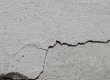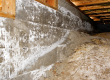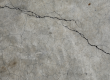
If your Dallas home has damp air, musty smells, or crawl space issues that seem to “creep” into the rest of the house, the crawl space is often the missing piece. This guide breaks down what to check, which repairs usually matter most, and how to avoid common mistakes so you can make a smarter decision about professional foundation repair services.
Last fall, a homeowner in Dallas, TX noticed the entryway doors sticking a little more each week. Then they started seeing new hairline cracks near drywall corners and a damp, earthy smell that never used to be there. The crawl space access was “dry enough” on the surface, but the air felt heavy, and the ground cover looked patchy.
That combination is frustrating because it can feel like you are chasing symptoms. This guide helps you understand how crawl space moisture, ventilation, and structural concerns can connect to foundation movement, and what you can verify before committing to repairs.
Quick Answer
If you suspect crawl space problems, start by checking moisture sources first: standing water, wet soil, missing or damaged drainage pathways, and poor airflow. Then look for structural clues like uneven support, sagging or shifting framing, and crack patterns that align with movement. A professional foundation repair company should assess whether you need crawl space structural repair services, moisture control crawl space repair, or crawl space encapsulation services. For best results in Dallas, focus on moisture control and drainage correction alongside any structural foundation repair specialists work.
What to Check First
Before you assume “it’s just moisture” or “it’s just a foundation crack,” do a careful, homeowner-friendly walkthrough. These checks help you narrow down what a residential crawl space restoration plan should include.
1) Moisture indicators
Look for damp insulation, darkened wood, condensation on surfaces, and areas of consistently wet ground. Even if you do not see standing water, ongoing humidity can drive decay.
2) Airflow and ventilation
Check whether vents are blocked, missing, or uneven, and whether the crawl space feels stale. Crawl space repair secrets often start with airflow being overlooked.
3) Structural signs
Watch for sagging beams, blocked access to support areas, and shifting or uneven framing that suggests settlement. Structural crack repair contractor work may be necessary.
If you are seeing foundation crack repair services concerns above grade too, compare crack locations to what you observe below. Crack patterns that “line up” with crawl space conditions can point to a shared cause.
To understand how crawl spaces are commonly handled in repairs, review foundation ventilation and drainage correction as part of a complete moisture control approach.
Professional observation: Crawl space issues rarely stay isolated. In Dallas, TX, moisture control and ventilation decisions often influence whether cracks and door misalignment keep worsening, even when the problem started “under the house.”
Main Things Customers Should Understand
Here are the core factors that typically determine the right repair path for a crawl space structural repair company. You do not need technical jargon, but you do want clarity on what is being addressed.
Decision focus: Repairs should match the cause. Moisture without structural correction can return. Structural correction without moisture control can lead to ongoing deterioration.
Moisture control is not just cleanup
Moisture control crawl space repair usually involves addressing the water source and reducing humidity. Depending on what is found, a contractor may recommend crawl space encapsulation services, including a vapor barrier crawl space encapsulation approach and full crawl space sealing and insulation where appropriate.
Encapsulation can reduce damage, but it is not always the only step
Vapor barrier crawl space encapsulation works best when the crawl space is properly prepared and airflow and drainage are handled correctly. If the crawl space has settlement or uneven support, moisture control encapsulation systems alone may not resolve structural movement.
Foundation crack repair depends on movement, not just appearance
Many homeowners search for “concrete foundation crack repair,” but cracks can be active or inactive. Sealing and sealing-type repairs like basement and foundation crack sealing may be part of the plan, yet structural foundation repair specialists typically also want to understand why the crack is forming.
If you are dealing with crack patterns tied to movement, see foundation repair services for a broader overview of how repairs are structured.
Sometimes the crawl space connects to other exterior issues
Retaining walls, drainage, and grading can affect how water moves around a home. If you have retaining wall installation services concerns, it may be relevant to your moisture and settlement story. Explore retaining walls if your property includes slopes, wall elements, or water-management challenges.
| What you’re noticing | What it often points to | Common repair direction |
|---|---|---|
| Musty smell, damp soil, condensation on surfaces | Excess moisture and humidity in the crawl space environment | Moisture control crawl space repair and crawl space encapsulation services |
| Cracks that align with interior movement, plus crawl space sagging | Structural foundation repair needs tied to settlement | Crawl space structural repair and structural crack repair contractor evaluation |
| Water collects near exterior edges after storms | Drainage correction required to manage water flow | Drainage correction paired with crawl space moisture control |
| Sloped areas and uneven floor concerns | Movement that may involve sloping-floor foundation repair considerations | Sloping floor foundation repair assessment and stabilization approach |
Why This Matters in Dallas, TX
In Dallas, TX, crawl spaces are often part of a system that includes gutters, downspouts, grading, and how quickly water clears from the property. If water lingers near the foundation or humidity builds under the home, you can end up with wood deterioration risk, persistent odors, and conditions that make structural issues harder to stabilize.
That is why local foundation repair experts tend to look for the full pattern: where water goes after storms, whether the crawl space ventilation plan is actually working, and whether the repair strategy accounts for both moisture and movement. If you are dealing with floor changes that go beyond a single crack, also consider sloping floor foundation repair when it matches what you see inside.
Ready to get clarity on crawl space moisture and foundation concerns?
Describe what you are seeing in your Dallas home, and we will help you map the likely causes so you can choose the right next step. If you prefer a call, reach out to (214) 856-9634.
Call Elite Foundation RepairsCommon Mistakes to Avoid
Homeowners in Dallas, TX often make the same few choices when crawl space and foundation issues start stacking up.
Masking the crack without addressing the cause
Basement and foundation crack sealing can look “clean” while underlying movement continues. Sealing-type solutions are usually most effective when the driver of movement is addressed.
Assuming encapsulation alone will solve structural problems
Crawl space encapsulation services help with moisture, but uneven support and settlement require a structural assessment. Moisture control and structural foundation repair often need to work together.
Improper ventilation decisions
Ventilation that is blocked, mismatched, or not aligned with the moisture plan can lead to persistent humidity. This is where foundation ventilation guidance matters.
Firsthand-style observation: In crawl space inspections, it is common to see patchwork ground cover and areas where airflow seems “stuck.” Even when the homeowner cannot point to a single leak, the pattern of damp zones often matches the areas where repairs later fail to last if drainage correction and moisture control are not treated as part of one plan.
Customer Checklist
Use this checklist before you contact a professional foundation repair company. It helps you ask better questions and gives your contractor clearer starting information.
- Note when you first saw the issue (odor, dampness, cracks, door sticking) and whether it is getting worse.
- Take photos of crawl space areas that look wet or darker than the rest, including any insulation or wood.
- Check for standing water, damp soil, or water tracks near the crawl space access.
- Look at ventilation openings: are they blocked, damaged, or inconsistent across the crawl space?
- Mark interior crack locations and rough sizes, and note whether cracks appear near corners or door/window openings.
- Measure any obvious unevenness you can safely observe (for example, uneven floors you can see from room to room).
- List any drainage changes you have already tried, and whether downspouts direct water away from the foundation.
Representative Scenario (Anonymized)
A Dallas-area homeowner reported a damp crawl space smell and a new set of hairline cracks near an interior wall. When the crawl space was inspected, the ground cover was incomplete and airflow was limited in one corner. The homeowner also had exterior water that seemed to linger after storms.
Instead of treating cracks and dampness as separate problems, the repair plan focused on moisture control first, supported by drainage correction and a crawl space encapsulation approach where appropriate. After moisture conditions stabilized, the structural evaluation helped determine whether crack repair services needed to be paired with structural stabilization considerations.
Frequently Asked Questions
How do I tell if my crawl space problem is moisture-related or structural?
Start with what is consistent. If you regularly smell dampness, see wet soil, or notice condensation, moisture control is likely a major driver. Structural concerns often show up as uneven support, sagging framing, or settlement-related crack patterns that line up with movement in the home. In practice, many Dallas homes have both, which is why a professional crawl space structural repair company typically evaluates moisture conditions and structural clues together before recommending crawl space encapsulation services or structural crack repair contractor solutions.
Is crawl space encapsulation the same as a vapor barrier?
Encapsulation usually refers to a comprehensive moisture-control approach that includes a vapor barrier crawl space encapsulation component. A vapor barrier reduces direct moisture transfer from the ground, while the full system may also address sealing and insulation depending on what is found in your crawl space. The best results generally come when encapsulation is paired with correct airflow planning and drainage correction, so the crawl space stays dry over time rather than temporarily improving and then returning to a humid condition.
Can foundation crack repair services fix active cracks?
Crack repair depends on whether the crack is active. Basement and foundation crack sealing can help improve appearance and help manage water intrusion, but it will not stop movement if the underlying cause continues. Structural foundation repair specialists typically look for indicators of ongoing movement and evaluate whether crawl space conditions, moisture control needs, or settlement-related factors must be addressed first. If you are seeing cracks expand or new cracks appear, focus on cause identification before choosing concrete foundation crack repair methods.
What role does drainage correction play in crawl space repair?
Drainage correction helps manage where water goes around your home, especially after storms. If water lingers near the foundation or moves toward the crawl space area, humidity and dampness can return even after partial improvements. A repair plan that includes drainage correction is often more durable because it reduces the source of moisture. For many Dallas homeowners, drainage correction combined with moisture control encapsulation systems creates a more stable environment under the house.
Should I start with crawl space repairs or foundation repairs?
Often, it is not an either-or decision. Crawl space moisture and ventilation can influence how structural elements behave, and foundation issues can affect interior performance. A practical approach is to have a professional assess the crawl space and the foundation together so you can prioritize what is most likely driving the symptoms. If the main issue is dampness and humidity, moisture control and encapsulation may be the priority. If structural movement is evident, structural foundation repair work may be needed alongside moisture control.
Get a repair plan designed for your Dallas property
Whether you need crawl space repair services, moisture control crawl space repair, crawl space encapsulation services, or structural foundation repair specialists to address movement, Elite Foundation Repairs can help you choose the right direction based on what is happening at your home.
Contact Elite Foundation RepairsPrefer to talk first? Call (214) 856-9634.