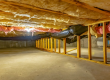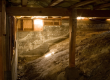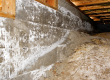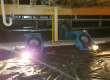
Crawl Space Repair Essentials to Prevent Moisture Damage
On a humid August afternoon in Dallas, a homeowner in Lake Highlands noticed a musty odor every time the air conditioner kicked on. Within weeks, floors began to feel soft near the hallway, and doors wouldn’t close properly. The culprit wasn’t a burst pipe or roof leak—it was a damp, neglected crawl space slowly damaging the home from below.
In North Texas, where clay soils move and humidity swings from dry to drenched, uncontrolled moisture in a crawl space can quietly cause thousands of dollars in structural damage. National studies estimate that up to 50% of the air on the first floor comes from the crawl space. That means whatever is happening down there—moisture, mold, wood rot—is affecting both the structure and the air you breathe.
This guide explains the essentials of crawl space repair to prevent moisture damage in Dallas-area homes. You’ll learn how moisture gets in, what warning signs to watch for, which repair and encapsulation options work best in our climate, and how to protect your home’s structure, air quality, and long-term value.
Key Insight: Managing crawl space moisture isn’t just about comfort—it’s a structural and air-quality issue that directly impacts the safety, stability, and lifespan of your home.
Why Dallas Crawl Spaces Are at High Risk for Moisture Damage
Crawl spaces in North Texas are uniquely vulnerable because of our climate and soil. Dallas averages more than 200 days of sunshine, but we also see intense storms, high humidity, and expansive clay soils that shift dramatically between wet and dry seasons.
Moisture finds its way into crawl spaces in several ways:
- Ground moisture wicking up through exposed soil
- Poor exterior drainage sending water toward the foundation
- Inadequate or poorly placed vents trapping humid air
- Plumbing leaks and condensation on pipes or ductwork
“Moisture is the silent enemy of wood-framed structures—by the time you see visible damage, it’s often been at work for years.” — Structural Foundation Specialist
In one East Dallas bungalow, for example, standing water under the home after heavy rains led to sagging floors and moldy insulation within two years. The homeowner initially assumed it was a flooring issue, but an inspection revealed severe moisture and early-stage wood rot in the crawl space.
The local stakes are high:
- Dallas clay soils expand when wet and shrink when dry, stressing beams and piers.
- High humidity accelerates mold growth and wood decay in enclosed areas.
- HVAC systems often pull air from or through the crawl space, spreading odors and spores.
For many homeowners, addressing moisture starts with the structure itself. An experienced team offering foundation repair services can evaluate whether movement or settlement is contributing to water intrusion and recommend both structural and moisture-control solutions.
Early Warning Signs: How to Spot Moisture Problems Before They Escalate
Moisture damage in a crawl space rarely starts with a dramatic flood. It usually builds slowly—and the signs show up in subtle ways inside your home long before you see standing water under it.
Common early warning signs include:
- Musty, earthy odors, especially after rain or when the AC turns on
- Floors that feel spongy, uneven, or begin to slope
- Doors that suddenly stick or won’t latch
- Visible mold on baseboards, lower walls, or around floor vents
- Higher-than-usual humidity indoors, foggy windows, or persistent condensation
A Dallas homeowner in Oak Cliff called about a “tilting” dining room hutch. On inspection, the real issue was sloping floors caused by moisture-damaged joists in the crawl space. A combination of sloping floor foundation repair, improved drainage, and crawl space moisture control resolved the problem and stabilized the furniture—and the structure.
“Your floors and doors are often the first messengers from your crawl space. Ignore them, and minor moisture issues can become structural repairs.” — Crawl Space Structural Repair Contractor
Key areas to monitor:
- Exterior: Soft soil near the foundation, standing water after storms, or downspouts discharging against the house
- Interior: Cracks in drywall near corners or door frames, especially when paired with musty smells
- Utility bills: Sudden increases can be related to damp insulation and overworked HVAC systems
If you see visible cracks in the foundation walls or along the perimeter, this can be both a symptom and a cause of moisture intrusion. Engaging a team that provides foundation crack repair services ensures those openings are evaluated structurally and sealed correctly rather than just patched over.
Drainage, Grading, and Ventilation: Your First Line of Defense
Before installing any advanced system under your home, the basics must be right outside and around it. In Dallas, many crawl space problems start with poor surface drainage and grading.
Exterior Drainage and Grading
A well-designed drainage system keeps water moving away from the foundation, not toward it. Homes that lack proper gutters, have short downspouts, or sit at the low point of a lot are at higher risk.
Effective solutions can include:
- Regrading soil so it slopes away from the foundation
- Extending downspouts several feet from the house
- Installing French drains or surface drains in problem areas
- Correcting negative drainage that funnels water toward the crawl space
A North Dallas homeowner with repeated crawl space moisture issues reduced standing water by 90% after a comprehensive drainage correction project. Only then did encapsulation and interior improvements make long-term sense.
Ventilation Considerations
Traditional thinking said: “Ventilate the crawl space to let moisture out.” In humid climates like ours, open vents often let more moisture in than they remove.
Compare the two approaches:
| Approach | Pros | Cons in Dallas Climate |
|---|---|---|
| Traditional open vent crawl space | Low upfront cost, simple design | Brings in humid air, encourages condensation, hard to control moisture |
| Modern controlled/encapsulated system | Strong moisture control, better air quality | Higher initial cost, requires professional design |
For some homes, especially older pier-and-beam structures, strategic foundation ventilation improvements—combined with drainage corrections—can significantly reduce moisture without a full overhaul. For others with recurring issues, modern encapsulation and mechanical drying are more reliable.
“Water that never reaches your crawl space is water you never have to manage under your home.” — Local Foundation Repair Expert
Encapsulation and Vapor Barriers: Modern Moisture Control That Works
Once exterior drainage and grading are under control, the next step for many Dallas homeowners is crawl space encapsulation. This modern approach seals the crawl space from ground moisture and outside air, turning it into a controlled environment.
What Encapsulation Involves
A professional crawl space encapsulation contractor typically performs:
- Installation of a heavy-duty vapor barrier over the soil and up foundation walls
- Sealing of vents, gaps, and penetrations to limit humid air entry
- Insulating walls or rim joists as appropriate
- Adding a dehumidifier or mechanical ventilation system to control humidity
The goal of vapor barrier crawl space encapsulation is to create a continuous moisture barrier and maintain humidity levels that prevent mold and wood decay.
In a recent Dallas project, a 1950s pier-and-beam home near White Rock Lake had chronic musty odors and damp insulation. After drainage improvements and full encapsulation, humidity levels in the crawl space dropped from over 80% to a stable 50–55%, eliminating odors and slowing further wood deterioration.
“Encapsulation transforms the crawl space from an uncontrolled, damp void into part of the conditioned building envelope.” — Residential Crawl Space Restoration Specialist
Full Sealing vs. Partial Measures
Here’s a look at how partial measures compare to full encapsulation:
| Solution | Moisture Control | Energy Efficiency | Initial Cost | Long-Term Protection |
|---|---|---|---|---|
| Basic plastic sheeting on soil | Low | Minimal | Low | Short-term, easily damaged |
| Targeted vapor barrier in wet areas | Moderate | Limited | Moderate | Helps, but leaves vulnerabilities |
| Full crawl space sealing and insulation | High | Significant | Higher | Strong, long-term solution |
For homes with a history of severe moisture issues, moisture control encapsulation systems are often the most cost-effective option over 10–20 years, especially when factoring in avoided repairs to flooring, framing, and HVAC systems.
Structural Repairs: Protecting Beams, Joists, and Foundation Walls
Moisture doesn’t just make a crawl space uncomfortable—it can damage the structural elements that hold your home up. Over time, high humidity and repeated wetting can:
- Weaken or rot wooden beams and joists
- Cause metal components to rust
- Contribute to foundation wall cracking and settlement
- Lead to sagging floors and misaligned doors or windows
A proper crawl space repair plan in Dallas often requires both moisture control and structural reinforcement. That’s where a qualified structural foundation repair specialist makes a difference.
Common Structural Interventions
Depending on the condition of your crawl space, repairs may include:
- Replacing or sistering damaged joists and beams
- Installing additional piers or supports to correct sagging areas
- Using steel beams or adjustable posts for long-term stability
- Addressing foundation wall cracks with methods such as concrete foundation crack repair or epoxy injection
“Moisture control without structural repair is like drying out a sinking boat without fixing the leak.” — Structural Crack Repair Contractor
In a Highland Park home, long-term moisture had rotted several key beams under the living room. After temporary shoring, the team replaced compromised members, added supplemental piers, and then implemented a moisture control strategy. The combination of crawl space structural repair and encapsulation restored both safety and comfort.
For homes showing visible cracking, bowing, or separation in foundation walls, it’s essential to work with a company experienced in basement and foundation crack sealing. Epoxy and other structural repair methods must be selected and applied based on the crack’s cause, not just its appearance.
Retaining Walls, Site Control, and Long-Term Moisture Management
Some Dallas properties, especially in hilly neighborhoods or lots near creeks and drainage channels, need more than basic grading to manage water. Retaining walls and site structures can be critical to keeping moisture away from crawl spaces and foundations.
The Role of Retaining Walls
Well-designed retaining walls help:
- Prevent soil erosion that exposes or undermines foundations
- Redirect surface runoff away from the home
- Create level, stable areas for landscaping that won’t drain toward the structure
A homeowner near the Trinity River corridor dealt with repeated washouts and soil movement along the side of their pier-and-beam home. A new drainage plan, combined with professional retaining wall installation services, stabilized the slope and drastically reduced water pressure against the foundation.
Retaining wall options include:
- Concrete or masonry walls designed by a concrete retaining wall contractor
- Block wall systems for flexible, modular installations
- Decorative stone or masonry solutions that blend with landscaping
“Properly engineered retaining walls do more than look good—they control how water and soil move around your home for decades.” — Retaining Wall Engineer
Whether you need functional slope stabilization or decorative retaining wall construction, tying wall design into your crawl space and foundation strategy is crucial. Ignoring one part of the system can undermine the others.
What This Means for Homeowners in Dallas, Texas
For Dallas-area homeowners, crawl space moisture isn’t an abstract problem—it’s a local reality driven by our soil, storms, and climate patterns. The combination of expansive clay and intense summer humidity makes unmanaged crawl spaces a frequent source of:
- Costly structural repairs
- Indoor air quality concerns
- Energy inefficiency and higher utility bills
Addressing crawl space issues proactively offers several advantages:
- Protects your investment: A stable foundation and dry crawl space preserve flooring, finishes, and resale value.
- Improves comfort and health: Reducing moisture and mold below your home improves the air you breathe above it.
- Reduces future repair costs: Thoughtful drainage, encapsulation, and structural work now can prevent larger interventions later.
Dallas also has a competitive real estate market. Buyers and inspectors are increasingly savvy about crawl space conditions, especially in older neighborhoods with pier-and-beam construction. Documented work from a reputable professional foundation repair company can be a selling point, not just a repair record.
Ultimately, the essentials of crawl space repair in Dallas are about more than one product or quick fix. They involve:
- Assessing how water moves across your lot
- Correcting drainage and grading issues
- Evaluating and repairing structural components
- Implementing appropriate ventilation or encapsulation
- Maintaining the system with periodic inspections
Partnering with local foundation and crawl space professionals who understand North Texas conditions is the most reliable way to create a dry, stable, and healthy home from the ground up.
Frequently Asked Questions
Q: How do I know if my Dallas home needs crawl space repair or just better ventilation?
A: The decision starts with a thorough inspection. If your crawl space only shows mild humidity and no signs of wood rot, mold, or structural movement, targeted foundation ventilation improvements and minor drainage corrections may be enough. However, if you’re seeing sagging floors, musty odors, visible mold, or high moisture readings in the wood, that points to a need for more comprehensive crawl space repair services. In Dallas, open vents often bring in humid air, so “more ventilation” is not always the answer. A professional evaluation will measure moisture levels, inspect framing, and assess drainage before recommending the right approach.
Q: Can I just lay plastic on the ground myself to solve crawl space moisture problems?
A: Laying basic plastic sheeting is better than bare soil, but it’s rarely a complete solution in our climate. Thin plastic tears easily, doesn’t seal around piers or walls, and doesn’t address water entering from foundation cracks or poor drainage. DIY efforts can also trap moisture in the wrong places if not paired with proper ventilation or dehumidification. A professional moisture control crawl space repair plan uses heavy-duty vapor barriers, sealed seams, wall coverage, and, when needed, mechanical systems to maintain safe humidity levels. In Dallas homes with structural concerns or existing damage, it’s especially important to involve a contractor experienced in both moisture and structural repairs.
Q: How does crawl space moisture affect my foundation and floors over time?
A: Prolonged moisture in a crawl space accelerates wood rot, mold growth, and corrosion of metal components. In North Texas, where clay soils already stress foundations, this added deterioration can lead to sagging or sloping floors, creaking, and cracks in walls and ceilings. As joists and beams weaken, you may need sloping floor foundation repair and reinforcement of structural members. Moisture can also seep into and through foundation walls, requiring professional epoxy foundation crack repair specialists to stabilize and seal cracks. Over years, what began as a damp smell can become a full-scale structural project if not addressed.
Q: What’s the typical cost range for crawl space encapsulation in the Dallas area?
A: Costs vary based on crawl space size, accessibility, existing damage, and necessary drainage or structural work. A small, relatively dry crawl space might only need targeted vapor barriers and minor upgrades, while a larger space with standing water, wood rot, or settlement will require more extensive work. While encapsulation is a meaningful investment, many Dallas homeowners find it compares favorably to the cost of repeated repairs to flooring, ductwork, and framing. A detailed inspection and written proposal from a residential foundation repair contractor will outline specific line items so you can see where each dollar is going and how it protects your home long-term.
Q: Will crawl space repair and encapsulation help with allergies or indoor air quality?
A: Often, yes. Studies show that a significant percentage of the air on the first floor comes from the crawl space, especially in homes with ductwork running underneath. If that air is passing over damp soil, mold, or decaying materials, those particles can be drawn into your living areas. Proper crawl space encapsulation services combined with moisture control can reduce mold growth and musty odors, creating a cleaner air supply. While it’s not a cure-all for every allergy, many Dallas homeowners report fewer odors, less dust, and a more comfortable environment after their crawl space is professionally sealed and dried.
Q: How long do professional crawl space repairs and encapsulation last?
A: High-quality materials and proper installation can protect your home for decades. Heavy-duty vapor barriers, professionally sealed seams, and well-designed moisture control encapsulation systems are built with longevity in mind. Structural repairs performed by an experienced crawl space structural repair company are likewise intended as long-term solutions, not temporary fixes. That said, periodic inspections—especially after major storms or soil movement—are wise. A quick annual or biannual check allows small issues to be addressed before they compromise the system’s performance.
Q: Do I need both a foundation repair specialist and a separate contractor for retaining walls or drainage?
A: Not necessarily. Many Dallas homeowners benefit from working with a single team that understands the full picture—structure, drainage, and site conditions. A company that offers both foundation repair services and retaining wall repair and replacement can coordinate solutions more effectively. For example, if your crawl space moisture is partly due to a failing slope or eroding hillside, having one contractor design both the structural foundation solution and the block retaining wall installation ensures everything works together. It also simplifies communication, scheduling, and long-term maintenance.
Ready to Get Started?
Dallas weather won’t wait, and neither will moisture under your home. Every season of unchecked humidity and standing water in your crawl space can quietly weaken framing, encourage mold, and stress your foundation. Addressing these issues now—before the next round of heavy storms or heat waves—can save you from more invasive and expensive repairs later.
The next step is straightforward: schedule a professional inspection focused on both moisture and structure. A qualified team will evaluate your crawl space conditions, drainage patterns, and foundation performance, then present a clear plan that may include drainage improvements, structural reinforcement, and encapsulation where appropriate.
With years of experience in North Texas soils and climate, Elite Foundation Repairs understands how to protect Dallas homes from the ground up. Whether you’re dealing with musty odors, sloping floors, visible cracks, or just want peace of mind, an expert assessment can turn uncertainty into a practical, long-term solution.
About Elite Foundation Repairs
Elite Foundation Repairs is a locally trusted foundation and crawl space specialist serving Dallas and the surrounding North Texas communities. Our team combines years of hands-on experience with industry best practices to deliver reliable structural solutions, moisture control strategies, and site improvements. From pier-and-beam homes to concrete foundations and retaining walls, we focus on long-term stability and honest communication, helping homeowners protect their most important investment. Learn more about our services and approach at Elite Foundation Repairs.