Foundation Crack Repair Strategies for Safer Home Settling
On a hot August afternoon in Dallas, a homeowner in Lake Highlands noticed a thin crack snaking up from the corner of a living room window. By the end of the year, that “hairline” crack had widened, doors stopped latching, and a once-level floor began to slope. Stories like this are common across North Texas, where expansive clay soils and dramatic moisture swings put constant stress on concrete slabs and pier-and-beam foundations.
The Foundation Performance Association estimates that a large percentage of homes in expansive clay regions will experience some degree of foundation movement over their lifespan. In the Dallas–Fort Worth area, that often shows up first as visible cracks. Some are cosmetic. Others are early warning signs of structural trouble.
This guide breaks down how to tell the difference, what kinds of foundation cracks need immediate attention, and which repair strategies actually protect your home long-term. You’ll see real Dallas-area examples, understand modern repair methods, and learn how to work with structural foundation repair specialists to keep your home settling safely instead of slipping into costly damage.
Key Insight: Addressing foundation cracks early—using the right repair strategy for your soil, structure, and moisture conditions—can save Dallas homeowners thousands in future structural repairs and dramatically improve long-term safety and stability.
Understanding Foundation Cracks in North Texas Clay Soils
Dallas sits on some of the most expansive clay soils in the country. These clays swell when they’re wet and shrink when they’re dry, creating powerful forces that push and pull at your foundation. That movement shows up as cracks in different parts of the home—slab, brick, drywall, floors, and even retaining walls.
Engineers typically categorize foundation cracks into a few main types:
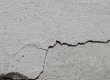
- Hairline shrinkage cracks (often cosmetic in newer concrete)
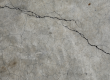
- Vertical or diagonal settlement cracks
- Horizontal or stair-step cracks (often more serious)
- Wide, uneven, or recurring cracks (possible structural movement)
In a North Dallas ranch home, for example, a family noticed stair-step cracks in the brick veneer near the garage. A structural engineer’s inspection revealed differential settlement on one side of the home due to poor drainage and a leaking sprinkler line. The problem wasn’t just the visible cracks; the soil under the slab had lost support.
“Cracks are the symptom. Soil movement and moisture imbalance are usually the disease.” — Senior Structural Engineer, Dallas
That local soil behavior is why foundation crack repair services in Dallas can’t be “one-size-fits-all.” A quick patch may hide the problem for a season, but if the soil is still heaving or shrinking unevenly, the cracks will come back—and often worse.
Understanding how North Texas clay behaves under your specific home—slab-on-grade, pier-and-beam, or crawl space—is the starting point for choosing the right repair strategy.
When a Crack Is Cosmetic vs. Structural: How Pros Decide
Not every crack justifies a major repair. The challenge is knowing which ones you can monitor and which ones need a structural crack repair contractor to step in quickly.
Professionals look at several factors together:
- Location: In slab, brick, interior walls, floors, or ceilings
- Direction: Vertical, diagonal, stair-step, horizontal
- Width and depth: Hairline vs. 1/8″ or larger
- Pattern: Single isolated crack vs. a pattern across the home
- Movement: Doors sticking, windows racking, floors sloping
A homeowner in Oak Cliff called after noticing a vertical crack in the garage slab. On inspection, it was a narrow, non-displaced shrinkage crack from original curing. No doors were sticking, and the foundation elevations were consistent. In that case, a simple concrete foundation crack repair with flexible sealant and monitoring was enough.
Contrast that with a Plano property where multiple diagonal cracks radiated from window corners, the brick veneer had separated from the window frame, and the back door dragged on the threshold. Elevation readings showed one corner of the slab had dropped more than an inch. That’s when structural intervention becomes necessary.
Many Dallas homeowners are tempted to caulk and paint over cracks to “see if it gets worse.” The risk is that by the time it’s clearly worse, the settlement may have progressed enough to require more extensive piering or underpinning.
Working with a professional foundation repair company early allows for:
- Baseline elevation measurements
- Identification of active vs. historic movement
- Prioritization of repairs (immediate vs. monitor)
- Protection of home value and safety
Cosmetic crack repair has its place, but only after the structure is stable and the underlying cause is addressed.
Modern Foundation Crack Repair: Epoxy, Piers, and Moisture Management
Foundation crack repair in Dallas has evolved far beyond simple patching. Modern approaches blend structural reinforcement, advanced materials, and moisture control to create long-term stability.
Structural vs. Non-Structural Crack Repair
- Non-structural: Hairline, stable cracks addressed with sealants or surface treatments
- Structural: Cracks associated with movement, displacement, or load-bearing elements
For structural cracks in concrete, epoxy injection is now a common method. As epoxy foundation crack repair specialists, contractors use low-viscosity epoxy to weld the crack internally, restoring much of the original strength of the concrete.
A recent project in Richardson involved a garage slab with a through-crack that allowed water intrusion during heavy rains. After stabilizing the affected side of the slab with steel piers, technicians cleaned the crack, installed injection ports, and filled it with structural epoxy. This not only sealed out moisture but also tied the concrete back together.
However, epoxy alone is not a cure-all. If the soil continues to move, the concrete can crack again nearby. That’s why structural crack repair is often paired with:
- Steel or concrete piers to underpin and support settled areas
- Drainage improvements to prevent soil saturation
- Root barriers where large trees are influencing moisture levels
“Modern foundation repair is really soil management plus structural reinforcement. You can’t separate the two in North Texas.” — Experienced Dallas Foundation Contractor
By integrating advanced materials with proven underpinning techniques, homeowners can move from “chasing cracks” to genuinely stabilizing their homes.
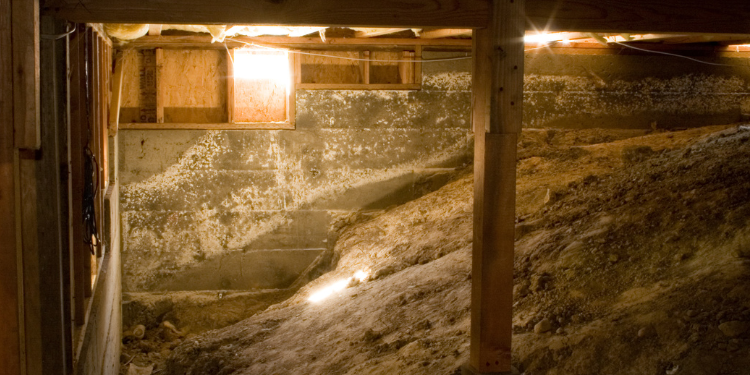
Crawl Spaces, Sloping Floors, and Hidden Foundation Risk
Many older Dallas neighborhoods—like parts of East Dallas, Oak Cliff, and M Streets—feature pier-and-beam homes with crawl spaces. These structures behave very differently from slabs and bring their own set of crack and settlement issues.
In these homes, signs of trouble often show up as:
- Sloping or bouncy floors
- Cracks in plaster or drywall near interior walls
- Doors that swing open or won’t latch
- Gaps between baseboards and floors
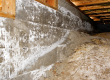
A Heights-area homeowner contacted Elite Foundation Repairs about a “soft spot” in the hallway. Inspection revealed high humidity and moisture in the crawl space, decayed joists, and undersized piers. The visible floor issues were symptoms of a deeper structural problem.
Comprehensive sloping floor foundation repair and crawl space repair services typically involve:
- Replacing or sistering damaged joists and beams
- Adding properly spaced piers or supports
- Correcting grading and installing drainage solutions
- Improving crawl space ventilation or encapsulation
For many Dallas homeowners, working with a professional crawl space repair contractor is the first time they’ve really seen what’s happening beneath their floors. Moisture, pests, and inadequate supports can quietly undermine a home’s structure for years before cracks appear.
By stabilizing the structure below and controlling moisture, a qualified crawl space structural repair company can eliminate many of the cracks, squeaks, and slopes that frustrate owners of older North Texas homes.
Moisture, Drainage, and Retaining Walls: Controlling the Real Enemy
In Dallas, water is often the real culprit behind foundation cracks—either too much in the wrong place or not enough in the right one. The cycle of drought followed by heavy storms is brutal on clay soils and on the structures built atop them.
Effective moisture control crawl space repair and exterior drainage management are crucial parts of long-term foundation health. That’s where services like drainage correction and retaining wall installation services come into play.
Common Local Drainage Issues
- Downspouts discharging right at the foundation
- Negative grading that slopes toward the home
- Overflowing gutters in heavy storms
- Irrigation systems overwatering one side of the house
A Frisco homeowner experienced recurring cracks in the same living room wall every two to three years. Previous contractors had patched and painted, but the problem returned. A closer look showed that the backyard sloped toward the house, and a failing timber retaining wall was funneling water directly at the slab.
The long-term solution included:
- Regrading the yard to direct water away from the home
- Installing a French drain system along the problem side
- Replacing the failing wall with a concrete solution from a concrete retaining wall contractor
- Stabilizing the affected section of the foundation
“Drainage is the first line of defense for foundations in Dallas. If water management is wrong, everything else is just a Band-Aid.” — Local Civil Engineer
By integrating structural repairs with smart water management—grading, drains, and retaining wall repair and replacement—homeowners can dramatically reduce the risk of future foundation cracks.
Traditional vs. Modern Foundation Crack Repair Approaches
Many Dallas homeowners are familiar with older repair methods—simple patches, cosmetic mortar work, or ad-hoc pier installations. Modern foundation repair strategies are more data-driven and holistic.
Here’s a comparison:
| Aspect | Traditional Approach | Modern, Comprehensive Approach |
|---|---|---|
| Crack Treatment | Surface patching or caulking | Structural epoxy injection plus movement control |
| Diagnosis | Visual inspection only | Elevation surveys, moisture mapping, soil assessment |
| Soil & Moisture Management | Rarely addressed | Integrated drainage correction and grading solutions |
| Crawl Space Issues | Add shims or temporary supports | Full crawl space repair services and encapsulation options |
| Retaining Walls | Patch or replace in kind | Engineered block retaining wall installation and drainage |
| Longevity | Often 3–7 years before new issues appear | Designed for long-term stability with maintenance plan |
| Documentation | Minimal photos and notes | Detailed reports, before/after elevations, homeowner education |
A homeowner in Far North Dallas had previously hired a low-bid contractor to “fix” foundation cracks with surface mortar and a few shallow piers. Within five years, new cracks formed in different rooms. When Elite Foundation Repairs evaluated the home, the team used elevation readings, soil analysis, and moisture assessment to design a more complete repair plan.
The result was not just fewer cracks—but a more predictable, stable home that stood up better to seasonal changes.
Modern approaches may cost more up front, but they often save money by preventing repeat repairs and protecting the overall structure.
What This Means for Homeowners in Dallas, Texas
Dallas homes face a unique combination of expansive soils, intense heat, and dramatic rainfall swings. That environment makes foundation cracks far more than a cosmetic concern—they’re an early warning system for soil and moisture problems that can threaten the structure if ignored.
For local homeowners, this means:
- Proactive monitoring pays off. Catching cracks early and getting a professional opinion can prevent minor issues from becoming major structural repairs.
- Local expertise matters. Working with local foundation repair experts who understand Dallas soils and weather patterns leads to better diagnoses and more durable solutions.
- Moisture control is non-negotiable. Whether through gutters, grading, drainage systems, or crawl space moisture control, managing water is central to foundation health here.
- Crawl spaces deserve attention. Many older homes in central Dallas rely on pier-and-beam structures. Combining residential crawl space restoration with structural underpinning when needed can dramatically extend the life of these homes.
- Retaining walls are part of the foundation system. In hilly neighborhoods like parts of Oak Cliff and North Dallas, well-designed decorative retaining wall construction doesn’t just look good—it protects the soil that supports your home.
Working with a residential foundation repair contractor who treats cracks as clues—rather than just blemishes—gives you a roadmap to safer, more predictable settling. In a city where soil is always on the move, that peace of mind is worth a lot.
Frequently Asked Questions
Q: How do I know if my foundation cracks are serious enough to call a professional?
A: Pay attention to patterns and symptoms, not just individual cracks. If you see multiple cracks forming in different parts of the home, stair-step cracks in brick, gaps around windows or doors, or you notice doors sticking and floors sloping, it’s time to contact a professional foundation repair company. In Dallas, because of expansive clay soils, even seemingly small changes can signal developing movement. A reputable contractor will take elevation readings, inspect inside and out, and tell you whether the cracks are cosmetic or require structural work. It’s far better to get reassurance now than to wait until repairs become more extensive and expensive.
Q: Is epoxy injection enough to fix my foundation cracks long-term?
A: Epoxy injection is an excellent tool for basement and foundation crack sealing and for restoring strength to cracked concrete, but it’s only one part of a complete solution. If the underlying soil is still moving due to poor drainage, tree roots, or uneven moisture, new cracks can form elsewhere even after epoxy repair. That’s why epoxy foundation crack repair specialists in Dallas often combine injections with underpinning, drainage correction, or soil moisture management. Think of epoxy as a way to repair damaged concrete after you’ve stabilized the structure—not as a standalone cure for settlement or heave.
Q: We have a pier-and-beam home with sloping floors. Will crawl space encapsulation fix the problem?
A: Encapsulation is powerful for moisture control, but it doesn’t correct structural issues by itself. If your floors are sloping or bouncy, a professional crawl space repair contractor will first evaluate the beams, joists, and piers. They may need to add supports, replace damaged wood, or re-level sections of the structure. Once the framing is sound, vapor barrier crawl space encapsulation or improved ventilation can help keep humidity in check, protect new lumber, and minimize future movement. In Dallas, combining structural work with moisture control encapsulation systems is often the best way to preserve older pier-and-beam homes.
Q: How important is drainage around my house for preventing foundation cracks?
A: In North Texas, drainage is critical. Poor drainage allows water to collect near your foundation, saturating the clay soils and causing them to expand. When they later dry out, they shrink and pull away, leading to settlement and cracking. Proper grading, functioning gutters, downspout extensions, and professionally designed drainage correction systems can dramatically reduce this cycle. Many foundation repair services in Dallas now include drainage evaluation as a standard part of their inspections because controlling water is one of the most cost-effective ways to protect your foundation long-term.
Q: Do retaining walls really affect my foundation, or are they just landscaping features?
A: Retaining walls are more than decorative; they’re part of your site’s structural system. Failing walls can allow soil to move, erode, or exert uneven pressure on nearby foundations. In hilly Dallas neighborhoods, a poorly built or deteriorating wall can redirect water toward your home and destabilize the soil supporting your slab or piers. Working with a qualified concrete retaining wall contractor or block retaining wall installation specialist ensures your wall includes proper footing, drainage, and reinforcement. That, in turn, helps protect both the wall itself and the adjacent foundation from movement and cracking.
Q: How often should I have my foundation checked in Dallas?
A: For most homes, a professional foundation check every 3–5 years is a good baseline, especially if you’re in an area known for soil movement or you’ve noticed minor changes like small cracks or doors beginning to stick. If you’ve had previous repairs, many local foundation repair experts recommend periodic elevation checks to confirm stability. After major events—extended droughts, unusually wet seasons, or nearby construction—it’s wise to schedule a visit sooner. Regular evaluations by a residential foundation repair contractor can catch subtle changes early, when solutions are typically simpler and less costly.
Q: Will foundation repairs and crack sealing hurt my home’s resale value?
A: Professionally completed repairs, with documentation, often help rather than hurt resale value in the Dallas market. Buyers and inspectors understand that many homes here will eventually need some level of structural foundation repair specialists involvement due to our soil conditions. What worries buyers is undisclosed or poorly documented movement. When you can show a history of inspections, repair plans, and warranties from reputable contractors, it signals that the home has been responsibly maintained. Quality foundation crack repair services and moisture management can actually make your property more attractive compared to similar homes with unaddressed issues.
Ready to Get Started?
Dallas soils won’t stop moving. The question is whether your home will move safely with them or suffer preventable damage. If you’re seeing new cracks, sticking doors, sloping floors, or signs of moisture around your foundation or crawl space, this is the right time to act—not after the next drought or storm cycle makes things worse.
Elite Foundation Repairs offers comprehensive assessments that look beyond surface cracks. From detailed elevation readings and structural analysis to foundation repair services, drainage solutions, and crawl space restoration, our team designs repairs tailored to North Texas conditions and your specific home.
Scheduling an inspection now means:
- Catching problems before they become major structural failures
- Getting clear, honest answers about what’s urgent and what can be monitored
- Protecting your home’s value and safety for the long term
Our crews work across the Dallas area every week, so appointments can fill quickly—especially during extreme weather seasons. Take the next step toward a safer, more stable home by reaching out for a professional evaluation and repair plan.
About Elite Foundation Repairs
Elite Foundation Repairs is a locally owned structural and foundation crack repair services provider serving Dallas and the surrounding North Texas communities. With years of hands-on experience in expansive clay soils, our team specializes in slab and pier-and-beam stabilization, crawl space encapsulation services, drainage correction, and engineered retaining wall solutions. We combine industry best practices with local expertise to deliver long-lasting, transparent, and code-compliant repairs for homeowners who want their foundations done right the first time.