If your retaining wall is shifting, bowing, or leaving muddy streaks behind, the issue usually starts with soil movement and water pressure. This guide helps you spot the warning signs and understand what to check before the problem spreads into your landscape, driveway, or foundation.
Your retaining wall can look “mostly fine” until one season changes the pressure on the soil behind it. In Dallas, TX, heavy rain followed by dry stretches can aggravate settlement, especially around older walls, sloped lots, and properties with backyard drainage challenges.
If you have noticed cracks in the wall, gaps between blocks, leaning sections, or wet spots along the base, you may be wondering whether it’s a cosmetic issue or something that needs structural attention. This guide breaks down common warning signs and what they typically mean, so you can decide what to inspect next and when to contact a professional.
- Quick answer
- What to check first
- Main things customers should understand
- Why this matters in Dallas, TX
- Common mistakes to avoid
- Customer checklist
- Frequently asked questions
Quick Answer
If your retaining wall is leaning, cracking, separating at joints, or showing signs of water buildup (mud at the base, wet soil, or recurring puddles), it’s a strong indicator that repair is needed. Start by checking for drainage problems, loose or missing caps/blocks, and any changes to the surrounding soil or landscaping. Because water pressure and soil movement can worsen quickly, a good next step is to have a professional inspect the wall and the site drainage plan before you try patching alone. Elite Foundation Repairs can evaluate your retaining wall repair and replacement needs in Dallas, TX and nearby areas.
What to Check First
Before you schedule anything, focus on observations you can make safely from the property line or the top of the wall. The goal is to identify whether the problem is primarily structural, water-related, or both. Retaining wall issues often show up as a combination of movement and moisture, not just one symptom.
Look for movement
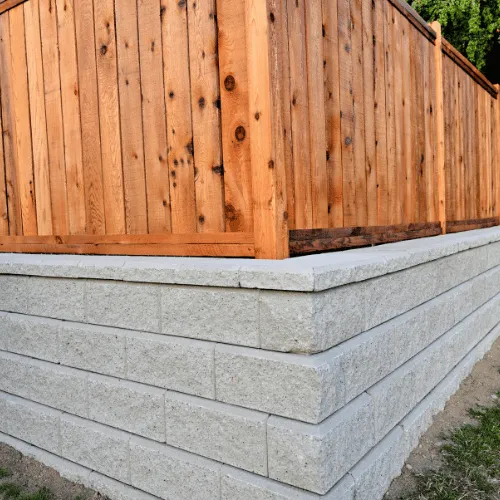
Check whether the wall is bowing, leaning, or has new gaps between blocks or stones. Pay attention to the top line and corners first.
Check the base
Look for washouts, settlement, or muddy streaks. If the area stays damp longer than it should after rain, that matters.
Inspect the joints
Small joint failures can be an early sign of shifting behind the wall. Missing mortar, crumbling fill, or cracked capstones should be noted.
Professional observation: A retaining wall often “fails” when water cannot exit properly. When water pressure builds behind the wall, even well-built block retaining wall installation can start to shift, especially on sloped properties.
Main Things Customers Should Understand
Repair decisions depend on what’s driving the movement. In most cases, the wall is reacting to forces from behind it, not just surface wear. Understanding the main factors helps you avoid mismatched repairs that only address the visible damage.
| What you notice | What it can indicate | What to ask about during an inspection |
|---|---|---|
| Cracks in the wall face or near joints | Settlement, movement between blocks, or shifting from soil pressure | Whether the wall needs retaining wall repair and replacement versus localized patching |
| Leaning or bowing sections | Structural movement that may continue if the underlying cause remains | How drainage and backfill conditions are contributing to the forces on the wall |
| Mud, wet soil, or recurring damp spots at the base | Water buildup behind the wall and inadequate moisture control | Concrete retaining wall contractor approaches for drainage correction |
| Gaps, missing blocks, or failing caps | Loss of alignment and potential ongoing movement | Whether block retaining wall installation needs resetting and stabilization |
Customer-focused note: Decorative retaining wall construction can still experience the same structural pressures as functional walls. Appearance changes are often a symptom, not the root cause.
Why This Matters in Dallas, TX
In Dallas, TX, many homeowners deal with landscaping that sits near driveways, patios, or low spots where runoff collects. When rain systems, sprinklers, or grading direct water toward the base of a wall, the pressure behind the wall increases. Over time, that can lead to cracking, leaning, and soil washout that becomes more noticeable after wet weather.
It also matters that many local properties include older drainage layouts, changing vegetation, or added patio/landscape improvements. When the site changes, the wall’s performance can change too. A thorough inspection should consider drainage correction and how water moves across your property, not just the wall’s surface.
Common Mistakes to Avoid
When a retaining wall starts to shift, it’s tempting to make quick fixes. Unfortunately, the most visible damage is often not the main problem. Fixing only the surface can leave the pressure and moisture issue in place, which allows the wall to continue moving.
- Only patching cracks without addressing why the wall is moving.
- Power-washing mud away and ignoring the source of water buildup.
- Assuming decorative retaining wall construction issues are “cosmetic” when joints are separating.
- Adding soil or mulch against the wall without checking drainage and grading.
- Delaying an inspection after you notice bowing or progressive gaps.
If your retaining wall is connected to changes in the surrounding site, you may also want to review other related systems. For example, if you see ongoing moisture issues or slope-related performance concerns, it can overlap with foundation and drainage topics. You can explore retaining wall installation services for a focused overview, or read about drainage correction if water is part of what you’re observing.
Get a practical inspection for your retaining wall
If you’re seeing leaning sections, new cracks, or wet spots at the base, the most useful next step is a professional site review. Elite Foundation Repairs will help you understand what’s driving the movement and what repair approach fits your property.
(214) 856-9634Customer Checklist
Use this checklist to organize what you’ve noticed and what you can safely document. Having clear details helps a professional prioritize the likely cause and focus on the right repair path.
- Note when the issue started and whether it changed after rain or irrigation.
- Walk the wall line and mark areas with leaning, bowing, or widening gaps.
- Check the base for washouts, settlement, or muddy streaks after wet weather.
- Look for missing caps, loose blocks, or failing mortar at joints.
- Observe nearby drainage patterns: downspouts, irrigation overspray, and grading toward the wall.
- Take a simple list of related symptoms on the property (for example, sloping floor foundation repair concerns if floors have changed).
Representative scenario: A Dallas homeowner noticed hairline cracks along the top course of a block retaining wall after the first major rain of the season. Over the next weeks, the wall face started to bow slightly and the soil at the base stayed damp longer than surrounding areas. Instead of only replacing a few blocks, the homeowner had the site inspected for drainage correction and backfill conditions. That inspection helped identify the moisture and pressure factors driving the movement, which is why the repair plan targeted more than the visible cracks.
Depending on what you’re seeing, the inspection may also overlap with other structural concerns. If you suspect settlement that’s affecting floors, you can review sloping floor foundation repair to better understand how structural movement can show up inside the home. If moisture is also present in crawl space areas, it can connect to foundation ventilation and crawl space repair services.
Ready to address retaining wall repair before it worsens?
When a retaining wall shows progressive movement, the safest plan is to get a professional evaluation. Elite Foundation Repairs serves Dallas, TX and surrounding areas with retaining wall repair and replacement, concrete retaining wall contractor services, and related moisture control solutions.
Contact Elite Foundation RepairsFrequently Asked Questions
What are the most common signs a retaining wall needs repair?
Most retaining wall repair needs start with visible movement and moisture. Look for leaning or bowing sections, widening gaps between blocks or stones, cracks near joints, and missing or failing caps. Water signs also matter: muddy streaks at the base, damp soil that returns after rain, or washout areas where material has shifted away from the wall. If you notice these symptoms progressing over weeks or seasons, it’s a strong sign the underlying cause is still active and should be inspected.
Can I fix a retaining wall by patching cracks only?
Crack patching can help with surface appearance, but it usually does not stop the forces causing the movement. Retaining walls typically react to soil pressure and water behind the wall. If drainage correction is not addressed, repairs may fail again because the pressure remains. A professional inspection can help determine whether the issue is primarily localized or whether the wall needs retaining wall repair and replacement to restore stability.
Why does water at the base of the wall mean more than a landscaping problem?
Wet soil and muddy streaks at the base often indicate water is not exiting the wall properly. When water collects behind the wall, it increases pressure on the structure and can contribute to settlement or washout. In Dallas, TX, seasonal rain patterns and changes to grading or irrigation can make these symptoms more noticeable. Addressing moisture control and drainage pathways is commonly part of a durable repair plan.
How do I know whether I need retaining wall repair or full replacement?
Repair versus replacement depends on how much movement has occurred and whether the wall can be stabilized. Walls with early joint separation or minor localized damage may be candidates for retaining wall repair approaches, while walls with significant bowing, ongoing shifting, or repeated failures often require a more comprehensive retaining wall repair and replacement plan. During an inspection, a professional will look at the wall line, base condition, and drainage factors that influence stability.
What information should I gather before contacting a retaining wall contractor?
Before you call, write down when you first noticed the issue and whether it changed after rain or irrigation. Walk the wall and note areas with leaning, widening gaps, or cracked joints. Check the base for washouts, settlement, and damp soil. If possible, observe how water moves on your property, including downspouts, sprinklers, and grading toward the wall. This helps the inspection focus on the most likely causes.

Elite Foundation Repairs
Elite Foundation Repairs provides foundation repair services and related structural support for homeowners and property owners in Dallas, TX and surrounding areas.
If your retaining wall is showing signs of movement or moisture-related stress, our team can help you identify what’s driving the problem and recommend an appropriate repair approach, including retaining wall installation services, concrete retaining wall contractor work, and drainage-focused solutions.