Foundation Repair Near Me: Signs Your Home Needs Help
If your Dallas home is showing cracks, sticking doors, or moisture problems, it can be more than “settling.” This guide walks you through the most common warning signs of foundation movement and what to check next, so you can make a clear plan for repairs.
A few months after a hot Dallas summer, you notice a hairline crack widening in a corner of the living room. At the same time, one exterior door seems harder to close, and the tile near the entry feels slightly “off” when you walk across it.
Those clues often point to foundation movement, but the tricky part is that symptoms can overlap with other issues like drainage, crawl space moisture, or settlement in non-structural areas. This guide helps you understand what to look for, what patterns matter, and when it’s time to involve professional foundation repair services in Dallas, TX.
- Quick answer
- What to check first
- Main things customers should understand
- Why this matters in Dallas, TX
- Common mistakes to avoid
- Customer checklist
- Frequently asked questions
Quick Answer
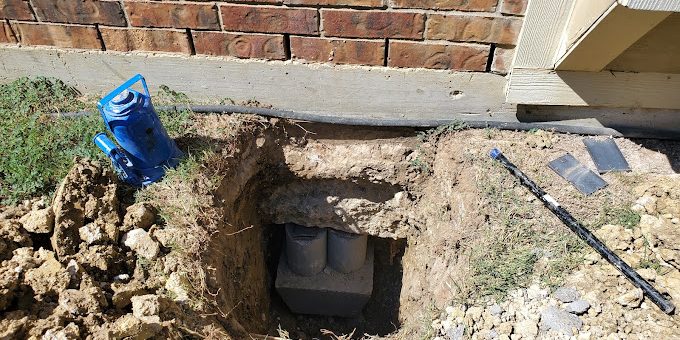
If you’re seeing new or growing cracks, doors or windows that start sticking, uneven floors, or persistent moisture in the basement or crawl space, treat it as a signal to get a professional inspection. A residential foundation repair contractor can help identify whether the issue is structural foundation repair, moisture control, or related drainage problems. Your practical next step in Dallas is to document what you’re seeing (crack locations, door/window alignment, and any damp areas) and schedule an on-site evaluation so you can match the repair approach to the actual cause.
What to Check First
Start with observations you can verify without special tools. The goal is not to diagnose yourself. It’s to notice patterns that suggest movement and to separate “cosmetic” cracking from signs that the structure may be shifting.
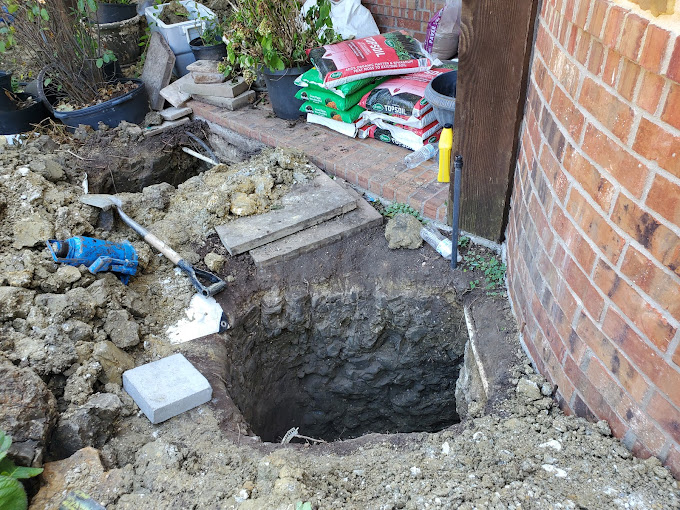
Next, inspect moisture-related clues. In many homes, foundation problems and moisture problems travel together. If you have dampness in a crawl space, musty odors, or water near the exterior, it’s worth considering how water management affects soil around the foundation. For crawl space-focused options, you can review foundation ventilation from Elite Foundation Repairs.
Main Things Customers Should Understand
Foundation repair isn’t one-size-fits-all. Different symptoms can come from different causes, and a professional approach considers how the home is behaving over time. Here are the main factors that typically influence what structural foundation repair specialists recommend.
Professional observation: Cracks that change over time often deserve closer attention than static “age” cracks. The repair plan should address the underlying cause, not just the surface.
1) Settlement vs. structural movement
Some homes develop minor cracking as they settle, but structural movement usually shows a pattern: cracks that grow, doors that shift, and floors that develop a noticeable slope. If you’re seeing multiple symptoms at once, it’s a stronger indicator that the foundation system is under stress.
2) Moisture and soil behavior
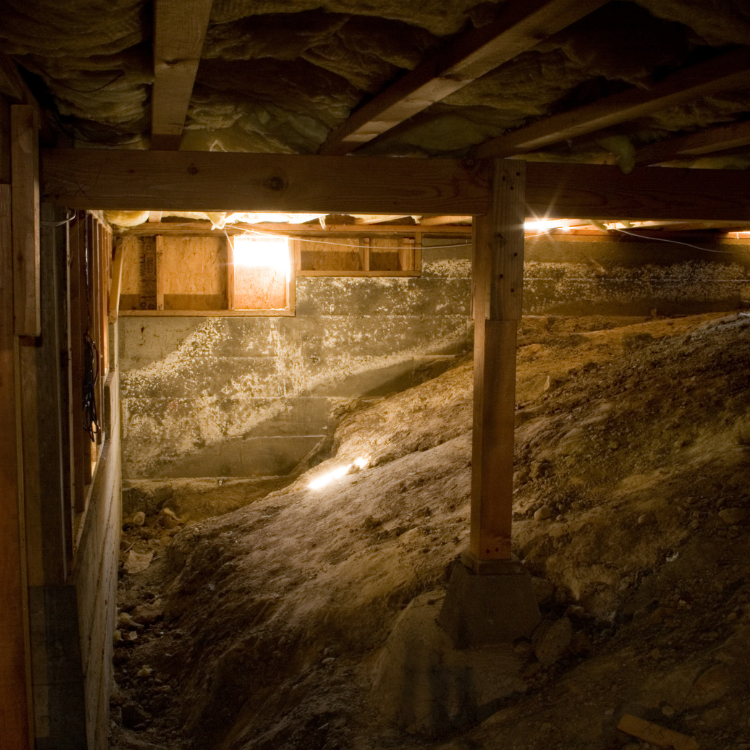
Moisture control matters because water influences soil conditions around the foundation. In crawl spaces, moisture can contribute to problems that affect the overall stability of the structure. That’s why many homeowners benefit from a combined approach that includes crawl space repair services and moisture management.
3) Concrete crack repair and sealing decisions
Not every crack needs the same treatment. Some cases call for concrete foundation crack repair and sealing strategies, while others require structural stabilization before sealing. If you’re dealing with basement and foundation crack sealing, you want a plan that matches the crack type and movement.
4) Sloped floors and foundation geometry
If you notice rooms that feel like they’re “rolling” or floors that are uneven in a way that seems connected to one side of the home, it may be consistent with sloping-floor foundation repair needs. For related scenarios, review sloping floor foundation repair.
5) Water pathways and drainage correction
Even when the foundation is the main concern, exterior water behavior can keep the problem active. If downspouts or grading issues are directing water toward the foundation, drainage correction can be part of a practical repair strategy. You can explore drainage correction to see how this fits into foundation repair planning.
Why This Matters in Dallas, TX
Homeowners in Dallas often deal with seasonal temperature swings and changes in ground moisture, which can affect how soil interacts with the foundation. When soil conditions shift, the foundation can respond with movement that shows up as cracks, sticking doors, or uneven floors. That’s why local foundation repair experts focus on both the symptoms inside the home and the conditions outside.
In many Dallas-area neighborhoods, homes may also have older drainage patterns, mature landscaping, or exterior grading that lets water collect near foundation walls. When that water has a consistent path, it can worsen structural stress over time. If your property includes retaining features, it’s also worth considering how nearby walls can affect drainage and soil pressure. For that angle, you can review retaining walls.
| What you’re seeing | What it may indicate | What to do next |
|---|---|---|
| Cracks that widen, step, or reappear after patching | Possible structural crack movement that may need structural foundation repair | Document the crack path and schedule an inspection |
| Doors or windows that stick or don’t latch evenly | Alignment changes consistent with foundation movement | Note which openings are affected and when it started |
| Uneven floors, tile lippage, or a noticeable slope | Potential settling or sloping-floor conditions | Ask about sloping-floor foundation repair options |
| Moisture in crawl space or musty odors | Moisture control needs that can affect stability over time | Consider crawl space structural repair company guidance |
| Cracks with active water near exterior walls | Drainage issues that keep the movement cycle going | Discuss drainage correction alongside foundation crack repair services |
Need a clear answer for your Dallas home?
If you’re trying to decide whether you’re seeing a structural issue or a moisture problem, the most practical step is a targeted inspection. Elite Foundation Repairs can help you connect the signs you’re noticing to the right next action.
Contact Elite Foundation RepairsCommon Mistakes to Avoid
Homeowners often take well-intended actions that don’t address the root cause. Here are common mistakes that can make foundation issues harder and more expensive to resolve later.
1) Only patching visible cracks
Surface repairs can temporarily improve appearance, but if movement is ongoing, the crack may return. For structural crack repair contractor work, addressing the underlying cause typically matters more than appearance.
2) Ignoring doors, windows, and floor changes
Cracks are one clue, but alignment changes are another. If multiple symptoms are showing up together, it’s a sign the issue is more than cosmetic. Use those clues to support what an inspection needs to evaluate.
3) Treating moisture problems as separate from foundation repair
In many homes, moisture control crawl space repair and foundation crack repair services overlap. If water management is part of the cause, repairs that ignore moisture can underperform.
4) Waiting too long to document changes
Without a timeline, it’s harder to understand whether the condition is stable or progressing. If you can, take notes on when symptoms started and whether they’ve worsened after rain, seasonal shifts, or temperature changes.
Customer Checklist
Use this checklist to prepare for a foundation inspection. The more specific you are about what changed and where it appears, the easier it is for local foundation repair experts to focus the evaluation.
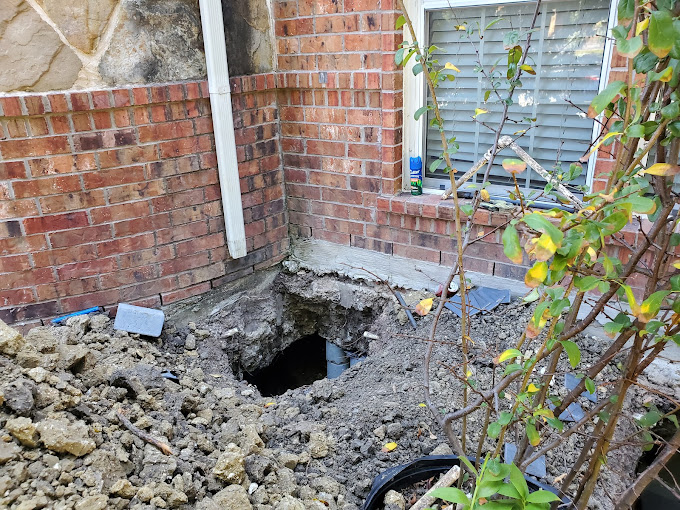
- List the first date you noticed cracks, sticking doors, or uneven floors
- Mark crack locations (inside walls, corners, near windows or doors) and whether they’re growing
- Note which doors or windows stick and whether gaps look uneven
- Record any damp areas, odors, or visible moisture in the crawl space or basement
- Check whether water collects near exterior walls after rain
- Bring photos or short videos of the same areas taken at different times
- Share whether you’ve tried any patching or sealing and if cracks returned
A representative Dallas homeowner scenario
Take a typical situation: a Dallas homeowner notices a corner crack in the living room and a growing gap around an interior doorway. Over the next few months, the floor near the entry feels slightly sloped, and they also find dampness in the crawl space after heavy rain. Instead of patching only the wall crack, they document the crack growth, door alignment changes, and the moisture pattern. During inspection, the team connects the symptoms to the home’s movement behavior and considers both structural foundation repair and the moisture conditions that can keep the issue active.
Frequently Asked Questions
How can I tell if a foundation crack is serious?
Cracks can be difficult to judge without context, but patterns matter. If you notice a crack that is widening, stepping, or reappearing after patching, it’s more concerning than a stable, hairline crack that does not change. Also pay attention to companion signs such as sticking doors or windows, uneven floors, or moisture problems near the same area. In Dallas, seasonal moisture changes can influence how the foundation responds, so documenting changes over time helps during an inspection.
Do I need crawl space repair if the problem is foundation cracks?
Sometimes foundation crack issues are connected to crawl space moisture and how water impacts the soil around the foundation. If you’re seeing dampness, musty odors, or visible moisture in the crawl space, addressing moisture control can be part of a practical repair plan. A professional evaluation can help determine whether crawl space structural repair company work, crawl space encapsulation services, or other moisture control encapsulation systems are needed alongside foundation crack repair services.
Can drainage correction stop foundation movement?
Drainage correction can help when water pathways are contributing to the conditions causing movement. If water consistently collects near foundation walls, it can keep soil conditions unstable. A targeted plan may include adjusting how water flows away from the home, then pairing that with the right foundation repair approach. The goal is to stop the ongoing conditions that can keep cracks widening or floor slopes developing.
What is the difference between crack sealing and structural foundation repair?
Crack sealing typically focuses on improving the appearance of a crack and reducing surface water intrusion. Structural foundation repair focuses on stabilizing the foundation system when movement is occurring. In many real-world cases, the best outcome involves matching the strategy to what’s happening: if there’s active movement, sealing alone may not hold up. That’s why structural foundation repair specialists evaluate the home’s behavior before recommending crack repair and sealing.
Should I hire a local foundation repair expert or a general contractor?
Foundation issues are specialized, because the repair approach depends on how the structure is moving and how related factors like moisture and drainage play a role. A professional foundation repair services team can look at the pattern of symptoms and recommend an approach tied to structural conditions. For Dallas homeowners, using local foundation repair experts who understand common property conditions in the area can make the inspection and planning process more focused.
Get the next step you can trust
If you’re searching for foundation repair near me and want a practical, homeowner-friendly plan, contact Elite Foundation Repairs. We can help you understand what your Dallas home is showing and what to address first.
(214) 856-9634
About Elite Foundation Repairs
Elite Foundation Repairs provides foundation repair services for Dallas, TX & surrounding areas. Homeowners choose us for structural foundation repair specialists who focus on connecting visible symptoms like cracks, uneven floors, and sticking doors to the underlying causes, including moisture control and drainage correction when appropriate.