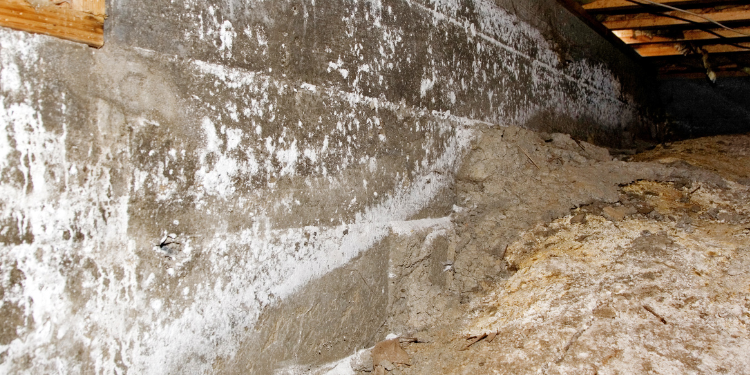
Crawl Space Repair Signs Your Foundation Needs Help
If you have a crawl space in a Dallas, TX home, small changes can turn into bigger foundation problems. This guide helps you spot warning signs early, understand what they can mean, and decide what to check next.
Over the last few weeks, you might have noticed musty odors, damp spots, or a crawl space that never seems to fully dry. Then doors start sticking, baseboards show new gaps, or a corner of the room looks slightly out of level.
In a Dallas, TX home, those symptoms often connect back to moisture and structural movement under the floors. This article will walk you through crawl space repair signs that can point to foundation trouble, what to check first, and how to talk with a professional foundation repair company with clear, useful details.
- Quick answer
- What to check first
- Main things customers should understand
- Why this matters in Dallas, TX
- Common mistakes to avoid
- Customer checklist
- Frequently asked questions
Quick Answer
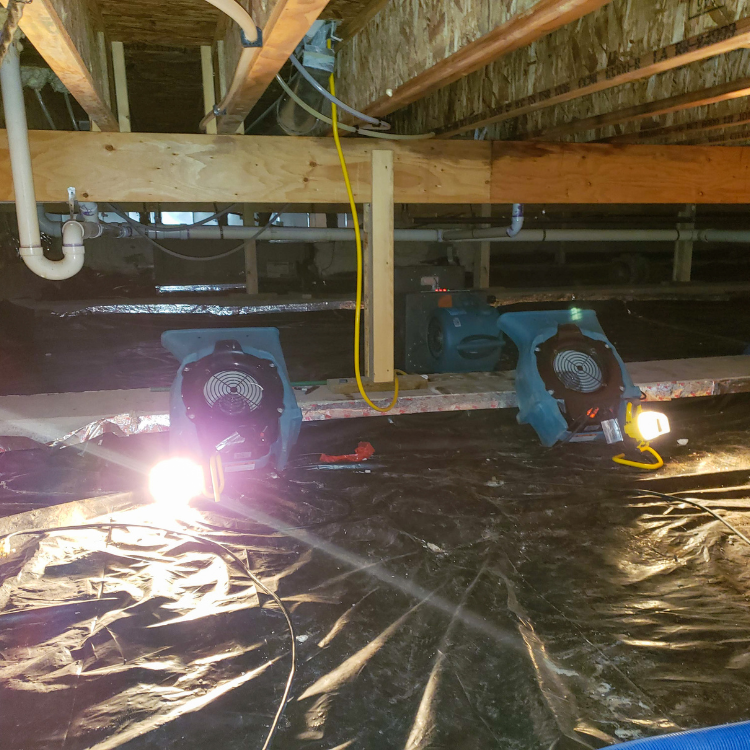
If you see persistent moisture in your crawl space, worsening floor slope, widening foundation crack repair patterns, or repeated musty odors, treat it as a foundation warning sign, not a “wait and see” issue. Start by documenting what changes you are seeing (photos, dates, and locations). Then have a professional crawl space structural repair company inspect for moisture control needs, ventilation issues, and structural foundation repair specialists’ recommended fixes. For many Dallas, TX homes, addressing moisture and drainage correction early helps protect both the crawl space and the foundation.
What to Check First
Before you assume the foundation is failing, focus on the crawl space conditions that can accelerate structural movement. These first checks are also useful to share with your inspection team, whether you are asking about professional foundation repair services or crawl space encapsulation services.
Moisture and standing water
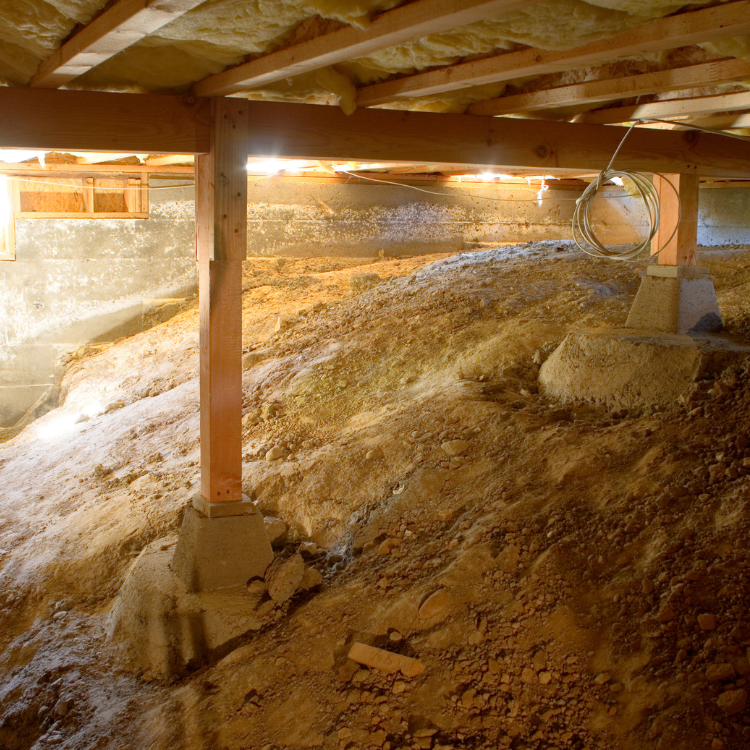
Look for wet soil, damp insulation, water on beams, or puddling after rain. Even without obvious standing water, recurring dampness can drive rot and affect support conditions.
Cracks and displacement
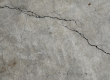
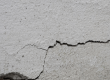
Check for foundation crack repair services indicators like cracks that look wider at one end, cracks with vertical offset, or new cracking compared to earlier photos.
Sagging or uneven floors
Walk room edges and doorways. Note where floors feel bouncy, where the gap under doors changes, and whether sloping is progressing.
Professional observation: In many crawl space repairs, the structure and moisture problems travel together. If moisture is present, it can weaken materials and contribute to conditions that worsen structural foundation repair over time.
Main Things Customers Should Understand
When homeowners in Dallas, TX call about crawl space repair signs, the underlying causes usually fall into a few categories. Understanding these categories helps you interpret what you are seeing and ask better questions during an inspection.
1) Moisture control can be structural
Moisture in a crawl space can affect wood framing, insulation, and the overall environment under the home. It can also make it easier for foundation crack sealing systems to fail if the underlying moisture source is not corrected.
If you suspect moisture is the driver, you will often want to discuss crawl space encapsulation services and moisture control encapsulation systems. Encapsulation typically focuses on reducing ground moisture and creating a more stable crawl space environment.
If your problem seems tied to water movement around the foundation, ask about drainage correction as part of the overall plan.
2) Ventilation and airflow matter
Some crawl spaces have ventilation set up in a way that does not manage humidity consistently. In areas where humidity swings through the year, a crawl space can stay damp and promote condensation. That is why many homeowners benefit from looking at foundation ventilation solutions alongside other repair steps.
For related details, review foundation ventilation guidance to understand how airflow and moisture control can connect.
3) Structural movement can show up as “small” annoyances
Foundation movement rarely announces itself as one dramatic event. Often, it begins with subtle cues: doors that do not close smoothly, baseboards that separate, or floors that feel slightly out of level. Over time, that movement can become more noticeable and can appear alongside concrete foundation crack repair concerns.
When movement affects the crawl space and the home’s support system, structural foundation repair specialists may recommend a plan that addresses the foundation movement itself, not just cosmetic fixes.
4) Sloping floors can be a bigger signal
If you are seeing a consistent slope or diagonal alignment in multiple rooms, the issue may involve the foundation’s overall geometry. In those cases, it is worth exploring sloping floor foundation repair so you can understand how teams evaluate the pattern of movement.
5) Don’t ignore retaining walls if they’re nearby
Some Dallas properties have grade changes, landscaping features, or retaining wall systems that can influence how water and soil behave near the foundation. If you have retaining walls, cracks in adjacent concrete, or signs of block movement, it can be part of the same water management story.
If relevant to your property, consider retaining walls installation services as part of a comprehensive assessment.
| What you notice | What it can suggest | What to ask about next |
|---|---|---|
| Musty odor, damp soil, condensation on surfaces | Moisture control gaps, encapsulation needs, or drainage/ventilation issues | Crawl space encapsulation services and moisture control encapsulation systems |
| New or widening concrete foundation cracks | Ongoing structural foundation repair concerns that may need crack repair and stabilization | Foundation crack repair services approach, including sealing options |
| Doors sticking, baseboards separating, uneven floors | Structural movement affecting the home’s interior alignment | Structural foundation repair specialists’ evaluation of movement |
| Recurring dampness after rain | Water management problems around the foundation | Drainage correction and how it ties into crawl space repair |
| Cracks or shifting near nearby retaining walls | Soil and water behavior influenced by wall systems | Retaining wall repair and replacement options |
Local insight: Dallas weather swings can increase crawl space humidity and make moisture problems show up more clearly after heavy rain. When moisture persists, it can raise the risk of material deterioration and complicate long-term foundation repair outcomes.
Why This Matters in Dallas, TX
In Dallas, TX, many homes sit on crawl spaces that are exposed to humidity changes throughout the year. When the crawl space stays damp, homeowners often notice odors, discoloration, and the kind of conditions that can contribute to wood wear and long-term instability.
That is why crawl space repair signs should be taken seriously when they overlap with foundation clues like floor slope, sticking doors, or concrete foundation crack repair concerns. Addressing moisture and structural issues together tends to be the most practical path for Dallas-area homeowners looking for lasting results.
Get clarity on what your crawl space is signaling
If you are seeing dampness, odors, or signs of movement, a focused inspection can help you separate cosmetic issues from structural foundation repair needs.
Contact Elite Foundation RepairsCommon Mistakes to Avoid
Homeowners often take well-meaning steps that do not address the root cause. Avoiding these missteps can save time and prevent the problem from returning.
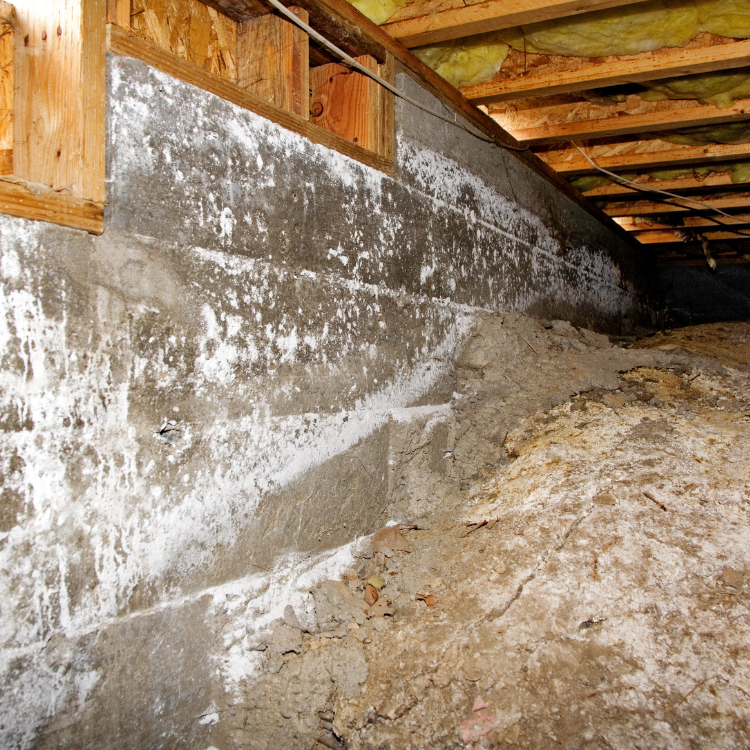
- Covering cracks without investigating movement. Cosmetic foundation crack repair can hide symptoms while structural concerns continue.
- Assuming moisture is “normal” for a crawl space. Persistent dampness can contribute to long-term material and structural stress.
- Only fixing odor sources. If humidity and moisture are driving the smell, the odor may return until drainage correction or crawl space encapsulation services are addressed.
- Ignoring ventilation and airflow issues. Without the right foundation ventilation approach, humidity can remain trapped under the home.
- Waiting until floor slope becomes severe. Early issues like sticking doors and small gaps can be more manageable than later movement.
Customer Checklist
Use this checklist before you call a professional crawl space repair or foundation repair company. The goal is to gather clear details that help your inspector understand the pattern of the problem.
- Record when the issue started and whether it changes after rain.
- Take photos of crawl space moisture, damp insulation, and any standing water.
- Mark the locations of any concrete foundation crack repair concerns and note whether cracks look wider over time.
- Walk the home and note sticking doors, separated baseboards, and floor slope in specific rooms.
- Check whether any nearby retaining wall systems show cracks, displacement, or water runoff paths.
- Write down any previous repairs or sealing attempts you already tried.
Representative scenario: a Dallas homeowner’s quick timeline
A homeowner in Dallas, TX notices a musty smell and damp soil in the crawl space after heavy rain. A month later, a doorway starts sticking more noticeably, and a hairline crack near a corner becomes easier to see. They collect photos over several weeks, note the rooms where floors feel slightly uneven, and ask about moisture control encapsulation systems and structural foundation repair specialists’ evaluation for movement. The inspection focuses on drainage correction and crawl space conditions first, then connects those findings to the foundation area showing the most consistent signs.
Frequently Asked Questions
What crawl space signs usually point to foundation trouble?
Moisture signs are a common starting point. If you notice standing water, recurring damp soil, condensation, or persistent musty odors, that can contribute to conditions that worsen structural issues over time. Foundation trouble may also show up as concrete foundation crack repair concerns, widening cracks, sticking doors, or noticeable floor slope. The key is the overlap: when crawl space moisture and interior movement symptoms appear together, it is a strong reason to request a professional inspection.
Should I seal foundation cracks right away?
Sealing can be part of the repair process, but it is not always the first step. If a crack is associated with ongoing movement, sealing alone may not address the cause. Before sealing, focus on documenting where the crack is, whether it changes, and whether you also have moisture in the crawl space or signs like sticking doors. A structural crack repair contractor can help determine whether the crack is stable or actively shifting, then recommend an appropriate approach.
How do crawl space encapsulation services help?
Crawl space encapsulation services are designed to reduce ground moisture and help create a more controlled environment under the home. For homeowners dealing with moisture control crawl space repair needs, encapsulation can be paired with other steps that improve moisture control, such as addressing drainage correction or adjusting how foundation ventilation works. The goal is to reduce the conditions that can lead to dampness, odors, and material wear, while supporting the overall foundation repair plan.
Can drainage correction affect both the crawl space and the foundation?
Yes. Water management around the foundation can influence what happens inside the crawl space. If runoff or poor drainage correction is directing moisture toward the foundation area, you may see damp soil or recurring wet conditions after rain. Fixing the water pathway can reduce crawl space moisture and help stabilize the environment around the foundation. That is why many homeowners in Dallas, TX benefit from connecting drainage correction to their crawl space repair plan rather than treating symptoms separately.
What is the difference between crawl space repair and foundation repair?
Crawl space repair focuses on the conditions under the home, such as moisture control, insulation concerns, and crawl space encapsulation services. Foundation repair focuses on structural movement or issues with the foundation itself, including concrete foundation crack repair and structural foundation repair. In real homes, these needs often overlap. A professional crawl space structural repair company can help connect crawl space conditions to foundation symptoms so the repair addresses the full problem pattern.
Ready to confirm what your crawl space is signaling?
Elite Foundation Repairs serves Dallas, TX and nearby areas. If you are noticing crawl space repair signs, moisture problems, or structural foundation repair concerns, contact the team to discuss what you are seeing and what to check next.
(214) 856-9634
About Elite Foundation Repairs
Elite Foundation Repairs is a foundation repair company serving Dallas, TX and surrounding areas. The team supports homeowners with professional foundation repair services, crawl space repair services, and related solutions like moisture control crawl space repair, crawl space encapsulation services, and drainage correction. If you are dealing with concrete foundation crack repair concerns, sloping floor foundation repair needs, or retaining wall installation services, Elite Foundation Repairs can help you understand the next best step for your property.