Foundation Crack Repair Methods for Long-Lasting Peace
If you are seeing cracks in a slab or basement wall, you probably want to know what is actually worth doing, what to avoid, and which repair method fits your situation in Dallas, TX.
You notice a thin line in the foundation wall after a rainy stretch, or maybe a corner of a room feels slightly “off” when you walk across the floor. Then you start wondering whether a foundation crack repair is just cosmetic, or if it is pointing to something structural that needs professional attention.
In many Dallas, TX homes, foundation issues connect to moisture, drainage, and crawl space conditions as much as they do to the crack itself. This guide helps you understand the common crack repair methods, what each one is designed to address, and how to choose a residential foundation repair contractor approach that targets the root cause.
Quick Answer
Not every foundation crack needs the same method. A reliable approach starts with identifying the crack type and the likely driver, such as movement, moisture pressure, or settlement. For many residential foundation repair situations, professional concrete foundation crack repair includes sealing or injection methods paired with moisture control and, when needed, drainage correction. If you are seeing active cracking, wall bowing, or signs of water intrusion, prioritize a structural foundation crack repair plan instead of a quick patch. Contact Elite Foundation Repairs to evaluate what the crack is doing and what it is connected to.
What to Check First
Before you pick a repair method, gather a few details. These observations help separate “surface-only” issues from problems that affect load-bearing performance or water management.
Professional observation: The same-looking crack can have different causes depending on where it is located and whether it is changing over time.
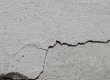
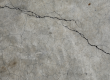
- Location and pattern: Is the crack in a basement wall, crawl space wall, or slab edge? Are there diagonal cracks, stair-step cracks, or straight horizontal lines?
- Activity: Has the crack widened, lengthened, or shifted since you first noticed it? Any new gaps after storms matter.
- Moisture clues: Efflorescence (white powder), damp spots, musty odors, or water staining can point toward pressure and sealing needs.
- Associated symptoms: Sticking doors, uneven floors, or gaps at interior corners can indicate more than a surface defect.
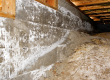
If your issue involves the space under the home, it often overlaps with crawl space repair services. You can also review foundation ventilation to understand how airflow and moisture control can influence crack conditions.
Main Things Customers Should Understand
Foundation crack repair methods generally fall into a few categories. The right choice depends on whether the crack is primarily a moisture pathway, a result of movement, or part of a larger structural pattern.
Sealing for moisture control
Sealing and basement and foundation crack sealing options are typically aimed at reducing water intrusion pathways. This is most relevant when moisture is showing up along the crack line.
Injection-based crack repair
Epoxy foundation crack repair specialists often use injection to stabilize and fill cracks. This approach is commonly considered when cracks need more than a surface patch and when the goal is to restore continuity within the concrete.
Addressing movement and support
Structural crack repair contractor work may require approaches that focus on the condition driving movement. If the crack is tied to floor slope or differential settlement, repairs may need to be paired with other foundation and floor correction strategies.
In some homes, cracks and water issues share the same origin: water and soil interaction. That is why professional foundation crack repair services frequently pair crack treatment with drainage correction. If your downspouts or grading are contributing to moisture around the foundation, review drainage correction as part of the bigger repair plan.
| Crack situation you may notice | Method category to consider | What it is trying to accomplish | Good fit when… |
|---|---|---|---|
| Moisture or dampness along a crack | Basement and foundation crack sealing | Reduce the crack as a water pathway | Water staining, efflorescence, or recurring damp spots show up near the crack line |
| A concrete crack that needs internal support | Epoxy foundation crack repair specialists | Fill and stabilize the crack to restore continuity | The crack is present in concrete and needs more than a surface-level repair |
| Cracks paired with floor changes or structural concerns | Structural crack repair contractor approach | Address movement and the conditions behind it | The crack appears connected to uneven floors or other structural signs |
| Cracks connected to broader settling patterns | Sloping floor foundation repair | Improve alignment and stability tied to floor slope | You see slope, unevenness, or related symptoms along with cracking |
For homes where floor slope is part of the problem, it may be worth exploring sloping floor foundation repair so you can ask better questions about how the crack connects to the overall performance of the foundation.
Why This Matters in Dallas, TX
In Dallas, TX, foundation repair work often comes down to managing moisture over time. Seasonal rain patterns and how water moves across the property can increase pressure against foundation walls, especially when drainage is inconsistent or when crawl spaces and basements hold moisture. That is why professional crawl space restoration and crawl space structural repair company approaches often run alongside foundation crack repair.
If you are dealing with crawl space conditions, you may also want to review crawl space ventilation and consider whether crawl space encapsulation services could be part of the plan. When moisture is controlled, cracks that relate to water pathways are more likely to stay stable.
Local homeowner question we hear: “Do I patch the crack now, or wait until the next rain season?”
Your best timing depends on whether the crack is active and whether moisture is involved. If you see water intrusion or ongoing widening, repairs that include moisture control and the right crack treatment category are usually the most practical path.
Representative Scenario: What a Repair Plan Can Look Like
A Dallas, TX homeowner notices a widening concrete foundation crack after heavy rainfall. They also find dampness near the basement wall and a slight change in how doors close. The crack is not just a hairline cosmetic issue, and it is showing signs that water and movement may be working together.
In a situation like this, a professional residential crawl space restoration or basement-focused plan often starts with evaluating crack type and activity, then pairing the crack repair method with moisture management. Elite Foundation Repairs can help coordinate the repair strategy so the foundation crack repair services do not ignore the moisture driver.
Get a crack-focused evaluation in Dallas, TX
If you are seeing foundation crack repair symptoms, call Elite Foundation Repairs to discuss what you are noticing and which repair method category fits your situation.
(214) 856-9634Common Mistakes to Avoid
Many foundation crack problems worsen when repairs focus only on the visible crack line and do not address what is causing it. Here are common homeowner mistakes we see:
- Using a surface patch on an active crack: If the crack is changing over time, a quick cosmetic fix can fail to stabilize movement or block moisture pathways.
- Ignoring water management: If drainage correction is needed, sealing alone may not hold up through wet seasons. Pairing crack treatment with moisture control often matters.
- Choosing a “one-size-fits-all” method: Epoxy injection, sealing, and structural crack repair contractor approaches are not interchangeable. The crack’s location and behavior guide the choice.
- Overlooking crawl space conditions: Moisture control crawl space repair and crawl space encapsulation systems can be part of keeping cracks stable when the crawl space contributes to humidity and dampness.
- Not documenting changes: If you can track whether a crack widens after rain or temperature swings, you can ask better questions and plan smarter repairs.
Customer Checklist
- Take clear photos of the crack from the same angles over a few weeks, including after rainfall.
- Write down where the crack appears (basement wall, crawl space area, slab edge) and the approximate length and width.
- Note any moisture signs: damp spots, staining, efflorescence, or musty odors.
- Check for related symptoms like sticking doors, gaps at corners, or noticeable floor unevenness.
- Ask whether moisture control encapsulation systems or crawl space encapsulation services are relevant to your crack issue.
- Request a repair plan that matches the crack’s behavior, not just the visible appearance of the crack.
If your property also includes retaining wall elements, it can be useful to understand how wall installation or repairs may interact with drainage and soil movement. Explore retaining wall installation services if you are dealing with block retaining wall installation, retaining wall repair and replacement, or related site conditions.
Frequently Asked Questions
Are concrete foundation crack repair methods different for slabs versus basement walls?
Yes. The method category often depends on where the crack is and how it behaves. Cracks in a basement wall may be more closely tied to moisture pressure and sealing needs, while slab-edge or floor-adjacent cracks can connect to settlement patterns. A professional evaluation helps match the crack location to an appropriate approach, such as basement and foundation crack sealing or injection-based crack repair, and also determines whether drainage correction or crawl space repair services should be included.
When should I consider epoxy foundation crack repair instead of a surface seal?
Epoxy injection is typically considered when the crack needs internal stabilization and filling, not just a surface cosmetic barrier. If the crack is present in concrete and you want to restore continuity within the material, professionals may evaluate injection-based methods alongside moisture control. The key factor is whether the crack is active, where it is located, and what is causing the movement or water intrusion. A crack that keeps changing usually needs a plan that addresses the driver, not just the surface.
Can crawl space encapsulation services help with foundation crack problems?
In many homes, yes. Crawl space encapsulation can be part of moisture control encapsulation systems when humidity or dampness is contributing to conditions that affect cracking. If your crack appears alongside crawl space moisture, musty odors, or persistent dampness, addressing crawl space structural repair company needs or full crawl space sealing and insulation may support long-term stability. The goal is to reduce moisture pressure and environmental swings that can worsen cracking over time.
What is the biggest reason crack repairs fail after the job is done?
The most common reason is repairing the symptom without addressing the cause. If drainage correction is needed, water can keep working through the same pathways and weaken the result. If the crack is active due to movement or settlement, a surface-only patch may not hold. A strong plan connects the crack repair method to the crack’s behavior, the moisture conditions around the foundation, and any related structural factors such as floor slope or crawl space moisture.
Should I wait until the next rainy season to start foundation crack repair?
Waiting can make sense only if the crack is stable and you are mainly dealing with minor cosmetic separation. If you are seeing active widening, new cracking after storms, or signs of water intrusion, delaying can allow problems to grow. For many homeowners, the most practical step is to document what is happening and schedule an evaluation in Dallas, TX so the repair category and moisture management plan fit the conditions you are actually experiencing.
Talk to local foundation crack repair experts
Elite Foundation Repairs helps homeowners in Dallas, TX choose the right foundation repair services approach based on crack behavior and moisture conditions.
Visit Elite Foundation RepairsPrefer a call? (214) 856-9634