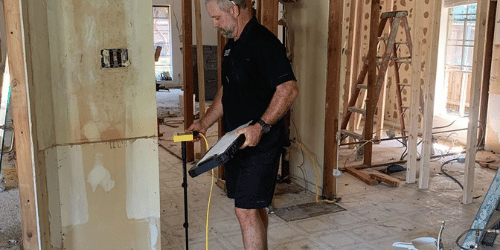
Revitalize Your Home: Foundation Repair for Quiet Cracks
You notice it late—maybe after a season of heavy rain or once the summer heat settles in. A hairline crack shows up near a window, then another appears along the edge of a doorway. At first, it’s “just cosmetic,” right? But the real concern for Dallas homeowners isn’t how a crack looks on day one—it’s whether it keeps changing after water, soil moisture, or drainage conditions shift.
In North Texas, foundation movement often starts quietly. Cracks may be small, floors may still feel mostly level, and the problem can hide behind paint, drywall, or landscaping. Meanwhile, the underlying drivers—soil expansion and contraction, moisture intrusion, and pressure against slabs or footings—continue working behind the scenes. If you’re seeing cracks that won’t stay put, it’s time to look deeper than the surface repair.
Quick Answer
Quiet cracks can still signal active movement—especially when they’re increasing, changing width, or appearing alongside moisture issues like musty odors, damp crawl spaces, or water pooling near downspouts. For homeowners, the safest approach is a proper inspection that checks soil and drainage conditions, evaluates crack patterns, and assesses crawl space moisture and structural components—not just patching visible damage.
Signs Your Foundation May Be Moving
Not every crack is a structural emergency, but certain crack behaviors are strong indicators that the foundation is responding to changing conditions.
Look for patterns like:
- Cracks that widen or “reopen” after rain, drought, or freeze-thaw cycles
- Cracks that step or run diagonally along mortar joints or slab edges
- Cracks near openings (windows, doors, garage corners) where stress concentrates
- Doors or windows that start sticking or frames that shift slightly
- Small floor changes: a room feels subtly sloped, or a tile line no longer stays straight
- Basement or crawl space moisture: standing water, persistent dampness, or wood that feels unusually wet
What We Commonly See in North Texas Homes
One scenario we see often: a homeowner calls after noticing two “new” cracks—one near a living room window and another along the edge of the slab near a hallway. The cracks are narrow, and they’re not dramatically affecting day-to-day life. But during our walkthrough, we usually find a second story:
- gutters discharge too close to the foundation (or downspouts are missing/redirected poorly)
- the yard grading slopes toward the home
- the crawl space (or the area under the slab) holds moisture due to poor ventilation or vapor control
- the home sits over expansive clay, which can expand when wet and shrink during drought
A firsthand observation from the field: when we trace crack locations back to exterior conditions, we frequently find that cracks align with water behavior—not just with “where the wall happens to be.” In other words, the crack isn’t random; it’s reacting to where moisture and soil pressure are cycling.
Why Some Structural Repairs Fail Early
Cosmetic patching can make a crack look better, but it doesn’t stop ongoing movement. Foundation repairs fail early when the underlying cause—usually water—remains in place.
Common reasons repairs don’t hold up:
- Epoxy or concrete patch applied without addressing drainage
- Sealant used as a band-aid over an actively moving crack
- Under-slab or crawl space moisture not corrected, leading to recurring soil changes
- Limited evaluation (crack alone is treated as the problem, not the symptom)
A realistic anonymized case (what worked and why)
In one recent Dallas-area home, the owner had a “clean-looking” crack repair done the previous year. It held through mild weather, then reappeared after a heavy rain. When we inspected the property, we found downspouts discharging near a low spot that collected runoff. The crawl space also lacked effective moisture control—there was visible dampness and no continuous vapor barrier.
We recommended a coordinated approach:
- drainage correction to prevent repeated wetting around the perimeter
- moisture control improvements in the crawl space
- foundation crack repair only after the moisture cycle was addressed
The result wasn’t just a cosmetic fix—it was reduced movement drivers, which is what allows repairs to stay stable.
Mistakes That Make Foundation Problems Worse
Common mistake homeowners make
Trying to “fix the crack” without fixing the water and moisture system around the home.
Many homeowners assume the foundation is failing because they can see a crack. But in practice, we often see the opposite: the foundation responds to environmental changes first—then the crack shows up as the visible outcome.
Other mistakes we commonly see:
- Ignoring expanding soil indicators: new cracks appear during wet seasons, then seem to “settle” during drought—until the cycle repeats
- Overwatering landscaping near the foundation to keep it green
- Improper grading: mulching and landscaping that trap water against the foundation
- Covering problem areas (like damp crawl spaces) without investigating airflow and vapor control
- Sealing cracks too early when the structure is still moving
Crawl Space Moisture Checklist
Even if your main concern is a slab crack, crawl space moisture can amplify foundation stress. When moisture is trapped under a home, it can change soil moisture conditions and contribute to wood decay, mold growth, and ongoing structural movement.
Here’s a practical checklist homeowners can use before calling for an inspection:
- Musty odors when entering the crawl space
- Visible standing water or damp insulation
- Condensation on ducts or vents
- Standing water signs on concrete piers or base areas
- Exposed soil without a vapor barrier
- Poor airflow: vents blocked by landscaping debris or inadequate cross-ventilation
- Water staining on beams or joists
- Sagging or warped wood that seems tied to moisture
If you’re seeing these conditions, it’s worth reviewing crawl space structural and moisture-control options. For more detailed guidance, you may want to explore crawl space ventilation and foundation repair services as part of a coordinated plan.
Inspection & Prevention Checklist (What a Good Assessment Includes)
A professional evaluation should treat cracks as data—not just damage. During a thorough inspection, we typically confirm:
Crack and structural evaluation
- Crack type and path (vertical, horizontal, stair-step, diagonal)
- Whether cracks are actively changing (often seasonal)
- Any associated movement indicators (doors, windows, floor irregularities)
Water and site evaluation
- Where downspouts discharge and how far runoff travels from the foundation
- Yard grading and low spots that collect water
- Signs of saturated soil and perimeter dampness
- Landscaping choices that hold moisture against exterior walls
Crawl space and moisture evaluation (if applicable)
- Moisture sources (sprinklers, condensation, lack of vapor control)
- Ventilation conditions
- Evidence of moisture intrusion on structural elements
Structural stability and repair readiness
- Whether crack repair should wait until drainage and moisture are corrected
- Best-fit approach for long-term performance
For homeowners who want to understand the “why” behind repair priorities, this is also where drainage correction becomes essential, not optional.
Foundation Repair vs Monitoring
Some cracks truly are stable and can be monitored. Others are active and will continue to widen or shift. Here’s a simple decision framework:
| Situation | Likely Best Next Step |
|---|---|
| Crack is narrow, not changing, and water is well-managed | Monitoring + routine inspection |
| Crack is widening or new cracks appear after wet/dry cycles | Inspection + moisture/drainage evaluation |
| Crack is accompanied by sticking doors/windows or floor changes | Structural assessment and targeted repair |
| Crack repair already failed after prior sealing/patching | Re-check water and soil moisture drivers first |
A reliable rule we use: if the crack is behaving like it’s responding to conditions, you treat it like an active structural symptom.
Dallas / North Texas Relevance: Why Expansive Clay Makes Cracks “Quiet but Active”
In the Dallas-Fort Worth area, expansive clay soil is a major reason homeowners see repeating foundation stress. During drought periods, soil shrinks away from footings and slabs; after rainfall, it rehydrates and expands again. That cycle can be subtle at first—sometimes showing up only as hairline cracks before it affects doors, floors, or masonry.
Then layer in rapid temperature changes and inconsistent runoff patterns. Even a small drainage flaw—like water consistently pooling 2–6 feet from a foundation—can keep the soil moisture cycle from stabilizing. That’s why we often recommend a plan that includes both structural repair and moisture control, not just a single crack-filling step.
If your property also has perimeter walls or grade changes, it’s worth considering how retaining wall performance impacts drainage and pressure. You can learn more about options through retaining wall solutions and sloping floor foundation repair if floors are beginning to angle.
Structural Stability & Moisture-Control Recommendation
For crack repair to hold long-term, we typically recommend addressing the “fuel” first: water management and crawl space moisture control.
A stable foundation plan often includes:
- Correcting drainage so runoff doesn’t repeatedly saturate soil near the foundation
- Managing crawl space moisture with proper vapor control and ventilation strategies when needed
- Repairing cracks based on cause, not just appearance—sometimes including concrete foundation crack repair or structural crack repair methods depending on the crack behavior
In moisture-heavy crawl spaces, a coordinated approach may include encapsulation and moisture-control systems. If you want to review that process, see foundation repair services and discuss whether crawl space encapsulation is appropriate for your conditions.
Key Takeaway
Quiet cracks in a Dallas-area home are often the visible sign of an ongoing moisture and soil cycle. The most reliable repairs treat the crack and the cause together—especially drainage and crawl space moisture control—so the structure stops reacting season after season.
Ready to Protect Your Foundation or Crawl Space?
If you’re seeing cracks that appear or change after rain or drought, don’t wait for them to “prove” themselves. Early inspections help identify whether you need drainage correction, crawl space moisture control, structural stabilization, or a targeted foundation crack repair plan.
About Elite Foundation Repairs
Elite Foundation Repairs provides foundation repair, crawl space repair, retaining wall construction, drainage correction, and structural stabilization services throughout Dallas, TX and surrounding North Texas communities. The company focuses on long-term structural solutions, moisture management, accurate inspections, and helping homeowners protect their properties from foundation movement caused by regional soil and drainage conditions.
References (industry guidance and statistics)
- U.S. Department of Housing and Urban Development (HUD), Foundation & Moisture guidance (moisture control and grading considerations for building foundations).
- Federal Emergency Management Agency (FEMA), Home inspections and hazard mitigation guidance (water management and structural risk awareness).
- American Society of Civil Engineers (ASCE), guidance on performance considerations for structures exposed to environmental loading and soil conditions.
- International Residential Code (IRC) / building practices documentation emphasizing proper drainage and moisture management around foundations (as reflected in residential construction standards).
FAQ
How do I know if my foundation cracks are serious?
Serious cracks usually show behavior—widening, new cracks appearing, or cracks that run in patterns associated with movement (like stair-step or diagonal cracking near openings). Also take seriously any changes in doors/windows, floor slope, or signs of moisture in the crawl space. A qualified inspection can connect crack patterns to water and soil conditions.
What causes crawl space moisture problems in North Texas?
In North Texas, crawl space moisture often comes from a combination of poor grading, downspout discharge, and vapor migration from exposed soil. Seasonal rainfall loads the ground, while drought cycles can change how moisture moves through the soil. Without effective vapor control and airflow management, moisture can condense and remain trapped under the home.
Are retaining walls necessary for drainage control?
Retaining walls can be part of a drainage strategy when grade changes cause runoff or soil pressure. A wall that lacks proper drainage behind it can actually worsen moisture buildup and pressure. The right solution depends on site elevation, runoff patterns, and whether the wall is designed to manage water—not just hold soil.
Does crawl space encapsulation help with foundation cracking?
It can, when crawl space moisture is contributing to soil moisture cycling or creating conditions that worsen movement. Encapsulation reduces moisture transfer from the soil to the crawl space environment and supports healthier, more stable conditions. It’s not a substitute for drainage correction if water is still pooling near the foundation, but it often plays a key role in an integrated repair plan.
How long does foundation repair usually take?
Timelines vary based on the repair method and site conditions. Some crack repair jobs can be completed relatively quickly, while drainage correction and crawl space moisture control may take longer due to grading, system installation, and curing times. A proper inspection helps set expectations for sequencing—especially when we need to stabilize moisture drivers before performing crack repairs.