Retaining Walls and Foundation Repair: Signs You Shouldn’t Ignore
You notice it during spring rain: water sheets toward your driveway, the soil looks darker than usual, and—most concerning—your retaining wall near the yard line seems to be “pushing” outward a little more each week. A month later, you start seeing new hairline cracks in a doorway frame and one room feels subtly out of level.
In the Dallas–Fort Worth area, that combination of yard water + wall movement + foundation stress is something we see repeatedly. Homeowners often focus on the visible cracks inside, but the real driver is frequently what’s happening outside: hydrostatic pressure, poor drainage, and moisture cycling in expansive clay soils.
Quick Answer
Retaining walls and foundation problems are often connected. If a wall is leaning, bowing, or showing loose blocks/visible gaps after heavy rain, it may be forcing water and soil pressure toward your home. That water can saturate the soil, increase foundation movement, and worsen cracking.
A proper assessment usually includes:
- inspecting wall condition and drainage features
- checking for water pathways around the foundation
- evaluating foundation movement patterns and crack behavior
- recommending structural stabilization and long-term moisture control
When Retaining Walls Become a Foundation Problem
A retaining wall’s job is to hold back soil. But when drainage behind the wall fails, the soil behaves differently—like it’s trying to “float” and expand under saturation. In practice, we’ll often find that the wall isn’t just cosmetically failing; it’s actively changing the pressure conditions around the property.
Signs you should treat as “structural,” not cosmetic
Look for these after heavy rain, irrigation changes, or a long wet stretch:
- Wall leaning, bowing, or bulging
- Gaps between blocks, loose caps, or visible cracks in the wall face
- Soil washout at the base of the wall
- Water pooling near the foundation or along slab edges
- Door/window frames sticking, especially on one side of the house
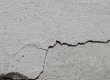
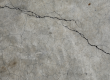
- New or widening cracks near openings (windows, doors) or along exterior corners
- Sloping floors that appeared gradually rather than suddenly
A Real Homeowner Scenario We Commonly See (Dallas Area)
A couple in North Dallas called after noticing a diagonal crack near the corner of a living room window. At first, it seemed like “settling.” But when we walked the exterior, we found a block retaining wall behind the house line that had started to lean outward by what felt like “just a little” over two seasons.
What changed? They installed a new sprinkler zone and increased coverage near the slope. During rain, the water had nowhere to go behind the wall—so it built pressure, saturated the backfill, and pushed outward. That moisture then migrated toward the foundation edge, increasing movement in the same direction as the cracking pattern indoors.
The repair plan wasn’t just patching cracks. It involved:
- addressing wall stability
- correcting drainage pathways
- improving moisture control around the foundation perimeter
- then treating the crack behavior based on the movement, not just the appearance
What We Commonly See in North Texas Homes
Dallas–Fort Worth sits on soils that can expand and shrink with moisture changes. That means foundation movement isn’t always “one event.” It’s often a cycle:
1. Rain or irrigation saturates soil
2. Expansive clay expands and changes load conditions
3. Drying cycles shrink soil again
4. Repeated cycles gradually shift structural elements and create crack progression
Retaining walls amplify this cycle when drainage isn’t functioning properly behind them. Even if your foundation cracks look minor at first, recurring moisture pressure can keep the structure in a “moving” state—so repairs that only address the surface won’t last.
Firsthand contractor observation (what we notice on-site)
During inspections, we pay close attention to where water collects and how the wall is built. If we see staining at the wall face, eroded backfill, or signs that the ground behind the wall stays wet longer than surrounding areas, we treat the wall as part of the foundation system—not a separate landscaping feature.
Why Some Structural Repairs Fail Early
Homeowners sometimes assume that fixing the crack fixes the problem. But structural cracks are usually a symptom. If the underlying cause—water pressure, poor drainage, or ongoing soil movement—is still active, the structure continues to move and the crack can return.
Common early failure points we see:
- Crack repair without drainage correction (water keeps feeding the movement)
- Water redirected toward the foundation after “landscaping refreshes”
- Retaining wall repairs without addressing back drainage (pressure builds again)
- Epoxy or sealant applied over active movement without stabilization
- Encapsulation or moisture barriers installed without proper grading and vapor management
If you’re considering repair, insist on a plan that addresses both the structure and the moisture/drainage environment.
For foundation-specific repair guidance, you may also find this helpful: foundation repair services.
Mistakes That Make Foundation Problems Worse
Common mistake homeowners make: treating the inside crack, ignoring the outside water route
It’s understandable—cracks are visible and scary. But we often find the real “switch” is outside: a clogged downspout, irrigation overspray, a grading issue, or a retaining wall that can’t relieve water pressure.
Here are the mistakes we want homeowners to avoid:
- Sealing cracks repeatedly without determining why they formed
- Assuming a wall is fine because it’s “still standing”
- Adding landscaping that traps water against the foundation edge
- Ignoring drainage corrections (gutters, downspouts, surface runoff)
- Waiting for major damage instead of inspecting when movement starts to show
Foundation Repair and Retaining Wall Repair: What the Process Should Look Like
A serious assessment usually connects the dots between the retaining wall, water behavior, and foundation response. While every site differs, an inspection commonly includes:
Inspection / prevention checklist (homeowner-friendly)
Use this as a guide for what to ask for during a professional evaluation:
- Retaining wall condition
- Is it leaning/bowing? Any block movement or visible gaps?
- Is there evidence of soil washout at the base?
- Drainage behind the wall
- Any signs the area behind the wall stays wet?
- Are there weep holes/drainage components (or are they missing/blocked)?
- Surface water around the foundation
- Where does runoff go after rain?
- Are downspouts discharging too close to the slab edge?
- Soil moisture patterns
- Does one side of the house stay damp longer?
- Crack behavior
- Do cracks change seasonally?
- Do they align with doors/windows or exterior corners?
- Floor indicators
- Any sticking doors, uneven thresholds, or noticeable floor slope?
- Crawl space or basement moisture (if applicable)
- Musty odor, standing water, or damp insulation/vapor barrier issues
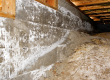
If your home has a crawl space, moisture control is often as important as structural correction. You can explore this resource: crawl space repair services (or our crawl space moisture work through the links below).
For crawl space moisture and long-term protection, these topics are especially relevant:
- foundation ventilation
- crawl space repair support
(If you’re not sure what applies to your home, a site inspection will clarify.)
Structural Stability and Moisture-Control Recommendation
When retaining walls are involved, the most effective strategy typically includes two parts running together:
1. Stabilize the wall and reduce pressure
- Repair or replacement of failing wall sections
- Restoring proper drainage behind the wall (so water doesn’t build pressure)
- Correcting grading so water flows away rather than toward the foundation
2. Stop moisture from feeding soil movement
- Surface drainage correction (gutters/downspouts and runoff control)
- Perimeter moisture management
- For crawl spaces: vapor barrier/crawl space encapsulation to reduce humidity-driven deterioration and moisture intrusion
If you’re focused on the crawl space side, these services are often part of the long-term solution:
- retaining wall repair and replacement
- drainage correction
- sloping floor foundation repair
Moisture control isn’t just about comfort—it’s about keeping the soil conditions more consistent so the foundation isn’t forced to keep compensating.
A Realistic Anonymized Repair Case (How We Coordinated It)
Case: A home with a block retaining wall near the backyard slope began showing new exterior corner cracking and a slight interior door misalignment. The homeowner reported that cracking seemed worse after rain.
Findings:
- Wall showed outward bowing with visible gaps between blocks
- Backfill area stayed damp longer than surrounding soil
- Downspouts and surface runoff contributed to water pooling near the foundation edge
Plan:
- Retaining wall stabilization and repair with attention to drainage pathways
- Drainage correction to redirect surface water away from the foundation perimeter
- Foundation crack treatment based on the movement pattern after stabilization work
- Moisture control improvements to reduce recurring saturation cycles
Outcome: After drainage and wall stabilization, the homeowner reported improved water behavior around the home and no rapid progression of cracking over subsequent wet/dry cycles.
Foundation Repair vs. Monitoring: When You Should Act Now
Some cracks are stable; others aren’t. The difference is whether the structure is continuing to move and whether active moisture/drainage drivers remain.
Here’s a quick comparison:
| Situation | What it often means | Typical recommendation |
|---|---|---|
| Cracks widen after rain/seasonal cycles | Likely active moisture/soil movement | Drainage + stabilization first, then targeted crack repair |
| Small hairline cracks with no change | Could be non-structural or stable settlement | Monitor and inspect; address minor moisture issues |
| Doors/windows increasingly misaligned | Structural movement likely | Detailed foundation assessment and stability plan |
| Retaining wall bowing after heavy rain | Pressure/water behind wall | Wall drainage correction + structural evaluation |
If your retaining wall is showing movement, treat it as a structural warning sign—not a landscaping inconvenience.
Dallas / North Texas Relevance: Why This Happens Here
In Dallas and surrounding North Texas communities, expansive clay soil and wet/dry weather swings create a perfect environment for recurring foundation stress. A retaining wall that can’t manage water pressure can turn rainfall into an ongoing load condition on the soil.
We also see how quickly yard changes—like irrigation adjustments, regrading, or added landscape beds—can alter runoff and moisture patterns. The result is often that foundation movement appears to “start out of nowhere,” when really it’s tied to a change in water behavior.
For related structural support, you may want to review: retaining wall installation services and drainage correction.
Quick References (Why Water and Soil Behavior Matter)
- The American Society of Civil Engineers (ASCE) emphasizes that soil moisture changes and drainage management are key factors influencing performance of shallow foundations and earth-supported structures.
- The U.S. Department of Transportation’s Federal Highway Administration (FHWA) highlights the role of drainage and proper water management in preventing pavement and earthwork failures—principles that strongly apply to residential soil movement.
- Industry guidance on foundation repair and crack behavior commonly stresses that repairs should address the underlying cause (movement and moisture) rather than only treating visible damage.
(These sources reinforce what we see in the field: moisture control and drainage correction are foundational to long-term results.)
FAQ
How do I know if a retaining wall problem is connected to my foundation?
If you see wall bowing, gaps, washout at the base, or wet soil behind the wall after rain—and you also notice new cracks, sticking doors, or uneven thresholds—there’s a strong chance the issues are connected through water pressure and soil saturation.
What’s the first thing a contractor should inspect?
A qualified specialist should check: (1) wall condition and signs of pressure buildup, (2) drainage pathways and discharge points near the foundation, (3) moisture behavior around the exterior, and (4) crack/floor indicators that show whether movement is ongoing.
Can I just seal foundation cracks instead of addressing drainage?
You can seal stable, non-moving cracks in some cases. But if cracks worsen after rain or align with active wall drainage issues, sealing alone usually won’t last. The goal is to stabilize the cause of movement—commonly water and soil conditions.
Does crawl space encapsulation help with foundation movement?
Encapsulation can reduce humidity and moisture intrusion in crawl spaces, which helps protect building materials. However, foundation movement tied to exterior drainage and saturated soil usually requires correcting water routes outside as well. Encapsulation is often part of a broader moisture control strategy.
Ready to Protect Your Foundation or Crawl Space?
If your retaining wall is leaning after rain or you’ve noticed cracking that seems to follow wet weather, don’t wait for it to “settle down.” The best time to inspect is early—before the soil movement becomes a recurring cycle.
About Elite Foundation Repairs
Elite Foundation Repairs provides foundation repair, crawl space repair, retaining wall construction, drainage correction, and structural stabilization services throughout Dallas, TX and surrounding North Texas communities. The company focuses on long-term structural solutions, moisture management, accurate inspections, and helping homeowners protect their properties from foundation movement caused by regional soil and drainage conditions.