Foundation Crack Repair: Sealing Techniques for Lasting Strength
A homeowner in North Dallas recently called because their living room floor felt “off” after every heavy rain. They weren’t seeing dramatic settlement—just a few cracks in the slab and a faint musty odor near the exterior wall. What stood out during our first walk-through wasn’t only the crack locations; it was the way water was behaving around the home. In many Dallas-area properties, foundation crack repair fails early when the underlying moisture and movement drivers aren’t addressed.
That’s why sealing techniques matter. Done correctly, crack sealing can slow water intrusion, reduce freeze/thaw and corrosion risks, and help stabilize the environment around the concrete. Done casually, it can trap water, hide active movement, or delay the real repair work that prevents future cracking.
Quick Answer
Foundation crack repair sealing is most effective when two things happen together: (1) the crack is properly prepared and stabilized (so it isn’t still moving), and (2) water is controlled so the crack doesn’t keep getting re-wetted. In Dallas and North Texas, sealing alone often underperforms when drainage issues, expansive clay behavior, or crawl space moisture are the real cause. A professional inspection should confirm whether the crack is primarily shrinkage, minor surface cracking, or a sign of structural movement.
Understanding Crack Types and Why “Sealing” Isn’t One-Size-Fits-All
When we talk about sealing, we’re not just referring to “filling a crack.” Concrete behaves differently depending on stress history, crack width, depth, and whether the slab or wall is still experiencing movement.
Here’s what we typically see:
- Non-structural (often cosmetic) cracks: Hairline cracks or narrow surface cracking with little to no change over time. Sealing can help keep moisture out and protect the surface.
- Structural or movement-related cracks: Cracks that widen, show offset, or align with load paths (around openings, along column lines, or near corners). These usually require structural foundation repair first or alongside sealing.
- Active moisture-driven cracks: Cracks that correlate with wet seasons, irrigation cycles, or poor grading. Even if the concrete is stable, recurring water can keep stressing the system.
A firsthand contractor observation from Dallas-area homes
On multiple Dallas-area slab repairs, we’ve noticed a pattern: the crack looked “repairable” from street level, but once we opened up access (or inspected from the crawl space and exterior), we saw water pathways feeding the crack repeatedly. In those cases, sealing the visible crack without correcting drainage and moisture intrusion created a cycle—repair compound would last a season or two, then re-cracking returned.
Sealing Techniques That Support Lasting Strength
Successful foundation crack repair usually follows a practical sequence: verify movement status → prepare the crack → select a compatible sealing system → manage moisture and pressure.
1) Crack preparation (the part homeowners often underestimate)
Before any epoxy or sealant is applied, the crack must be cleaned and prepared. That may include:
- removing loose concrete edges and debris
- routing/widening when appropriate to improve bonding
- drying the crack area if moisture is actively present
- ensuring the repair material can bond to sound concrete
If preparation is skipped, sealants can peel, fail to penetrate, or crack again as the slab flexes.
2) Epoxy injection for certain structural cracks
Epoxy foundation crack repair is often used when a crack is likely to be structural and needs internal bonding. The goal is not just surface coverage—it’s to restore continuity within the concrete.
Epoxy performance depends on:
- crack condition and cleanliness
- crack width and stability
- whether water pressure is present
- correct injection technique
3) Concrete foundation crack repair sealants for moisture reduction
For non-structural cracks or cracks where sealing is primarily about moisture control, contractors may use specialized concrete sealants designed for concrete movement and environmental exposure. These systems are chosen based on:
- expected crack movement range
- exterior vs interior exposure
- temperature swings and humidity
- whether the crack is receiving water
4) Basement and foundation crack sealing with compatible waterproofing
When cracks connect to below-grade conditions, sealing may need to address hydrostatic pressure risks. In those situations, the repair strategy often expands to include waterproofing and drainage correction—not just a fill material.
If you’re also dealing with crawl space issues, foundation crack sealing and crawl space moisture control should be part of the same plan. Water migrates through soil and vapor pathways; it rarely respects property lines.
For more on moisture control strategies, you may also find this helpful: foundation ventilation.
Common Mistakes Homeowners Make
Even well-intentioned repairs can fail when homeowners skip the “why” behind the crack.
Mistake 1: Sealing a crack without determining whether it’s active
If a crack is still moving, a sealant can’t “out-stubborn” the underlying forces. The repair may look fine initially, then widen again.
Mistake 2: Ignoring water management around the home
In North Texas, heavy rain cycles and irrigation schedules can repeatedly saturate soil near the foundation. If grading or runoff paths don’t direct water away, sealed cracks may get re-wetted and pressured again.
A strong next step is reviewing drainage correction options like: drainage correction.
Mistake 3: Treating crawl space moisture as a separate issue
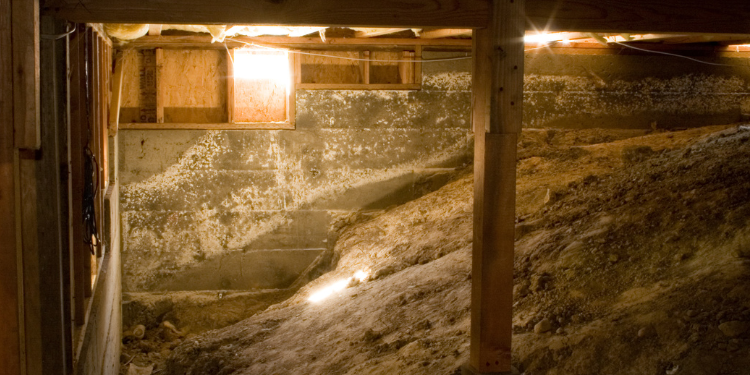
Many homeowners see crawl space moisture as “a smell problem.” In reality, moisture can contribute to deterioration, wood rot, and worsening conditions around structural components. If the crawl space is damp, sealing foundation cracks alone may not solve the root cause.
If you suspect crawl space involvement, explore: foundation ventilation and crawl space repair services (or ask your contractor about crawl space structural repair support).
Mistake 4: Choosing a repair material that doesn’t match the crack’s behavior
Not all sealants and epoxies are designed for the same movement, moisture conditions, or application environment. Compatibility is critical.
Inspection and Prevention Checklist (What We Look for Before Sealing)
Before we recommend any crack sealing method, we verify whether the crack is stable and what’s driving moisture or movement. Here’s a homeowner-friendly checklist you can use to prepare for an inspection—and to understand what a professional should evaluate.
Foundation crack repair inspection checklist
- Crack measurements: track approximate width and length (and whether it changes after rain)
- Crack location patterns: around doors/windows, corners, expansion joints, or along load paths
- Signs of offset or step-like displacement: indicates potential structural involvement
- Interior moisture clues: musty odors, damp drywall seams, efflorescence (white staining)
- Exterior water behavior: pooling, runoff paths, downspout discharge direction
- Soil and landscaping cues: irrigation overspray, low spots, mulch piled against foundation
- Crawl space conditions (if applicable): visible condensation, standing water, failing vapor barriers
- Drainage features: gutters, grading slope, downspout extensions, and sump activity (if present)
If you’re also dealing with sloped floors, it’s worth reviewing: sloping floor foundation repair.
Dallas and North Texas Relevance: Why Cracks Behave Differently Here
Dallas-area foundation issues are strongly influenced by expansive clay soil and seasonal moisture cycling. During drought periods, soil can shrink away from the foundation. After heavy rain, the same soil re-expands and exerts pressure unevenly—especially where drainage is inconsistent or where landscaping changes the water balance.
We also see rapid temperature swings that can contribute to concrete expansion/contraction. That doesn’t mean every crack is structural—but it does mean that a moisture-driven crack can keep reopening if water pathways aren’t corrected.
In other words: sealing can be part of the solution, but in North Texas, it’s usually most effective when paired with drainage correction and moisture control.
For homes with nearby grade pressure or retaining features, keep an eye on adjacent wall performance too. More context is available here: retaining walls.
A Realistic Repair Case (Anonymized)
A homeowner in the Dallas area reported several narrow cracks near an exterior wall and a slight “bounce” in the floor after storms. The cracks were not dramatically offset, so sealing was initially considered. During inspection, we found two contributing problems:
1. Recurring water intrusion: downspouts discharged near a low spot that redirected runoff toward the foundation.
2. Crawl space moisture presence: damp conditions suggested vapor and moisture migration that kept the foundation’s perimeter wet.
We corrected grading/runoff behavior and addressed crawl space moisture support as part of the overall plan, then performed targeted crack sealing where appropriate for the crack condition. The homeowner noticed the cracking pattern stabilized over subsequent wet cycles—primarily because water exposure stopped being repetitive.
This is a common outcome when sealing is treated as one step in an integrated repair approach rather than a standalone fix.
When Foundation Crack Repair Fails Early (and How to Prevent It)
If a repair doesn’t last, it’s rarely because the contractor used “the wrong product” alone. More often, it’s one of these:
- The crack was still moving (no stabilization plan before sealing)
- Moisture pressure remained (water kept feeding the crack)
- Surface preparation was inadequate
- Water management was overlooked (grading, irrigation, downspouts)
- Environmental mismatch (sealant not designed for movement or exterior exposure)
The prevention strategy is straightforward: confirm stability, control water, then seal with a system designed for that crack type and environment.
Foundation Repair vs Monitoring: How to Decide
Some homeowners assume they must repair every crack immediately. In practice, the goal is to distinguish between stable, non-structural cracking and cracks that indicate ongoing movement.
| Situation | What it usually means | Typical next step |
|---|---|---|
| Hairline cracks that don’t widen over time | Often shrinkage or minor movement | Monitor + seal for moisture protection |
| Cracks that reappear after rain | Moisture-driven cycling | Drainage/moisture correction + targeted sealing |
| Cracks with offset/step changes or widening | Possible structural involvement | Structural assessment and repair strategy before sealing |
| Cracks near doors/windows/corners with interior signs of moisture | Often linked to water pathways and load stress | Full perimeter inspection + integrated repair |
If you’re unsure, a professional foundation inspection solutions approach is the safest way to avoid unnecessary repairs—or missed structural needs. (Ask your contractor how they determine whether movement is active.)
What Homeowners Should Know About Crawl Space Moisture and Sealing
If your home has a crawl space, cracking can be part of a bigger moisture picture. Even if the slab cracks are the visible symptom, crawl space conditions can influence how moisture migrates and how wood/structural components respond over time.
If you’re considering full moisture control solutions, you may want to review options like crawl space encapsulation services and vapor barrier approaches. These strategies can support long-term moisture control, including systems like moisture control encapsulation (ask for the method best suited to your crawl space conditions).
Crawl Space Moisture Checklist (Quick Home Review)
- Do you smell persistent musty odors?
- Do you see condensation on vents or walls?
- Is there any standing water or damp soil under the home?
- Is the vapor barrier torn, missing, or poorly sealed at seams?
- Are there signs of mold or wood discoloration?
If you answer “yes” to multiple items, crawl space structural repair support and moisture control may need to be part of the foundation crack repair plan.
FAQ
How do I know if my foundation cracks are serious?
Serious cracks usually involve more than appearance. Look for widening over time, step-like offset, cracks that align with load paths (corners, columns, or door/window openings), and signs of moisture intrusion like dampness or efflorescence. If your floors are also sloping or doors don’t close the same way, that’s another red flag. A qualified inspection should include both crack assessment and water management review.
Can epoxy foundation crack repair stop water from entering?
Epoxy injection can strengthen and bond concrete internally for certain crack types. However, whether it stops water depends on the crack condition, preparation, and whether there’s ongoing moisture pressure from soil or interior sources. In many Dallas-area homes, sealing performs best when paired with drainage correction and crawl space moisture control.
Is concrete foundation crack repair sealant enough?
Sealants can be effective for stable, non-structural cracks or for moisture reduction when movement is minimal. If the crack is active—widening, offsetting, or recurring after wet periods—sealant alone often won’t last. The right approach is based on inspection findings, not just crack appearance.
What causes cracks to keep coming back after repair?
The most common causes are unresolved water pathways and continued soil movement cycles. If grading directs water toward the foundation, if downspouts discharge poorly, or if irrigation oversaturates the perimeter, cracks can re-open even after a good sealing job.
Ready to Protect Your Foundation or Crawl Space?
If you’ve noticed cracks that seem to worsen after rain, or you suspect moisture is involved, early inspection is the difference between a short-term cosmetic fix and a long-term structural solution. Elite Foundation Repairs focuses on integrated repair planning—crack sealing where appropriate, plus the drainage and moisture control steps that keep cracks from returning.
About Elite Foundation Repairs
Elite Foundation Repairs provides foundation repair, crawl space repair, retaining wall construction, drainage correction, and structural stabilization services throughout Dallas, TX and surrounding North Texas communities. The company focuses on long-term structural solutions, moisture management, accurate inspections, and helping homeowners protect their properties from foundation movement caused by regional soil and drainage conditions.