Foundation Repair Myths Debunked for Crawl Space Health
North Texas soil doesn’t play fair. One season it’s bone-dry and shrinking, the next it’s saturated and swelling. In the Dallas area, that movement is a leading reason so many homes develop sagging floors, musty crawl spaces, and stubborn foundation cracks. Yet many homeowners still believe crawl spaces are “out of sight, out of mind” — or that a fan, a dehumidifier, or a quick patch is all they’ll ever need.
Studies from the EPA and Building Science Corporation show that up to 50% of the air you breathe on the first floor can come from your crawl space. In a climate like Dallas, where humidity and clay soils collide, ignoring that space can quietly undermine both your home’s structure and your indoor air quality.
This guide breaks down the most common myths about crawl space health and foundation repair, explains what really works in North Texas conditions, and shares real-world examples from homes like yours. You’ll learn how to separate bad advice from proven solutions, what modern systems actually look like, and when to call in a professional crawl space repair contractor before a minor issue turns major.
Key Insight: Healthy crawl spaces don’t happen by accident in Dallas — they’re the result of the right diagnostics, proper moisture control, and structural repairs tailored to our clay soils and extreme weather swings.
Myth #1: “My Crawl Space Is Separate From My Living Space, So It Doesn’t Really Matter”
Many Dallas homeowners assume that because they don’t see their crawl space, it can’t affect daily comfort or health. The reality is the “stack effect”: air naturally moves from the lowest level of your home upward. That means whatever is happening under your floor — moisture, mold, soil gases — can end up in the air you breathe.
A few years ago, a Lakewood homeowner called us mainly about squeaky, uneven floors. During our inspection, we found high humidity in the crawl space, mold on joists, and falling insulation. Their first reaction: “But we never go down there. How can it be a problem?” Once we explained the airflow connection and showed thermal images of cold, damp areas under the living room, priorities shifted quickly.
Modern foundation repair services treat the crawl space as part of the whole building system. That can include:
- Shoring up sagging beams and joists
- Installing proper drainage and vapor barriers
- Sealing or adjusting vents based on current building science
- Adding targeted dehumidification when needed
“Your crawl space doesn’t have to be pretty, but it does have to be dry, stable, and predictable.” — Senior Structural Technician, Elite Foundation Repairs
The takeaway: Your crawl space is not a separate universe. Any long-term plan for a stable, healthy home in Dallas needs to include that space in the conversation.
Myth #2: “A Few Cracks and a Little Sagging Are Just Normal Settling”
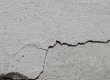
“Every house settles” is one of the most misused phrases in real estate. While some hairline cracks can be cosmetic, repeated movement, widening gaps, or sloping floors usually signal that something is changing under your home — often related to moisture and soil conditions around the crawl space.
We recently inspected a 1950s pier-and-beam home near White Rock Lake. The owners had noticed a gentle slope toward the kitchen but were told twice it was “just age.” By the time they reached out to a residential foundation repair contractor, floor deflection exceeded industry guidelines, and several joists showed rot from long-term moisture exposure. What might have been a smaller adjustment years earlier required more extensive beam replacement and leveling.
Professional sloping floor foundation repair for crawl spaces often includes:
- Adjusting or replacing deteriorated piers and beams
- Sistering or replacing weakened joists
- Re-leveling floors to restore proper load paths
- Addressing the moisture or drainage issues that caused the movement
CALLOUT: Not all cracks are equal. Vertical hairline cracks that stop at the brick line may be cosmetic, but stair-step cracks, widening gaps, or cracks combined with floor slope should be evaluated by structural foundation repair specialists.
When you work with local foundation repair experts, they’ll use tools like laser levels, moisture meters, and elevation mapping to distinguish normal movement from structural distress. In Dallas’ clay soils, ignoring early warning signs usually means higher costs down the road — not just for structure, but for flooring, drywall, cabinets, and doors affected by movement.
Myth #3: “More Ventilation Is Always Better for Crawl Spaces in North Texas”
Older building codes and rules of thumb encouraged lots of open vents for crawl spaces, under the assumption that outside air would keep things dry. In humid climates like Dallas, that rule often backfires. Warm, moist air entering a cooler crawl space can condense on surfaces, driving up humidity and feeding mold and wood rot.
We saw this firsthand in a home in Oak Cliff with a fully vented crawl space. The owner added extra vents “to help it breathe.” Instead, summer humidity routinely hit 80–90% under the house. Insulation was falling, ductwork was sweating, and the hardwood floors above were cupping. Simply adding more vents in our region made the problem worse.
Modern foundation ventilation strategies focus on controlled airflow and moisture management, such as:
- Sealing unnecessary vents and openings
- Installing a continuous vapor barrier over the soil
- Using mechanical ventilation or dehumidification when needed
- Coordinating with HVAC systems to avoid pressure imbalances
Here’s how traditional thinking compares to current best practices for crawl spaces in Dallas:
| Approach | Traditional “More Vents” View | Modern Building Science View (Dallas Climate) |
|---|---|---|
| Moisture Control | Rely on outdoor air to dry space | Control ground moisture + limit humid outdoor air |
| Vent Count | “The more, the better” | Vents only where needed, often reduced or sealed |
| Humidity Management | Rarely measured | Monitored with sensors or meters |
| Risk of Mold/Rot | Considered low with open vents | High when warm, humid air meets cooler crawl surfaces |
| Integration With Encapsulation | Rarely considered | Designed as part of a full crawl space system |
“Ventilation without moisture control is like opening your windows during a rainstorm and hoping the house dries out.” — Building Science Consultant
The goal isn’t to seal everything blindly, but to manage airflow and moisture in a way that fits our climate and your specific home.
Myth #4: “Encapsulation Is Overkill — A Plastic Sheet Is All I Need”
Many homeowners have heard of crawl space encapsulation but think it’s just a plastic sheet tossed on the ground. True crawl space encapsulation services are far more comprehensive and, when done correctly, can be one of the most effective long-term investments for homes in Dallas.
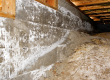
A homeowner in East Dallas called us after a DIY moisture barrier project didn’t stop their musty odors. They had laid thin plastic on parts of the soil but left gaps around piers and didn’t seal seams. Humidity readings barely changed. Once we installed a full vapor barrier crawl space encapsulation system — with sealed seams, wall coverage, drainage improvements, and a dedicated dehumidifier — humidity dropped into the target range and odors dissipated within weeks.
A professional professional crawl space encapsulation contractor will typically include:
- Heavy-duty, sealed vapor barrier over all exposed soil
- Sealed joints around piers, columns, and perimeter walls
- Wall liners where appropriate, not just floor coverage
- Drainage solutions or sump systems if water intrusion is present
- Optional dehumidification to maintain ideal humidity levels
Compare a basic barrier to full encapsulation:
| Feature | Basic Plastic Sheet DIY | Full Crawl Space Sealing and Insulation System |
|---|---|---|
| Material Thickness | Thin, often 4–6 mil | Thicker, reinforced liners (10–20+ mil) |
| Seams and Edges | Overlapped, rarely sealed | Taped, sealed, and mechanically fastened |
| Wall and Pier Coverage | Floor only, many gaps | Floor + wall + pier coverage where needed |
| Moisture Performance | Reduces some ground vapor | Comprehensive moisture control system |
| Integration With Drainage/Dehumidifier | Usually none | Designed as a complete moisture control system |
For many Dallas homes, especially older pier-and-beam structures, encapsulation paired with crawl space structural repair can:
- Stabilize humidity-sensitive hardwood floors
- Protect framing from long-term rot
- Improve comfort and energy efficiency
- Reduce pests attracted to damp environments
The key is design and execution, not just material. A piecemeal approach rarely delivers the same results as a well-planned encapsulation system.
Myth #5: “Retaining Walls and Drainage Don’t Affect My Crawl Space”
On sloped lots across Dallas — from the M-Streets to North Oak Cliff — what happens outside your foundation can be as important as what happens underneath it. Poor grading, failing retaining walls, or missing drainage systems can funnel water toward your crawl space, raising humidity and softening supporting soils.
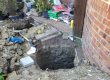
One Highland Park homeowner experienced recurring standing water near a side yard after big storms. Over time, that runoff found its way under the house, saturating soils and causing minor pier movement. Before long, they noticed gaps between trim and flooring over that area. Our inspection uncovered both a drainage issue and a bowing, undersized retaining wall.
Addressing the problem required coordinated solutions:
- New surface drains and downspout extensions through our drainage correction services
- Rebuilding the failing structure with a proper concrete retaining wall contractor
- Localized adjustments to piers and beams under the affected area
Well-designed retaining wall installation services and retaining wall repair and replacement can:
- Redirect surface water away from your crawl space
- Reduce lateral pressure on foundation walls
- Protect landscaping and hardscaping from erosion
“Water always wins — unless you give it a better path.” — Senior Drainage Specialist
The healthiest crawl spaces often start with smart water management outside the home.
Myth #6: “Crack Repairs Are Simple Patches — Any Handyman Can Do It”
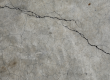
Cracks in foundation walls, grade beams, or interior piers are not all created equal. Some are cosmetic. Others are signs of active movement or stress that require a deeper look and specialized repair methods. Treating every crack with the same patch material risks masking serious issues.
A homeowner in North Dallas called us after repeated “repairs” to a recurring crack near their crawl space access. The crack had been filled with basic mortar twice, only to reopen within months. Our evaluation found differential settlement from poor drainage and a structural crack that extended deeper than the previous patches revealed.
As epoxy foundation crack repair specialists and a structural crack repair contractor, our approach involved:
- Determining whether the crack was active or dormant
- Assessing the underlying cause (soil movement, load paths, moisture)
- Stabilizing the area as needed with piers or framing adjustments
- Using appropriate concrete foundation crack repair methods (epoxy injection, carbon fiber, or other engineered solutions)
Proper foundation crack repair services consider:
- Crack width, pattern, and progression over time
- Location relative to beams, piers, and load-bearing walls
- Moisture presence inside the crack
- Interaction with crawl space humidity or drainage conditions
CALLOUT: A cosmetic-looking crack can still be structural if it’s in a critical location or shows signs of movement. Documentation and monitoring are just as important as the repair itself.
By partnering with a structural foundation repair specialists team, you get more than a patch — you get a plan that addresses both symptoms and root causes.
What This Means for Homeowners in Dallas, Texas
Dallas isn’t an easy place to own a home from a foundation standpoint. Our expansive clay soils, frequent drought–flood cycles, and hot, humid summers all work against traditional assumptions about crawl spaces and structural performance.
For local homeowners, this means:
- “Set and forget” doesn’t work. Crawl spaces and foundations here benefit from periodic inspections, especially after major weather swings.
- Moisture management is non-negotiable. From drainage correction to encapsulation, water control is often the difference between a stable structure and ongoing repairs.
- Cheapest fixes are rarely the least expensive long term. Quick patches to sloping floors, cracks, or musty odors often fail because they ignore underlying soil and moisture conditions.
- Local experience matters. A professional foundation repair company that works daily in Dallas understands how our soils respond to different repair methods, and how to design solutions that last.
We’ve seen homes near White Rock Lake with recurring crawl space flooding, older craftsman homes in Bishop Arts with undersized beams and high humidity, and newer construction in North Dallas with improperly graded yards. In each case, the winning strategy was the same: inspect thoroughly, diagnose accurately, and connect the dots between crawl space health, structural integrity, and water management.
The myths discussed above are common, but they’re also preventable. With the right information — and the right team — you can protect your home’s structure, comfort, and value in a climate that doesn’t always cooperate.
Frequently Asked Questions
Q: How do I know if my crawl space needs more than just a dehumidifier?
A: Dehumidifiers can help, but they’re not a cure-all. If you see standing water, visible mold, wood rot, or sagging floors, that’s a sign you need a more holistic solution. A professional crawl space repair contractor will check humidity levels, inspect beams and joists, evaluate drainage outside, and look for signs of structural distress. In Dallas, where ground moisture and high humidity go hand in hand, relying on a dehumidifier alone can mask problems rather than fix them. The goal is to control water at its source, seal the space appropriately, and then use equipment as part of a complete system.
Q: Is crawl space encapsulation worth it in an older Dallas home?
A: For many older pier-and-beam homes, yes — especially if you’ve battled musty odors, cupping hardwood floors, or recurring moisture. A properly installed moisture control encapsulation system can stabilize humidity, protect framing from rot, improve comfort, and sometimes lower energy costs. Because older homes often have more air leakage and less insulation, encapsulation can make a noticeable difference. The key is having a professional crawl space encapsulation contractor assess your specific structure, soil conditions, and drainage before designing the system.
Q: Can I just add more vents to dry out my damp crawl space?
A: In our Dallas climate, adding vents usually doesn’t solve moisture issues and can make them worse. Warm, humid air entering a cooler crawl space tends to condense on surfaces, raising humidity further. Modern foundation ventilation strategies focus on controlling ground moisture, managing drainage, and using targeted ventilation or dehumidification when appropriate. A site visit from local foundation repair experts can determine whether vents should be adjusted, sealed, or supplemented with other measures.
Q: How serious are sloping floors if I don’t see big cracks in the walls?
A: Floor slope is a key indicator of what’s happening in your crawl space, even if walls look fine. In many Dallas homes, sloping floors come from settling piers, deteriorated beams, or moisture-weakened joists. Over time, that can affect doors, cabinets, tile, and even plumbing connections. A sloping floor foundation repair assessment will measure floor elevations, inspect framing, and correlate findings with soil and moisture conditions. Addressing the cause early often costs less and protects more of your interior finishes than waiting until visible cracks appear.
Q: Do I really need a structural specialist for foundation cracks, or can a handyman handle it?
A: For hairline, non-moving cracks in non-critical areas, a handyman may be able to perform cosmetic repairs. But if cracks are widening, stair-stepping through brick, or located near major supports, you need a structural crack repair contractor. Proper basement and foundation crack sealing (or crawl space foundation crack repair) starts with understanding whether the crack is structural and active. Techniques like epoxy foundation crack repair specialists use can restore strength and prevent water intrusion, but only if the underlying movement is addressed.
Q: How do retaining walls and drainage tie into crawl space health?
A: Retaining walls and grading determine where water goes during Dallas downpours. If they fail or are poorly designed, water can be directed toward your foundation and crawl space, saturating soils and driving up humidity. That can contribute to settlement, wood rot, and mold. By working with a team that offers both retaining wall installation services and drainage correction, you can ensure exterior water management supports your crawl space health, rather than undermining it.
Q: How often should I have my crawl space and foundation inspected in Dallas?
A: As a rule of thumb, every 2–3 years is wise for most homes, and sooner if you notice changes like new cracks, doors sticking, or musty odors. After major droughts or heavy rain seasons, a check-up from a residential foundation repair contractor can catch early issues before they become major repairs. Regular inspections are particularly important for older pier-and-beam homes and properties on sloped lots with retaining walls.
Ready to Get Started?
Dallas weather and soil conditions won’t wait, and small crawl space problems rarely stay small. If you’re noticing sloping floors, musty odors, visible cracks, or signs of moisture under your home, this is the ideal time to get a professional opinion — before summer humidity or the next storm cycle makes things worse.
Elite Foundation Repairs provides comprehensive evaluations that look at structure, moisture, drainage, and ventilation together. Our team designs solutions that fit your home, your lot, and our North Texas climate — from targeted foundation repair services and drainage correction to full residential crawl space restoration and encapsulation.
Next steps are simple:
- Schedule an on-site assessment
- Review a clear, written plan with options
- Decide on a timeline that works for your family
You’ll know exactly what’s happening under your home and what it will take to fix it — no guesswork, no generic advice, just solutions tailored to Dallas conditions.
About Elite Foundation Repairs
Elite Foundation Repairs is a locally owned structural and crawl space structural repair company serving Dallas and the surrounding North Texas communities. With years of hands-on experience in our region’s challenging clay soils, we specialize in pier-and-beam and crawl space repairs, encapsulation, drainage, and retaining wall solutions. Our team combines field-tested methods with industry best practices to protect your home’s structure and your family’s comfort. Learn more about our services and approach at Elite Foundation Repairs.