Crawl Space Encapsulation Benefits for Foundation Repair Success
A homeowner in North Dallas called after noticing two things at once: a musty smell that never quite went away, and a stair-step crack that seemed to “wake up” after heavy rain. When we pulled back the access area, the crawl space told the real story—standing moisture on the dirt, damp insulation, and a vapor-heavy environment that kept the soil under the home cycling between wet and dry.
In Dallas-area homes, crawl space moisture doesn’t stay “contained.” It can change how the soil behaves, increase hydrostatic pressure at the perimeter, and accelerate deterioration of structural components. That’s why crawl space encapsulation often becomes a foundation repair success multiplier—not an optional add-on.
Quick Answer
Crawl space encapsulation helps foundation repair last by controlling moisture, reducing vapor migration, and limiting the wet/dry soil cycles that drive movement. When encapsulation is paired with proper drainage correction and any needed structural repairs, homeowners typically see fewer recurring cracks, healthier crawl space conditions, and slower deterioration of beams, posts, and subfloor assemblies.
Why Crawl Space Encapsulation Matters for Foundation Repair
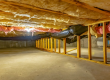
Encapsulation is more than putting a plastic liner down. A well-designed system usually includes:
- A properly installed vapor barrier over crawl space soil (and often overlapping seams)
- Sealing of penetrations (pipes, vents, utility openings)
- Moisture-control ventilation strategy (or reduced ventilation depending on conditions)
- Drainage and grading coordination when water is the root issue
- Insulation where appropriate to reduce condensation and temperature swings
What we commonly observe during inspections
One of the most common “contractor observations” we make in the field: homeowners often focus on the visible crack while the crawl space is actively feeding the problem.
In a typical Dallas crawl space, we’ll see:
- soil that’s consistently dark or damp after storms
- condensation on ductwork or floor framing
- rusted fasteners and soft wood in localized areas
- evidence that water moves under the home during specific weather patterns
That moisture changes the environment around the foundation system. Even if a slab or piers are structurally capable, recurring moisture intrusion can keep the soil under and around the foundation in motion.
How encapsulation supports structural stability
Foundation movement in North Texas is often tied to soil behavior—especially expansive clay that expands when wet and shrinks during drought cycles. Crawl space moisture can contribute to that cycle in two ways:
1. Vapor migration: Moisture vapor rises from the crawl space soil into the underside of the home.
2. Liquid water intrusion: Poor drainage, grading, or perimeter water flow can saturate the area around the foundation.
Encapsulation reduces both—by blocking vapor and helping keep the crawl space environment dry enough that the surrounding conditions are more predictable.
If you’re evaluating your repair path, it also helps to understand related components like foundation repair services and whether your case points to movement, settling, or water-driven stress.
What Homeowners Often Ignore
Moisture isn’t just a “crawl space issue”
Homeowners sometimes assume the crawl space is separate from foundation performance. In reality, moisture affects the supporting structure and the soil.
We see the same pattern:
- A homeowner does a quick fix for a crack (patching or sealing)
- Moisture continues under the home
- The foundation system experiences new stress after the next heavy rainfall or after seasonal temperature shifts
The “looks dry” trap
Another common oversight: the crawl space may feel dry on a warm day, but the moisture cycle is still active. Vapor barriers and humidity control address that cycle, not just what you can smell during one visit.
Common mistake homeowners make
Common mistake homeowners make: Installing a vapor barrier without addressing water entry points or drainage issues.
A barrier can trap moisture if water is still coming in, and it can fail early if:
- seams aren’t properly overlapped and sealed
- the liner is punctured during installation without patching
- penetrations (plumbing, wiring, duct boots) aren’t sealed
- grading directs runoff toward the crawl space perimeter
That’s why encapsulation should be paired with a site review for drainage correction. If water is the trigger, controlling it is part of structural success—not an afterthought.
Inspection and Prevention Checklist (What We Look For)
When we design encapsulation for foundation repair success, we start with a focused crawl space and site assessment. Here’s a practical checklist homeowners can use to understand what should be evaluated:
Crawl space inspection checklist
- Crawl space soil condition: dampness/dark staining after rain, visible pooling, or persistent damp odor
- Vapor barrier status: current liner condition, seam integrity, tears, and proper overlap
- Penetrations and openings: gaps around pipes, conduits, and access doors
- Condensation clues: sweating on ducts or floor framing, rust spots, or damp insulation
- Ventilation approach: whether vents are actively bringing in humid air that condenses
- Wood and metal condition: signs of rot, mold staining, soft spots, corrosion at fasteners
- Perimeter water behavior: does water appear to enter during storms or after gutters discharge near the foundation?
Structural stability checkpoints
- Crack pattern: whether cracks correlate with seasons (wet vs dry)
- Floor performance: bouncing, squeaks, uneven tile/wood transitions, or door misalignment
- Support system condition: beams, posts, piers, and any evidence of moisture-related deterioration
- Retaining wall influence (if applicable): whether nearby wall drainage is feeding water toward the foundation line (see retaining walls)
A Realistic Dallas-Area Example (Anonymized Case)
A homeowner near Dallas reported a stair-step crack near a window and ongoing dampness in the crawl space. During our visit, we found:
- Crawl space soil was consistently damp, with condensation on underside surfaces.
- The property grade directed runoff toward the foundation perimeter after storms.
- A prior “crack repair” had sealed the surface but didn’t address moisture or water movement.
- Support components showed localized corrosion and early wood softening.
Repair approach (high-level):
1. Drainage correction to redirect water away from the foundation perimeter.
2. Crawl space encapsulation with a properly detailed vapor barrier system and sealed penetrations.
3. Structural repair tied to movement indicators—addressing areas where the foundation needed stabilization.
4. Moisture control coordination so the crawl space environment stayed dry between storms and drought cycles.
Outcome: The crack stopped progressing, and the crawl space odor improved within weeks. Over subsequent seasons, the homeowner reported fewer “active” signs—no new cracking patterns and a more consistent interior feel.
This is the kind of outcome we aim for: structural repairs plus a controlled moisture environment so the home isn’t forced to fight the same conditions again.
Quick Comparison: Encapsulation Alone vs. Encapsulation + Structural/Drainage Work
| Repair Strategy | What it Controls | Typical Limitations |
|---|---|---|
| Crawl space encapsulation only | Vapor migration and crawl space humidity | Won’t fix liquid water intrusion if drainage/grading is wrong |
| Foundation crack repair only | Cosmetic crack appearance; limited movement control | Doesn’t stop moisture-driven soil cycling |
| Encapsulation + drainage correction | Vapor + liquid water drivers | Requires correct site grading and water pathway planning |
| Encapsulation + drainage + structural stabilization | Moisture + underlying movement causes | Takes coordinated inspection and targeted repair design |
For long-term success, the best plan is the one that matches the true cause—not just the symptom.
Dallas and North Texas Relevance: Why Soil Cycles Keep Showing Up
North Texas weather patterns create a reliable cycle: heavy rain periods followed by dry spells, with temperatures swinging throughout the year. That movement matters on expansive clay, which can respond quickly when moisture conditions change.
When crawl spaces are left damp:
- the soil under/near the home can stay wetter than expected
- condensation can keep underside materials in a borderline condition
- the foundation system may experience recurring stress as the soil expands and shrinks
Even small sources—like a downspout discharging too close to the crawl space perimeter or a grading slope that funnels runoff—can keep the cycle going. That’s why we often pair encapsulation design with a review of property drainage and perimeter water pathways.
Supporting industry context (why moisture control is treated as structural)
- The U.S. Environmental Protection Agency notes that moisture problems in buildings can contribute to material deterioration and indoor air quality issues—making moisture control a core part of building health.
- The American Society of Heating, Refrigerating and Air-Conditioning Engineers (ASHRAE) emphasizes controlling humidity and moisture to reduce condensation risks and related building performance problems.
- Building science research consistently shows vapor barriers reduce moisture migration when installed with correct detailing and seam integrity—critical for performance longevity.
Why Some Structural Repairs Fail Early
Even good foundation crack repair services can fall short when the environment keeps changing. Based on what we see in the field, early failures usually come from one of these gaps:
- Moisture source not corrected: Water still enters the perimeter or vapor continues from crawl space soil.
- Crack repair treated as the only fix: Surface sealing doesn’t address movement triggers.
- Inadequate detailing: Encapsulation seams, penetrations, and edge conditions weren’t properly sealed.
- Seasonal movement not accounted for: Some homes show movement only during specific wet or dry cycles.
- Retaining wall drainage overlooked: If water is being retained or diverted by a wall system, improper drainage can increase pressure toward the foundation area.
If your property includes slopes or retaining features, it’s worth reviewing related service options like sloping floor foundation repair and retaining wall support. In some cases, retaining wall installation services or targeted repairs are part of stabilizing the water pathway that affects foundation conditions.
Foundation Repair vs. Monitoring (Where Encapsulation Fits)
Some homeowners wonder whether they should monitor cracks or proceed with repair. The presence of crawl space moisture shifts that decision.
A practical rule of thumb
- If cracks are active and moisture is present, monitoring alone rarely addresses the cause.
- If the crawl space is damp and seasonal conditions correlate with crack behavior, encapsulation plus a cause-based repair plan is usually the smarter direction.
Signs Your Foundation May Be Moving (and moisture may be involved)
Look for combinations of these indicators:
- Cracks that widen or change after storms
- Doors or windows that start sticking seasonally
- Uneven floors, especially near exterior walls
- Musty odors or visible dampness in the crawl space
- Rust, corrosion, or early wood deterioration under the home
- Water pooling after gutters discharge or heavy rainfall
- Retaining walls that lean or shift after wet weather
If you recognize several of these, it’s worth getting an inspection that ties crawl space conditions to foundation performance.
FAQ
Can crawl space encapsulation really help my foundation repair last longer?
Yes—when encapsulation is designed to control the moisture driver behind movement. Foundation repairs can stabilize structure, but if the soil keeps getting re-wet from crawl space vapor or perimeter water intrusion, movement may return. Encapsulation reduces vapor migration and helps keep the crawl space environment drier so the foundation system isn’t repeatedly stressed by wet/dry soil cycles.
What’s the difference between a vapor barrier and full crawl space encapsulation?
A basic liner is only part of the job. Full encapsulation typically includes a properly detailed vapor barrier with sealed seams, sealed penetrations, an intentional approach to ventilation (or reduced ventilation), and coordination with insulation and drainage. Without those details, moisture can still migrate or accumulate in problem areas.
Will encapsulation work if my crawl space has standing water?
Encapsulation may be part of the solution, but standing water usually indicates a drainage or water-entry issue that must be corrected first. If water is entering the crawl space perimeter, a barrier alone can trap moisture. A proper plan addresses water pathways, grading, and drainage before or alongside the encapsulation system.
How do I know if my crack is structural or just cosmetic?
Cosmetic cracks often don’t change over time and typically don’t correlate with seasonal moisture. Structural cracks often show progression, stair-step patterns near openings, or associated performance issues like sticking doors and uneven floors. A professional inspection should evaluate crack pattern, foundation system type, and moisture conditions.
Ready to Protect Your Foundation or Crawl Space?
If you’re dealing with foundation crack repair concerns and you also have crawl space moisture, encapsulation can be a key part of making repairs hold up through Dallas-area seasons. The best results come from matching the repair approach to the cause—often involving drainage correction, crawl space moisture control, and targeted structural stabilization.
About Elite Foundation Repairs
Elite Foundation Repairs provides foundation repair, crawl space repair, retaining wall construction, drainage correction, and structural stabilization services throughout Dallas, TX and surrounding North Texas communities. The company focuses on long-term structural solutions, moisture management, accurate inspections, and helping homeowners protect their properties from foundation movement caused by regional soil and drainage conditions.