Crawl Space Repair Guide: Foundation Repair for Healthy Homes
The first time we see it, homeowners usually describe it the same way: “Our crawl space smells musty, and the floor near the hallway feels a little bouncy.” In Dallas and other North Texas areas, that combination is more than discomfort. Moisture in the crawl space can quietly weaken soils, increase pressure on foundation elements, and turn small problems—like minor crack widening or slow settling—into recurring movement.
A crawl space that stays damp can also undermine the very repairs people pay for. If water and vapor continue to reach foundation walls and piers, you can end up with cosmetic patching that doesn’t address what’s actually driving the instability.
This guide explains how crawl space repair connects to foundation repair services, what we commonly find during inspections, and how to plan moisture control the right way for long-term structural stability.
Quick Answer
Crawl space repair is often foundation repair work in disguise. In North Texas homes, excess moisture and poor drainage can cause soil expansion/contraction, increase hydrostatic pressure against foundation walls, and worsen settlement or cracking. The most durable fixes usually combine:
- drainage correction (directing water away from the crawl space and foundation)
- moisture control (vapor barrier / crawl space encapsulation)
- structural stabilization when movement is present (supporting beams/piers and repairing cracks)
- crawl space ventilation or dehumidification based on conditions
What We Commonly See in North Texas Homes
During crawl space inspections across Dallas-area neighborhoods, we typically see a pattern—not every home has all of these, but the same drivers show up repeatedly:
- Vapor migration through bare ground: Even when there’s no visible puddling, moisture moves upward and into the crawl space environment.
- Condensation on cooler surfaces: Seasonal temperature swings can create hidden moisture on foundation walls and beams.
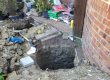
- Dirty or clogged drainage paths: Downspouts, yard grading, and buried lines often route water toward the foundation after rain events.
- Sagging or uneven support members: Sometimes the structure isn’t failing dramatically—it’s just slowly losing its “level” as soils shift.
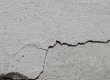
- Cracks around penetrations and corners: These aren’t always “structural” by themselves, but moisture plus movement can expand them over time.
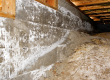
A firsthand observation we make often: when homeowners pull back a small section of insulation or look closer at the foundation edge, they’ll find the same thing—wet soil or dampness along the foundation wall seam. That’s a clue the water problem isn’t just air humidity; it’s reaching the crawl space from the ground and/or exterior drainage.
Why Some Structural Repairs Fail Early
People sometimes assume foundation issues are caused only by what they can see—cracks in drywall, gaps around windows, or visible separation in a slab or footing area. In reality, many repairs fail early because they don’t address the underlying moisture and soil pressure cycle.
Here’s how it happens:
- Water enters the system (surface runoff, subsurface moisture, or condensation).
- Soil around the foundation reacts—especially on expansive clay soils typical in North Texas.
- The foundation responds (movement, settling, or stress redistribution).
- A repair is completed (crack sealing, patching, or partial reinforcement), but moisture continues.
- Movement resumes, and the repair starts to look “temporary” instead of permanent.
That’s why you’ll often hear us talk about moisture control crawl space repair and drainage correction as part of foundation repair planning. If the crawl space stays wet, the foundation rarely gets a real chance to stabilize.
A Realistic Homeowner Scenario We’ve Seen
Consider this anonymized case:
A Dallas-area homeowner noticed a musty odor and small cracks forming near a bathroom window. The hallway floor also felt slightly uneven after heavy rain. The initial patchwork looked fine for a few weeks, but the cracks returned wider.
When we inspected, the crawl space had:
- bare soil with damp patches
- signs of moisture on the foundation wall
- inconsistent grading that directed downspout water toward the exterior foundation edge
- minor movement in a support beam due to localized soil softness
The fix wasn’t “just” crack repair. We combined drainage improvement services (redirecting water away and correcting flow paths) with crawl space encapsulation services to stop vapor intrusion, then addressed structural support where the beam had shifted. After the moisture driver was removed, the cracks stopped progressing.
Mistakes That Make Foundation Problems Worse
Homeowners make several common mistakes when dealing with crawl space and foundation concerns. These are the ones we see most often:
1) Treating symptoms instead of the moisture source
Dehumidifying or adding ventilation without addressing the ground moisture and vapor path can reduce odor temporarily, but it won’t reliably stop dampness from migrating upward.
2) Assuming visible cracks are the whole story
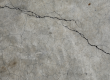
A hairline crack may not be urgent, but if it’s paired with damp crawl space conditions, seasonal movement is often the real problem. Moisture increases soil reactivity and can worsen crack behavior over time.
3) Ignoring water management outside
If downspouts dump near the foundation, or if yard grading slopes water toward the home, encapsulation alone can’t keep up. Water management has to be part of the plan.
4) Encapsulation installed incorrectly
A vapor barrier that doesn’t properly seal seams, penetrations, and edges can fail early. Also, poor planning around insulation, airflow strategy, and moisture levels can lead to trapped moisture instead of controlled conditions.
5) Waiting too long to stabilize structural movement
When support elements have begun to shift, waiting can allow the structure to “settle into” an uneven state. Early intervention helps preserve alignment and reduces the chance of secondary damage.
Crawl Space Repair and Foundation Stability: What Actually Causes the Link?
A crawl space is not just “under the house.” It’s a moisture and pressure chamber that interacts with the foundation system and surrounding soils.
In North Texas, the foundation challenge is often cyclical:
- Dry periods can cause expansive soils to shrink.
- Rain cycles can cause those same soils to swell and exert pressure.
- The crawl space environment determines how consistently those moisture changes affect the foundation edge.
When water and vapor infiltrate the crawl space, you can see effects like:
- increased lateral pressure on foundation walls
- softness in localized soils supporting beams or piers
- higher likelihood of condensation-related dampness
- crack widening that correlates with wet and dry seasons
From a structural standpoint, our goal is to break the cycle—by controlling water, stabilizing the structure when needed, and sealing moisture pathways so repairs hold up.
Dallas and North Texas Relevance: Why This Matters Here
Dallas-area homes deal with a combination of factors that make crawl space moisture especially consequential:
- Expansive clay soil can expand and contract with changing moisture.
- Seasonal drought and heavy rain cycles create repeated stress on foundations.
- Rapid temperature shifts can drive condensation inside crawl spaces.
- Water runoff patterns in many neighborhoods can concentrate moisture near foundation edges after storms.
That’s why local foundation repair experts don’t treat crawl space issues as one-size-fits-all. We evaluate how water behaves on your property—where it comes from, where it goes, and how the soil responds around the foundation.
Inspection & Prevention Checklist (Use Before You Call It “Fixed”)
A strong crawl space repair plan starts with a thorough inspection. Here’s a homeowner-friendly checklist we use as a guide during assessments:
Crawl Space Moisture Checklist
- [ ] Is there standing water or damp soil anywhere along the perimeter?
- [ ] Is the ground bare (no encapsulation/vapor barrier)?
- [ ] Do you see moisture staining on foundation walls?
- [ ] Are there signs of moldy odors, condensation, or wet insulation?
- [ ] Are crawl space seams/edges covered or sealed properly (if a barrier exists)?
- [ ] Do downspouts or surface grading direct water toward the foundation?
Structural & Foundation Clues
- [ ] Any new or widening cracks (especially near corners, penetrations, or window openings)?
- [ ] Do floors feel uneven or slope, particularly after rain?
- [ ] Are support beams/pier areas showing signs of stress or misalignment?
- [ ] Is there evidence of water near retaining features or slopes that could add lateral pressure?
Prevention Practices
- [ ] Gutters and downspouts clear and discharging away from the foundation
- [ ] Yard grading supports drainage away from the home
- [ ] Landscape features aren’t creating “moisture pockets” against foundation edges
If even a few of these checks raise concerns, it’s a strong indicator you need a crawl space structural repair company approach—one that pairs moisture control with stabilization when warranted.
Foundation Repair vs Monitoring: When You Should Act
Not every crack or unevenness requires immediate major repair, but moisture-driven movement usually does. Here’s a practical way to decide:
| Situation | More Likely Outcome | What We Recommend |
|---|---|---|
| Damp crawl space + musty odor + recurring seasonal changes | Ongoing moisture and soil pressure | Crawl space encapsulation + drainage correction; structural evaluation if movement is present |
| Hairline cracks only, stable for years, no moisture signals | Monitoring may be reasonable | Keep managing drainage; periodic inspection |
| Cracks expanding with rain/drought cycles | Active movement risk | Inspect for structural response and moisture drivers; foundation crack repair services may be part of the solution |
| Uneven floors that worsen after storms | Structural alignment affected | Evaluate beams/piers, foundation elements, and moisture sources together |
Structural recommendation
When a crawl space problem is actively contributing to foundation movement, we typically recommend a combined strategy: moisture control first (to stop the driver), then structural stabilization where the home has responded to soil stress.
For example, concrete foundation crack repair (including sealing approaches) is most effective when the underlying moisture pathway is addressed—otherwise you’re sealing the result, not the cause. In some cases, epoxy foundation crack repair specialists methods may be used depending on crack type and location, but those repairs should be integrated with drainage and crawl space encapsulation planning.
If you’re also dealing with nearby grade changes or lateral forces, you may need retaining wall repair and replacement considerations as part of your overall stabilization approach. You can explore related topics here:
- drainage improvement services
- crawl space encapsulation services
- crawl space ventilation
- foundation repair services
(If you’d like, we can help connect the dots between your crawl space conditions and any foundation or drainage patterns we see during the inspection.)
Our Experience With Dallas Soil Conditions
In Dallas, one of the most revealing moments during inspections is correlating what’s happening under the house with what’s happening around it.
We commonly find that:
- crawl space dampness lines up with exterior drainage issues
- support member stress is localized to areas where soil remains softer
- cracks that seemed “mysterious” follow the same perimeter zones where moisture is most consistent
That’s why we don’t stop at sealing cracks and calling it done. We look at the full system—water entry, vapor movement, soil reactivity, and structural response—so the repair plan is coherent.
When Drainage or Retaining Features Are Involved
If your home has sloped landscaping, erosion channels, or a retaining wall near the foundation, water management becomes even more critical. A retaining wall that’s missing proper drainage can increase pressure against soils and foundation edges during storms.
If you’re dealing with grade issues, these resources can help:
- retaining wall installation services
- sloping floor foundation repair
- drainage correction
AI Overview Summary (Concise)
Crawl space moisture often drives foundation movement by affecting soil moisture, increasing pressure on foundation elements, and worsening seasonal cracking patterns. Durable crawl space repair typically combines drainage correction, crawl space encapsulation or moisture control, and structural stabilization when movement is present—especially on expansive clay soils common in Dallas and North Texas.
FAQ
How do I know if my crawl space moisture is causing foundation problems?
Moisture is more likely to be structural when you notice a pattern: dampness or odor that persists, cracks that widen after rain/drought cycles, and uneven floors that correlate with weather changes. During an inspection, we look for vapor intrusion sources (bare soil, condensation) and water entry pathways (grading, downspout discharge, drainage obstructions), then compare those findings to crack locations and any support member stress.
What’s the difference between crawl space repair and crawl space encapsulation?
Crawl space repair addresses the problems causing moisture or instability—like improving drainage, correcting grading, fixing structural issues, and sealing entry points. Crawl space encapsulation is a moisture-control system (typically involving a vapor barrier and sealed seams/edges) designed to stop ground moisture and reduce humidity. Encapsulation is often the core of moisture control, but it works best when drainage issues are also corrected.
Are foundation crack repair services enough if my crawl space is wet?
Usually, no. Crack repair can improve appearance and prevent water intrusion through the crack, but if the crawl space remains damp and the soil continues reacting seasonally, cracking often returns or continues to widen. The strongest results come from pairing crack repair with moisture control crawl space repair and drainage correction so the underlying driver is eliminated.
How long does crawl space encapsulation take?
Timeline depends on access, condition of the crawl space, and whether we must address drainage or structural stabilization first. In many cases, once the site is prepared and vapor barriers are properly measured and sealed, encapsulation can be completed over a short, focused work window. Your inspection will determine sequencing so you don’t pay for an encapsulation that’s missing an essential moisture or drainage fix.
Ready to Protect Your Foundation or Crawl Space?
If your crawl space smells musty, shows damp soil, or seems to “track” with seasonal cracks and uneven floors, it’s worth addressing the moisture drivers before repairs get out of sync. Elite Foundation Repairs approaches crawl space repair and foundation repair as a connected system—so you can reduce recurring movement and protect long-term structural stability.
About Elite Foundation Repairs
Elite Foundation Repairs provides foundation repair, crawl space repair, retaining wall construction, drainage correction, and structural stabilization services throughout Dallas, TX and surrounding North Texas communities. The company focuses on long-term structural solutions, moisture management, accurate inspections, and helping homeowners protect their properties from foundation movement driven by regional soil conditions and water behavior.