Foundation Repair Guide for Crawl Space Encapsulation Success
On a humid August afternoon in Dallas, a homeowner in Lakewood noticed a musty odor creeping up from the floors, doors sticking more than usual, and a spike in her electric bill. The culprit wasn’t her HVAC system or windows—it was her crawl space. Moisture-laden air, poor ventilation, and minor structural issues were quietly undermining both comfort and safety.
Across North Texas, thousands of homes sit over vented crawl spaces that were designed for a different climate and different building standards. With Dallas seeing more frequent heavy rain events and long stretches of high humidity, the old “let it breathe” approach is causing mold, wood rot, and foundation movement in homes that otherwise look perfectly sound.
This guide explains how proper foundation repair and crawl space encapsulation work together to protect your building from the ground up. You’ll learn how to spot problems early, how local soil and climate affect your foundation, what a successful encapsulation project includes, and how to choose the right professionals to do it right the first time.
Key Insight: Successful crawl space encapsulation depends on a stable, repaired foundation. Addressing structural issues and moisture together is the only way to get long-term protection—not just a cosmetic fix.
Why Crawl Space Encapsulation Starts With Foundation Stability
Crawl space encapsulation sounds simple: seal, insulate, and control moisture. But in the Dallas area, encapsulating a crawl space without first addressing underlying foundation issues can trap problems instead of solving them.
Why structure comes first
A crawl space is part of your foundation system. If piers have shifted, beams have sagged, or soil has settled unevenly, you’re dealing with more than a comfort issue—you’re dealing with structural movement. Encapsulation over an unstable structure is like installing new drywall over a cracked, moving wall.
That’s why experienced foundation repair services will:
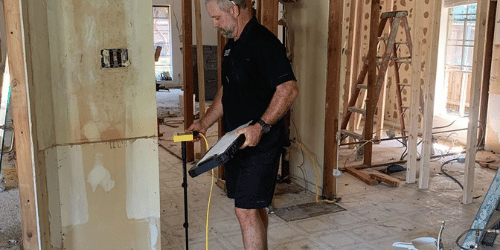
- Inspect piers, beams, joists, and subfloor for movement or damage
- Check for differential settlement that causes sloping floors or wall cracks
- Evaluate moisture-related wood rot and fungus in load-bearing components
“Moisture is almost always a partner to structural damage in crawl spaces, not just a side effect.” — Senior Structural Inspector, North Texas
A Dallas-area case study
A 1950s home near White Rock Lake had chronic musty odors and cupping hardwood floors. The owners called for sloping floor foundation repair after noticing a visible dip in the living room. Inspection revealed:
- Several deteriorated wood piers
- Fungal growth on joists from years of high humidity
- A patchwork vapor barrier that didn’t meet the walls or seal around piers
The repair plan:
- Replace and shim failing piers
- Sister damaged joists and reinforce beams
- Only then, install a continuous vapor barrier and sealed encapsulation system
By prioritizing structure, the encapsulation had a solid, level base. The homeowners saw a noticeable reduction in floor movement and odors within weeks.
Moisture, Soil, and Ventilation: The Dallas Crawl Space Equation
North Texas weather and soil make crawl space management uniquely challenging. Dallas sits on expansive clay soils that swell with moisture and shrink during drought. That movement, combined with our humidity, is hard on traditional vented crawl spaces.
How moisture drives damage
Open vents were intended to allow cross-breezes to dry out crawl spaces. In reality, warm, moist outdoor air enters a cooler crawl space, condenses on cooler surfaces, and raises relative humidity. Over time, that leads to:
- Mold growth on joists and insulation
- Wood rot in beams and sill plates
- Rust on metal supports
- Musty odors and allergens in occupied spaces
Many homeowners call for foundation ventilation solutions after noticing condensation on ductwork or pooling water under their homes.
“Any time crawl space humidity stays above ~60% for extended periods, you’re in the danger zone for mold and decay.” — Building Science Consultant, Dallas
Real-world example: North Dallas bungalow
A homeowner in the M Streets area reported high indoor humidity and a persistent earthy smell. The crawl space had:
- Multiple open vents
- No ground cover
- Standing water after storms due to poor drainage
The solution combined:
- Exterior drainage correction to redirect roof and surface water
- Strategic vent closure as part of an encapsulation plan
- Dehumidification to keep humidity in the safe range
Once moisture was controlled, the structure stabilized, and the interior air quality improved dramatically.
The Four Pillars of Successful Crawl Space Encapsulation
True crawl space encapsulation is more than rolling out plastic. It’s a coordinated system built on four pillars: structure, water management, air control, and insulation. Each one supports the others.
1. Structural repair and reinforcement
Before any plastic goes down, a professional foundation repair company should:
- Level and stabilize piers and beams
- Repair or replace damaged joists and sill plates
- Address any signs of settlement or heaving
This is where residential foundation repair contractor experience really matters. You want movement corrected before you “lock in” the crawl space.
2. Groundwater and drainage control
Encapsulation cannot fight active water intrusion on its own. Best practice includes:
- Grading soil to slope away from the foundation
- Installing or correcting gutters and downspouts
- Considering French drains or surface drains as part of drainage correction
- Installing sump pumps where necessary
3. Vapor barrier and air sealing
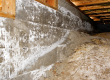
A high-quality vapor barrier crawl space encapsulation system will:
- Use thick, durable liner (often 12–20 mil)
- Seal seams, piers, and edges to walls and columns
- Extend up walls and be mechanically fastened and sealed
- Include sealed access doors and penetrations
4. Controlled ventilation and dehumidification
Once sealed, the space becomes a semi-conditioned zone:
- Vents are closed and sealed
- Mechanical dehumidification is installed and sized correctly
- In some designs, small amounts of conditioned air are introduced from the home
“Encapsulation without dehumidification is like closing your windows but never running the AC in August.” — HVAC & Building Performance Specialist, Plano
Traditional vs. Modern Crawl Space Approach
| Aspect | Traditional Vented Crawl Space | Modern Encapsulated Crawl Space |
|---|---|---|
| Ventilation strategy | Open vents to outside air | Sealed vents + controlled dehumidification |
| Ground moisture control | Bare soil or thin poly in spots | Continuous sealed vapor barrier |
| Structural protection | Reactive repairs after problems | Proactive inspection + reinforcement before sealing |
| Indoor air quality | Pathway for moldy, humid air | Cleaner, drier air entering living space |
| Energy efficiency | Duct losses and temperature swings | More stable temps, reduced energy waste |
| Typical Dallas maintenance cost | Frequent repairs and mold treatment | Higher upfront, lower long-term maintenance |
In Dallas, the modern encapsulated approach is increasingly favored by builders, inspectors, and insurance professionals who want long-term stability rather than cyclical repairs.
Integrating Crack Repair and Encapsulation for Long-Term Protection
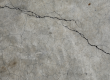
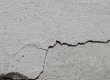
Even in crawl space homes, concrete elements—such as perimeter grade beams, stem walls, or adjacent patios—can develop cracks that allow water into the structure. Combining foundation crack repair services with encapsulation protects both structure and air quality.
Why cracks matter under and around crawl spaces
Cracks in grade beams or foundation walls may:
- Channel water directly into the crawl space
- Allow soil gases and humidity to infiltrate
- Signal ongoing movement in the structural system
A structural crack repair contractor will evaluate whether a crack is cosmetic or structural, then select the right repair method.
Example: East Dallas pier-and-beam with beam cracks
A homeowner in Old East Dallas had an encapsulated crawl space installed by a non-specialist contractor. Within a year:
- Water stains appeared on the new liner near one wall
- Musty odors returned
- Fine cracks were visible on the exterior grade beam
A follow-up inspection found that:
- The original contractor never addressed beam cracks
- Water was entering through the cracks and pooling under the liner
The solution involved:
- Targeted concrete foundation crack repair using epoxy injection and sealants
- Re-sealing and re-fastening the vapor barrier at affected areas
- Adding surface drainage improvements outside that wall
“Crack repair is most effective when it’s part of a whole-system plan that includes drainage, structure, and moisture control.” — Structural Foundation Engineer, DFW
The Role of Retaining Walls and Exterior Drainage in Crawl Space Health
Crawl space problems often start outside the home. Poor grading, sloping yards, and improperly designed retaining walls can push water toward your foundation, overwhelming even the best encapsulation system.
How retaining walls affect your crawl space
In hilly parts of Dallas—like parts of Oak Cliff or areas near the Trinity River—retaining walls are common. If they’re undersized, failing, or poorly drained, they can:
- Trap water against your foundation
- Increase hydrostatic pressure on crawl space walls
- Contribute to erosion and settlement under piers
That’s where thoughtful retaining wall installation services become part of a broader foundation protection strategy.
A skilled concrete retaining wall contractor will:
- Design walls with proper footing and reinforcement
- Integrate weep holes, drainage rock, and French drains
- Ensure water is directed away from the foundation, not toward it
Case study: Highland Park slope and crawl space issues
A home on a sloped lot in Highland Park had:
- A failing timber retaining wall above the house
- Soil sloughing down toward the foundation
- Chronic crawl space moisture and mold issues
The repair plan combined:
- New decorative retaining wall construction with proper drainage
- Re-grading the yard to shed water away from the home
- Crawl space structural repairs and full encapsulation
Within months, humidity levels stabilized, and the homeowner gained both curb appeal and peace of mind.
Choosing the Right Contractor Team for Crawl Space Encapsulation
Crawl space encapsulation touches structure, moisture, air quality, and energy efficiency. Very few single-trade contractors can manage all of those disciplines well. In Dallas, the most reliable results usually come from teams led by local foundation repair experts experienced with our soil and climate.
What to look for in a crawl space partner
When evaluating a crawl space structural repair company or encapsulation contractor, ask:
- Do you perform structural evaluations, or just install liners?
- How do you coordinate moisture control encapsulation systems with exterior drainage?
- Who designs and signs off on structural repairs?
- What warranties do you offer on both structure and encapsulation components?
- Do you have experience with similar Dallas neighborhoods and soil types?
“Look for one throat to choke—one team that takes responsibility for structure, moisture, and performance, not a patchwork of subcontractors pointing fingers.” — Residential Builder, North Texas
Red flags to avoid
- Quotes based only on square footage, with no structural inspection
- Proposals that ignore obvious grading or drainage problems
- Thin, low-grade liners without mechanical fastening to walls
- No discussion of dehumidification or long-term monitoring
What This Means for Businesses in Dallas, Texas
Property managers, real estate investors, and small business owners in Dallas face a unique balancing act: protect assets, control operating costs, and maintain healthy spaces for tenants and employees. Crawl space issues can quietly erode all three.
For businesses that own or manage older office bungalows, retail conversions, or rental housing on pier-and-beam foundations, ignoring crawl spaces is a costly gamble. Moisture and structural movement often show up first as:
- Tenant complaints about odors or “heavy” indoor air
- Higher energy bills from HVAC systems battling humidity
- Cosmetic damage that scares off prospective tenants or buyers
By partnering with structural foundation repair specialists who also understand encapsulation, businesses can:
- Stabilize assets for the long term, protecting property value
- Reduce emergency calls and reactive repairs after heavy rains
- Improve indoor air quality—an increasingly important factor in tenant retention
- Present cleaner, drier, and more marketable spaces
Dallas’s competitive real estate market rewards well-maintained properties. A comprehensive approach that combines structural repair, moisture control, and thoughtful drainage can set your portfolio apart. Instead of patching symptoms year after year, you invest once in a system designed to perform through North Texas’s cycles of drought and downpour.
Frequently Asked Questions
Q: How do I know if my Dallas property actually needs crawl space encapsulation or just basic repairs?
A: The first step is a thorough inspection by local foundation repair experts who understand both structure and moisture. Signs that encapsulation may be warranted include persistent musty odors, visible mold on joists or insulation, frequent standing water, rusted metal supports, and high indoor humidity even when HVAC is running. In some cases, targeted crawl space repair services such as pier shimming, wood replacement, and drainage improvements may be enough. However, in many parts of Dallas with expansive clay soils and high humidity, encapsulation provides a longer-term solution by controlling moisture, protecting structural components, and improving indoor air quality.
Q: Will encapsulating my crawl space fix my sloping floors and sticking doors?
A: Encapsulation alone will not correct structural movement. Sloping floors, gaps between baseboards and flooring, or doors that won’t latch typically indicate settlement or shifting in piers and beams. That’s where a residential foundation repair contractor comes in. The right sequence is to stabilize and level the structure first—through pier adjustments, joist repairs, or beam reinforcement—and then encapsulate to protect that repaired structure from future moisture damage. When done in this order, many homeowners see both improved floor performance and a more comfortable, less humid interior environment.
Q: Is crawl space encapsulation worth the cost compared to traditional venting in the Dallas area?
A: For many properties, yes—especially when you factor in long-term costs. Traditional vented crawl spaces in Dallas often lead to recurring expenses: mold remediation, wood rot repairs, higher energy bills, and tenant turnover due to odors or comfort issues. A well-designed full crawl space sealing and insulation system involves higher upfront investment but typically reduces maintenance, protects structural elements, and improves energy efficiency. When paired with proper drainage and structural repairs, encapsulation can extend the life of your foundation and finishes, which is particularly valuable in older neighborhoods where replacement costs are high.
Q: Do I still need foundation crack repair if I’m encapsulating my crawl space?
A: Yes. Encapsulation does not “fix” existing foundation cracks. If you have visible cracks in grade beams, foundation walls, or other concrete elements, those should be evaluated and addressed by epoxy foundation crack repair specialists or similar experts. Proper basement and foundation crack sealing keeps water from bypassing your vapor barrier and entering the crawl space from the sides or below. Ignoring cracks can result in water getting trapped behind your new liner, creating hidden pockets of moisture that undermine the benefits of encapsulation and may indicate ongoing structural movement.
Q: How does drainage correction fit into a crawl space encapsulation project?
A: Exterior water management is the foundation of any successful encapsulation. Even the best moisture control encapsulation systems can be overwhelmed if roof runoff and surface water are directed toward the foundation. In Dallas, where heavy storms can drop inches of rain in a few hours, gutters, downspouts, grading, French drains, and, in some cases, retaining wall repair and replacement are critical components. A qualified contractor will evaluate how water moves across your property and design a drainage plan that keeps bulk water away from the crawl space before installing any liner or dehumidification equipment.
Q: How long does a typical crawl space encapsulation project take, and will my business or tenants be disrupted?
A: Most residential-sized encapsulation projects in Dallas take between 2–5 days, depending on the extent of structural repairs, drainage work, and liner installation. Larger commercial or multi-unit properties can take longer. A professional professional crawl space encapsulation contractor will stage work to minimize disruption: access is usually from outside, and most noise and activity stay under the building. Tenants may notice some vibration or brief access limitations near crawl space openings, but daily operations rarely need to stop. Clear communication and scheduling are key—your contractor should provide a timeline and coordinate around business hours whenever possible.
Q: Can I phase the work—do foundation repairs now and encapsulation later?
A: Phasing is possible and sometimes practical for budget reasons. Many property owners start with structural stabilization through structural foundation repair specialists, then add encapsulation within 6–18 months. The key is to ensure that any temporary moisture issues are managed in the interim—such as improving basic drainage and adding a temporary ground cover. When planning to phase, talk with your contractor about how today’s repairs will integrate with future encapsulation, so you don’t pay twice for the same work or install components that need to be removed and replaced later.
Ready to Get Started?
North Texas weather isn’t getting any gentler on our buildings. Each cycle of drought and downpour puts new stress on older pier-and-beam foundations and vented crawl spaces. Waiting often means more moisture, more movement, and more cost to undo the damage later. Addressing structural issues and moisture together—through targeted repairs, drainage improvements, and professional encapsulation—gives you a long-term solution instead of a temporary patch.
If you’re seeing sloping floors, musty odors, visible mold, or water in your crawl space, this is the ideal time to act—before the next heavy storm or summer humidity spike. The next step is straightforward: schedule an evaluation with a team that understands both foundations and crawl space systems. You’ll receive a clear picture of your current risks, a prioritized plan, and transparent options that fit your property and budget.
Elite Foundation Repairs has helped Dallas homeowners and businesses stabilize, dry out, and protect their properties for the long haul. Your building’s foundation supports everything you value above it—now is the time to make sure it’s protected.
About Elite Foundation Repairs
Elite Foundation Repairs is a Dallas-based foundation and crawl space specialist serving North Texas property owners. Our team combines structural engineering insight with hands-on experience in pier-and-beam repair, moisture control, and encapsulation systems. We’ve worked on hundreds of local homes and commercial properties, from historic bungalows to modern additions, always with a focus on long-term stability and clear communication. To learn more about our services and approach, visit our homepage at https://elitefoundationrepairs.com/.