Foundation Crack Repair: Detect, Seal, and Protect Long-Term
On a hot August afternoon in Dallas, a homeowner in Lake Highlands noticed a thin crack snaking up her living room wall. By Thanksgiving, that same crack had widened, her floors felt uneven, and a door near the garage wouldn’t close properly. What looked like a minor cosmetic issue had quietly become a structural problem—one that would cost several times more to fix than if it had been addressed early.
North Texas clay soils are among the most expansive in the country. According to regional engineering data, seasonal swelling and shrinking of our soil can move foundations by more than an inch—enough to crack concrete, twist framing, and warp floors. Foundation cracks are one of the earliest warning signs, but they’re also one of the easiest to ignore.
This guide walks you through how to detect foundation cracks early, how professionals seal and stabilize them, and how to protect your home long-term. You’ll see real Dallas-area examples, understand modern repair options, and learn when it’s time to call structural foundation repair specialists instead of trying to DIY.
Key Insight: The sooner you identify and properly repair a foundation crack, the more control you have over cost, safety, and long-term stability for your Dallas home.
Why Foundation Cracks Happen So Often in Dallas
Dallas sits on highly plastic clay soils that expand when wet and contract when dry. That constant movement puts stress on your foundation. Add in extreme heat, occasional hard freezes, and heavy storms, and you have a recipe for cracks.
The soil and water problem
Several factors drive cracking in our area:
- Expansive clay soils that swell and shrink seasonally
- Poor drainage that allows water to pool around the slab or in the crawl space
- Tree roots pulling moisture from under one portion of the foundation
- Plumbing leaks saturating soil under or beside your home
City of Dallas building records and local engineering reports consistently highlight differential movement—one part of a slab moving more than another—as the leading cause of structural cracks.
“Foundations don’t fail overnight. They move slowly, and cracks are their way of telling you something is changing.” — Senior Structural Inspector, DFW Metroplex
Real-world Dallas example
A homeowner in Richardson called about a hairline crack along the garage slab. On inspection, we found that one side of the home had settled nearly an inch due to poor surface drainage and a slow plumbing leak. Catching the crack early meant we could combine targeted foundation repair services with drainage correction, instead of a full-scale structural overhaul.
How to Spot the Difference Between Cosmetic and Structural Cracks
Not every crack in concrete or drywall is a structural emergency. The challenge is knowing which ones indicate real movement and which are just normal shrinkage or surface flaws. Dallas homeowners often call us asking, “Is this crack serious or just ugly?”
Key warning signs of structural issues
Cracks that deserve immediate attention typically show one or more of these traits:
- Wider than 1/8″ (about the thickness of two credit cards)
- Stair-step cracks in brick or block walls
- Horizontal cracks in foundation walls or retaining walls
- Cracks that run through the slab and continue into walls or ceilings
- Doors or windows nearby that stick, drag, or won’t latch
- Sloping or bouncy floors near the crack
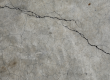
A small hairline crack in a new slab may be harmless. But a horizontal crack in a stem wall or a widening gap at a corner is often a red flag for movement that calls for a structural crack repair contractor.
Local case study: sloping floors and hidden cracks
In East Dallas, a homeowner noticed dishes sliding on their kitchen counter. They had a pier-and-beam home with a crawl space. Underneath, we found beam deflection and a series of foundation cracks at the perimeter where soil had washed away. It wasn’t just a surface issue—it required sloping floor foundation repair and crawl space structural work to stabilize the home.
CALLOUT: If a crack is growing, changing direction, or accompanied by new interior symptoms (sticking doors, new gaps in trim, sloping floors), it’s time to have local foundation repair experts inspect it.
Professional Crack Repair Methods: Epoxy, Polyurethane, and Structural Reinforcement
Once a crack is identified as significant, the next question is how to fix it. Modern foundation crack repair services use materials and methods far more advanced than simple patching compounds or surface caulks.
Epoxy vs. polyurethane injection
Two of the most common methods for concrete foundation crack repair are epoxy and polyurethane injection. Each has its place.
| Method | Best For | Strength/Use Case | Typical Dallas Application |
|---|---|---|---|
| Epoxy Injection | Dry or slightly damp cracks | Structural bonding of concrete | Slab cracks, garage floors, structural walls |
| Polyurethane (urethane) Injection | Actively leaking or wet cracks | Flexible, water-resistant crack sealing | Basement leaks, crawl space walls, retaining walls |
Epoxy injection essentially “glues” the crack back together, restoring much of the original strength. This is why many epoxy foundation crack repair specialists use it on structural cracks in slabs and load-bearing walls.
Polyurethane foam, on the other hand, expands and remains flexible. It’s excellent for sealing against water and air, especially in damp areas like basements and crawl spaces.
“Epoxy is like welding the concrete. Polyurethane is like installing a flexible gasket where movement and moisture are a concern.” — Licensed Structural Engineer, North Texas
When reinforcement is needed
In some cases, sealing the crack isn’t enough. If the crack is a symptom of ongoing movement, a professional foundation repair company may recommend:
- Underpinning with piers or piles
- Adding steel reinforcement or carbon fiber straps
- Rebuilding sections of compromised footing or stem wall
- Installing or repairing retaining walls to counter soil pressure
In a North Dallas project, a horizontal crack in a garage wall turned out to be caused by lateral soil pressure on a failing retaining wall. We repaired the wall, installed a new engineered retaining system, and then structurally injected the crack. Fixing only the crack would have been a short-term bandage.
Crawl Spaces, Moisture, and Hidden Foundation Cracks
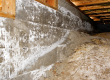
Many older Dallas neighborhoods—M Streets, Oak Cliff, parts of Lakewood—have pier-and-beam construction with crawl spaces. These homes are especially vulnerable to hidden foundation issues because the trouble often starts where you can’t see it.
How moisture in crawl spaces leads to cracking
Excess moisture under your home can:
- Soften and shift supporting soils
- Rot or weaken wood beams and joists
- Encourage mold, mildew, and pests
- Cause differential settlement at the perimeter foundation
Over time, this can create cracks at the base of walls, around piers, and along the perimeter beams. Homeowners may only notice symptoms like:
- Musty odors
- Bouncy or sloping floors
- Cracks at interior corners
- Gaps between trim and flooring
A professional crawl space repair contractor will look at both structural and moisture conditions. That might include adding supports, shimming beams, or performing full crawl space restoration while addressing the underlying moisture sources.
Encapsulation and vapor barriers
Modern solutions often include crawl space encapsulation services:
- Heavy-duty vapor barrier installed over soil
- Sealing vents and gaps that allow humid air inside
- Insulating foundation walls and sometimes band joists
- Adding dehumidification or controlled ventilation
This full crawl space sealing and insulation approach dramatically reduces moisture swings, which in turn helps stabilize the soils and framing that support your foundation.
Real example: A homeowner in Oak Cliff experienced recurring cracks above doorways and a musty smell in the hallway. We found high humidity and standing water in the crawl space. By combining crawl space structural repair, a vapor barrier crawl space encapsulation system, and targeted crack repair, we stopped the cracks from returning and improved indoor air quality.
CALLOUT: If your home has a crawl space and you’re seeing new cracks plus musty odors or sloping floors, the problem is likely below your feet—not just in the walls you can see.
Drainage, Retaining Walls, and Long-Term Crack Prevention
Repairing a crack without fixing the water and soil conditions around your home is like mopping up a spill while the faucet is still running. In Dallas, where we swing from drought to downpour, proper drainage and soil management are crucial for long-term foundation health.
Why drainage is as important as the repair itself
Poor drainage can:
- Saturate soils and increase lateral pressure on foundation walls
- Cause erosion that undermines footings and piers
- Lead to heaving during wet periods and settlement in dry periods
That’s why many structural foundation repair specialists recommend pairing crack repair with drainage correction:
- Regrading soil to slope away from the home
- Extending downspouts and adding surface drains
- Installing French drains or swales
- Repairing or redirecting gutter systems
The role of retaining walls in protecting foundations
On sloped Dallas lots—like those in North Oak Cliff, parts of Plano, or near creek beds—retaining walls often serve as the first line of defense against soil movement.
A well-designed concrete retaining wall contractor will:
- Engineer the wall to resist lateral soil pressure
- Include proper drainage (weep holes, gravel backfill, drains)
- Design for both function and aesthetics, especially for decorative retaining wall construction in visible areas
We frequently see failing or improperly built walls contributing to foundation cracks upslope. In one Far North Dallas home, a bowing block retaining wall allowed soil to creep toward the house, cracking the garage slab. Rebuilding the wall and improving drainage stopped further movement.
| Approach | Upfront Cost (Dallas Typical) | Long-Term Benefit |
|---|---|---|
| Crack repair only | Lower | May be temporary if drainage issues persist |
| Crack repair + drainage correction | Moderate | Reduces risk of new cracks and settlement |
| Crack repair + drainage + retaining wall work | Higher | Comprehensive protection for sloped properties |
DIY vs. Professional Repair: Cost, Risk, and Peace of Mind
Home improvement stores in Dallas are filled with crack fillers and patching kits. While these products have their place, they can also give a false sense of security when used on structural cracks.
When DIY might be acceptable
You might consider a DIY approach for:
- Very small, stable hairline cracks in non-structural areas
- Cosmetic cracks in garage floors or patios that haven’t changed in years
- Temporary sealing of minor surface defects while you monitor them
Even then, it’s wise to take measurements and photos over time and consult a residential foundation repair contractor if you see changes.
When to call professionals
Professional foundation crack repair services are recommended when:
- Cracks are wider than 1/8″ or growing
- You see stair-step, horizontal, or diagonal patterns
- Doors and windows nearby stick or won’t latch
- Floors slope or feel uneven
- There’s evidence of water intrusion or dampness
A local foundation repair expert will not only seal the crack but also look at the entire structural picture, including soil conditions, drainage, and framing.
Real example: A homeowner in Frisco tried repeatedly to patch a recurring crack in a downstairs wall with store-bought filler. Each summer, the crack reappeared and grew. Once we inspected, we found differential settlement of the slab, inadequate drainage, and a nearby tree drawing moisture from one side of the home. Professional repair with underpinning, crack injection, and drainage work solved the issue permanently—something DIY patching could never do.
“Cosmetic fixes hide cracks. Professional repairs address why the crack formed in the first place.” — Elite Foundation Repairs Project Manager
CALLOUT: A free or low-cost inspection from a professional foundation repair company can save you thousands by catching structural problems early—before they demand major reconstruction.
What This Means for Homeowners in Dallas, Texas
Dallas is a tough environment for foundations. Our homes are constantly stressed by expansive clay, sudden storms, and long, dry summers. Cracks are not unusual—but they are never something to ignore.
For Dallas-area homeowners, that means three practical takeaways:
1. Stay observant. Walk your home regularly, inside and out. Look at brick mortar joints, slab edges, interior corners, and around doors and windows. Small changes over time matter.
2. Think beyond the crack. The visible crack is often just the symptom. Soil movement, drainage issues, crawl space moisture, and retaining wall failures are common root causes in our region.
3. Invest in prevention. Proper drainage correction, smart landscaping, and, where needed, crawl space encapsulation or upgraded retaining walls are not luxuries in North Texas—they’re part of responsible homeownership.
Foundation issues rarely fix themselves. Left alone, minor cracks can turn into major structural problems that affect safety, property value, and even your ability to sell your home. On the other hand, timely work with a trusted residential foundation repair contractor can stabilize your home and give you peace of mind through many more Texas summers and storm seasons.
For Dallas homeowners, treating foundation care as routine maintenance—not an emergency-only expense—will pay dividends in reduced repair costs and a more stable, comfortable home.
Frequently Asked Questions
Q: How do I know if a foundation crack in my Dallas home is an emergency?
A: Cracks that demand urgent attention typically show one or more warning signs: they’re wider than 1/8″, they’re horizontal or stair-step in brick, or they’re accompanied by doors that suddenly stick, windows that won’t latch, or noticeable floor slopes. If you see a crack that has changed quickly—over weeks or a single season—that’s another red flag. Because Dallas soils move so much with moisture changes, what starts as a small issue can escalate quickly. It’s wise to call a professional foundation repair company for an inspection anytime you see rapid changes or multiple symptoms in the same area of your home.
Q: Can I just seal a foundation crack myself with store-bought products?
A: For tiny, stable hairline cracks in non-structural areas, DIY sealers may be fine for cosmetic improvement. However, most big-box products don’t restore structural integrity or address underlying soil movement. In North Texas, where expansive clay is a constant factor, a crack is often a symptom of deeper issues. Sealing it on the surface may trap moisture, hide progression, or give a false sense of security. If you’re unsure whether a crack is structural, have local foundation repair experts evaluate it first. They can tell you if the crack is safe to monitor, suitable for DIY cosmetic repair, or needs professional structural work.
Q: What does a professional foundation crack repair typically involve?
A: A thorough repair process starts with diagnosis: measuring crack width, checking for movement, and evaluating surrounding areas, including drainage and framing. For concrete foundation crack repair, technicians often use epoxy injection to bond the concrete or polyurethane injection to seal active leaks. If the crack is tied to settlement or soil issues, they may also recommend underpinning, drainage correction, or adjustments in a crawl space. For crawl space homes, a crawl space structural repair company may combine pier adjustments, beam repairs, and moisture control. The goal is always twofold: stabilize the structure and prevent the conditions that caused the crack from continuing.
Q: How does crawl space encapsulation help prevent future foundation cracks?
A: In Dallas, crawl spaces often suffer from high humidity, seasonal water intrusion, and temperature swings. These conditions can soften soils, rot wood framing, and cause uneven support beneath your home—leading to cracks above. Crawl space encapsulation services use vapor barriers, sealing, and sometimes insulation and dehumidification to create a controlled environment under your home. By keeping moisture consistent and reducing soil saturation, encapsulation helps stabilize both the structure and the ground it rests on. Over time, this can reduce new cracking, minimize sloping floors, and improve indoor air quality.
Q: Are retaining walls really necessary, or are they mostly decorative?
A: Around Dallas, retaining walls are often doing far more than adding curb appeal. On sloped lots or properties near creeks and drainage channels, they’re a critical structural element that holds soil in place and reduces lateral pressure on your foundation. Poorly designed or failing walls can allow soil to creep toward your home, contributing to foundation cracks, driveway movement, and yard erosion. Working with a qualified concrete retaining wall contractor ensures the wall is engineered properly, drained correctly, and tied into the overall drainage plan for your property. That’s especially important when walls are close to your home or driveway.
Q: How much does foundation crack repair cost in the Dallas area?
A: Costs vary widely depending on the crack’s cause and severity. Simple, non-structural crack sealing may be relatively affordable. However, when cracks indicate settlement, heaving, or structural damage, repairs can involve underpinning, drainage correction, or crawl space work. Dallas homeowners might see anything from a few hundred dollars for minor cosmetic work to several thousand for more complex structural repairs. The key is that early intervention almost always costs less. A timely inspection by a residential foundation repair contractor can clarify whether you’re dealing with a small maintenance issue or a larger structural concern.
Q: How can I prevent new foundation cracks from forming in the future?
A: Prevention in Dallas focuses on moisture control and soil stability. Keep gutters clean and extend downspouts away from the home. Ensure your yard slopes away from the foundation so water doesn’t pool. Consider drainage correction if you see standing water after storms. For crawl space homes, maintaining dry, stable conditions under the house—often with encapsulation or improved ventilation—reduces movement. If your property sits on a slope, properly designed retaining walls can protect both soil and structure. Regular inspections and early crack monitoring with local foundation repair experts are your best long-term defense.
Ready to Get Started?
Dallas weather and expansive clay aren’t going to get easier on your home. Each season of heavy rain, followed by intense heat, adds stress to your foundation and can turn small cracks into major problems. Addressing cracks now—rather than waiting until doors won’t close or floors feel unsafe—gives you more options, lower costs, and greater peace of mind.
If you’ve noticed new or expanding cracks, sloping floors, musty crawl spaces, or recurring drainage issues, this is the right time to act. Start with a professional evaluation from structural foundation repair specialists who understand North Texas soils and construction. From there, you’ll know whether you simply need targeted crack sealing, or a more comprehensive plan that might include drainage improvements, crawl space work, or retaining wall adjustments.
Elite Foundation Repairs has helped homeowners across the Dallas area stabilize, protect, and restore their properties with proven, long-term solutions—not quick fixes. Schedule an inspection, ask questions, and make informed decisions about your home’s most important structural system.
About Elite Foundation Repairs
Elite Foundation Repairs is a locally owned and operated foundation specialist serving Dallas and the surrounding North Texas communities. Our team brings years of experience in structural foundation repair, crawl space restoration, drainage correction, and retaining wall construction tailored to our region’s challenging soils. We combine industry best practices, engineering insight, and detailed inspections to deliver long-lasting solutions rather than temporary patches. To learn more about our services and approach, visit our homepage at https://elitefoundationrepairs.com/.