
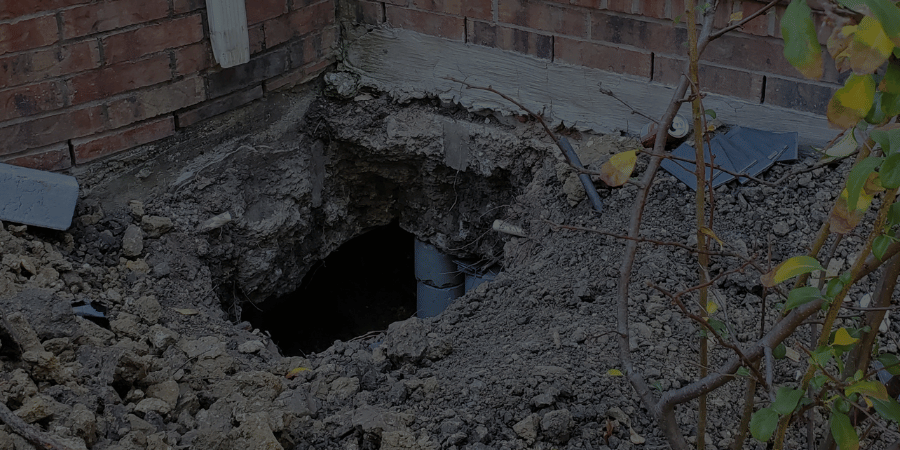
Retaining Walls Drainage Tips Supporting Strong Foundation Repair
North Texas clay soil expands when it’s wet and shrinks when it’s dry. In Dallas, that movement is powerful enough to crack slabs, tilt patios, and push retaining walls out of alignment. Add heavy rain events and irrigation runoff, and you have a constant battle between water, soil, and your foundation.
City of Dallas data shows average annual rainfall around 37 inches—but it often comes in short, intense bursts. Those downpours create hydrostatic pressure behind retaining walls and drive water toward your foundation if drainage isn’t carefully managed.
This is where solid retaining wall design and smart drainage work together with strong foundation repair. When walls are built and drained correctly, they don’t just hold back soil—they help protect your home’s structure.
Key Insight: In Dallas, retaining walls are part of your foundation system, not just a landscaping feature. The right drainage behind those walls can reduce soil movement, protect repairs, and lower your long‑term structural costs.
How Retaining Walls and Drainage Affect Your Foundation
Retaining walls are often treated like landscaping accessories, but structurally they’re doing serious work. They hold back soil, manage elevation changes, and quietly influence how water moves around your property. If they fail, your foundation can feel it.
The hidden connection: walls, water, and movement
Behind every retaining wall is a mass of soil that wants to move downhill. When water saturates that soil, it gets heavier and presses harder on the wall. That pressure doesn’t stay local—it can shift nearby soils, tilt hardscapes, and redirect water toward your foundation.
“Poor drainage behind retaining walls is one of the most common—and preventable—sources of foundation stress we see in North Texas.” — Elite Foundation Repairs Team
In Dallas neighborhoods like Lake Highlands, Oak Cliff, and North Dallas, it’s common to see:
- Bowed or leaning retaining walls above or below homes
- Cracked patios and driveways near short block walls
- Sloping interior floors on the downhill side of failed walls
These issues often show up at the same time as foundation symptoms:
- Doors and windows sticking
- Diagonal drywall cracks
- Gaps between baseboards and floors
A property in East Dallas recently called us for “minor brick cracks.” On inspection, we found a 4-foot-tall timber retaining wall bowing out behind the house. There was no gravel backfill, no drain pipe—just soaked clay pushing on that wall and the rear foundation beam. Addressing the wall drainage was just as important as the foundation repair services itself.
Core Drainage Principles Behind a Stable Retaining Wall
Drainage behind a retaining wall isn’t optional in our soil conditions—it’s a structural requirement. The goal is simple: let water pass through and away instead of building pressure behind the wall.
Key components of proper retaining wall drainage
A well-designed wall in Dallas should usually include:
- Free-draining backfill: Typically 12–24 inches of washed gravel or crushed stone behind the wall.
- Perforated drain pipe (French drain): Installed at the base of the wall, wrapped in fabric, and sloped to daylight or a drain outlet.
- Filter fabric (geotextile): Separates gravel from native clay to prevent clogging.
- Weep holes or drainage slots: Allow water to escape through or under the wall.
- Surface grading: Directs rainwater and irrigation away from the wall and foundation.
A Highland Park homeowner hired us after a decorative stone wall began to crack just three years after installation. The wall looked beautiful—but behind it was solid clay, no drainage pipe, and no weep holes. We rebuilt the wall with proper backfill, added an outlet drain, and tied the system into a broader drainage correction plan around the home. The same heavy rains that once caused bulging now flow safely away.
“Water will always find the easiest path. Good drainage design makes sure that path is away from your wall and foundation.” — Structural Foundation Repair Specialist
Why this matters for your foundation
When water is relieved behind the wall:
- Soil movement is reduced on both sides of the wall
- Lateral pressure on the wall and nearby structures drops
- Water is less likely to migrate toward your slab or crawl space
That’s especially critical if you’ve invested in structural foundation repair specialists to stabilize your home. You don’t want poor retaining wall drainage undoing that work.
Traditional vs. Modern Retaining Wall Drainage Approaches
Not all retaining walls in Dallas were built with modern standards in mind. Many older walls—especially timber or dry-stacked stone—were installed with minimal drainage and now show the results.
Comparing approaches
Here’s how older methods stack up against best practices we use today:
| Aspect | Older/Traditional Approach | Modern, Best-Practice Approach (Dallas) |
|---|---|---|
| Backfill material | Native clay or mixed soil | Clean gravel or crushed stone |
| Drain pipe | Often none | Perforated pipe with fabric wrap |
| Filter fabric | Rarely used | Geotextile between gravel and native soil |
| Wall type | Timber, unreinforced block, or dry-stacked rock | Engineered block, poured concrete, or reinforced systems |
| Surface drainage | Unplanned, water often runs toward wall | Deliberate grading away from wall and foundation |
| Life expectancy (local conditions) | 10–20 years (often less) | 25–50+ years with maintenance |
| Impact on foundation | Can redirect water toward structure | Helps channel water away from structure |
Real-world example: upgrading a failing system
In a hilly area near White Rock Lake, a homeowner had a 30-year-old timber wall that was bowing and leaking muddy water. The yard sloped toward the house, and every storm sent water against both the wall and the slab. We replaced the wall with a steel-reinforced concrete system, installed proper gravel backfill and drain lines, and re-graded the yard.
We also checked the home for floor slope and recommended sloping floor foundation repair in one corner where the movement had been greatest. After the work, seasonal soil movement decreased noticeably, and interior cracks stopped growing.
Modern retaining wall design isn’t just about appearance; it’s about integrating drainage with your entire property’s structural plan.
Protecting Crawl Spaces and Lower Levels with Smart Wall Design
For Dallas homes with crawl spaces or split-level foundations, retaining walls and drainage have an extra layer of impact: moisture control under the house.
How walls influence crawl space conditions
Retaining walls near or above a crawl space can:
- Funnel water toward foundation vents or access doors
- Raise the water table around the perimeter
- Increase humidity under the home
- Contribute to wood rot, mold, and sagging floors
We worked with a homeowner in an older Oak Cliff property where a short block wall on the uphill side of the house had no drainage. Water pooled against the foundation and seeped into the crawl space. The result: musty odors, soft floor spots, and visible mold on joists.
Our solution combined multiple systems:
- Installed a new wall with proper back drainage
- Re-routed surface runoff with swales and drains
- Performed foundation ventilation improvements
- Added crawl space repair services to reinforce sagging beams
For homes needing more aggressive moisture control, we often recommend moisture control crawl space repair or even full encapsulation—especially when retaining walls and grading have historically directed water toward the structure.
“Crawl spaces don’t just get wet from rain—they get wet from where your property sends the rain.” — Crawl Space Structural Repair Contractor
Why this matters in Dallas
Our hot summers and humid shoulder seasons create ideal conditions for moisture damage under homes. Poorly drained retaining walls can accelerate that damage, even if the walls themselves appear stable.
By syncing wall drainage with moisture control encapsulation systems or ventilation upgrades, you protect:
- Floor framing and subfloor
- Indoor air quality
- Long-term value of your foundation repairs
Design and Installation Best Practices for Dallas Retaining Walls
If you’re planning new retaining walls—or replacing failing ones—designing with local soil and climate in mind is non-negotiable. Dallas clay behaves differently than sandy or loamy soils in other regions.
Critical design considerations
Structural walls above 3–4 feet typically require engineering in Dallas-area jurisdictions. Even shorter walls can benefit from professional input when they’re close to your home or driveway.
Key factors we evaluate:
- Soil type and bearing capacity
North Texas expansive clays demand careful design of footing depth and wall thickness.
- Wall height and loading
Walls supporting driveways, pools, or structures need more robust design than simple garden walls.
- Drainage outlets
Where will the water go? Tying wall drains into a broader drainage correction plan prevents new problems downstream.
- Proximity to foundation
Walls near the house must be coordinated with any professional foundation repair company work to avoid undermining piers or beams.
A North Dallas homeowner added a backyard retaining wall and pool without consulting a structural expert. The wall was built too close to the house, with insufficient drainage. Within a few years, the added load and water pressure contributed to settlement along the back of the home. We were brought in as local foundation repair experts to stabilize the structure—and had to retrofit drainage and reinforcement to the wall at the same time.
Repairing and Replacing Failing Retaining Walls the Right Way
Not every problem wall needs full replacement. In some cases, targeted repairs and drainage upgrades can extend its life and protect your foundation.
When repair is possible
A wall may be a candidate for repair if:
- Lean is minimal and stable
- Cracks are hairline to moderate and not rapidly worsening
- Drainage can be improved without full demolition
Common repair strategies include:
- Adding or improving drain pipes and weep holes
- Installing anchors or tiebacks (for certain wall types)
- Rebuilding only the most damaged sections
- Sealing and reinforcing joints
In a Richardson property, a decorative block wall had begun to lean slightly, and the homeowner noticed new hairline cracks inside the garage. We performed a structural assessment, installed new drainage behind the wall, and corrected grading. Because we caught it early, the wall only needed partial reconstruction, and we avoided more extensive structural foundation repair to the house.
When replacement is the safer choice
Full replacement is usually recommended when:
- The wall is significantly bowed or leaning
- There is extensive cracking and displacement
- The original construction is substandard (no footing, no drainage)
- The wall’s failure is clearly impacting the foundation
In those cases, combining retaining wall repair and replacement with a comprehensive drainage plan gives you the best long-term outcome.
“Trying to ‘band-aid’ a structurally failed wall often costs more in the long run—especially when it’s affecting your foundation.” — Concrete Retaining Wall Contractor
Cost, Value, and Long-Term ROI for Dallas Property Owners
Retaining wall drainage and foundation protection are investments, and it’s fair to ask how they stack up over time. In North Texas, where soil movement is a constant, good drainage often pays for itself.
Approximate local cost comparison
While every project is unique, here’s a rough comparison of approaches we see in the Dallas area:
| Option | Typical Dallas Cost Range | Risk to Foundation Over 10–15 Years | Long-Term Value |
|---|---|---|---|
| Minimal wall, no drainage upgrades | Lowest upfront | High | Poor – frequent repairs likely |
| Basic wall with partial drainage improvements | Low to moderate | Moderate | Fair – better than minimal |
| Engineered wall + full drainage + grading plan | Moderate to higher upfront | Low | Excellent – protects home value |
| Add-on foundation repairs after wall issues appear | High (reactive) | Variable | Costly – damage already done |
\These are general trends, not quotes. Actual pricing depends on wall height, length, access, materials, and engineering requirements.
For a Dallas homeowner, spending more upfront on proper retaining wall installation services and drainage can:
- Reduce the likelihood of future foundation crack repair services
- Help avoid costly slab or pier work later
- Protect landscaping, patios, and driveways
- Preserve resale value—savvy buyers look for signs of movement
What This Means for Homeowners in Dallas, Texas
In a city built on expansive clay, water management around your home isn’t just a maintenance item—it’s a structural strategy. Retaining walls, drainage systems, and foundation repairs are all parts of the same puzzle.
For Dallas property owners, that means:
- Retaining walls are structural assets, not just design features. Their drainage impacts how your soil moves and where water flows around your foundation.
- Local conditions magnify small mistakes. A missing drain pipe or poor backfill might not matter much in sandy soils, but here it can lead to wall failure and slab movement.
- Proactive design beats reactive repair. Coordinating block retaining wall installation, drainage correction, and foundation protection before problems escalate is far more cost-effective.
From Lakewood to Plano to Duncanville, we see the same pattern: homes that pair strong structural design with smart drainage perform better through droughts, storms, and seasonal shifts. Walls stay straighter. Doors keep working. Cracks stay smaller—or don’t appear at all.
Working with a team that understands both retaining walls and foundation behavior in Dallas lets you create a unified plan instead of a patchwork of disconnected fixes. That’s how you get a property that not only looks great, but stands strong for decades.
Frequently Asked Questions
Q: How can I tell if my retaining wall drainage is putting my foundation at risk?
A: Warning signs often show up in stages. Outside, look for leaning, bulging, or stair-step cracks in the wall, muddy water seeping through joints, or standing water at the base after rain. Inside, you might notice new drywall cracks, doors sticking, or sloping floors on the same side as the wall. If your wall is uphill from the house and there’s no visible drain pipe outlet, there’s a good chance water is building up behind it. A combined assessment from local foundation repair experts and a wall specialist can determine whether the wall and drainage are contributing to foundation movement.
Q: My wall looks fine, but my floors are sloping. Could drainage still be the problem?
A: Yes. Sloping floors can result from long-term soil movement even when the retaining wall hasn’t visibly failed yet. In some Dallas homes, we see subtle settlement on the downhill side of the structure caused by years of water saturating and softening soils near walls or steep grades. A sloping floor foundation repair evaluation will check for differential settlement, while a drainage review looks at how water moves around retaining walls and the foundation. Addressing both structural support and water management together offers the best chance of stabilizing floors and preventing further movement.
Q: Do I really need an engineered retaining wall, or can a landscaper handle it?
A: For short, purely decorative walls far from your home, a basic landscaping solution may be fine. But if a wall is over 3–4 feet tall, supports a driveway or patio, or sits close to your house, it should be treated as a structural element. In Dallas, these walls often require engineering to handle expansive soils and heavy rain events. A firm that offers retaining wall installation services with structural expertise will design proper footings, drainage, and reinforcement. That extra planning can prevent serious issues later, including the need for extensive structural foundation repair.
Q: Can foundation cracks be fixed without addressing retaining wall and yard drainage?
A: Cracks can be repaired, but if the underlying water and soil issues remain, new cracks may form over time. In our work providing concrete foundation crack repair and epoxy foundation crack repair specialists services, we always evaluate exterior factors such as retaining walls, downspouts, and grading. If a wall is channeling water toward your foundation or allowing hydrostatic pressure to build, simply sealing cracks is a short-term fix. Integrating drainage correction and, when needed, wall upgrades ensures your crack repairs last.
Q: How do retaining walls affect crawl space moisture and encapsulation needs?
A: Retaining walls near crawl space homes can significantly influence moisture levels under the house. If a wall directs water toward the foundation or traps runoff, the crawl space can stay damp for days after a storm. That’s when we often recommend a mix of improved wall drainage and professional crawl space encapsulation contractor solutions. By combining exterior drainage improvements with vapor barrier crawl space encapsulation, ventilation adjustments, or full crawl space sealing and insulation, you reduce humidity, protect framing, and stabilize the foundation.
Q: Is it cheaper to repair my old wall or replace it with a modern system?
A: It depends on the wall’s condition, construction, and impact on your foundation. Minor leaning or cracking can sometimes be addressed with drainage upgrades and targeted repairs, especially on newer concrete or block walls. Older timber or poorly built walls with no drainage often cost more to continually patch than to replace. When we evaluate walls for retaining wall repair and replacement, we also consider the risk of future foundation or crawl space issues. In many Dallas cases, investing in a modern, well-drained wall now is less expensive than dealing with ongoing repairs and potential residential foundation repair contractor work later.
Ready to Get Started?
North Texas weather won’t wait. Each heavy rain or irrigation cycle can add a little more pressure behind your retaining walls and a little more movement under your foundation. Addressing wall drainage and structural issues now, before they escalate, is one of the smartest investments you can make in your Dallas property.
If you’re seeing leaning walls, standing water, new cracks, or sloping floors, it’s time for a professional evaluation. Elite Foundation Repairs can assess your walls, drainage, and foundation as a single system—then recommend a clear, prioritized plan. That might include wall reinforcement, new drainage lines, foundation repair services, or crawl space moisture solutions, depending on what your home truly needs.
You don’t have to guess which issue to tackle first. Our team will walk you through options, expected timelines, and realistic budgets, so you can make informed decisions and protect your home for the long term.
About Elite Foundation Repairs
Elite Foundation Repairs is a Dallas-based structural and drainage specialist focused on long-lasting solutions for North Texas homes. Our team has years of experience with expansive clay soils, complex grading, and integrated retaining wall and foundation systems across the DFW area. From foundation repairContact Elite Foundation Repairs
