Foundation Repair for Crawl Space Repair and Cracks
On a hot August afternoon in Dallas, a homeowner in Lakewood noticed a new hairline crack running up her living room wall. By Thanksgiving, that “hairline” had grown wide enough to slip a quarter into, and her hardwood floors felt soft near the hallway. What started as a small cosmetic concern turned out to be serious crawl space moisture and structural issues—costing far more than it would have if caught early.
North Texas soils are some of the most expansive in the country. Combined with intense heat, sudden storms, and older crawl space homes, Dallas properties are especially vulnerable to foundation movement, damp crawl spaces, and structural cracks. Studies from Texas A&M have shown that expansive clay soils can swell or shrink several inches between seasons, putting enormous stress on pier-and-beam and slab foundations alike.
This guide walks through how foundation problems, crawl space issues, and cracks are connected, what Dallas property owners should watch for, and which repair options actually solve the problem instead of just hiding the symptoms. You’ll learn how professional inspection works, what modern repair solutions look like, and how to protect your property long term.
Key Insight: Foundation, crawl space, and crack issues are almost always related. Addressing all three together—with structural repair, moisture control, and proper drainage—protects your building and saves money over time.
How Crawl Space Conditions Drive Foundation Cracks in Dallas
Most older homes in Dallas—especially in neighborhoods like M Streets, Oak Cliff, and parts of Highland Park—are built on pier-and-beam systems with crawl spaces. These spaces are out of sight, which makes it easy to miss early warning signs.
Crawl spaces are particularly vulnerable to:
- Moisture from poor drainage or plumbing leaks
- Humidity from inadequate ventilation
- Soil movement beneath piers and beams
When moisture builds up, wood beams and joists can rot, sag, or shift. As the structure above settles unevenly, you see:
- Cracks in interior walls and ceilings
- Gaps around doors and windows
- Sloping or bouncy floors
“By the time a living room crack is obvious, the crawl space has often been compromised for years.” — Senior Structural Inspector, Elite Foundation Repairs
Recently, a client in East Dallas called about doors that wouldn’t latch and a diagonal crack over a bedroom door. Our inspection found standing water in the crawl space, mold on joists, and deteriorated piers. Correcting only the crack would have been pointless; the real issue was structural and moisture-related.
Modern foundation repair services look at the entire system—soil, structure, and moisture—so you’re not just chasing cracks as they appear.
Professional Crawl Space Repair vs. Quick Fixes
Crawl space problems are often “fixed” with temporary solutions: shimming a sagging beam, adding a post from the local hardware store, or putting down plastic sheeting without addressing drainage. These stopgaps rarely hold up in Dallas’s climate.
A professional crawl space repair services approach typically includes:
- Detailed structural evaluation of beams, joists, and piers
- Moisture readings and mold assessment
- Inspection of plumbing lines and HVAC condensate drains
- Review of exterior grading and gutter performance
From there, a repair plan might include:
- Replacing rotted beams or sistering joists
- Installing new concrete or steel piers
- Adding or upgrading ventilation
- Correcting drainage and adding vapor barriers
Traditional vs. Modern Crawl Space Repair Approaches
| Approach Type | Common Methods | Pros | Cons / Risks in Dallas Climate |
|---|---|---|---|
| Traditional “Patch” | Shims, wood posts, spot repairs only | Lower upfront cost, fast | Doesn’t address moisture or soil; likely to fail quickly |
| Modern Structural + Moisture | New piers, joist repair, drainage, vapor barriers | Long-term stability; reduces mold and odors | Higher initial cost; requires skilled contractor |
| DIY / Minimal Intervention | Store-bought jacks, thin plastic sheets | Cheapest, immediate | Unsafe, not code-compliant; often masks bigger problems |
A recent project in North Dallas involved a 1950s home with sloping floors and musty odors. The owners had previously hired a handyman who added wood posts and shims. Within two years, the “repairs” failed, and several joists had rotted through. As a professional crawl space repair contractor, our team removed the temporary supports, installed steel-reinforced concrete piers, replaced damaged joists, and added proper vapor barriers and drainage. The floors leveled, and the humidity dropped to safe levels.
CALLOUT: Long-lasting crawl space repairs always combine structural correction with moisture and drainage control.
Foundation Cracks: Cosmetic vs. Structural in North Texas
Not every foundation crack is a crisis, but in Dallas’s expansive clay soils, you can’t afford to ignore them. The challenge is telling the difference between harmless and serious.
Common Types of Cracks
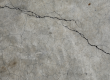
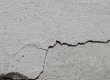
- Hairline shrinkage cracks in concrete: often cosmetic if they’re stable and narrow
- Vertical cracks in foundation walls: can be minor but need monitoring
- Diagonal or stair-step cracks in brick or block: often indicate differential settlement
- Horizontal cracks: more serious; can signal soil pressure or structural movement
A homeowner in Plano contacted us after noticing stair-step cracks in her brick veneer and a widening gap at a window corner. Our inspection revealed that one side of the foundation had settled more than an inch, partly due to poor drainage and tree roots. Using structural foundation repair specialists, we installed deep piers under the affected area and corrected the drainage. Only after stabilizing the structure did we address the visible cracks.
“Cosmetic repairs without structural stabilization are like repainting a car with a bent frame.” — Lead Foundation Engineer, Elite Foundation Repairs
Crack Repair Options
For concrete slabs and walls, epoxy foundation crack repair specialists may recommend:
- Epoxy injection for structural bonding
- Polyurethane injection for flexible, water-resistant sealing
- Carbon fiber reinforcement in high-stress areas
For crawl space and pier-and-beam homes, foundation crack repair services often go hand-in-hand with pier adjustments, joist repair, and moisture control.
Moisture Control, Encapsulation, and Ventilation: The Hidden Defenses
In Dallas, moisture is the silent destroyer of crawl spaces and foundations. Heavy storms followed by long dry spells create a cycle of swelling and shrinking soil, while trapped humidity under your home feeds mold and wood rot.
Modern crawl space encapsulation services and ventilation strategies are designed to break that cycle.
What Encapsulation Involves
A professional crawl space encapsulation contractor typically:
- Seals crawl space vents and gaps
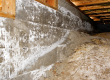
- Installs a heavy-duty vapor barrier over soil and piers
- Tapes and seals seams for a continuous barrier
- Adds dehumidification or controlled ventilation
- Coordinates with moisture control encapsulation systems and exterior drainage work
The result is full crawl space sealing and insulation that stabilizes humidity, protects wood framing, and supports long-term foundation health.
We recently encapsulated a crawl space in a Lake Highlands home where musty odors had been an issue for years. After installing a reinforced vapor barrier, sealing vents, and improving exterior drainage, humidity dropped from over 80% to a stable 55–60%. The homeowners reported fewer allergies and a noticeable improvement in indoor air quality.
“Up to 50% of the air you breathe on the first floor comes from your crawl space.” — Building Science Corporation
Traditional Venting vs. Modern Encapsulation
| Strategy | How It Works | Pros | Cons in Dallas Climate |
|---|---|---|---|
| Open Vent Crawl Space | Relies on outdoor air flow | Low cost, traditional | Hot, humid air increases moisture and mold risk |
| Partial Vapor Barrier Only | Plastic on soil, vents left open | Some moisture reduction | Limited effectiveness; humidity still high |
| Full Encapsulation + Control | Sealed space, vapor barrier, dehumidification | Best moisture control, energy benefits | Higher initial investment |
Encapsulation pairs best with moisture control crawl space repair and proper grading so water never accumulates under the home in the first place.
Drainage, Retaining Walls, and Soil Management Around Your Foundation
Many Dallas foundation problems start outside the house. Poor drainage, sloping yards, and improperly built retaining walls can funnel water right where you don’t want it—against your foundation and under your crawl space.
Why Drainage Matters in Dallas
Our intense thunderstorms can drop inches of rain in a single afternoon. If your yard slopes toward the house or downspouts discharge near the foundation, that water soaks into the clay soil, causing it to expand. When the soil dries, it shrinks and pulls away, creating voids that allow the foundation to settle.
Drainage correction may include:
- Regrading soil to slope away from the home
- Installing French drains or surface drains
- Extending downspouts and controlling roof runoff
- Integrating drains with retaining wall installation services
Retaining Walls as Structural Tools
In hilly areas like parts of Oak Cliff or along creeks and greenbelts, retaining walls aren’t just decorative—they’re structural. A properly engineered concrete retaining wall contractor can:
- Stabilize slopes and prevent erosion
- Redirect water away from foundations
- Create level building pads and outdoor spaces
We worked with a homeowner near White Rock Lake whose backyard sloped sharply toward the house. Each storm sent water rushing toward the crawl space vents. Our team designed a block retaining wall system with integrated drains and surface grading. The new decorative retaining wall construction not only improved the yard’s appearance but also dramatically reduced foundation movement and crawl space moisture.
Recognizing Early Warning Signs and Taking Action
Most serious foundation and crawl space issues start with subtle signs. Catching them early is the difference between a manageable repair and a major structural project.
Common Red Flags
- Doors or windows sticking or misaligned
- Cracks above doorways, windows, or along drywall seams
- Sloping, bouncy, or uneven floors
- Gaps between baseboards and floors
- Musty odors, especially after rain
- Visible cracks in brick, block, or foundation concrete
A small business owner in a converted craftsman office near Bishop Arts noticed that employees kept complaining about “wavy” floors. A quick walk-through confirmed noticeable slopes. Our inspection found deteriorated piers and long-term moisture in the crawl space. By bringing in a residential foundation repair contractor experienced in older structures, we stabilized the building, leveled floors, and improved air quality—allowing the business to operate safely and confidently.
“Foundation issues rarely fix themselves. They almost always get worse—and more expensive—over time.” — Elite Foundation Repairs
Practical Steps for Property Owners
- Walk your property after heavy rains and during dry spells
- Document changes with photos and notes
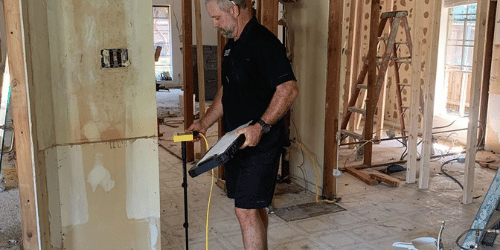
- Have a baseline professional inspection, even if issues seem minor
- Address water management (gutters, grading, drains) proactively
- Use qualified local foundation repair experts familiar with Dallas soils and building practices
What This Means for Businesses in Dallas, Texas
For Dallas businesses operating out of older homes, converted offices, or mixed-use buildings with crawl spaces, foundation and moisture issues can quickly become operational problems.
Sloping floors aren’t just uncomfortable—they can be ADA concerns. Cracks in walls and sticking doors can raise questions for clients and tenants about safety and professionalism. And persistent crawl space moisture can lead to indoor air quality issues that affect employees and customers.
Dallas’s economic growth has pushed more companies into adaptive reuse of older properties in areas like Deep Ellum, Oak Cliff, and East Dallas. That trend makes reliable professional foundation repair company support more important than ever.
Addressing foundation, crawl space, and crack issues together helps businesses:
- Protect their investment and property value
- Avoid unplanned closures due to major structural work
- Create safer, more comfortable environments for staff and clients
- Reduce the risk of costly emergency repairs after major storms
With the region’s boom-and-bust moisture cycles, ignoring early warning signs is a gamble. Partnering with a structural foundation repair specialists team that understands local conditions gives businesses a clear plan: assess, stabilize, correct moisture, and maintain.
Frequently Asked Questions
Q: How do I know if my foundation cracks are serious or just cosmetic?
A: Start by looking at the size, pattern, and behavior of the cracks. Hairline cracks in concrete that don’t change over time are often cosmetic, especially if they’re straight and vertical. Cracks that are wider than 1/8″, stair-step through brick, or run diagonally from window and door corners are more concerning. If you see multiple cracks appearing at once, or if doors and windows begin sticking at the same time, it’s time to call local foundation repair experts. A professional can measure movement, evaluate the structure, and recommend appropriate concrete foundation crack repair or structural solutions.
Q: My floors slope and feel bouncy. Is that a crawl space problem or a foundation problem?
A: In Dallas’s pier-and-beam homes, sloping or bouncy floors almost always point to crawl space issues that are tied to foundation support. The piers, beams, and joists that hold up your floor can be affected by soil movement, moisture, or wood rot. A crawl space structural repair company will inspect from below, checking the condition of joists, beams, and piers, as well as moisture levels. Often, the solution involves both structural adjustments—such as new piers or joist repairs—and moisture management to prevent the problem from returning.
Q: Do I really need crawl space encapsulation, or is ventilation enough in Dallas?
A: Traditional vented crawl spaces struggle in North Texas. Hot, humid air enters through vents and condenses on cooler surfaces, feeding mold and wood decay. While improved foundation ventilation can help in some cases, many Dallas homes benefit from vapor barrier crawl space encapsulation. Full encapsulation, paired with proper drainage and sometimes dehumidification, creates a controlled environment that protects structure and improves indoor air quality. A professional evaluation can determine whether targeted ventilation, partial measures, or full full crawl space sealing and insulation is the best fit for your property.
Q: How does drainage correction actually protect my foundation and crawl space?
A: Water is one of the biggest drivers of foundation movement in Dallas’s expansive soils. When water collects around your home, the clay swells; when it dries, it shrinks. This constant cycling stresses foundations and piers. Drainage correction solutions—such as regrading soil, adding French drains, and extending downspouts—keep water away from your foundation and crawl space. Combined with moisture control crawl space repair, good drainage helps stabilize soil moisture levels, reducing movement and prolonging the life of your structure.
Q: Are retaining walls just cosmetic, or do they affect foundation performance?
A: Retaining walls can be both functional and decorative, but their structural role is critical—especially on sloped lots. Poorly built or failing walls can allow soil to move downhill, increasing pressure on your foundation or exposing piers. A properly designed system from a concrete retaining wall contractor or block retaining wall installation specialist can manage soil loads, control erosion, and direct water away from your home. If you see bulging, leaning, or cracking in existing walls, it’s wise to consult about retaining wall repair and replacement before the problem worsens.
Q: How disruptive is professional foundation and crawl space repair to my home or business?
A: The level of disruption depends on the scope of work. Many residential foundation repair contractor projects are completed from the exterior and crawl space, allowing you to remain in the building. There will be some noise, vibration, and temporary access limitations. For interior pier work or extensive residential crawl space restoration, certain areas may need to be cleared or temporarily closed off. Reputable contractors plan work in phases, communicate clearly, and minimize impact on daily activities, especially for businesses that need to stay open.
Q: Is it better to wait until I see major damage before calling a foundation company?
A: Waiting almost always increases both risk and cost. Early intervention by a professional foundation repair company can stabilize minor issues before they become structural crises. Small adjustments, targeted basement and foundation crack sealing, and improved drainage are far more affordable than full pier systems and extensive structural replacement. In Dallas’s climate, where soil movement is constant, having baseline data and a relationship with local foundation repair experts gives you options instead of emergencies.
Ready to Get Started?
Foundation and crawl space problems rarely show up overnight; they build slowly until one day the crack, slope, or odor is impossible to ignore. Dallas’s expansive soils and intense weather patterns mean that doing nothing is, effectively, choosing more movement, more moisture, and more damage.
Addressing concerns now—before the peak of summer heat or the next storm cycle—puts you in control. A comprehensive evaluation from Elite Foundation Repairs will identify whether you need targeted crack repair, structural adjustments, crawl space encapsulation services, drainage correction, or a combination of solutions.
The next steps are straightforward:
- Schedule a professional inspection
- Review a clear, written repair plan and timeline
- Phase work as needed to match your budget and schedule
With years of experience in Dallas and surrounding communities, our team understands local soil conditions, building styles, and code requirements. We stand behind our work with strong warranties and a commitment to honest, transparent recommendations—no scare tactics, just solid engineering and craftsmanship.
About Elite Foundation Repairs
Elite Foundation Repairs is a Dallas-based structural and foundation specialist focused on protecting homes and businesses across North Texas. Our team combines decades of hands-on experience with proven engineering practices to deliver reliable foundation repair services, crawl space restoration and encapsulation, and retaining wall construction. From historic pier-and-beam homes to modern slab-on-grade structures, we provide thorough inspections, detailed repair plans, and attentive customer service. Learn more about our approach and services at Elite Foundation Repairs.