Foundation Repair Solutions for Bowing Walls and Floors
A homeowner in North Dallas calls in a panic: doors that used to close smoothly are now sticking, a hairline crack has crept across the living room wall, and the hardwood floor feels like it’s “dipping” in the middle. The house is only 20 years old, but the signs of foundation trouble are hard to ignore.
Scenarios like this are increasingly common across the Dallas–Fort Worth area. Expansive clay soils, wide temperature swings, and heavy storm events put enormous stress on foundations, walls, and floors. According to the Texas A&M AgriLife Extension, North Texas soils can expand and contract by several inches between wet and dry seasons—more than enough to bow walls, slope floors, and crack slabs.
This guide explains why walls and floors start to bow or buckle, what that means for the structural health of your property, and which foundation repair solutions are most effective in Dallas conditions. You’ll learn how professional inspections work, which repair methods actually last in our soil and climate, and how moisture control, drainage, and crawl space solutions all play a role in stabilizing your home or building.
Key Insight: Bowing walls and uneven floors are not cosmetic issues; they’re structural warning signs. Addressing them early with the right local expertise can prevent far more expensive damage down the road.
Why Walls Bow and Floors Slope in North Texas
Bowing walls and sloping floors almost always trace back to movement in the soil or moisture problems around and under your structure. In Dallas, both are common—and often happen together.
Soil and Weather: A Tough Combination
Our region sits on highly expansive clay. During wet periods, that clay swells and pushes against foundations and retaining walls. During drought, it contracts and can leave voids under slabs and piers. Over time, this expansion and contraction cycle can:
- Push exterior walls inward (bowing or leaning)
- Cause interior load-bearing walls to crack or shift
- Lead to floors that sink, sag, or slope noticeably
“Expansive clays are responsible for more damage to structures each year than floods, tornadoes, and hurricanes combined.” — American Society of Civil Engineers
On top of soil movement, poor drainage and plumbing leaks can saturate the ground next to your foundation. That adds lateral pressure on foundation walls and undermines interior supports, especially in older homes with crawl spaces.
Real Dallas Example
A homeowner in Lake Highlands noticed their dining room floor dipping toward one corner and a visible curve in the adjacent wall. An inspection found:
- Saturated soil on one side due to a misdirected downspout
- Early-stage bowing of a perimeter wall
- Joists in the crawl space beginning to deflect under uneven loads
Elite Foundation Repairs designed a plan that combined foundation repair services, targeted drainage correction, and reinforcing the affected joists. Within weeks, the floor was level again and the wall stabilized—without needing to rebuild the structure.
As we move into specific repair options, keep in mind that the right solution always starts with understanding the cause—soil, moisture, structural design, or a combination of all three.
Structural Foundation Repair Options for Bowing Walls
Bowing or leaning walls are a red flag for structural distress. In Dallas, these walls are often perimeter concrete or masonry walls that are either being pushed in by soil pressure or pulled out of alignment by differential settlement.
How Professionals Diagnose Bowing Walls
A reputable, professional foundation repair company will:
- Measure wall deflection with levels and laser tools
- Check for horizontal and stair-step cracks
- Evaluate drainage patterns and downspout locations
- Examine nearby trees and roots affecting the soil
These steps help determine whether the primary issue is lateral pressure, settlement, or both.
Common Repair Solutions
Structural foundation repair specialists may recommend:
- Wall anchors or tiebacks
Steel anchors installed in stable soil beyond the wall connect to interior plates, gradually pulling the wall back toward plumb and holding it in place.
- Carbon fiber reinforcement
High-strength strips epoxied to interior walls to resist further bowing. Ideal for early-stage movement where deflection is moderate.
- Pier systems
Steel or concrete piers driven or drilled to stable strata to support and sometimes lift the foundation, relieving stress on walls.
- Wall rebuild or partial reconstruction
In severe cases, a portion of the wall may need to be rebuilt with improved drainage and reinforcement.
“Repair methods should always be designed based on both soil conditions and structural loading, not just on visible cracks.” — Structural Engineer, PE
Dallas Case Study: Early Intervention Wins
In a Richardson home, a garage sidewall had bowed inward nearly an inch, with a long horizontal crack at mid-height. The homeowner assumed it was “just cosmetic.” During a real estate transaction, the inspector flagged it as a serious structural concern.
Elite Foundation Repairs installed a combination of wall anchors and piers, plus exterior drainage corrections. The wall was stabilized and partially straightened, preserving the structure and allowing the sale to move forward at full value.
CALLOUT: Addressing bowing walls early almost always costs less and preserves more of your original structure than waiting until the damage is severe.
For many properties, this structural work is paired with structural foundation repair specialists services that address both horizontal and vertical movement for a comprehensive fix.
Sloping, Sagging, and Bouncy Floors: Causes and Fixes
Uneven floors are one of the most common reasons Dallas homeowners call local foundation repair experts. While some slopes are caused by slab settlement, many issues originate in crawl spaces or under interior beams.
Why Floors Move
Common causes include:
- Settlement of support piers or interior beams
- Rot or damage to joists from moisture in crawl spaces
- Undersized or improperly spaced supports in older homes
- Soil washout around perimeter grade beams
In pier-and-beam homes, the crawl space is often where the real story is told. Moisture, poor ventilation, and aging wood combine to weaken the structural system that supports your floors.
Targeted Floor Leveling and Support
A residential foundation repair contractor will typically:
- Map floor elevations to identify low and high points
- Inspect beams, joists, and piers in the crawl space or under the slab
- Check for signs of wood rot, mold, and termite damage
From there, the repair plan may include:
- Installing new interior piers or shimming existing ones
- Sistering or replacing damaged beams and joists
- Using adjustable steel supports to fine-tune leveling
- Integrating sloping floor foundation repair solutions to restore safe, level surfaces
Real-World Example: East Dallas Bungalow
An older bungalow near White Rock Lake had a noticeably sloped living room and a “trampoline” feel in the hallway. The crawl space showed:
- Several undersized piers
- Moisture-damaged joists
- Poor ventilation, trapping humid air under the home
Elite Foundation Repairs installed new concrete piers, replaced compromised joists, and adjusted supports to level the floors. They also recommended crawl space moisture and ventilation upgrades to protect the repairs.
By approaching sloping floors as a structural issue, not just a cosmetic nuisance, you protect both your investment and your everyday comfort.
Crawl Space Moisture, Ventilation, and Encapsulation
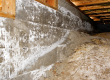
Many bowing wall and floor problems in Dallas start in the crawl space. Excess moisture can weaken structural members, attract pests, and accelerate settlement. That’s why crawl space repair services and moisture control are often part of a comprehensive foundation plan.
The Moisture Problem Under Your Feet
Common crawl space issues in North Texas include:
- Standing water after storms
- High humidity due to poor air circulation
- Condensation on ductwork and joists
- Mold growth and wood rot on beams and subflooring
These conditions can lead to sagging floors, musty odors inside the home, and even indoor air quality problems.
Solutions: Ventilation and Encapsulation
A professional crawl space repair contractor may recommend:
- Improved ventilation
Adding or upgrading vents, installing mechanical ventilation, or redirecting HVAC ducting to reduce humidity.
- Drainage and sump systems
Removing standing water and preventing future accumulation.
- Encapsulation systems
Sealing the crawl space with a heavy-duty vapor barrier on the ground and walls, sealing vents, and sometimes conditioning the space.
- Insulation upgrades
Installing appropriate insulation once moisture is controlled to improve comfort and energy efficiency.
“Properly installed encapsulation can reduce crawl space moisture by 50–70%, significantly extending the life of wood framing.” — Building Science Corporation
Dallas Example: Moisture-Control-Driven Structural Repair
In a Plano home, the owners noticed their hardwood floors cupping and a persistent musty smell. Inspection found:
- High humidity throughout the crawl space
- Early-stage wood rot on several joists
- Inadequate ventilation combined with poor exterior drainage
The team implemented a moisture control encapsulation system, including a vapor barrier and targeted ventilation improvements. Once the environment was stable, they completed the necessary structural repairs and leveling.
By integrating moisture control crawl space repair with structural work, the solution addressed both current damage and future risk.
CALLOUT: Crawl spaces don’t fix themselves. The longer moisture is allowed to linger, the more extensive (and expensive) structural repairs become.
Foundation and Wall Cracks: When Sealing Isn’t Enough
Not every crack means catastrophic failure, but every structural crack deserves a professional look. In Dallas, where soil movement is common, cracks in foundations, walls, and floors are often the first visible sign of trouble.
Types of Cracks and What They Mean
You might see:
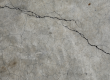
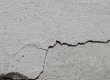
- Hairline shrinkage cracks in new concrete (often cosmetic)
- Vertical cracks from minor settlement
- Diagonal or stair-step cracks in brick or block walls
- Horizontal cracks in foundation walls (especially concerning)
The key is distinguishing between cosmetic and structural cracks. That’s where a structural crack repair contractor comes in.
Repair Approaches
Depending on the severity and cause, your contractor may recommend:
- Epoxy injection
A high-strength resin is injected into cracks to bond the concrete and restore structural continuity. Often used in epoxy foundation crack repair specialists applications.
- Polyurethane injection
Flexible foam injection to seal active leaks and accommodate minor movement.
- Reinforcement and underpinning
For serious cracks associated with settlement or bowing, concrete foundation crack repair is combined with piers, anchors, or other structural solutions.
- Exterior waterproofing and drainage
To relieve hydrostatic pressure and prevent water intrusion that can widen cracks over time.
“Crack repair without addressing the cause is like putting a bandage on a broken bone.” — Senior Foundation Engineer
Dallas Case Study: From Leak to Structural Fix
A North Dallas homeowner noticed water seeping through a crack in their foundation wall after heavy rains. A quick patch from a handyman stopped the leak temporarily, but within a year the crack widened and a horizontal crack developed nearby.
Elite Foundation Repairs performed a full assessment, installed exterior drainage improvements, used epoxy injection for structural bonding, and added reinforcement to the wall. The combination of foundation crack repair services and drainage correction created a long-term fix, rather than a temporary patch.
Drainage and Retaining Walls: Controlling the Soil Around Your Foundation
Even the best structural repair can be compromised if water and soil pressure aren’t controlled. In Dallas, where intense thunderstorms and long dry spells are both common, managing runoff and slope is critical.
Why Drainage Matters So Much Here
Poor drainage can:
- Saturate soil against foundation walls, increasing lateral pressure
- Cause erosion and washouts under slabs and piers
- Lead to standing water in crawl spaces and low-lying areas
- Accelerate movement in already unstable soils
That’s why many comprehensive repair plans in our area include drainage correction alongside structural work.
Retaining Walls as Structural Tools
On sloped lots or properties near creeks and ravines, retaining walls play a vital role in stabilizing soil. A properly designed and installed wall:
- Holds back soil and reduces pressure on your foundation
- Manages elevation changes safely
- Can be integrated into landscaping as a decorative feature
A concrete retaining wall contractor will assess soil type, drainage, and load before recommending:
- Concrete or block retaining wall installation
- Drainage features behind the wall (weeps, gravel, drain tile)
- Reinforced footings and tiebacks where needed
Traditional vs. Modern Approaches
Here’s how older methods compare to today’s best practices in Dallas:
| Aspect | Traditional Approach | Modern, Best-Practice Approach |
|---|---|---|
| Drainage handling | Surface grading only | Grading + French drains + downspout extensions |
| Retaining wall design | Minimal reinforcement, limited drainage | Engineered walls with geogrid and internal drainage |
| Crack treatment | Surface patching | Structural injection + cause-based correction |
| Soil movement management | Reactive, after visible damage | Proactive moisture and runoff control |
| Crawl space moisture | Vents only | Encapsulation + controlled ventilation |
Example: Sloped Lot in North Dallas
A home built on a sloping lot near a creek experienced repeated cracking in a side wall and patio. The underlying issue was soil movement from uncontrolled runoff. Elite Foundation Repairs implemented:
- New drainage correction to intercept and redirect water
- A reinforced retaining wall system
- Minor structural repairs to the affected foundation section
By controlling the soil and water around the structure, future movement was dramatically reduced.
CALLOUT: Retaining walls and drainage are not just landscaping features—they are structural tools that protect your foundation investment.
Choosing the Right Repair Strategy for Your Property
Every property in Dallas has its own combination of soil, age, design, and exposure. That’s why “one-size-fits-all” foundation solutions rarely deliver lasting results.
Key Factors in Your Repair Plan
A thoughtful repair strategy will consider:
- Type of foundation (slab, pier-and-beam, combination)
- Age and construction details of the building
- Soil conditions specific to your neighborhood
- Presence of crawl spaces, basements, or retaining walls
- Existing drainage patterns and landscaping
A local foundation repair expert who understands Dallas soils and building practices can tailor a plan that addresses immediate issues and long-term stability.
Cost vs. Value in Dallas
While every project is unique, it helps to think in terms of investment and return:
| Solution Type | Typical Use Case | Relative Cost (Dallas) | Long-Term Value |
|---|---|---|---|
| Crack sealing only | Minor, non-structural cracks | Low | Low–Moderate (if cause is minor) |
| Pier installation (select areas) | Localized settlement | Moderate | High when properly designed and installed |
| Full perimeter stabilization | Widespread movement | Higher | Very high; protects entire structure |
| Crawl space encapsulation + structural work | Moisture + sagging floors | Moderate–High | High; protects structure and indoor air |
| Retaining wall + drainage upgrades | Sloped or erosion-prone lots | Moderate–High | High; protects foundation and landscape |
Example: Phased Repair Plan in Dallas
A homeowner near Preston Hollow faced sloping floors, minor wall bowing, and drainage issues. Rather than tackling everything at once, Elite Foundation Repairs created a phased plan:
1. Address critical structural supports and safety concerns
2. Implement drainage improvements to stop ongoing soil movement
3. Upgrade crawl space moisture control
4. Complete cosmetic crack repairs after the structure stabilized
This approach balanced budget, urgency, and long-term performance.
What This Means for Businesses in Dallas, Texas
For property owners, managers, and investors in Dallas, bowing walls and sloping floors are more than a comfort issue—they’re a liability and asset-protection issue.
Commercial buildings, offices, and rental properties in our area often sit on the same expansive clays as residential homes. That means:
- Uneven floors can create trip hazards and ADA compliance concerns
- Visible cracks and wall movement can affect tenant confidence and occupancy
- Unaddressed structural issues can complicate refinancing or sale
- Insurance claims may be denied if maintenance has been neglected
Dallas’s competitive real estate market rewards buildings that are structurally sound and visually reassuring. Proactive foundation and crawl space structural repair can:
- Preserve property values in neighborhoods where buyers are foundation-savvy
- Reduce emergency repair costs by catching issues early
- Support long-term leasing strategies by minimizing disruption
From Uptown office spaces to warehouse properties in the Design District, the same principles apply: control moisture, stabilize soil, reinforce structures where needed, and work with a local team that understands Dallas-specific conditions.
By partnering with experienced local foundation repair experts, you can develop a plan that fits your budget and operational needs while protecting both your building and your bottom line.
Frequently Asked Questions
Q: My walls are bowing slightly and my floors are sloping, but the house “feels” stable. How urgent is this?
A: Even minor bowing and sloping can indicate active movement, especially in Dallas’s expansive soils. The urgency depends on how quickly things are changing and what’s causing the movement. A professional inspection will measure wall deflection and floor elevations, then assess soil and moisture conditions. If the movement is recent or ongoing, structural foundation repair specialists may recommend stabilizing supports or soil control sooner rather than later. Waiting can allow cracks to widen and framing to deform, which often leads to more invasive and expensive repairs later on.
Q: Can I just patch foundation and wall cracks myself instead of hiring a contractor?
A: DIY patching products can seal small, non-structural cracks, but they don’t address underlying causes such as soil movement or poor drainage. In North Texas, where seasonal soil shifts are common, cracks often return or worsen if only the surface is treated. A structural crack repair contractor can determine whether a crack is cosmetic or structural, and whether methods like epoxy injection, reinforcement, or piers are needed. This approach not only improves safety but also protects the value of your property when it comes time to sell or refinance.
Q: How do I know if my crawl space needs encapsulation or just better ventilation?
A: The decision between simple ventilation upgrades and full crawl space encapsulation services depends on moisture levels, existing damage, and your long-term goals. If you see standing water, heavy condensation, mold, or wood rot, encapsulation with a vapor barrier and controlled ventilation is often the most reliable fix. In drier crawl spaces with only mild humidity issues, targeted ventilation improvements and drainage corrections may be enough. A professional crawl space encapsulation contractor will measure humidity, look for damage, and explain the pros and cons of each option for your specific Dallas property.
Q: Are sloping floors always a sign of foundation failure?
A: Not always, but they do warrant investigation. In many older Dallas homes, sloping or bouncy floors originate in the crawl space from undersized or deteriorated beams and joists, not necessarily from perimeter foundation failure. Residential foundation repair contractors familiar with pier-and-beam systems can inspect supports, measure slopes, and determine whether the issue is structural framing, settlement, or both. Addressing the true cause—whether through new piers, sistered joists, or moisture control—will give you a more durable result than simply adding shims or cosmetic fixes.
Q: How do retaining walls help protect my foundation on a sloped Dallas lot?
A: On sloping sites, soil movement and erosion can place extra stress on your foundation. Properly designed retaining wall installation services hold back soil, manage elevation changes, and reduce lateral pressure on the structure. Modern retaining walls integrate drainage features, reinforcement, and sometimes tiebacks to handle Dallas’s intense rains and expansive soils. Whether you choose concrete, block, or decorative options, working with a concrete retaining wall contractor ensures the wall isn’t just attractive but also engineered to protect your building over the long term.
Q: How much disruption should I expect during foundation and crawl space repairs?
A: Disruption depends on the scope of work. Exterior pier installation and retaining wall construction typically involve yard access, some excavation, and construction noise during working hours. Crawl space structural repair and encapsulation usually require access through existing hatches, with crew members working under the home rather than inside living spaces. Reputable residential foundation repair contractors will explain what to expect, how long work will last, and any preparations you should make. Most projects allow you to remain in the home, with utilities functioning normally.
Q: Will foundation repair and crawl space work improve my home’s resale value in Dallas?
A: Quality structural and moisture control work is often a strong selling point in our market. Dallas buyers are aware of foundation risks and frequently request inspections. Documentation from a trusted crawl space structural repair company or foundation specialist can reassure buyers that issues have been professionally addressed. While cosmetic improvements help with first impressions, repairs that stabilize bowing walls, level floors, and control moisture tend to deliver more lasting value and can prevent price reductions or failed sales due to inspection concerns.
Ready to Get Started?
Bowing walls and sloping floors rarely get better on their own—especially in Dallas, where our clay soils and weather patterns constantly challenge foundations. Addressing these issues now can prevent minor concerns from turning into major structural problems, and can save you from costly emergency repairs or complicated real estate negotiations later.
The next step is simple: schedule a thorough evaluation with a team that understands local soil conditions, building practices, and moisture patterns. Elite Foundation Repairs will assess your walls, floors, crawl spaces, and drainage, then provide a clear, prioritized plan tailored to your property and budget. Whether you need targeted foundation repair services, crawl space solutions, or retaining wall and drainage upgrades, you’ll know exactly what’s recommended and why.
Elite’s crews work year-round, but the most convenient times to address drainage and structural issues are often before peak storm seasons and extreme heat. Booking early gives you more flexibility and helps ensure your property is protected before the next round of weather hits.
About Elite Foundation Repairs
Elite Foundation Repairs is a locally owned and operated foundation specialist serving Dallas, Texas, and surrounding communities. With years of experience on North Texas soils, the team focuses on structural stability, moisture control, and long-term performance for both residential and light commercial properties. From crawl space restoration and encapsulation to retaining walls and comprehensive foundation repair, Elite combines proven engineering principles with practical field experience to deliver durable solutions tailored to each property.