The first sign is rarely dramatic. Maybe the dining room floor in your 1950s Dallas bungalow feels a little softer than it used to. A faint musty odor lingers when the air conditioner kicks on. Doors that once closed smoothly now rub or swing open on their own. For many homeowners in older Dallas neighborhoods, these small annoyances are the earliest clues that something is going wrong in the crawl space – the hidden area that supports the entire house.
In older homes, crawl spaces were often built with different standards than we use today. Venting practices, moisture control, and structural supports were designed for a different era and a different climate expectation. Over time, North Texas soil movement, humidity, plumbing leaks, and simple aging can combine to create serious problems below the floor: sagging beams, rotted joists, mold growth, and pest damage. Crawl space repair solutions for older homes are not just about comfort; they are about preserving the structure and value of the house.
Elite Foundation Repairs, working throughout Dallas, Texas and surrounding communities, sees this pattern repeatedly: an older home with solid bones above, and a struggling, deteriorating crawl space below. The good news is that there are proven, modern solutions to stabilize, dry out, and protect these spaces. The key is understanding what is happening under your home and choosing the right combination of repairs, supports, and moisture management tailored to an older structure.
Why Older Homes Need Special Attention
Older crawl space homes in Dallas were often built on pier-and-beam foundations using materials and techniques that reflected the technology and building codes of their time. Wood beams and joists may be undersized by modern standards, masonry piers may lack proper footings, and ventilation was frequently based on the outdated idea that open vents alone could keep moisture under control. As the decades pass, these design choices can become liabilities, especially in the face of shifting clay soils and changing weather patterns.
Another challenge is that older homes typically have a long history of minor changes and repairs. Plumbing lines may have been rerouted, HVAC ducts added, and electrical wiring snaked through tight spaces. Each alteration can disturb soil, cut into framing, or leave behind small leaks and gaps. Over time, these small issues accumulate, leading to moisture intrusion, weakened supports, and uneven floor loads that the original foundation was never designed to handle.
North Texas soil conditions also play a major role. The expansive clay soils common in Dallas shrink and swell with changes in moisture content. While slab foundations show this movement through cracks in the concrete, pier-and-beam homes experience shifting piers, sinking beams, and twisted floor systems. For older crawl space homes, this means that even if everything was built correctly decades ago, the soil below may have moved enough to require modern stabilization and leveling solutions today.
Common Crawl Space Problems In Dallas
Most homeowners first notice crawl space problems through symptoms inside the house. Uneven or bouncy floors are among the most common signs. When support piers settle or wooden beams lose strength due to rot or insect damage, the floor system above begins to sag between supports. This can show up as sloping rooms, gaps between baseboards and flooring, or tiles cracking along subtle dips in the subfloor.
Moisture issues are another major concern in older crawl spaces. Dallas may not be as humid as the Gulf Coast, but the combination of seasonal rains, plumbing leaks, and poor drainage can allow water and damp air to linger below the home. Standing water, damp soil, or even just consistently high humidity can lead to wood rot, mold growth, and rust on metal components. The musty smell that some homeowners notice is often the first warning sign of a moisture problem under the house.
Pest activity frequently goes hand-in-hand with neglected crawl spaces. Termites, carpenter ants, rodents, and other pests are drawn to dark, damp, undisturbed areas. Over time, they can chew through wood, insulation, and ductwork, compounding structural and energy-efficiency problems. In older homes where gaps and openings are more common, pest pathways are easier to find, making proactive crawl space repair and sealing an important part of long-term protection.
Structural Repair And Reinforcement Options
When Elite Foundation Repairs evaluates an older crawl space, one of the first priorities is determining how well the structure is being supported. If piers have settled, beams have cracked, or joists are undersized or damaged, structural repairs are necessary to restore level floors and prevent further deterioration. This often begins with installing new support piers in strategic locations under sagging areas, using properly sized concrete or steel supports that bear on stable soil.
In many older Dallas homes, the original beams and joists may still be present but weakened. In these cases, reinforcement is often more practical than full replacement. Techniques include sistering new lumber alongside existing joists, adding steel brackets or plates to strengthen connections, and installing adjustable steel support posts (also called crawl space jacks) under key load points. These systems allow technicians to carefully lift and level floors over time, reducing stress on the structure while bringing rooms back to a more even condition.
It is important to recognize that structural repair in older homes is as much an art as it is a science. The goal is not always to make floors perfectly level, especially if that would cause damage to brittle finishes or historic materials. Instead, Elite Foundation Repairs focuses on stabilizing the structure, reducing excessive slopes, and preventing further movement. This tailored approach respects the age and character of the home while still delivering meaningful improvements in safety and comfort.
Moisture Control, Encapsulation, And Drainage
While structural repairs address the load-bearing elements of the crawl space, moisture control is what protects those repairs and the rest of the home over the long term. Older crawl spaces often lack any kind of vapor barrier, allowing ground moisture to evaporate freely into the space. This constant source of damp air feeds mold growth and slowly degrades wooden components. Installing a durable plastic vapor barrier across the crawl space floor is a foundational step in modern repair strategies, dramatically reducing moisture rising from the soil.
For homes with persistent humidity or water intrusion, full crawl space encapsulation may be recommended. Encapsulation involves sealing vents, lining walls and floors with a continuous vapor barrier, and often adding a dehumidifier designed for crawl spaces. In Dallas, where temperature and humidity can swing widely throughout the year, encapsulation helps create a more stable environment under the home, improving indoor air quality and reducing the workload on HVAC systems. It also adds a layer of protection against pests, since sealed spaces are harder for insects and rodents to access.
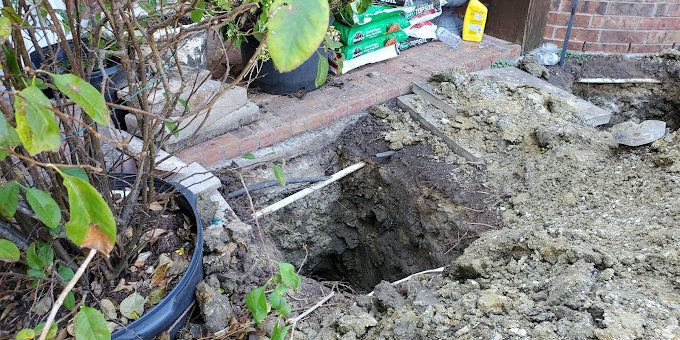
Of course, moisture control must address water entry from outside as well. Poor grading, clogged gutters, and inadequate drainage can direct rainwater toward the foundation instead of away from it. Many crawl space projects in older homes include exterior improvements such as regrading soil, extending downspouts, or installing French drains and other water-management systems. Solutions like professional Drainage Correction help keep water from accumulating around and beneath the home, reducing the risk of both structural movement and chronic dampness.
Insulation, Ventilation, And Indoor Comfort
Once structural and moisture issues are addressed, attention often turns to energy efficiency and comfort. In many older Dallas homes, crawl space insulation is either missing, outdated, or damaged by moisture and pests. Fiberglass batts hanging from the subfloor, for example, are a common sight – and a clear sign that the insulation is no longer doing its job. Replacing this with properly installed insulation, whether on the subfloor or along the crawl space walls (depending on the chosen design), can significantly reduce drafts and improve temperature consistency inside the home.
Ventilation strategies for crawl spaces have evolved over time. Traditional wisdom favored open vents to the exterior, under the assumption that outside air would dry the space. In practice, especially in humid or rainy conditions, these vents can actually bring in more moisture than they remove. Modern approaches often rely on controlled ventilation – either through encapsulation and mechanical dehumidification or through carefully designed venting combined with moisture barriers. Elite Foundation Repairs evaluates each older home individually to determine which approach will best balance moisture control and air exchange.
Improved crawl space conditions can have a noticeable impact on day-to-day living. Floors feel more solid and less drafty, indoor air smells fresher, and HVAC systems run more efficiently because they are no longer fighting temperature extremes and high humidity rising from below. For homeowners planning to stay in their older Dallas home long-term, these comfort improvements are often just as valuable as the structural benefits, turning a once-neglected crawl space into a clean, dry, and stable part of the building envelope.
Planning A Crawl Space Repair Project
For many homeowners, the idea of crawl space repair feels overwhelming simply because the space is out of sight and difficult to access. The first step is a thorough inspection by a qualified foundation and crawl space specialist familiar with older homes in Dallas. During this assessment, professionals from Elite Foundation Repairs will document existing conditions, measure floor variations, check moisture levels, and identify both structural and environmental issues. Photos and clear explanations help homeowners understand what is happening beneath their floors.
Based on this evaluation, a repair plan is developed that prioritizes safety and long-term performance. In some cases, immediate structural stabilization is the top priority, with moisture and insulation improvements following soon after. In other situations, addressing standing water and humidity may come first to prevent further damage before lifting or reinforcing floors. A well-structured plan will clearly outline the sequence of work, the materials to be used, and the expected impact on the home’s interior.
Budget is always a consideration, particularly for owners of older homes who may be balancing multiple renovation needs. One advantage of working with an experienced company is the ability to phase repairs logically, tackling the most critical issues first while planning for future upgrades. Elite Foundation Repairs can help homeowners in Dallas weigh the costs and benefits of various options – such as partial versus full encapsulation, or targeted versus comprehensive structural reinforcement – so that each dollar invested delivers meaningful, lasting value.
Frequently Asked Questions
How do I know if my older home’s crawl space needs repair? Common signs include uneven or bouncy floors, doors that stick or won’t latch, cracks in interior walls or tile, musty odors, and higher-than-normal humidity inside the home. You may also notice cold floors in winter or see evidence of pests. Because many crawl space issues develop gradually, it is wise to schedule a professional inspection if your home is more than a few decades old and has not had its crawl space evaluated recently, especially in Dallas where soil movement and seasonal moisture can accelerate problems.
Is crawl space encapsulation necessary for every older home? Not every older home requires full encapsulation, but many benefit from some level of moisture control upgrade. Encapsulation is most appropriate when there is persistent humidity, recurring mold, or difficulty keeping the crawl space dry with simpler measures. In other cases, installing a ground vapor barrier, improving drainage, and making targeted ventilation adjustments may be sufficient. An inspection by Elite Foundation Repairs can help determine whether encapsulation is the best investment or if a more limited approach will effectively protect your specific home.
Will crawl space repairs disrupt life inside my home? Most crawl space repairs are performed from outside or through existing access points, which means the majority of work happens under the house rather than inside your living spaces. You may notice some noise and activity, and in some cases furniture may need to be moved slightly if floor leveling is involved, but homeowners can usually remain in the house during the project. Elite Foundation Repairs works to minimize disruption by planning access routes, protecting landscaping where possible, and communicating clearly about what to expect each day.
How long do crawl space repair solutions last? The lifespan of crawl space repairs depends on the quality of materials used, the thoroughness of the solution, and ongoing conditions around the home. Properly installed support piers, steel posts, and reinforced beams are designed to provide decades of service. Moisture control systems, such as vapor barriers and dehumidifiers, can also last many years when maintained appropriately. Addressing exterior drainage and grading further extends the life of the repairs. In Dallas, where soil and weather can be challenging, choosing a contractor like Elite Foundation Repairs that understands local conditions helps ensure your investment is durable and effective.
Is it worth repairing the crawl space in an older home I might sell? Addressing crawl space issues before selling can be a smart decision. Foundation and moisture problems commonly appear on inspection reports and can scare off buyers or lead to last-minute price reductions. By repairing and stabilizing the crawl space in advance, you not only protect your home while you still live there, but you also present a stronger, more marketable property when it is time to sell. Documented repairs from a reputable Dallas company like Elite Foundation Repairs can provide peace of mind to potential buyers and help the transaction move more smoothly.