It often starts as something you barely notice. You’re carrying a box into the garage or sweeping the floor when your eye catches a thin line running across the concrete. You tell yourself it’s probably nothing—just a harmless hairline crack from the house “settling.” Weeks pass, then months, and one day you realize that same little crack is wider, longer, maybe even stair-stepping up the wall. Doors nearby start sticking. A faint draft appears by the baseboard. That’s the moment many Dallas homeowners realize this isn’t just cosmetic anymore.
The hard part is knowing when a foundation crack is a minor nuisance and when it’s a warning sign that demands professional attention. In North Texas, where soil shifts with every season and storms can dump inches of rain in a single afternoon, ignoring the wrong crack can be an expensive mistake. Calling in experts like Elite Foundation Repairs at the right time can mean the difference between a straightforward fix and a major structural overhaul. Understanding how to read the signs—and when to stop watching and start acting—is one of the most valuable pieces of homeowner knowledge you can have.
This guide walks through how to evaluate foundation cracks, what’s normal in the Dallas area, and the specific situations where you should put down the caulk gun and pick up the phone. We’ll also look at what professional contractors actually do when they inspect and repair cracks, so you know what to expect and how to protect your home for the long term.
Why Dallas Homes Crack
To understand when to call experts, you first need to know why foundation cracks happen so often in Dallas in the first place. Much of North Texas sits on expansive clay soils that swell when they absorb moisture and shrink dramatically when they dry out. This constant movement acts like a slow-motion tug-of-war on your home’s foundation. During wet seasons, the soil pushes upward; during droughts, it pulls away and settles. Over years, this repeated expansion and contraction can create significant stress on slab and pier-and-beam foundations.
Weather patterns add another layer of complexity. Dallas is known for intense summer heat, sudden storms, and periods of prolonged drought. One year might bring heavy spring rains that saturate the ground, followed by a brutally dry summer that bakes the soil and pulls moisture out from under the slab. These swings don’t just cause surface-level issues like dry lawns and shifting patios; they directly affect the stability of your foundation and increase the likelihood of cracking.
Construction practices and neighborhood development also play a role. Many homes in the Dallas area were built quickly during growth booms, sometimes with minimal attention to long-term soil management. If your lot wasn’t properly graded, or if drainage wasn’t carefully planned, water may be pooling in certain areas and creating uneven pressure on the foundation. Over time, that uneven pressure translates into stress points where cracks are most likely to form and widen.
Finally, changes you make to the property can unintentionally contribute to cracking. Adding a pool, installing large trees too close to the structure, or modifying drainage with new landscaping or hardscaping can all shift how water moves around your home. Elite Foundation Repairs often sees foundations that were stable for years become problematic after a big outdoor project changed the way the soil behaves. That’s why understanding the local environment and how your home interacts with it is crucial.
Types Of Cracks And What They Mean
Not all cracks are created equal, and one of the biggest mistakes homeowners make is treating them all the same. Hairline cracks in a slab or mortar joint can be perfectly normal and may not require more than simple monitoring. On the other hand, wide, jagged, or stair-step cracks can signal serious structural movement. Learning to distinguish between these categories helps you decide when it’s safe to watch and when you need professionals like Elite Foundation Repairs to step in.
Hairline cracks, usually less than 1/16 of an inch wide, are common in concrete slabs as they cure and age. These are often straight or gently curved and don’t show signs of displacement, such as one side being higher than the other. In many Dallas homes, these minor cracks don’t indicate structural failure and can sometimes be sealed for cosmetic or moisture-control reasons. However, even hairline cracks deserve occasional checks, especially in an area known for shifting soils.
Horizontal and diagonal cracks deserve more attention. A horizontal crack along a foundation wall, especially in a crawlspace or basement, can indicate soil pressure pushing inward. Diagonal cracks that angle from windows or door frames down toward the foundation can signal differential settlement—where one part of the home is dropping relative to another. Stair-step cracks in brick or block masonry are a classic sign of movement and should never be dismissed as purely cosmetic, particularly if they’re widening over time.
Vertical cracks can be more nuanced. Some vertical cracks in poured concrete are shrinkage-related and relatively harmless, but wide vertical cracks that show movement, water intrusion, or alignment issues with nearby doors and windows are red flags. When you see any crack that continues to grow, catches a fingernail easily, or is wide enough to insert a coin, it’s time to consider professional evaluation. Relying solely on appearance can be misleading, which is why expert assessment is so valuable.
Warning Signs Beyond The Crack
One of the most important things to understand is that foundation issues rarely show up as cracks alone. Your house will often send multiple signals that something is shifting, and those signals may appear far from the visible crack. Paying attention to these clues can help you decide when the situation has moved from cosmetic concern to structural risk that warrants expert help from a Dallas-based company like Elite Foundation Repairs.
Interior doors and windows are often the first to tell you something is wrong. If doors that once closed easily now stick, drag, or no longer latch properly, that can be a sign the frame has become out of square due to movement below. Windows that are suddenly hard to open or that develop gaps where air or light is visible around the edges are also concerning. While humidity and minor wood expansion can cause similar issues, when these problems appear in combination with foundation cracks, they point strongly toward settlement.
Flooring changes are another major indicator. You might notice sloping floors, tiles that crack or pop loose, or gaps appearing between baseboards and the floor. In pier-and-beam homes common in older Dallas neighborhoods, soft spots or noticeable bounce in the floor can mean the supports below have shifted. In slab homes, carpet ripples, separated laminate joints, or uneven hardwoods can all be signs that the underlying slab is no longer level.
Exterior signs should not be ignored either. Brick separation at corners, gaps between the brick and window frames, or visible separation where the chimney meets the house can all mean the structure is pulling apart as the foundation moves. If you see both visible cracking and these secondary symptoms, you’re well past the point of simple DIY monitoring. In that situation, calling experts allows you to catch the problem before it escalates into major structural damage.
When DIY Stops Being Safe
Many Dallas homeowners are resourceful and handy, and it’s tempting to respond to foundation cracks with a tube of sealant or some quick patching compound. For very minor, stable cracks, that may be fine for appearance or to reduce moisture intrusion. However, there is a clear line where DIY no longer makes sense and can actually hide developing problems. Knowing where that line sits is critical if you want to protect your home instead of just covering up symptoms.
If a crack is wider than about 1/8 of an inch, has changed noticeably in a matter of months, or appears in conjunction with sticking doors, sloping floors, or wall separation, it is not a candidate for casual patching. Surface repairs in these cases do nothing to address the underlying movement and can make it harder for professionals to track changes later. Elite Foundation Repairs often uncovers layers of cosmetic fixes applied over the years while the structural issue quietly worsened underneath.
DIY approaches also fall short when moisture is involved. Cracks that allow water seepage, even in small amounts, can lead to mold growth, wood rot, and further soil movement under the foundation. Simply filling these cracks with hardware-store materials may trap moisture where you can’t see it or fail completely the next time the slab shifts slightly. Professional-grade products and techniques are designed to move with the structure and keep water out more reliably.
Another limitation of DIY is the lack of diagnostic tools. Homeowners can see what’s on the surface, but they typically don’t have the equipment or experience to measure slab elevations, identify soil conditions, or determine whether movement is ongoing or has stabilized. That’s where a professional evaluation becomes far more valuable than a quick patch. When in doubt, especially in a high-risk soil environment like Dallas, it is safer and usually cheaper in the long run to get an expert opinion before attempting your own repairs.
How Professionals Evaluate And Repair
When you call a company like Elite Foundation Repairs, the process begins with a thorough evaluation rather than immediate repair. A trained technician will walk the interior and exterior of your home, looking at cracks, doors, windows, and any other signs of movement. They will ask about the history of the home, when you first noticed issues, and whether there have been changes to drainage, landscaping, or nearby construction. This context helps them distinguish between old, stable issues and active movement that needs urgent attention.
In many cases, professionals will take elevation readings throughout the home using specialized equipment. These measurements create a map of how level—or uneven—the slab or floor system is. Instead of guessing based on visual impressions, they can see precisely where the structure has dropped or heaved. This data is crucial for designing an effective repair plan, ensuring that piers or other supports are placed exactly where they’re needed to re-stabilize the foundation.
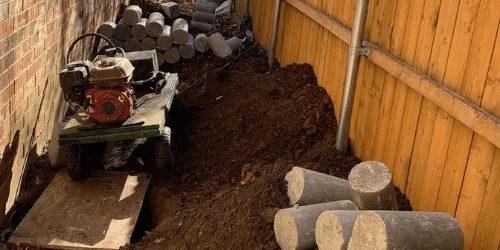
Depending on the severity and type of problem, repair methods may include installing piers under the foundation, using helical piles, or reinforcing existing supports in pier-and-beam homes. Once the foundation is stabilized and, in some cases, gently lifted back toward its original position, cracks can be addressed in a way that is far more permanent than surface patching alone. This might involve epoxy injection, structural crack repair techniques, or masonry restoration for brick and block walls.
Reputable contractors also look beyond the immediate crack to address contributing factors. They may recommend drainage improvements, such as extending downspouts, regrading soil, or adding surface drains to move water away from the foundation. In a climate like Dallas, controlling moisture around the home is just as important as reinforcing the structure itself. By combining structural repair with preventative measures, experts help reduce the chances of new cracks forming in the future.
Timing, Costs, And Long-Term Protection
One of the most common questions homeowners have is, “How long can I wait before I have to deal with this?” Unfortunately, foundation problems rarely improve on their own. In fact, the longer you wait once serious signs appear, the more extensive and costly the repairs can become. Cracks that might have been stabilized with a limited number of piers can, over time, evolve into a whole-house issue requiring far more intervention.
From a cost perspective, early action is almost always the smarter financial move. Catching foundation issues when they are localized to one corner or one wall typically means fewer supports, less disruption, and a shorter project timeline. Waiting until multiple areas have dropped, interior finishes are badly damaged, and exterior brick has separated significantly can multiply both repair costs and collateral damage to flooring, drywall, and trim.
There is also a resale factor to consider. In a competitive market like Dallas, buyers are increasingly savvy about foundation concerns. Documented professional evaluation and repair from a company such as Elite Foundation Repairs can actually reassure buyers, especially when accompanied by a transferable warranty. By contrast, a home with visible cracks, sticking doors, and no repair history often raises red flags and can lead to lower offers or failed sales.
Long-term protection doesn’t end with the repair itself. Maintaining stable moisture levels around the foundation, monitoring new or existing cracks seasonally, and addressing drainage problems promptly are all part of a smart homeowner strategy. Partnering with a trusted local expert gives you a resource to call when new concerns arise and ensures that any changes are evaluated in the context of your home’s history and the unique soil conditions of your neighborhood.
Frequently Asked Questions
How do I know if a foundation crack is serious enough to call an expert? Pay attention to size, pattern, and accompanying symptoms. Cracks wider than 1/8 inch, stair-step patterns in brick, or any crack that is growing over time should be evaluated. If you also notice sticking doors or windows, sloping floors, gaps around window frames, or separation where walls meet ceilings, those are strong indicators of structural movement. In the Dallas area, where soil movement is common, it’s wise to have a professional assessment from a company like Elite Foundation Repairs as soon as multiple signs appear together.
Can I just seal the crack myself and see what happens? You can sometimes seal very small, stable hairline cracks for cosmetic reasons, but this should never replace a proper evaluation if other warning signs are present. DIY sealants do not stop foundation movement; they only hide surface evidence. In some cases, covering cracks makes it harder to track progression and can delay necessary repairs. If you’re unsure whether a crack is stable, it’s safer to get a professional opinion before applying any patches or fillers.
Will foundation crack repair disrupt my daily life? The level of disruption depends on the scope of the repair. Many foundation repairs in Dallas are completed from the exterior, with crews working around the perimeter of the home to install piers or supports. You can usually remain in your home during the work. There may be some noise, vibration, and temporary access limitations around certain areas, but reputable contractors work to minimize inconvenience. Elite Foundation Repairs, for example, will explain the process clearly beforehand so you know what to expect and how long it will take.
Is it normal for new cracks to appear after foundation repair? After the foundation is stabilized and, in some cases, lifted, the structure may experience minor cosmetic changes as it settles into its new position. Small hairline cracks in drywall or minor shifts in existing cracks can occur. However, you should not see significant new structural cracks, ongoing widening, or worsening symptoms like increasing floor slopes. If you do, it’s important to contact your foundation repair company promptly so they can re-evaluate and address any issues under warranty.
What can I do to prevent future foundation cracks in Dallas? Prevention centers on managing moisture and drainage. Keep gutters clean and ensure downspouts discharge water well away from the foundation. Avoid allowing water to pool near the home after storms; regrade soil if necessary to promote runoff. In prolonged dry periods, some homeowners use controlled watering around the foundation to reduce extreme soil shrinkage, but this should be done carefully to avoid over-saturation. Regularly inspect your home for early signs of movement and address landscaping or hardscaping changes with foundation health in mind. For specific recommendations tailored to your property, scheduling an evaluation with a local expert such as Elite Foundation Repairs is a smart step, and you can learn more about related services here: Foundation Repair.