The first sign usually doesn’t feel like a “foundation problem” at all. Maybe you notice a hairline crack tracing its way from the corner of a window in your Dallas living room. Or a bedroom door that always used to close smoothly now sticks just enough that you have to lean into it. It’s easy to shrug it off as an old-house quirk or blame it on the Texas heat. But in North Texas, where expansive clay soils constantly swell and shrink, those small annoyances can be the earliest warnings that your foundation is starting to shift.
Spotting these warning signs early is not about panic; it’s about prevention. Foundation damage rarely appears overnight. It develops gradually as soil movement, poor drainage, and seasonal moisture changes place uneven pressure on your home’s slab or pier-and-beam foundation. The earlier you notice and investigate those subtle changes, the more options you have for cost-effective repairs. For homeowners in Dallas and the surrounding areas, understanding what to look for – and when to call in a professional like Elite Foundation Repairs – can be the difference between a manageable fix and a major structural project.
Instead of waiting until you see dramatic cracks or feel your floors sloping, you can learn to read your home’s “body language.” Doors, windows, walls, brick, and even your landscaping give clues long before major damage appears. This article walks through those clues in detail, explains why Dallas homes are especially vulnerable, and shows how early detection and timely foundation repair protect your biggest investment.
Why Dallas Homes Are Vulnerable
Dallas sits on some of the most problematic soils in the country. Much of North Texas is built on expansive clay, a type of soil that swells significantly when it absorbs moisture and shrinks when it dries out. During wet periods, the soil can push upward on your foundation; during drought, it contracts and leaves voids beneath the structure. This constant expansion and contraction places ongoing stress on every part of your home, from the slab to the roofline.
The region’s climate makes this even more challenging. Dallas experiences intense summer heat, long dry spells, and then sudden heavy rains. That rapid swing from very dry to very wet creates dramatic soil movement in a short time. If drainage around your home isn’t ideal, water can collect near the foundation, softening the soil and causing differential settlement – where one part of the foundation moves more than another. Over time, this uneven movement can crack concrete, twist framing, and misalign doors and windows.
Construction styles in Dallas also play a role. Many homes sit on slab-on-grade foundations, which rest directly on the soil. Others use pier-and-beam systems with crawlspaces. Each type responds differently to soil movement, but both can be vulnerable if not properly designed, maintained, and supported. Elite Foundation Repairs works with both styles throughout the Dallas metro area, and the same theme appears again and again: the homeowners who recognized small warning signs and sought help early almost always faced simpler, less expensive repairs than those who waited.
Urban development further complicates things. As neighborhoods grow, trees are removed, new drainage patterns are created, and nearby construction can alter how water flows across your property. Even changes on a neighboring lot can impact the moisture balance under your home. Understanding this local context helps explain why vigilance is so important for Dallas homeowners, and why routine checks for foundation warning signs should be part of your regular home maintenance.
Cracks That Should Concern You
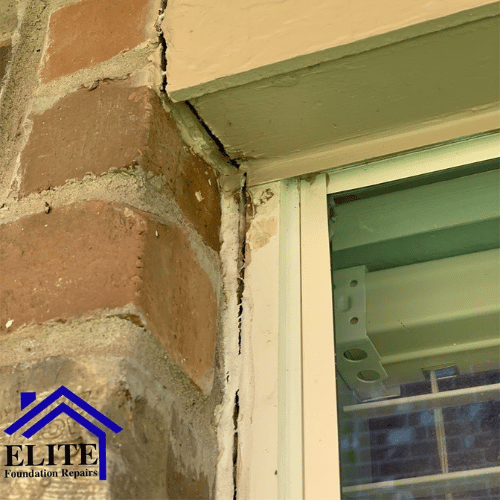
Not every crack is a crisis, but some deserve immediate attention. Hairline cracks in drywall are common in any house and often just cosmetic. However, in Dallas, where soil movement is a constant, you should pay close attention to new cracks that appear suddenly or existing ones that grow wider over time. Vertical or diagonal cracks that extend from the corners of doors and windows are especially telling, because these areas are already structural weak points and react quickly to foundation movement.
In brick or stone exteriors, stair-step cracks following the mortar joints are classic signs of foundation stress. When the underlying foundation shifts, the rigid masonry can’t flex, so it fractures along the path of least resistance. If you notice cracks where the brick meets windows, doors, or the garage opening, that can indicate the frame is moving out of square. Horizontal cracks in brick, particularly when combined with bulging or bowing, may signal more serious structural concerns that should be evaluated promptly.
Inside the home, pay attention to cracks that are wider than about 1/8 inch, cracks that are offset (one side higher than the other), or cracks that reappear after you’ve repaired and repainted them. Ceiling cracks that run across multiple rooms or follow the line where walls meet the ceiling may indicate that the structure is flexing rather than simply settling. Elite Foundation Repairs often uses these interior crack patterns, along with precise elevation measurements, to map how and where a foundation is moving.
It’s also helpful to document what you see. Take dated photos of any concerning cracks and measure their width with a simple ruler or gauge. Over a few months, you can see whether they are stable or progressing. If you notice consistent widening or new cracks forming nearby, that’s a strong signal to have a professional assessment done. Early documentation can also be useful if you eventually need to show an insurance company, buyer, or engineer the history of the issue.
Doors, Windows, And Floors As Clues
While cracks often grab attention first, your doors, windows, and floors may actually be the most practical early-warning system. When a foundation shifts, the frame of the house warps ever so slightly. Openings that used to be perfectly square become subtly out of alignment, and everyday operations start to feel “off.” A door that rubs at the top corner, a latch that no longer lines up, or a window that suddenly sticks halfway up can all be early indicators of foundation movement.
Walk through your home and notice patterns. Are multiple doors on one side of the house sticking or failing to latch? Are window frames separating from the surrounding drywall or trim? Do you see light around the edges of exterior doors where the seal used to be tight? These are not just annoyances; they can point toward one section of the foundation settling more than the rest. Elite Foundation Repairs often hears homeowners say, “It’s just that one door,” only to discover a broader pattern when the home is evaluated as a whole.
Floors tell their own story. In a slab-on-grade home, you might feel a subtle slope when you walk from one room to another, or notice that furniture no longer sits level. In pier-and-beam homes, you may feel soft spots, sagging, or bouncing in certain areas. Tile floors that begin to crack, grout lines that separate, or wood floors that gap and cup can also be signs of movement below. Sometimes homeowners first notice the issue when a ball rolled on the floor always finds its way to the same corner of the room.
Use simple tools to check your suspicions. A marble or small ball can reveal sloping floors. A carpenter’s level placed along thresholds and across rooms can show whether things are truly out of level or just feel that way. While a slight slope in an older home may not require immediate action, changes over a short period – months instead of decades – are more concerning. When those changes line up with other signs, it’s time for a professional foundation evaluation.
Exterior Warning Signs Around The Home
The outside of your property often reveals foundation issues before the interior does. Start with the visible connection between your home and the ground. Do you see gaps forming between the soil and the foundation slab? Are there areas where the concrete is exposed more than before, or where the ground appears to have pulled away during a dry spell and never fully returned after rain? These signs can indicate that the soil is no longer supporting the foundation evenly.
Look closely at your foundation itself, if it is visible. Vertical cracks in the concrete, flaking, or chipping can point to stress. While tiny hairline cracks from curing are normal, wider cracks or those that change over time are more serious. Also inspect where the foundation meets exterior walls. Separation between brick and the foundation, or gaps at the base of siding, can signal movement. On pier-and-beam homes, look for leaning piers, shifted beams, or rotting wood in the crawlspace, especially after heavy rains.
Your yard and hardscaping can also provide clues. Retaining walls that lean or bulge, patios that tilt toward the house, or driveways that crack and settle unevenly near the foundation may indicate underlying soil movement. Trees can be both friend and foe: large roots can disturb soil and draw out moisture, while missing trees can change the moisture balance dramatically. In Dallas, where droughts are followed by heavy storms, these landscaping factors amplify foundation stress if not managed carefully.
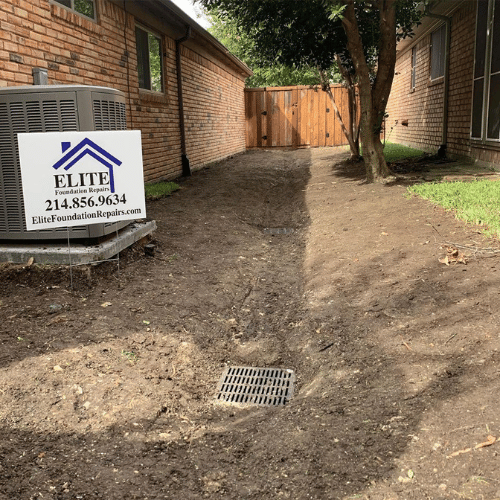
Drainage is one of the most critical – and most overlooked – aspects of foundation health. Water should always flow away from your home, not toward it. Check that gutters are clean, downspouts discharge well away from the foundation, and the soil slopes gently away on all sides. Standing water after a rainstorm, erosion channels, or soggy areas against the house are red flags. Addressing drainage issues early, often with professional help such as Drainage Correction, can significantly reduce the risk of future foundation damage.
When To Call A Professional
Not every crack or sticky door justifies immediate foundation repair, but it’s rarely a bad idea to get an expert opinion. The challenge for most homeowners is knowing when to shift from “watchful waiting” to proactive action. As a general rule, if you see multiple warning signs appearing together – such as new cracks, sticking doors, and visible exterior gaps – it’s time to schedule a professional foundation inspection. In Dallas, where conditions can change quickly, erring on the side of caution is wise.
Elite Foundation Repairs offers evaluations that go far beyond a quick walk-through. A proper assessment includes measuring floor elevations, examining the perimeter foundation, checking for moisture and drainage issues, and documenting structural changes. This holistic approach helps distinguish between normal, long-term settling and active, ongoing movement that requires intervention. It also provides a baseline, so you can compare future measurements and see whether the situation is stable or progressing.
Another factor in deciding when to call a professional is your long-term plans for the home. If you’re considering selling in the next few years, unresolved foundation issues can complicate the transaction, lower offers, or cause deals to fall through. Addressing problems early – or at least having a professional report documenting the condition – can give you leverage and peace of mind. Buyers in Dallas are increasingly aware of foundation risks, and having Elite Foundation Repairs’ name on a report or repair warranty can reassure them.
Finally, consider your comfort level. If you find yourself worrying about cracks, checking doors repeatedly, or wondering whether things are getting worse, that anxiety has a cost. A professional evaluation provides clarity. Sometimes the conclusion is that no repair is needed yet, only monitoring and improved maintenance. Other times, limited, targeted repairs can stop progression and protect the structure. Either way, you gain information instead of relying on guesswork.
How Early Repairs Protect Your Investment
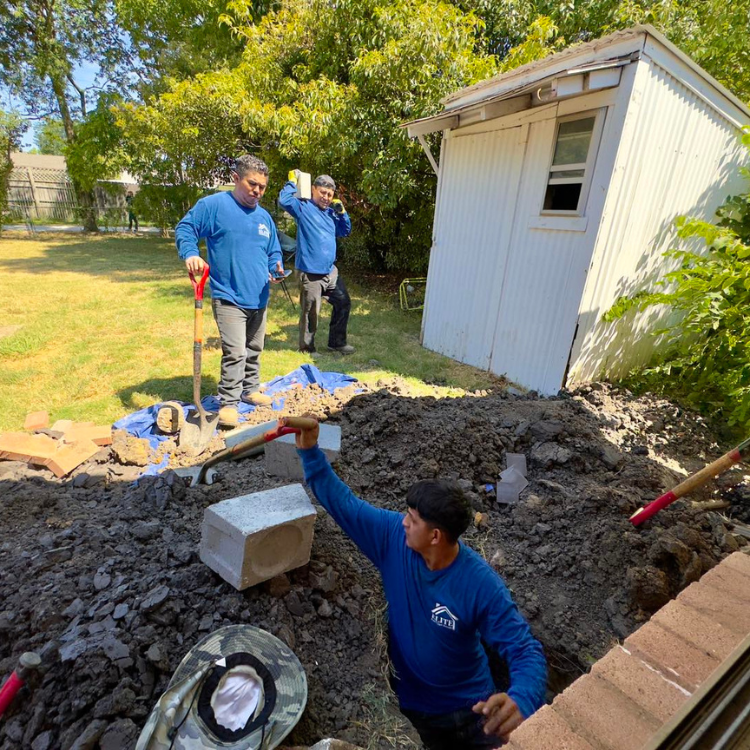
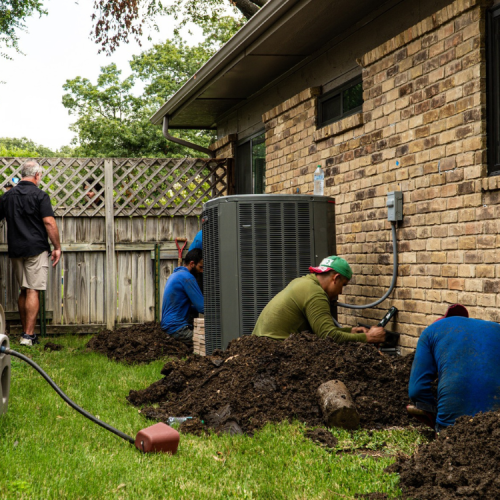
Foundation repair has a reputation for being disruptive and expensive, but what many Dallas homeowners don’t realize is how much more manageable it can be when issues are caught early. When movement is minor and localized, repairs may involve installing a limited number of piers or supports to re-stabilize specific areas. This approach can restore structural integrity and prevent further damage without extensive excavation or major interior renovation.
Early intervention also helps avoid secondary damage. As foundations move, they can crack plumbing lines, stress HVAC ductwork, and damage interior finishes. Repairing drywall, tile, cabinetry, and trim after a major foundation shift can add significantly to the overall cost. By stabilizing the foundation before that damage spreads, you not only protect the structure but also save on cosmetic and mechanical repairs that would otherwise become necessary.
From a financial perspective, proactive foundation work often yields a strong return on investment. A home in Dallas with a documented, professionally repaired foundation – especially with a transferable warranty – can be more attractive to buyers than a similar property with unknown or suspected issues. Elite Foundation Repairs frequently works with homeowners and real estate agents to ensure that repair documentation is clear, detailed, and ready for future transactions.
There is also the everyday quality-of-life factor. Living in a home where doors close smoothly, floors feel solid, and you’re not constantly noticing new cracks is simply more comfortable. Knowing that your foundation has been evaluated and, if needed, repaired by specialists allows you to focus on enjoying your home rather than worrying about what’s happening beneath it. In a region like Dallas, where soil movement is a fact of life, that peace of mind is valuable.
Frequently Asked Questions
How do I know if a crack is serious enough to worry about? Small, hairline cracks that don’t change over time are often cosmetic, especially in drywall. However, you should be concerned if a crack is wider than about 1/8 inch, if one side of the crack is higher than the other, or if the crack continues to grow or reappears after repair. Stair-step cracks in brick, long horizontal cracks, and cracks that radiate from door and window corners are particularly important to monitor. When in doubt, have Elite Foundation Repairs perform an inspection to determine whether the crack is simply cosmetic or a sign of underlying foundation movement.
Can seasonal changes alone cause temporary problems like sticky doors? Yes, seasonal humidity and temperature changes can cause wood to expand and contract, which may temporarily affect doors and windows. In Dallas, however, these seasonal changes often coincide with soil movement, so it’s important not to dismiss the symptoms too quickly. If a door or window sticks briefly during a very humid week and then returns to normal, it may not be a foundation issue. But if the problem persists, worsens, or appears alongside new cracks or sloping floors, it is wise to have your foundation evaluated to rule out more serious causes.
Is it better to wait until the damage is obvious before repairing the foundation? Waiting usually makes foundation problems more complex and expensive to fix. Early-stage issues can often be addressed with fewer piers or supports and less disruption to your home. As movement continues, more of the structure becomes involved, leading to larger repairs and more extensive cosmetic damage inside and outside the house. Addressing issues when they are first identified allows Elite Foundation Repairs to design a targeted solution, protect your home’s value, and reduce total costs over the long term.
How often should I have my foundation checked in Dallas? For most homes in Dallas, a thorough professional foundation evaluation every few years is a good starting point, especially if your home is older or located in an area known for soil movement. In between professional inspections, you should perform your own informal checks at least twice a year, ideally at the start of summer and after the rainy season. Look for new cracks, changes in doors and windows, and any exterior signs of movement or drainage issues. If you notice multiple new warning signs between scheduled evaluations, contact Elite Foundation Repairs sooner rather than waiting.
What can I do to prevent foundation problems in the first place? While you can’t change the soil under your home, you can manage the conditions around your foundation. Maintain consistent moisture levels by ensuring proper drainage, using gutters and downspouts that move water away from the house, and avoiding overwatering near the foundation. Keep large trees at a reasonable distance, and monitor their root growth. Make sure the ground slopes away from your home on all sides, and address any standing water or erosion promptly. Regular visual inspections and timely maintenance, combined with professional guidance from Elite Foundation Repairs when needed, are your best defense against serious foundation issues in the Dallas area.