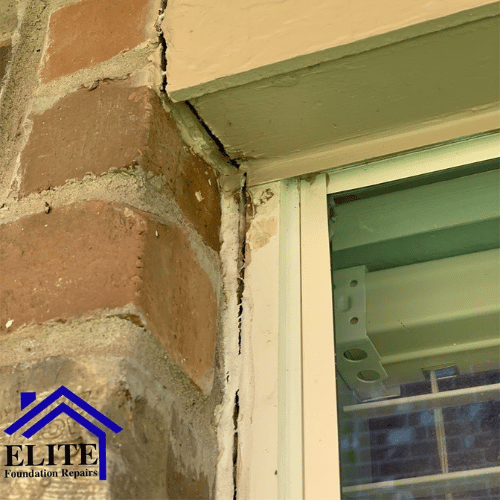
Cracks in patios, soil washing onto driveways after every storm, leaning fences, and soggy, unusable corners of the yard – these are all clues that your property is quietly losing the battle against gravity and water. In the Dallas area, where clay soils expand and contract dramatically with moisture changes, these small issues can quickly become major structural headaches. When the earth around your home starts shifting, it doesn’t just ruin your landscaping; it can threaten your foundation, hardscapes, and even the value of your property.
Quality retaining walls are one of the most effective ways to bring order back to a yard that’s fighting slope, erosion, and unstable soil. Instead of constantly patching washed-out mulch beds or re-leveling sunken pavers, a properly engineered retaining wall reshapes the land so it works with you, not against you. For Elite Foundation Repairs customers in Dallas, Texas, investing in a durable, professionally built retaining wall is less about having a “pretty wall” and more about taking control of how water and soil move around your home. It is a strategic improvement that protects your foundation, extends the life of your outdoor spaces, and creates usable, attractive areas you can actually enjoy.
Choosing a high-quality retaining wall is not just a design choice; it is a long-term structural decision. Cheap, poorly designed walls may look similar on day one, but they fail fast when the first heavy Texas rain hits or the ground swells during a wet season. That is why homeowners who think beyond the short term, and work with specialists like Elite Foundation Repairs, see retaining walls as an investment in stability, safety, and property value that pays off for decades.
Protecting Your Home’s Foundation
In North Texas, foundation issues are common because of the expansive clay soils that shrink when dry and swell when wet. When the soil around your home is not properly supported or controlled, it can exert uneven pressure on your foundation, leading to cracks, settlement, and structural movement. A properly designed retaining wall helps manage these forces by holding soil in place, controlling drainage, and reducing the horizontal pressure acting against your foundation. Instead of allowing the hillside to slowly push toward your house, the wall becomes a barrier that stabilizes the terrain.
Runoff is another critical factor. Without a system that directs water away from your foundation, rain can pool around the base of your home, soak into the clay, and cause it to expand. Over time, this leads to heaving, differential settlement, and those telltale diagonal cracks in drywall and brick. Quality retaining walls are usually paired with drainage features such as gravel backfill, perforated drain pipes, and properly graded surfaces. These elements work together to move water away from your foundation, helping keep moisture levels more consistent and your home more stable.
Elite Foundation Repairs understands how retaining walls and foundations interact because they deal with foundation failures every day in Dallas and surrounding areas. When they design or repair a retaining wall, it is done with an eye toward how the wall will impact the home’s structure over the long term. That means considering soil type, existing drainage patterns, nearby structures, and load-bearing requirements. Investing in a wall that is engineered with these details in mind is far less expensive than paying for major foundation repairs down the road.
Think of a high-quality retaining wall as part of your home’s armor. While you may not notice it working day to day, it is quietly absorbing pressure, guiding water, and preventing the gradual soil movement that can cause very visible and very costly structural damage. That hidden protection is one of the strongest arguments for investing in quality rather than settling for the cheapest option.
Stopping Erosion Before It Starts
Soil erosion is often underestimated, especially in residential neighborhoods where it happens slowly and quietly. In Dallas, intense rain events can turn gentle slopes into muddy slides in just a few seasons. You might notice bare patches where grass will not grow, exposed roots, or ruts forming along walkways and driveways. All of these are signs that the soil is on the move. Once erosion starts, it tends to accelerate, because every bit of soil that washes away makes it easier for the next storm to carry off even more.
A well-built retaining wall interrupts this cycle by creating stable, level terraces that slow down water and hold soil in place. Instead of water racing down a slope and carving channels in your yard, it is slowed and redirected. The wall itself, combined with proper backfill and drainage, becomes a barrier that keeps your topsoil where it belongs. This is especially important in yards where landscaping, trees, or garden beds sit on a slope; without support, you end up replacing plants and soil over and over as they wash away.
Quality matters here because a retaining wall that is not properly reinforced or drained can actually make erosion worse. If water builds up behind a flimsy wall, it can cause bowing, cracking, and eventual collapse, sending a rush of soil downhill. Elite Foundation Repairs focuses on designing walls that account for the volume of water your property is likely to see, the weight of the retained soil, and the characteristics of the local clay. That means using appropriate materials, reinforcement, and drainage systems to create a structure that holds up when the weather turns severe.
By stopping erosion early, you also protect everything that sits on top of that soil: patios, walkways, fences, decks, and even parts of your driveway. Instead of constantly repairing surfaces that keep shifting, a good retaining wall stabilizes the ground beneath them. Over the long term, this saves money and reduces the frustration of watching your hard landscaping work crumble after each heavy rain.
Creating Usable Outdoor Space
Steep or uneven lots are common across the Dallas–Fort Worth area, especially in neighborhoods built on rolling terrain or near creeks. Without some form of earth retention, much of that land is simply not practical to use. You might have a large backyard on paper, but if it is sloping sharply away from the house, only a narrow strip is truly functional. Quality retaining walls can transform a sloped yard into a series of flat, usable levels that feel like distinct outdoor rooms.
Terraced spaces created by retaining walls can house patios, play areas, gardens, outdoor kitchens, or quiet seating zones. Instead of fighting the slope, you work with it, letting each level serve a specific purpose. Families gain safer, more comfortable play spaces for children; gardeners get stable beds where soil and mulch stay put; and homeowners who love to entertain gain solid, level platforms for furniture and grills. This functional transformation often changes how people actually live in their homes, encouraging more time outside and better use of the property they are already paying for.
From a design standpoint, a professionally planned retaining wall can be much more than a plain barrier. Materials such as stone, concrete block, or even reinforced concrete with decorative finishes can be chosen to complement the architecture of your Dallas home. Integrated steps, seating benches, planters, and lighting can be built into the wall, turning a structural necessity into an attractive feature. Elite Foundation Repairs can coordinate wall design with other improvements, such as drainage upgrades or foundation work, to ensure everything ties together both functionally and visually.
When you consider the cost of gaining hundreds of square feet of usable, level outdoor space, a high-quality retaining wall often delivers more value than many other home upgrades. It is not just an expense; it is a way of unlocking the full potential of your lot, making your property more livable, versatile, and enjoyable every single day.
Boosting Property Value And Curb Appeal
Home buyers in Dallas are increasingly savvy about structural issues, drainage, and foundation health. Visible signs of erosion, leaning walls, or sloping, unusable yards can raise red flags during showings and inspections. On the other hand, a property with well-built retaining walls, stable landscaping, and clearly managed drainage sends a powerful message: this home has been taken care of. That perception alone can translate into stronger offers and smoother negotiations when it is time to sell.
Quality retaining walls contribute to curb appeal as well. A thoughtfully designed wall along a front yard slope can frame the home, define planting areas, and give the property a polished, finished look. Even in the backyard, appraisers and buyers notice when outdoor spaces feel level, organized, and functional. It becomes easier for potential buyers to imagine themselves using those spaces, whether for kids’ play areas, pets, gardening, or entertaining friends.
From a financial perspective, investing in a durable retaining wall can help preserve or even increase your home’s value by preventing the kinds of structural and drainage problems that scare buyers away. No one wants to inherit a yard that floods or a slope that is slowly sliding toward the house. When Elite Foundation Repairs designs and installs or repairs a retaining wall, they are effectively helping you future-proof your property against these common concerns in the Dallas market.
While you may not recoup every dollar of a retaining wall project immediately, the combination of avoided repairs, extended lifespan of outdoor features, and improved marketability often makes it a smart long-term investment. It is similar to investing in a quality roof: you see the benefits in everyday peace of mind and in the confidence buyers have when they evaluate your home.
Why Quality And Professional Design Matter
Not all retaining walls are equal, and this is where many homeowners get into trouble. A small garden wall stacked from leftover blocks is one thing; a wall that must hold back tons of wet clay soil is another. When walls are built without proper engineering, reinforcement, or drainage, they may look fine at first but begin to lean, crack, bulge, or even fail completely within a few years. In the worst cases, a collapsing wall can damage nearby structures, injure people, or cause sudden, severe erosion.
Quality in retaining walls starts with design. That includes understanding the type of soil on your property, the height and length of the wall, any surcharge loads (such as driveways, parking areas, or structures above the wall), and how water will move through and around the retained soil. Elite Foundation Repairs brings a foundation-focused mindset to this process, which is especially valuable in Dallas where soil behavior is a constant concern. They consider long-term performance, not just immediate appearance, when recommending materials, footing depth, and reinforcement methods.
Drainage is one of the most critical elements that separates a quality retaining wall from a ticking time bomb. Properly installed walls typically include gravel backfill, weep holes or drainage pipes, and geotextile fabrics to keep soil from clogging the system. These details are easy to skip for an inexperienced installer trying to cut costs, but they are exactly what prevent hydrostatic pressure from building up behind the wall and causing failure. When you invest in a professionally built wall, you are paying for these hidden components that quietly protect your property year after year.
Finally, professional installation means accountability. A reputable company like Elite Foundation Repairs stands behind its work, understands local codes and best practices, and can coordinate your retaining wall with other critical services such as drainage improvements or even Crawl Space Repair. The result is a cohesive solution rather than a patchwork of separate projects that might conflict with each other. This integrated approach is what ultimately delivers lasting value.
Choosing The Right Time To Invest
Homeowners often wait until a retaining wall is visibly failing or erosion is clearly out of control before taking action. By that point, the project is usually more complex and expensive, because the damage has already spread to other structures or parts of the yard. A better strategy is to treat retaining walls as preventive infrastructure rather than emergency repairs. If you notice soil washing away, steps pulling apart, or slopes becoming more pronounced, it is wise to have a professional evaluate the situation before it escalates.
In Dallas, the seasonal cycles of heavy rain followed by heat and drought put constant stress on the landscape. The ideal time to address retaining wall needs is before the rainy season or during periods of moderate weather, when soil conditions are more predictable and extensive erosion has not yet occurred. Planning ahead also gives you time to coordinate retaining wall work with other projects, such as foundation inspections, drainage upgrades, or outdoor living space improvements.
From a financial standpoint, investing in a retaining wall sooner rather than later can help you spread out costs and avoid sudden, large repair bills. Instead of facing an urgent situation where a failing wall threatens your home or neighbor’s property, you can tackle the issue on your terms, with a properly designed solution. Elite Foundation Repairs can help you prioritize what needs attention first, whether that is a wall that is already leaning or a slope that clearly needs support before you build a patio or deck.
Ultimately, the right time to invest is when you recognize that your yard’s slopes, drainage, or soil movement are not going to fix themselves. Addressing these issues proactively with a quality retaining wall is a decision that protects your home, enhances your daily life, and positions your property for long-term stability.
Frequently Asked Questions
How do I know if I need a retaining wall? You may need a retaining wall if your yard has noticeable slopes where soil is washing away, if you see exposed roots or bare patches after rain, or if existing small walls or borders are starting to lean or fail. Other warning signs include water pooling near your foundation, cracking in nearby patios or walkways, and difficulty keeping landscaping in place on a hillside. A professional assessment from a company familiar with Dallas soils, like Elite Foundation Repairs, can confirm whether a retaining wall is necessary and what type would be most effective.
What makes a “quality” retaining wall different from a basic one? A quality retaining wall is engineered to handle the weight of the soil it holds back, the water that flows through that soil, and any additional loads such as vehicles or structures above it. It includes proper footing, reinforcement, and drainage systems, along with suitable backfill materials. A basic or poorly built wall may rely only on stacked blocks or timbers without these critical elements, making it far more likely to fail. Quality walls are designed with long-term performance in mind, not just initial appearance.
Are retaining walls really connected to foundation health? Yes. The way soil and water move around your property has a direct impact on your foundation. Uncontrolled slopes can push laterally against the foundation, while poor drainage can cause the clay soil around your home to swell and shrink excessively. A properly designed retaining wall helps stabilize the surrounding terrain and manage runoff, reducing these stresses. In many Dallas properties, retaining walls and foundation systems work together as part of a comprehensive stability and drainage plan.
How long should a well-built retaining wall last? The lifespan of a retaining wall depends on its design, materials, and exposure to water and load. However, a professionally engineered and constructed wall using quality materials and proper drainage can last several decades or more. In contrast, walls built without adequate support or water management may show significant problems within a few years. Investing in quality up front greatly increases the chances that your wall will outlast many other elements of your landscaping.
Can I build a retaining wall myself, or should I hire a professional? While very small garden walls can sometimes be DIY projects, any wall that holds back a significant amount of soil, is over a couple of feet tall, or is near a structure should be designed and installed by a professional. Mistakes in footing depth, reinforcement, or drainage are not always visible until the wall starts to fail, and by then the damage can be extensive. Hiring an experienced contractor like Elite Foundation Repairs ensures that your retaining wall is not only attractive but also safe, stable, and properly integrated with your foundation and drainage systems.