On a quiet Dallas evening, a homeowner notices something small but unsettling: the hallway doors no longer latch without a shove, and a hairline crack has appeared above the living room archway. A few weeks later, the crack is wider, the floor feels uneven in spots, and that nagging worry becomes a real concern—could this be a foundation problem? By the time they call a professional like Elite Foundation Repairs, the biggest question isn’t just “How bad is it?” but “What exactly happens during foundation repair?”
Many Dallas homeowners imagine foundation work as a chaotic, mysterious process involving heavy equipment, deep holes, and big invoices. In reality, foundation repair follows a structured, methodical series of steps designed to diagnose the issue, stabilize the home, and prevent future movement. Understanding each stage—from the first inspection to the final clean-up—removes much of the fear and confusion. It allows you to ask better questions, compare estimates more intelligently, and feel confident that you know what’s happening under your home.
In the Dallas–Fort Worth area, expansive clay soils, fluctuating moisture levels, and seasonal droughts make foundation movement a common issue. That’s why companies like Elite Foundation Repairs rely on a clear, step-by-step process that has been refined through years of working with local soil conditions, building styles, and city codes. What follows is a detailed walk-through of that process, so you can see how a foundation repair project progresses from that first uneasy crack in the wall to a stable, secure home.
Initial Evaluation And Inspection
The foundation repair process begins long before any dirt is moved or piers are installed. It starts with a thorough evaluation of the home and the symptoms you’ve noticed. When Elite Foundation Repairs arrives at a Dallas property, the first step is a detailed conversation with the homeowner. This includes discussing when cracks first appeared, whether doors and windows have become harder to operate, if floors feel uneven, and whether there have been any plumbing leaks or drainage changes on the property. These clues help narrow down where movement may be occurring and how long it has been progressing.
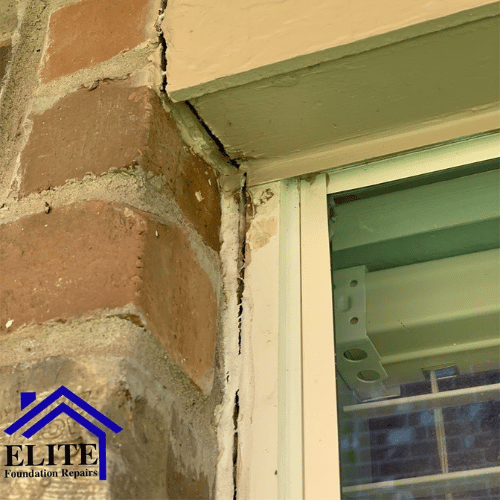
Next, the inspector performs a visual inspection of both the interior and exterior of the home. Inside, they look for wall cracks, ceiling separations, sloping floors, gaps between trim and walls, and misaligned doors or windows. Outside, they examine brick mortar lines, visible slab edges, fascia boards, and any separation between the home and attached structures like garages or porches. They also note landscaping features, tree locations, and any obvious drainage problems such as standing water or poorly directed downspouts.
For slab foundations, a key part of the inspection is often an elevation survey. Using a precise measuring device, the inspector records elevation readings at multiple points inside the home. This creates a topographical “map” of the slab, showing where it has settled or heaved. In a city like Dallas, where soil expansion and contraction are common, this data is crucial for designing a repair plan. The inspector then combines these measurements with the visual observations and homeowner input to form an accurate picture of the foundation’s condition.
Finally, the inspector explains the findings in clear terms. They identify the areas of concern, the likely causes of the movement, and whether immediate repair is needed or if monitoring may be appropriate. For many homeowners, this is the first time they see their foundation issues translated into understandable language and concrete numbers. A written report and estimate are then prepared, outlining the recommended repair method, number and placement of piers or supports, and any related work such as drainage improvements.
Designing The Repair Plan
Once the problem is clearly defined, the next step is designing a repair plan tailored to the specific home. Foundation repair is not a one-size-fits-all service; a small pier-and-beam house in East Dallas will need a different approach than a large slab-on-grade home in a newer subdivision. At this stage, Elite Foundation Repairs considers the structure’s age, construction type, layout, and the soil profile beneath it. The goal is to create a plan that stabilizes the foundation effectively without over-correcting or causing new stresses.
For slab foundations, the plan typically revolves around the type and placement of piers. Common options in the Dallas area include concrete pressed piers, steel piers, and sometimes drilled piers, depending on soil conditions and structural demands. The repair plan specifies how many piers are needed and exactly where they will be installed—usually along perimeter walls and sometimes under interior load-bearing walls. This design is based on the elevation readings taken earlier, as well as engineering principles that ensure the home is supported evenly.
For pier-and-beam homes, the design focuses on shoring up the existing support system. This may involve adding or replacing concrete pads, installing new support piers, adjusting or replacing wooden beams and joists, and addressing any moisture or ventilation issues in the crawl space. In some cases, related services like Crawl Space Encapsulation may be recommended to protect the structure from ongoing moisture damage that can lead to sagging floors and wood rot.
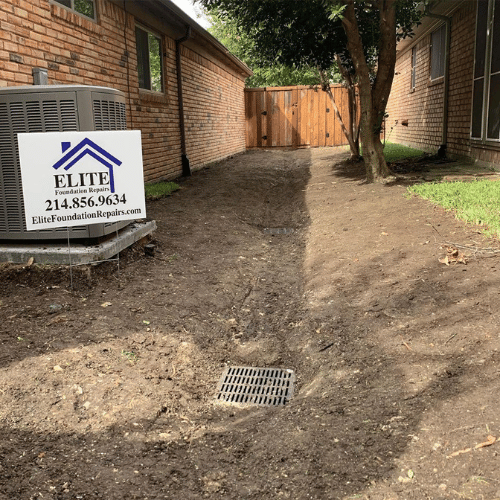
The repair plan also addresses secondary but critical factors like drainage and grading. In Dallas, poor drainage is one of the leading contributors to foundation movement, as water causes the clay soil to swell and shrink. The plan may include recommendations for regrading soil away from the foundation, extending downspouts, adding French drains, or installing surface drains. By addressing both the structural support and the environmental conditions around the home, the repair plan aims not just to fix the current problem but to reduce the risk of future movement.
Permits, Preparation, And Site Setup
Before any physical work begins, there is an important administrative step: securing permits where required. Many municipalities in and around Dallas require permits for foundation repair, especially when it involves structural changes or pier installation. Elite Foundation Repairs typically handles this process, submitting the repair plan and any required engineering documentation to the city. This ensures the project complies with local building codes and that inspections can be completed as needed.
Once the paperwork is in order, the team schedules the repair and begins preparing the site. Preparation includes marking the locations where piers will be installed or where access to the crawl space is needed. For slab foundations, this often means marking pier locations around the perimeter and sometimes inside the home if interior piers are required. Interior piers may involve cutting through the slab, so the crew plans carefully to minimize disruption and protect interior finishes as much as possible.
Protection of the property is a major part of the setup phase. Crews lay down tarps and plywood to shield landscaping, grass, and hardscape features from heavy foot traffic and equipment. For interior work, they cover floors, protect furniture, and create dust barriers if concrete cutting is needed. This attention to detail is especially important in established Dallas neighborhoods where mature landscaping and carefully finished interiors are common and highly valued by homeowners.
Finally, utilities and potential obstacles are evaluated. The repair team identifies any buried lines, sprinkler systems, or other underground features that could be affected by digging. If plumbing issues are suspected or known, coordination with a licensed plumber may be part of the preparation, especially in homes where foundation movement has already caused or been caused by leaks under the slab. Proper planning at this stage helps avoid surprises and keeps the repair process running smoothly.
Excavation, Pier Installation, And Lifting
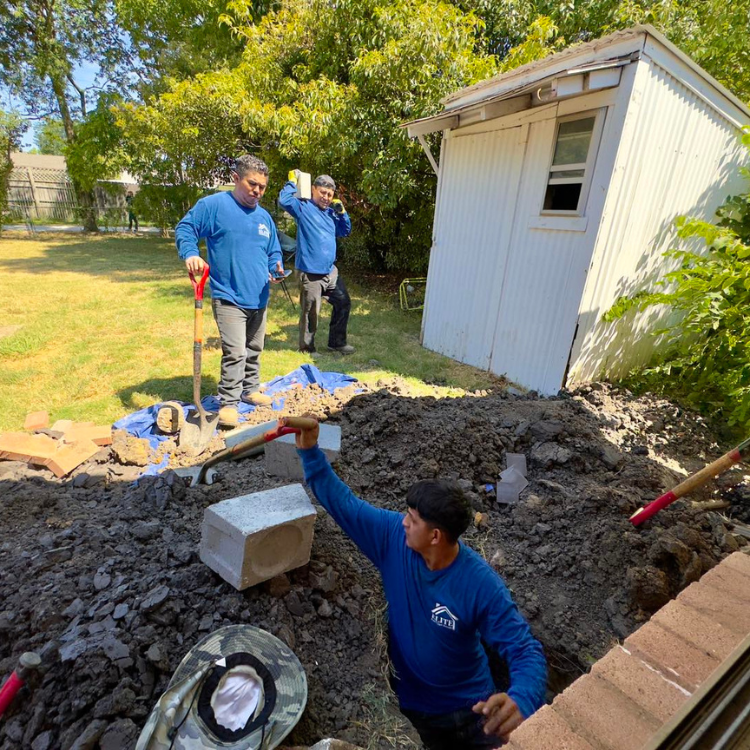
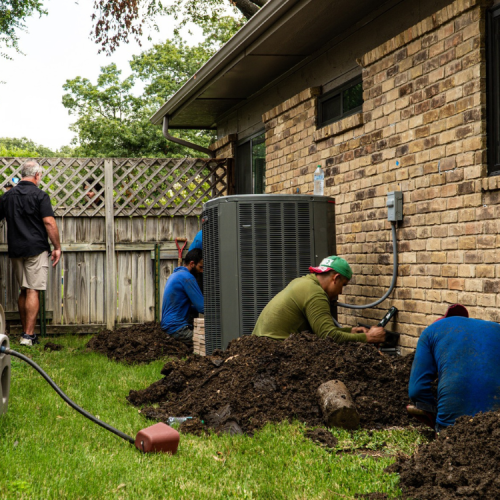
With the plan finalized and the site prepared, the visible work of foundation repair begins. For slab foundations, the crew starts by excavating at the marked pier locations. This involves digging holes down to the footing of the foundation, usually by hand to maintain control and avoid damaging utilities or the structure. In Dallas’s clay soils, these holes must often be fairly deep to reach stable strata capable of supporting the home’s weight. The excavated soil is temporarily piled on tarps to make backfilling and site restoration easier later.
Once the access holes are complete, the piers are installed. For concrete pressed piers, concrete cylinders are hydraulically driven into the ground beneath the foundation beam until they reach a point of refusal, where the resistance indicates adequate bearing capacity. For steel piers, steel segments are driven deeper, often reaching more stable layers below the active clay. Each pier is then topped with a cap and a system of shims or brackets that will transfer the load from the foundation to the pier. This process is repeated at each pier location, creating a network of supports beneath the home.
After all piers are in place, the lifting or stabilization phase begins. Hydraulic jacks are carefully positioned, and the foundation is gradually lifted, if needed, in controlled increments. Crews monitor the structure closely, watching for signs of stress and checking interior elevations as they go. The goal is not always to return the home to its exact original position—sometimes that is neither possible nor advisable—but to lift it to a stable, acceptable level that closes gaps, reduces cracks, and prevents further settlement. During this process, adjustments are made to ensure that the load is evenly distributed across all piers.
For pier-and-beam homes, the process looks a bit different but follows the same principles. Crews access the crawl space, install or adjust piers and pads, and use jacks to level sagging beams and joists. They may replace deteriorated wood, add sister joists for strength, and ensure that the support system is sound. As with slab lifting, the team proceeds gradually, checking the home’s response as adjustments are made. In both types of foundations, the final step in this phase is locking in the supports with permanent shims or brackets, effectively “locking” the home into its new, stable position.
Backfilling, Clean-Up, And Final Walkthrough
Once the foundation has been stabilized and lifted to the desired elevations, the focus shifts to returning the property to a clean, orderly state. The access holes around the perimeter are backfilled with the soil that was removed earlier, often compacted in layers to reduce future settling. Any interior slab openings are patched with new concrete, carefully leveled and finished. While the patched areas may remain visible until covered by flooring, they are structurally sound and designed to integrate with the existing slab.
Clean-up is a critical step that separates professional work from a chaotic job site. Crews remove debris, haul away any excess soil or broken concrete, and remove tarps and protective coverings. Landscaping disturbed by excavation is restored as much as possible, with soil graded away from the foundation to promote proper drainage. In many Dallas neighborhoods, homeowners are understandably protective of their yards and outdoor spaces, so Elite Foundation Repairs places a strong emphasis on leaving the site neat and functional.
After the physical work and clean-up are complete, a final walkthrough is conducted with the homeowner. During this walkthrough, the crew or project manager explains what was done, shows the locations of installed piers or supports, and reviews any before-and-after elevation readings. They also point out any changes inside the home, such as doors that now operate properly or cracks that have closed or reduced. This is the homeowner’s opportunity to ask questions, clarify warranty terms, and understand how to care for their foundation going forward.
Finally, documentation of the work is provided. This typically includes a diagram of pier locations, elevation data, and details of the materials used. A warranty on the repair work is also explained—an important consideration in the Dallas market, where ongoing soil movement is a reality. With this information in hand, homeowners can feel confident that their foundation issues have been addressed in a systematic, professional way.
Preventive Measures And Long-Term Maintenance
Foundation repair does not end when the last hole is filled. Protecting your investment involves ongoing attention to the conditions that caused the problem in the first place. In North Texas, moisture management is at the top of that list. Homeowners are advised to maintain consistent soil moisture around the foundation by using soaker hoses in dry periods, avoiding over-watering in wet seasons, and ensuring that sprinkler systems are not saturating the soil near the slab or piers.
Drainage improvements recommended during the planning phase become especially important after the repair. Properly extended downspouts, correctly sloped soil away from the home, and functional surface drains all help keep water from pooling near the foundation. In areas of Dallas prone to heavy storms, addressing drainage can be the difference between a stable foundation and one that continues to move season after season. Elite Foundation Repairs often provides guidance on these measures, even when they fall outside the core structural work.
Regular monitoring is another key aspect of long-term maintenance. Homeowners should periodically check for new cracks, door or window misalignment, and changes in floor level. Some movement in a home is normal, especially with seasonal changes, but sudden or significant changes may warrant a follow-up evaluation. Because the repair work is typically covered by a warranty, contacting the repair company if concerns arise is both prudent and cost-effective.
For pier-and-beam homes, maintaining a healthy crawl space environment is crucial. This includes controlling moisture, ensuring proper ventilation, and addressing any signs of wood rot or pest damage promptly. When these steps are combined with the structural repairs already performed, the result is a foundation that not only recovers from past problems but is better prepared to withstand the challenging soil conditions common throughout Dallas, Texas.
Frequently Asked Questions
How long does a typical foundation repair project take? The duration depends on the size of the home, the extent of the damage, and the number of piers or supports being installed. Many residential projects in Dallas can be completed in two to five days, from excavation to final clean-up. Larger homes or those requiring interior piers, extensive crawl space work, or additional drainage improvements may take a bit longer. During the initial evaluation, Elite Foundation Repairs usually provides a time estimate so you can plan around the work.
Will foundation repair damage my landscaping or yard? Some disruption to landscaping is inevitable because access holes must be dug around the perimeter or in specific areas. However, professional crews take steps to minimize damage, such as using tarps to contain soil and carefully removing and replacing plants where possible. After the work is complete, the soil is backfilled and graded, and any disturbed areas are restored as much as reasonably possible. In many cases, homeowners find that with a bit of follow-up care, their landscaping recovers quickly.
Do I have to move out of my home during the repair? In most cases, you can remain in your home while foundation repairs are being performed. The work is primarily outside or in the crawl space, and while there may be some noise and vibration during lifting, it is generally manageable. If interior slab piers are required, specific rooms or areas may be temporarily inaccessible, and you may need to move furniture or belongings. The repair team will discuss these logistics with you in advance so you can prepare.
Will all my interior cracks and door problems disappear after repair? Many cosmetic issues improve significantly after the foundation is stabilized and lifted. Doors and windows often begin to operate more smoothly, and some cracks may close or become less noticeable. However, not every cosmetic issue will vanish completely. Some cracks may need to be repaired separately with patching or repainting, and in a few cases, over-correction can cause minor new cracks as the home adjusts to its new position. The primary goal of foundation repair is structural stability; cosmetic improvements are a valuable but secondary benefit.
How do I know which repair method is best for my home? The best repair method depends on your home’s construction type, the soil conditions, the extent and pattern of movement, and your long-term goals. During the evaluation, Elite Foundation Repairs explains why a particular method—such as concrete pressed piers, steel piers, or pier-and-beam adjustments—has been recommended for your situation. Asking questions about depth, materials, warranty terms, and how the method addresses Dallas’s expansive clay soils can help you feel confident that the chosen solution is appropriate and durable.